
Ever wonder if your money could work a bit harder for you? These days, there are many ways to invest that might change your financial future. Whether you like the steady flow of a high-yield savings account or the energetic push of small-cap stock funds (shares in smaller companies that can grow quickly), each option brings its own ups and downs.
In this post, we break things down in plain language. We’ll show you how different choices line up with your needs, making smart moves feel as natural as saving coins in a jar.
investment options: Bright Prospects for Growth

Investing today means having lots of choices that can match what you’re aiming for, whether that's steady growth, safety, or quick access to your cash. Every option has its own twist that helps smooth over the bumps in the market. Think about it like this: high-yield savings accounts give you FDIC-insured security and often pay better rates than your local bank, all while keeping your money just a tap away.
You might also consider certificate of deposit ladders, which break up your investment into different time periods. This way, you reduce the hassle of reinvesting all your funds at once and get regular access to a portion of your money. Then there are short-term Treasury ETFs that focus on government bills maturing in less than a year and offer monthly payouts, making them a low-risk choice.
On another note, corporate bond funds pool a mix of bonds for a chance at stronger returns, though they don’t carry FDIC protection. Dividend stock funds, on the other hand, build a portfolio of companies that pay cash dividends, which can help cushion the blow during market dips. If you're feeling a bit adventurous, small-cap stock funds invest in up-and-coming companies with the potential for high returns, even though they might be more volatile.
If real estate trends catch your eye, REIT index funds give you diversified exposure to property markets without having to buy actual real estate. For those who prefer simplicity, broad-market index funds like S&P 500 or Nasdaq-100 funds offer instant diversification with one investment. And if you're curious about the digital world, Bitcoin ETFs let you tap into the cryptocurrency market with the added perk of exchange trading, though their returns can swing with market sentiment.
| Category | Examples | Risk Level | Typical Return | Liquidity |
|---|---|---|---|---|
| High-yield savings accounts | FDIC-insured online accounts | Low | 1-2% | High |
| Certificate of Deposit Ladder | Staggered 1–5-year CDs | Low | Fixed rate | Moderate |
| Short-term Treasury ETFs | Treasury bills under 1 year | Very Low | Low to Moderate | High |
| Corporate Bond Funds | Diversified corporate bonds | Moderate | Moderate | Moderate |
| Dividend Stock Funds | Dividend-paying equities | Moderate | Steady | High |
| Small-cap Stock Funds | Emerging company portfolios | High | Potentially High | Moderate |
| REIT Index Funds | Diversified real estate trusts | Moderate-High | Variable | Moderate to High |
| Broad-market Index Funds | S&P 500, Nasdaq-100 | Low-Moderate | Market-based | High |
| Bitcoin ETFs | Exchange-traded crypto funds | High | Variable | High |
Equity Investment Options: Stocks, Mutual Funds, and ETFs

Stocks
Stocks give you a chance to own a slice of famous companies like Exxon, Apple, or Microsoft. When you buy shares, you're betting on these companies growing over time. Sure, stocks can give you great returns, but they also tend to jump up and down quickly. It’s a bit like a roller coaster ride through the market. You might say, "Owning stocks is like planting seeds, if nurtured well, they could grow into a thriving orchard even though some might face rough weather."
Mutual Funds
Mutual funds pool money from many investors to create a mix of different stocks, bonds, or other assets. They come in two types: actively managed ones, where a professional decides what to buy and sell, and passively managed ones that simply follow a market index. This mix helps spread out the risk. Think of it like picking a variety pack at the grocery store, you’re not putting all your money into one product, but sampling several to see which ones add the most value.
Exchange-Traded Funds (ETFs)
ETFs work a lot like stocks because you can trade them on an exchange, but they also work like mutual funds by tracking a specific index, such as the S&P 500 or Nasdaq-100. They tend to have lower costs and better tax perks. Because you can buy or sell ETFs any time during market hours, they're perfect for those who need flexibility. It’s like choosing your favorite ice cream flavor on the spot, quick and satisfying.
Index Funds
Index funds are a favorite for those looking for a low-cost, long-term strategy. They track market benchmarks, which helps keep fees down and lets you benefit from the power of compounded returns. In simple terms, if you’re exploring options between active management and passive tracking, index funds can be a practical choice that might lead to steady growth over time. Curious about the differences or need more guidance? There’s plenty of info out there to help you decide if this straightforward method fits your financial goals.
Fixed-Income Investment Options: Bonds, CDs, and Treasury Products
Government Bonds
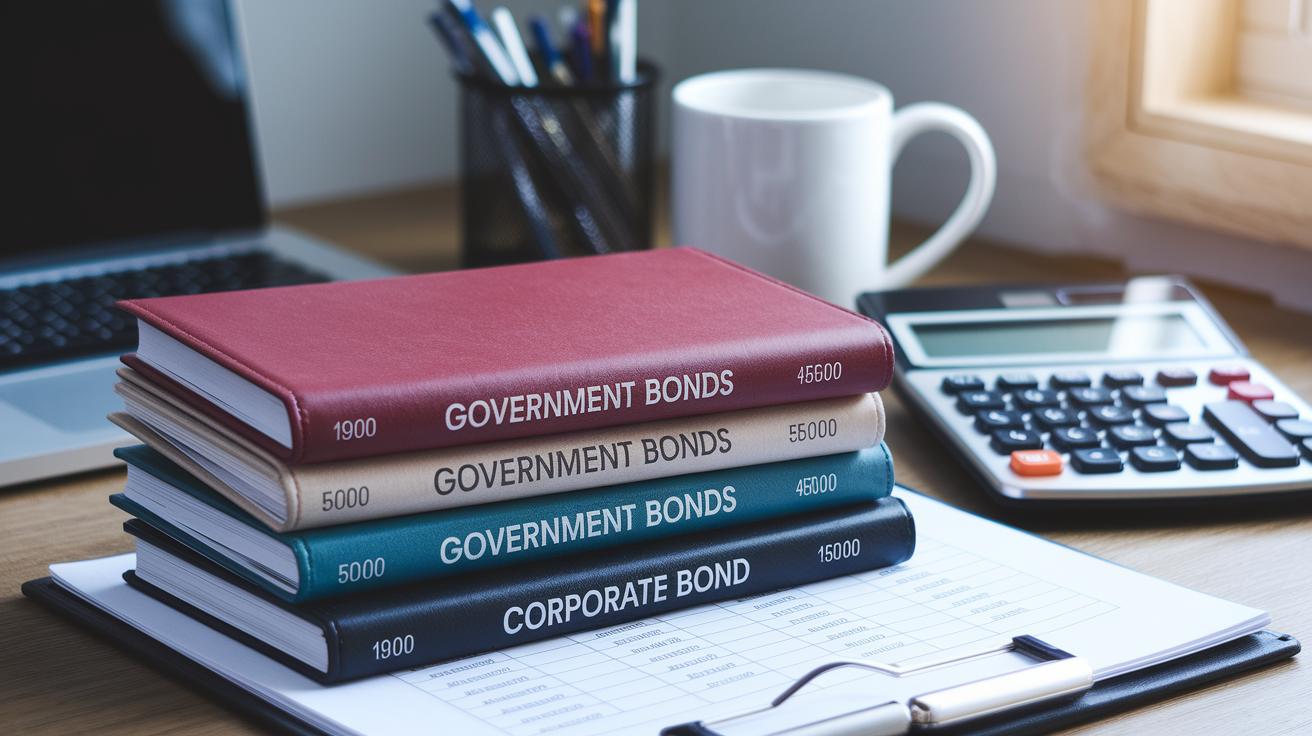
Government bonds are a safe bet, they let you lend money to the government with repayment periods ranging from 1 to 30 years. They pay fixed interest, so you get a steady income, almost like a clock consistently marking time. It’s like trusting a dependable friend to return your loan on schedule, all while keeping your principal safe and earning a modest yield.
Corporate Bond Funds
Corporate bond funds mix bonds from various companies to try and boost your income beyond what government bonds might offer. It’s a bit like having a balanced playlist where some songs hit a higher note, even if they come with a bit more risk since these aren’t covered by FDIC insurance. This way, you spread out risk while aiming for higher returns.
Certificate of Deposit Ladder
The CD ladder strategy means buying several certificates of deposit that mature at different times, such as one each year over five years. This approach minimizes the risk of having to reinvest all at once because you get regular access to your money. Plus, with FDIC insurance backing you up, it’s like getting several small, predictable checks instead of waiting on one big payoff.
Money Market Funds
Money market funds invest in short-term, high-quality debt, offering almost-cash liquidity along with returns that usually beat traditional savings accounts. Think of them as a handy financial cushion, always ready when you need it, like a spare key that not only opens doors but also earns a little extra along the way.
Real Estate and Commodity Investment Options

When you invest in REIT index funds, you're essentially getting a share in a broad mix of properties without the hassle of buying each one individually. It's like owning tiny pieces of different commercial buildings that, together, work hard to boost your returns by combining steady dividend income with the chance for price growth. Imagine, for instance, receiving a monthly rental check from a property in one part of the country, then another from elsewhere, a series of small, reliable beats that form your income rhythm.
Gold has long been seen as a trusty safe haven. In the past year, its value has jumped by nearly 40%, providing a cushion during shaky market times. Think about it this way: during a sudden market drop, gold acted like a trusty umbrella, shielding you from the storm of economic uncertainty. This strong performance makes gold a go-to option for many who want to protect themselves against inflation and wild market swings.
Then there’s the mix of other commodities, like energy or agricultural investments. These can help balance out your risk, especially when prices are on the rise. Sure, they can be a bit more volatile and might need a steady hand, but many investors value them as an extra layer of protection. They work like a practical financial shield, adding another level of security to a portfolio aimed at steady growth and smart risk management.
Alternative Investment Options and Emerging Assets

Bitcoin ETFs let you explore the world of digital money without having to buy and store the coins yourself. You invest through regulated exchanges, which makes the process simpler and helps ease some of the risks. But keep in mind, their performance really depends on how the market feels, so you might experience some sharp ups and downs, much like a roller coaster ride.
Annuities work differently. They are kind of like insurance deals that promise you fixed payments over time, and many people use them for retirement planning. Imagine getting a monthly check, as reliable as a subscription you never cancel, it helps smooth out the worries of unpredictable income later on.
Derivatives, including options and futures, get their value from other assets like stocks or bonds. They are more complex and can be riskier, so they’re usually better for experienced investors. Think of them as tools to balance out your other investments, kind of like adjusting your sails when the wind unexpectedly shifts.
Hybrid investments mix features from both stocks and bonds. A common example is preferred shares, which pay fixed dividends before the regular stock dividends come into play. This setup gives you a steady income stream while still allowing for some growth, making it a nice, balanced option compared to traditional investments.
Portfolio Design and Risk Management Techniques for Selected Investment Options

Creating a smart portfolio means picking the right mix of investments and managing them with care. Think of it like assembling a toolkit, each piece has its own purpose. You want to choose investments that match your financial goals and how much risk you’re willing to take. Sticking with this plan for five years or more helps smooth out the bumps in the market and lets the magic of compounding work.
A winning portfolio isn’t about trying to predict market highs and lows. Instead, it’s about adding funds steadily and making small adjustments along the way. By setting clear targets for each type of investment, you can rebalance your portfolio regularly and keep risky assets in check. It’s like following a planned dance routine where every step keeps you on track, even during wild market swings.
Managing risk isn’t just about dodging losses. It’s also about keeping room for growth while protecting your hard-earned money. By knowing your risk tolerance and planning for different market conditions, you build a buffer against sudden downturns. Here are six simple tactics to keep in mind:
- Diversify across asset classes
- Set target allocations and rebalance regularly
- Understand and record your risk tolerance and time frame
- Use dollar cost averaging to reduce the risk of buying in at the wrong time
- Add safe-haven assets during periods of high volatility
- Keep a cash reserve for when you need quick access to funds
By blending these strategies, you create a strong and flexible investment plan that can handle market ups and downs while paving the way for long-term growth.
Tax-Efficient Investment Options and Retirement Accounts

Traditional IRAs offer a neat way to lower your tax bill now by letting you deduct your contributions from your income. You put in money before taxes, which reduces your taxable income today. But come retirement, every dollar you withdraw is treated as ordinary income and gets taxed. It’s a bit like enjoying a discount on your spending today and then settling up later when it’s time to retire.
Roth IRAs, on the other hand, work on a different idea. You use money that’s already been taxed, so your investments grow without being hit by taxes, and when you take money out later, it’s totally tax-free. Think of it like paying a small fee upfront so that, down the road, every dollar you withdraw is completely yours. It’s a smart choice if you expect taxes might be higher later or if you just like the idea of tax-free income in retirement.
Employer-sponsored plans, like 401(k) and 403(b), add even more value by often including matching contributions from your employer. That extra boost is like a bonus check for simply saving money, which can really add up over time. It’s a straightforward way to grow your retirement savings with a little help along the way.
Investment Platforms and Tools for Executing Your Strategy

Today, lots of online trading platforms make it easy to start investing. You can use a brokerage, mutual fund company, or exchange to buy a mix of stocks, bonds, ETFs, and more with just a few simple clicks. Best of all, commission-free trading means you're not losing extra cash on fees from the start. Imagine snagging a small piece of a big company even if you don't have enough money for a full share.
Automated portfolio platforms work like digital advisors. They put together and tweak your mix of investments based on your goals. These platforms use smart algorithms (that is, clear sets of rules for decision-making) to check market conditions and rebalance your portfolio when needed. If you enjoy a more hands-off approach, this can be a real relief. Many of these tools also come with mobile apps, so you get real-time updates, almost like having a little financial assistant in your pocket.
If you prefer to pick out every investment yourself, there are self-directed account tools for that too. They give you the freedom to choose each asset while offering helpful planning tools to set goals, monitor progress, and fine-tune your strategy. In the end, these digital channels make it simple to build a modern, efficient portfolio that matches your own financial vision.
Final Words
In the action, this article walked through diverse investment options, from stable fixed-income tools to dynamic equity vehicles, and even touched on alternative assets for added diversification. We broke down practical methods for portfolio design, risk control, and tax-smart retirement accounts, while also highlighting digital platforms that simplify trading. Each section built on clear data insights so readers can feel more confident managing market trends. Ultimately, these choices can help you make smarter moves and embrace the potential within investment options.
FAQ
Where can I invest money to get good returns and what options suit beginners?
The inquiry about investing for high returns highlights the benefit of diverse offerings like broad-market index funds, dividend stock funds, and REIT index funds, all accessible to both beginners and seasoned investors.
What types of investments are available, including the discussion around 4 versus 7 types?
The question on investment types shows that options range from high-yield savings and CDs to stocks, ETFs, bonds, and real estate funds—each with distinct risk profiles and potential returns.
What retirement investment options should I consider?
The inquiry about retirement investments points to tax-advantaged accounts such as Roth and Traditional IRAs, employer-sponsored 401(k) plans, and annuities, each designed to provide steady income and long-term growth.
What is the best option to invest?
The question on the best investment option suggests that no single choice fits all; instead, decisions should align with individual financial goals, risk tolerance, and time horizon through diversified, balanced portfolios.
How much should I invest to make $3,000 a month and is investing $1,000 monthly beneficial?
The query about reaching a $3,000 monthly income implies that required capital varies with return rates and risk, while investing $1,000 a month can steadily build wealth over time with disciplined strategy.
How do major companies like Vanguard, Fidelity, Robinhood, BlackRock, Schwab, and JPMorgan compare?
The inquiry about these top investment firms shows that each offers unique services—from low-cost index funds to innovative trading platforms—allowing investors to choose based on fees, product range, and overall user experience.


