
Ever thought your smartphone could double as your wallet? With contactless payment apps, you can pay in a flash by simply tapping your phone, making it a secure digital wallet. They let you complete quick, safe transactions at your favorite stores, coffee shops, and even at transit stops. And with built-in security like fingerprint scans (which use your unique print) and face recognition (a simple way to verify it's really you), these apps mix trusted old-school payment ideas with modern tech. In this post, we’re diving into how these apps not only cut wait times but also keep your money safe.
Exploring Contactless Payment Apps
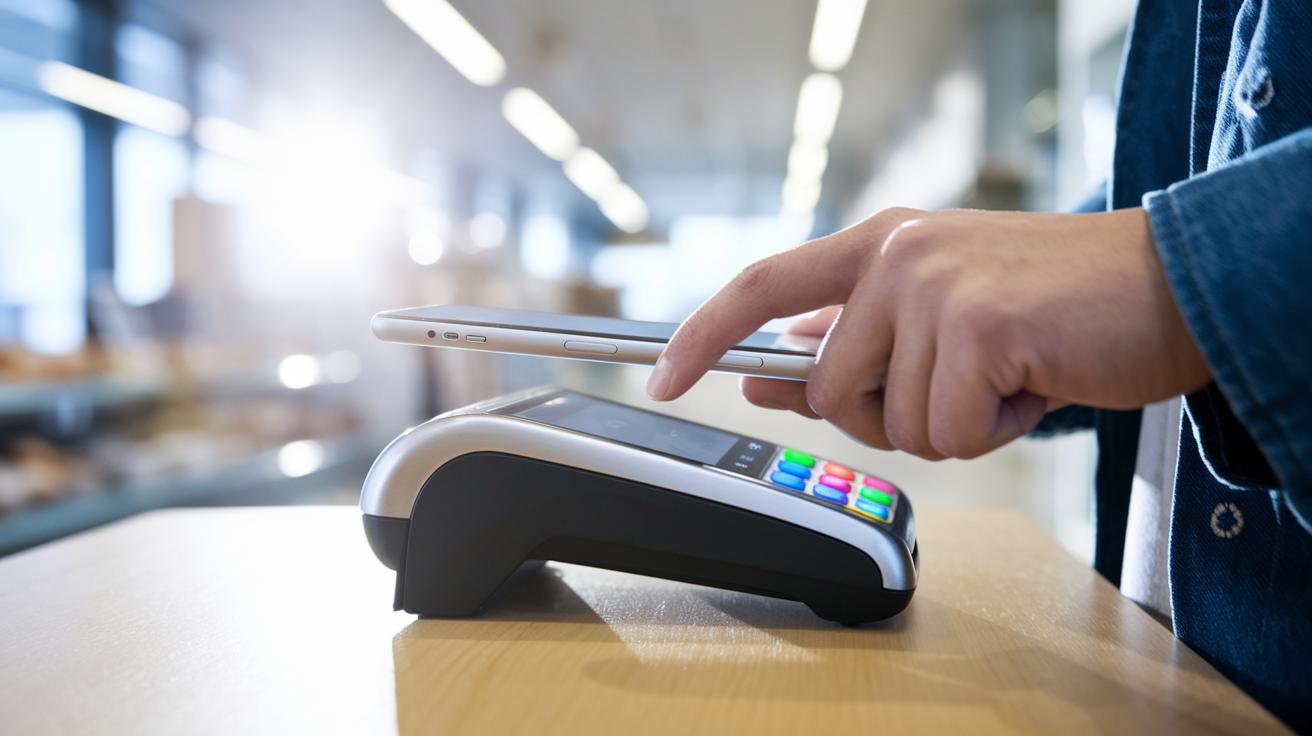
Contactless payment apps turn your smartphone or smartwatch into a digital wallet that talks directly to payment terminals using near-field communication, which is a way for devices to exchange data when they're really close together. It means you simply tap your device on a payment machine and pay instantly, without the hassle of inserting a card or searching for cash. Think about tapping your phone at a subway ticket machine and watching the payment go through in seconds, it’s quick and secure.
These apps are now part of everyday life. You'll find them accepted at local stores, coffee shops, and even used for subscription services. Most modern banks and NFC-enabled credit or debit cards work hand in hand with these systems. They use encryption and even your fingerprint or face for extra security. So whether you're paying for groceries, splitting a bill with friends, or setting up regular memberships, everything gets simpler with a quick tap.
- Apple Pay
- Google Pay
- Samsung Pay
- PayPal
- Zelle
- Venmo
- Square Wallet
- Cash App
- Xoom
- Circle Pay
Essential Features of Contactless Payment Apps

Contactless payment apps make paying for things a whole lot simpler. They let you handle one-off purchases or set up regular subscriptions with ease using a range of smart tools. Whether it's paying by invoice or splitting payments into instalments, these apps have you covered. You can even send money instantly from your bank or collect funds from over 30 countries.
They connect with more than 350 other apps, giving you smooth integrations through custom APIs and secure open banking flows. Security is a top priority too, with strong fraud protection and verified mandates to safely check who’s paying. Plus, features like using your fingerprint or face for login and token-based checks create a secure space for your digital wallet transactions.
| Feature | Description |
|---|---|
| NFC & MST support | Lets you tap-to-pay at both new and older payment terminals. |
| Biometric authentication | Verifies your identity using your fingerprint or face. |
| Payment tokenization | Replaces your card details with secure tokens. |
| Advanced fraud protection | Stops suspicious activities in real time. |
| Open banking integration | Connects you safely with a wide network of banks. |
| API & partner-app integrations | Seamlessly works with over 350 partner applications. |
Security and Compliance in Contactless Payment Apps
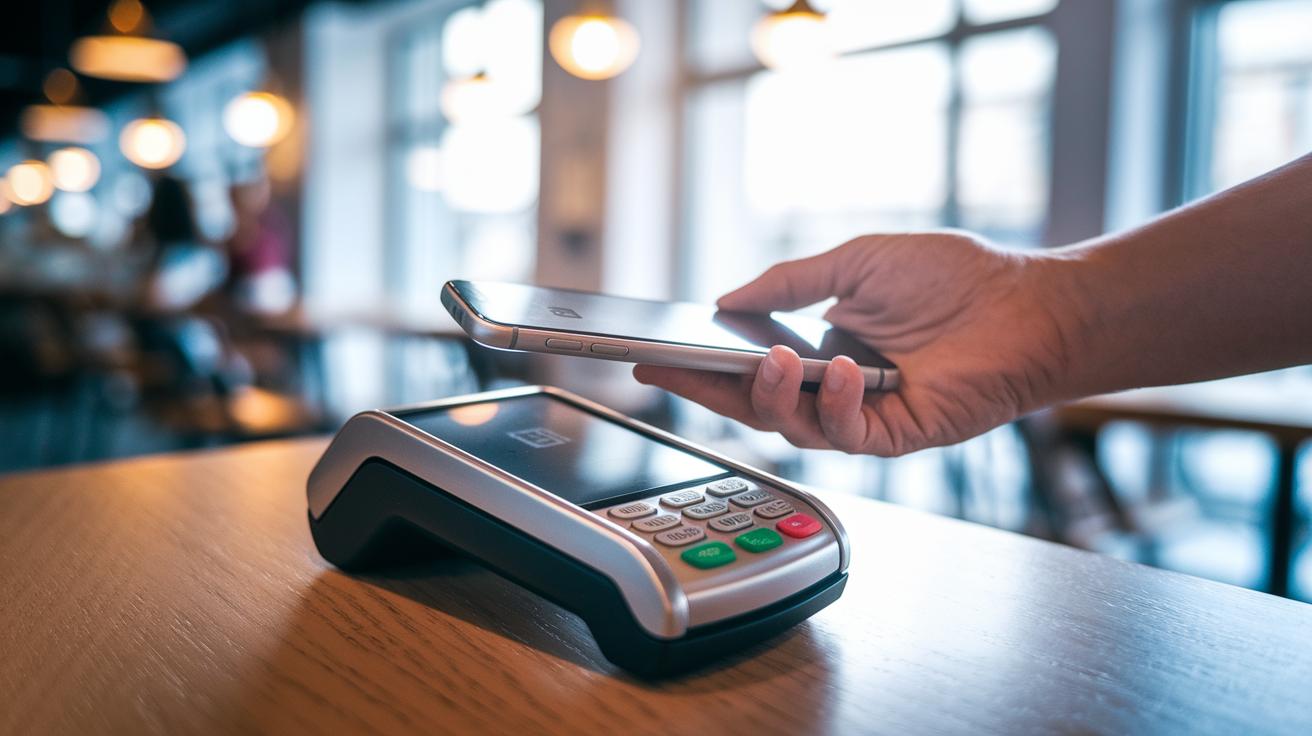
Mobile payment systems have a big job to do when it comes to keeping your sensitive data safe during transactions. With threats like data breaches and unauthorized transfers always looming, it’s vital to use clear and simple methods that verify who’s paying and secure information without any extra hassle.
Contactless apps lean on strong encryption (that’s a way to scramble your data so only the right people see it) and solid authentication checks to follow industry rules while protecting your privacy. This combined approach brings all the essential security tools together into one system that builds trust and keeps every transaction safe.
- Tokenization
- Biometric verification
- Two-factor authentication
- PCI-DSS compliance
- Real-time fraud monitoring
Device Compatibility and Integration of Contactless Payment Apps
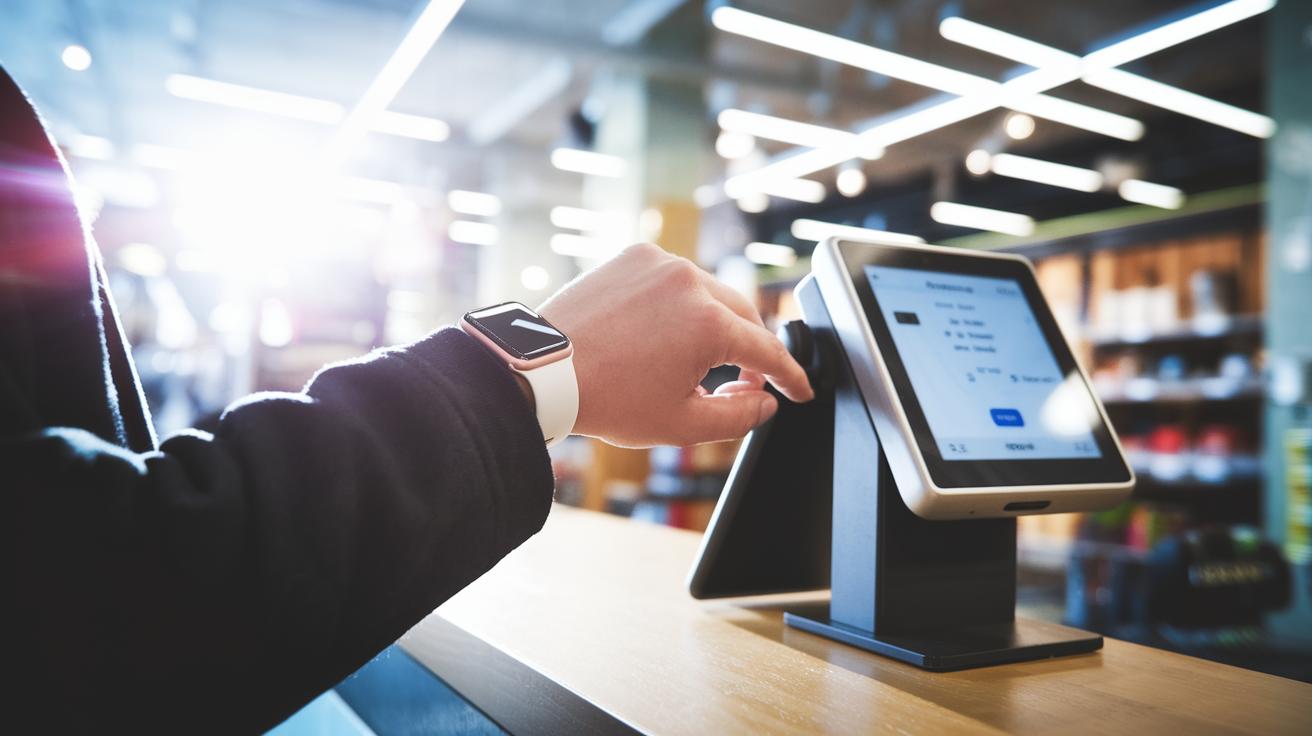
Modern smartphones and wearables now work so much better together, letting you use a wide range of safe payment options without clinging to outdated features. New chip designs and secure gadgets speed up biometric verification (like quickly checking your fingerprint or face), making each tap feel both simple and extra safe. Picture your smartwatch acting like a tiny safe on your wrist, compact, quick, and super secure. These improvements make it easy to slide from one device to another, perfect for anyone switching between their phone, tablet, or wearable all day.
Retail stores enjoy the perks too. Short-range radio systems build nearly instant connections with smart cash registers, which not only speeds up your checkout but also gives shop owners up-to-the-minute sales details.
Comparing Leading Contactless Payment Apps

Contactless payment apps have come a long way. They now offer cashless ways to pay that are both strong and easy to use. These apps work on many devices and use different methods to make payments. In our friendly review, we show you how each top app stands out. They let you link multiple cards, use secure NFC transfers (that means using a radio signal to communicate payments safely), and even work on older machines with special hybrid tech. This helps keep your everyday purchases quick and safe.
Apple Pay Overview
Apple Pay works great on iPhones and iPads. It lets you add many cards and even supports smooth transactions on Macs. Its clear, easy-to-use design makes tapping to pay a breeze. Users love that you can check your spending while staying right in the trusted Apple world. Imagine quickly adding your credit cards and paying for your morning coffee in just seconds!
Google Pay Overview
For Android fans, Google Pay is a strong choice. It offers solid NFC security (using radio waves to keep your data safe) and speedy bank transfers. Almost every major store accepts it, making it easy to cover bills and manage subscriptions. Its simple setup and secure money transfers give you peace of mind with every purchase. Think of it as a digital wallet that keeps pace with your busy life.
Samsung Pay Overview
Samsung Pay is unique because it uses both NFC and MST, which works with modern as well as older payment terminals. It also has a rewards program and flexible payment options. This mix of wide compatibility and focus on safety makes it a great pick if you want both versatility and extra perks. It’s like having a wallet that adapts perfectly to every checkout.
| App | Platform | Key Advantage | Unique Feature |
|---|---|---|---|
| Apple Pay | iOS | Allows multiple cards | Works on Macs |
| Google Pay | Android, iOS | Solid NFC security | Instant bank transfers |
| Samsung Pay | Android | NFC & MST combined | Works with older terminals & rewards program |
| PayPal | Android, iOS | Trusted eWallet | Quick mobile checkout |
| Venmo | Android, iOS | Social payment tools | Peer-to-peer transfers |
| Square Wallet | Android, iOS | Business NFC solutions | Merchant card options |
| Cash App | Android, iOS | Bitcoin & anonymous transfers | Secures e-wallet balance |
| Xoom | Android, iOS | Global remittance | Handles cross-border transfers |
| Circle Pay | Android, iOS | Peer-to-peer transfers | Simplifies digital payments |
User Reviews and Industry Trends for Contactless Payment Apps
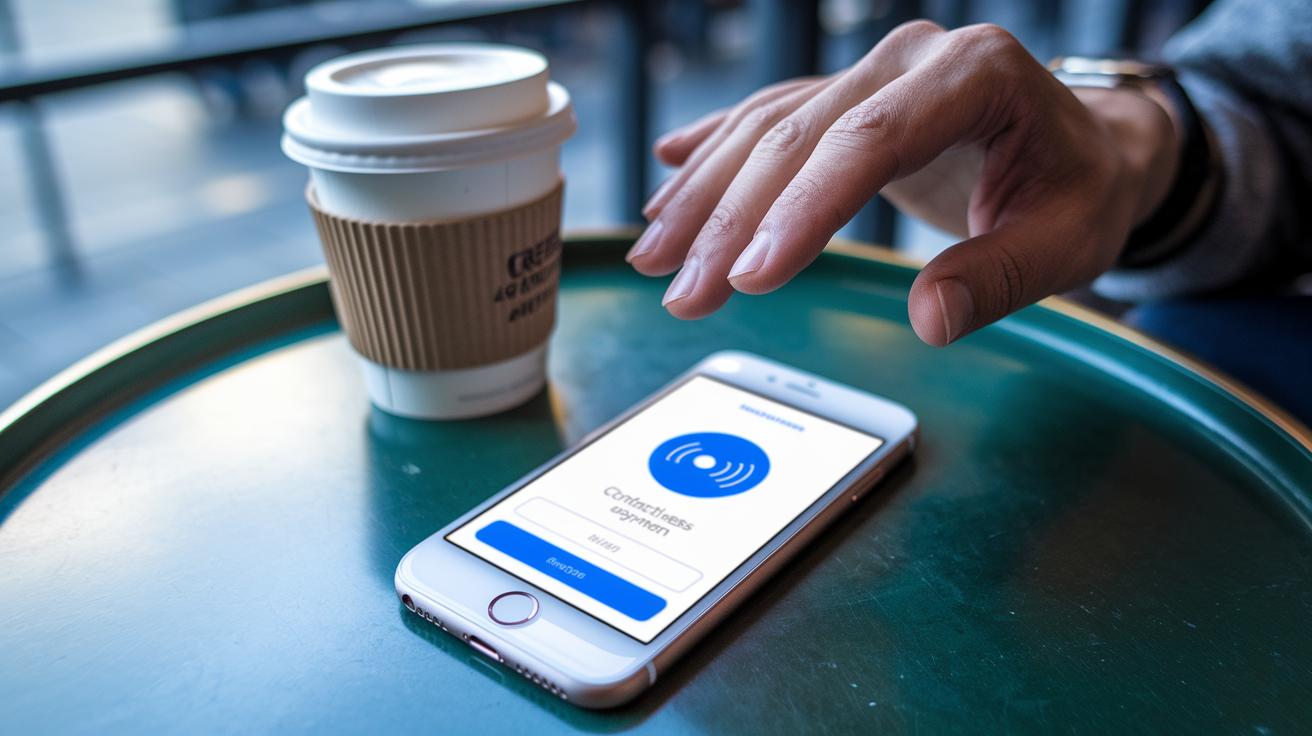
A lot of users really appreciate platforms that let them try contactless payments free for 90 days. They love that they can test out the system, enjoying its smooth, secure transactions, without feeling locked in from the start. It’s like being invited to dip your toes in before you dive in.
Businesses notice the benefits too. They tell us that features like open banking (which lets banks share data securely) and handy API integrations (tools that help software talk to each other) streamline their work. This means operations run smoothly and they see real-time updates, kind of like watching a well-oiled machine at work.
Everyday spending habits are shifting as well. People are turning to NFC payments (using your phone for a quick tap-to-pay) for everything from buying a cup of coffee to setting up automatic subscriptions. Isn’t it interesting how something so simple can make your day a bit easier?
Industry experts, speaking as recently as early 2025, have noted a steady move toward subscription and invoice payment models. Merchants and consumers alike are loving the ease of integrated payment systems. This widespread acceptance is pushing digital wallets to new heights and encouraging smarter payment habits around the globe.
| Trend | Real-World Example |
|---|---|
| Growth of cross-border NFC payments | Seamless international transactions with a tap |
| Increased biometric authentication | Using a fingerprint or face scan for extra security |
| Rise of subscription/invoice features | Regular, automated payments for subscriptions and bills |
| Expansion of API-based integrations for merchants | Connecting different business systems for smoother operations |
contactless payment apps: Sleek, Secure Choices

This FAQ gives you quick answers about contactless payment apps. It skips over details found in our Essential Features section, focusing instead on everyday user questions.
-
Q1: What are contactless payment apps?
A: They’re mobile apps that let you pay by simply tapping your phone using technologies like NFC (near field communication, which allows data to pass through a short range wirelessly) or MST (magnetic secure transmission, which sends encrypted signals). Think of it like paying for your morning coffee with one smooth tap of your device. -
Q2: How secure are these apps?
A: They come with several layers of protection to keep your information safe. Imagine a trusted bodyguard working quietly in the background every time you make a payment. -
Q3: Do they support all credit and debit cards?
A: Mostly, yes. Most modern credit or debit cards are accepted. It’s like having your favorite card ready to work perfectly at a variety of shops. -
Q4: How do NFC payments differ from QR-code payments?
A: With NFC payments, you simply tap your device, almost like a quick handshake. On the other hand, QR-code payments mean you need to line up your phone’s camera with the code shown on screen. It’s a bit like choosing between a quick hug and a careful photo-op! -
Q5: Can I use Samsung Pay internationally?
A: Yes, you can, as long as the payment terminal accepts NFC or MST. Picture it as enjoying the same convenience abroad as you do at home.
Final Words
In the action, we broke down how contactless payment apps work, their key features, and how they meet today's market demands. The post covered a range of topics, from NFC transactions and mobile wallet technology to device compatibility and user trends.
We wrapped up with comparisons, reviews, and answers to common questions. This straightforward look at contactless payment apps helps you feel more confident when tackling modern financial tools and trends. Stay curious and keep exploring new ways to simplify your transactions!
FAQ
What exactly are contactless payment apps?
The contactless payment apps are mobile applications that use tap-to-pay technology, like NFC, to allow you to make quick purchases without physical contact. They work with a variety of bank cards and digital wallets.
Which contactless payment apps work on Android and iPhone, and are there free options?
The available apps span across both Android and iPhone, with many free versions. These include popular digital wallets and other payment platforms compatible with a range of devices.
How secure are NFC payment apps?
The NFC payment apps are very secure, using encryption, tokenization, and often biometric methods to protect your transactions from unauthorized access while ensuring a smooth tap-to-pay experience.
What are some of the best contactless payment apps available today?
Top-rated options include Google Pay, Apple Pay, and Samsung Pay, among others. These apps feature fast, secure transactions with NFC capability and cater to a variety of user needs.
Is there an app that enables merchants to take contactless payments?
Yes, many apps like Square Wallet and Cash App empower merchants to accept tap-to-pay transactions seamlessly, merging modern NFC technology with user-friendly interfaces for everyday business operations.


