
Ever feel like your altcoin moves might be putting your portfolio at risk? In today's fast-paced market, where numbers can flip as quickly as a light switch, it’s crucial to manage your coins smartly.
This article offers five easy strategies to help you balance your investments. It shows you how to mix basic market checks with a thoughtful way to split between more stable coins and the riskier ones. Think of it as assembling a reliable toolkit that gives you clear insights and steady growth.
These tips are designed to keep your altcoin plan balanced while you navigate the unpredictable twists and turns of the market.
Comprehensive Altcoin Portfolio Analysis Strategies Overview
Managing your altcoin portfolio means keeping a close eye on your digital coin collection. It’s not just about watching the numbers; it’s about truly understanding each coin. Many investors use a smart method where 80% of their funds go to well-known coins and 20% to riskier ones that could really pay off. Since altcoins can jump up or drop quickly, many set up automatic adjustments whenever their mix changes by 10%.
It’s also important to keep an eye on how the market feels. Instead of simply choosing coins, you blend different ways of watching your digital assets into one plan. Tools like CoinStats and Delta give you real-time updates, set off alerts when needed, and even help with automated orders. This kind of careful monitoring helps keep your plan solid. Even in tough times, having a few stablecoins like USDT, USDC, or DAI can help keep things balanced.
Key steps to a smart analysis include:
- Studying market trends
- Checking both basic and technical aspects of coins
- Using plans to manage risk
- Spreading out investments wisely
- Keeping a close, ongoing watch and rebalancing regularly
Mixing these simple steps creates a strategy that’s both flexible and disciplined. You get clear insights into trends, a careful look at each coin, and a way to adjust along the way to protect your investments while chasing growth. Ever notice how market changes can sometimes feel like the shifting seasons? By combining everyday analytics with smart tools and a balanced approach, you build a plan that can handle the wild ride of the altcoin world while aiming for steady gains.
Altcoin Market Trends & Cycle Evaluation Strategies

When you're checking out altcoin market trends, it's smart to start by sorting out macro cycles from micro cycles. Macro cycles are the big, long-term moves in the market, like when bear markets wipe out 25–40% of value in major coins such as Bitcoin and Ethereum. On the other hand, micro cycles cover the short bursts of price changes and ups and downs. Knowing the difference can really help you decide the best times to get in and get out of trades.
Then, take a look at some key numbers that show how the market feels. Trading volume tells you how busy buying and selling is. On-chain liquidity ratios explain how quickly coins can be traded, and GitHub commits give you a peek into ongoing development work. Plus, social engagement, which is just a fancy way of saying how much people are talking about a coin, can really set the tone. These tools work together to give a much clearer picture of what’s really going on.
Lastly, watch for seasonal shifts and events that can stir up volatility. For instance, an ETF approval or changes in big investors' holdings can boost trading and ramp up buzz in the community. When you see signs like more liquidity and active development during certain times, it might be a good idea to tweak your trading positions.
Altcoin Coin Selection Governance & Fundamental Analysis Strategies
When picking altcoins, it all comes down to digging into what makes each project tick. You want to steer clear of any red flags that could lead to heavy losses, think back to the SQUID token hack or the troubles at Mt. Gox and Poly Network, and focus on projects that show promise. Whether you’re looking at DeFi protocols, NFT platforms, utility tokens, infrastructure chains, or even meme coins, always check out the team’s experience, smart-contract audits (basically, thorough code reviews to catch errors early), and how decisions are made within the project.
Tokenomics Analysis
Start by taking a good look at a coin’s tokenomics. This means checking its total supply, how the tokens are distributed, and the inflation rate, that’s how fast new coins are minted. Also, look at staking yields and reward rules, which explain how holders get paid and how the coin stays scarce. For instance, a coin that limits how many tokens are issued each year, kind of like a smart, careful economy, can often be more reliable over time.
Development & Community Metrics
Next, pay attention to the people behind the project and the energy around it. Check out metrics like GitHub commits (which show how often the code is being updated), developer contributions, and social media chatter. If the developers are constantly working on it and the community is buzzing, it’s a good sign that the project has real support and could keep improving over time.
Security & Governance Assessment
It's super important to look into how secure a project is. Read through audit reports (comprehensive reviews that spot security issues), see how governance tokens work (which let holders have a say in decisions), and check if there are multi-signature controls (where more than one person must approve important actions). These features show that the project takes safety seriously and can handle issues if they come up.
Putting all these pieces together into a simple scorecard helps you compare projects side by side. By balancing tokenomics, the buzz around development, and solid security measures, you end up with a clear picture that can guide you in making smarter choices in a fast-changing market.
Quantitative Metrics & Technical Indicators for Altcoin Analysis
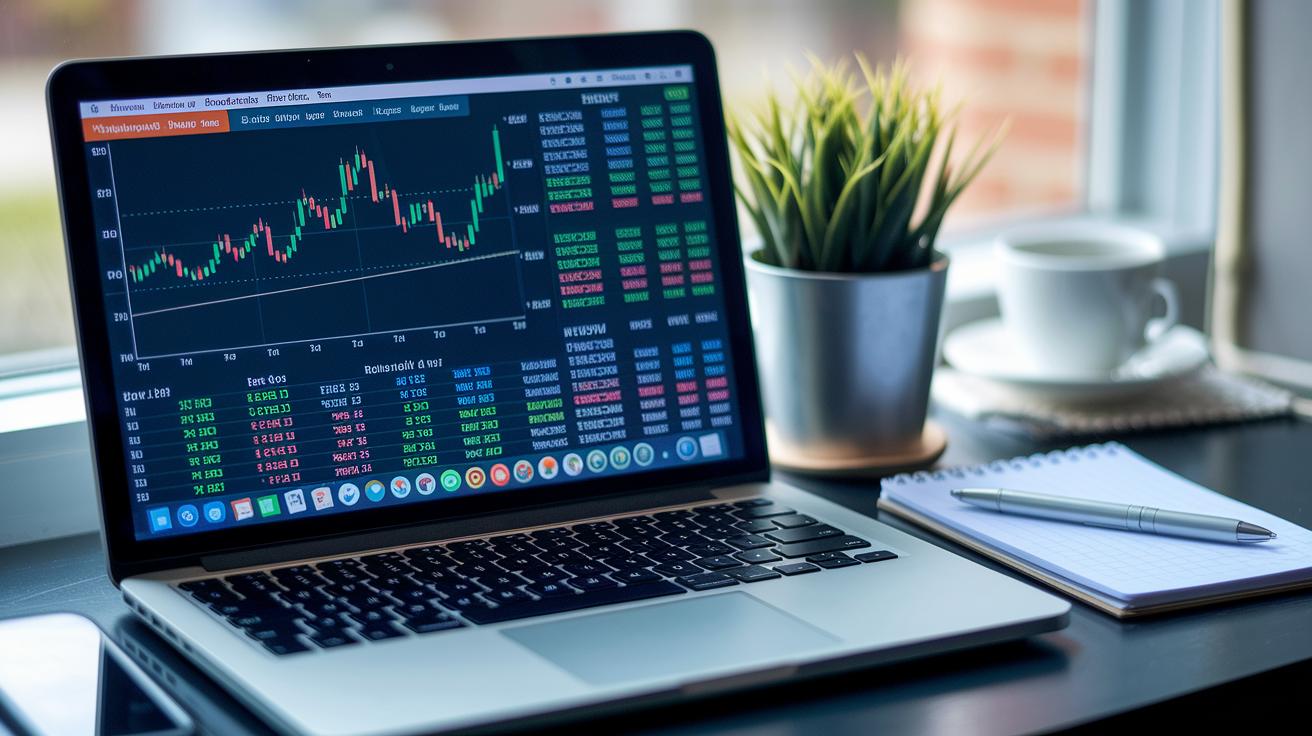
When you're diving into altcoin analysis, the first thing to check out is the trend. Tools like simple moving averages and exponential moving averages help smooth out the random price bumps so you can see where the price is headed. MACD crossovers, which point out shifts in momentum (essentially how fast the price is moving up or down), deepen that picture, making it easier to decide when to jump in or get out.
Then, there are momentum gauges like the relative strength index (a quick way to spot if an asset might be too expensive or too cheap) and stochastic oscillators. These, along with volatility tools such as Bollinger Bands, which show you how wide the price swings are, and the average true range that hints at potential price jumps, turn raw data into clear, actionable insights.
Key performance metrics add another layer of understanding. Investors keep an eye on return on investment percentages, daily volume changes, and bid-ask spreads to figure out market liquidity and overall sentiment. By looking at liquidity depths and running statistical checks, it’s like having a financial thermometer that tells you the health of the asset’s market activity.
Finally, when all these indicators are brought together on one dashboard, you get a complete and dynamic view of your altcoin holdings. These dashboards can alert you when moving averages hit key levels or when momentum shifts, thanks to crypto technical analysis platforms that let you customize displays. With this approach, you're making decisions based on clear numbers and data rather than guessing, which is vital in a fast-paced market.
Altcoin Risk Management & Diversification Strategies
When it comes to managing risk in your altcoin portfolio, it all starts with a smart mix of core and satellite picks. If you’re playing it safe, you might set aside 80% in large, trusted coins, use 15% in stablecoins for quick access to cash, and keep 5% for carefully chosen altcoins. But if you’re up for a bit more excitement, you could try a mix like 35% in well-known coins, 40% in mid- or small-cap altcoins, 15% in targeted projects such as DeFi or NFTs, and 10% in stablecoins. This strategy builds a solid foundation while letting you tap into higher-growth opportunities that might have larger swings.
Smart risk controls are the next step. Think about using stop-loss orders to help cut any sudden losses when the market dips. Plus, if your asset mix shifts by around 10%, it might be a good time to rebalance. These simple steps help stop you from letting emotions drive your decisions and keep your portfolio’s mix close to your original plan. For example, if one asset suddenly skyrockets or falls, an automatic rebalance can help restore your desired risk level.
It’s also key to keep your portfolio focused so you don’t get overwhelmed. Having too many different coins can spread your attention too thin and weaken your conviction in each investment. Instead, choose just enough assets to spread out the risk while keeping your research manageable. When every coin has a clear role, you can stay disciplined in weighing both the risks and rewards.
Rebalancing Techniques & Optimization Tools for Altcoin Portfolios
One smart approach is using fixed-schedule rebalances, like adjusting your holdings every week or month. This keeps you on track with your blockchain allocation plan because you stick to a set timeline. On the other hand, threshold-based triggers activate once your portfolio drifts by about 10%. So if one coin grows or shrinks more than expected, an automatic rebalance brings you back to your target mix. It’s a practical way to keep your strategy disciplined, especially when you see a coin moving far beyond its desired range.
Top portfolio monitoring tools and analysis software now offer features like automated rebalancing and customizable alerts. Apps such as CoinStats and Delta take the guesswork out of maintaining balance by removing emotional decisions from the equation. They walk you through simple setup steps, helping you quickly adjust your real-time holdings to match your goals. This makes your altcoin portfolio both flexible and strong, so you can feel confident in your strategy.
Final Words
In the action, we walked through how altcoin portfolio analysis strategies can simplify complex market insights. We covered core pillars like market trend analysis, coin evaluation, technical indicators, risk management, and rebalancing techniques that keep your portfolio aligned.
This review brings clarity to modern crypto strategies by breaking down detailed steps into everyday actions. With a focused approach on altcoin portfolio analysis strategies, you can confidently manage your investments and adapt to rapid market changes, all while staying informed and ready for what lies ahead.
FAQ
Altcoin portfolio analysis strategies pdf
The altcoin portfolio analysis strategies pdf offers a concise guide, detailing core tactics like market trend tracking, risk management, and rebalancing methods to support a systematic review of altcoin investments.
What are examples of diversified crypto portfolios?
A diversified crypto portfolio example typically blends blue-chip coins, stablecoins, and selected altcoins. This mix uses frameworks like core-satellite allocation to balance stability and growth while managing risk effectively.
What is the best crypto portfolio allocation?
The best crypto portfolio allocation often balances a strong foundation of blue-chip coins with a measured portion of altcoins. This approach helps to stabilize overall performance while capturing growth opportunities.
What does a crypto portfolio allocation calculator do?
A crypto portfolio allocation calculator quickly computes ideal percentages based on risk profiles and investment goals. It streamlines planning by recommending adjustments to maintain a measured and balanced investment mix.
How can I learn from crypto allocation portfolio reddit discussions?
Crypto allocation portfolio reddit threads share community insights and real-life experiences. They can offer examples, strategies, and tips that complement formal analysis by providing diverse perspectives from active investors.
How do you diversify a crypto portfolio?
To diversify a crypto portfolio, spread investments across various asset types like blue-chip coins, altcoins, and stablecoins. This method reduces exposure to volatility and aims to balance risk with potential rewards.
What is a crypto portfolio?
A crypto portfolio is a collection of digital assets, including coins and tokens, managed together. It serves as a tool for tracking performance, evaluating risk, and implementing strategic investment decisions.


