Have you ever thought your computer could do more than just show images and type letters? Bitcoin mining lets your everyday device work like a little puzzle solver that checks transactions across the globe. It’s a bit like watching chefs in a cooking contest, each trying to perfect their dish, but here your computer races to secure digital payments.
In this guide, we’ll take you step by step through the basics of bitcoin mining, even if you’re totally new to the idea. We’ll show you how simple it can be to join in and help keep the bitcoin network safe and decentralized. Ready to explore how your computer can become a digital hero? Let’s dive in!
Getting Started with Bitcoin Mining
Bitcoin mining uses your computer’s power to check transactions and add new blocks to the blockchain. In plain language, mining means using your device to crack a tricky math puzzle. The first miner to solve the puzzle wins a reward and gets to add a new block to the Bitcoin network. Imagine one device crunching tough calculations as part of a team that keeps the global Bitcoin system secure.
Mining is crucial because it makes sure transactions are safe and builds trust within the network. It keeps Bitcoin decentralized, meaning no single party holds all the control. Every miner races to solve a hash puzzle (a hash is a mix of numbers and letters that keeps data secure), while the computer keeps changing the target for what counts as a winning answer. This target adjusts roughly every two weeks so that a new block is added about every 10 minutes.
Here’s a closer look at how mining works:
Keep in mind, Bitcoin will always have a fixed supply of 21 million coins, and nearly 19 million coins have already been mined. This makes the remaining coins more and more scarce, much like a rare collectible. Every block not only secures transactions but also adds new coins to the system, all while keeping the process transparent and fair.
At its heart, Bitcoin mining powers the proof-of-work system that verifies every transaction and ensures new coins are distributed in a fair way. This easy-to-follow guide gives you the basics, setting you up to learn more about mining hardware and advanced strategies down the road.
Bitcoin Mining Hardware Essentials
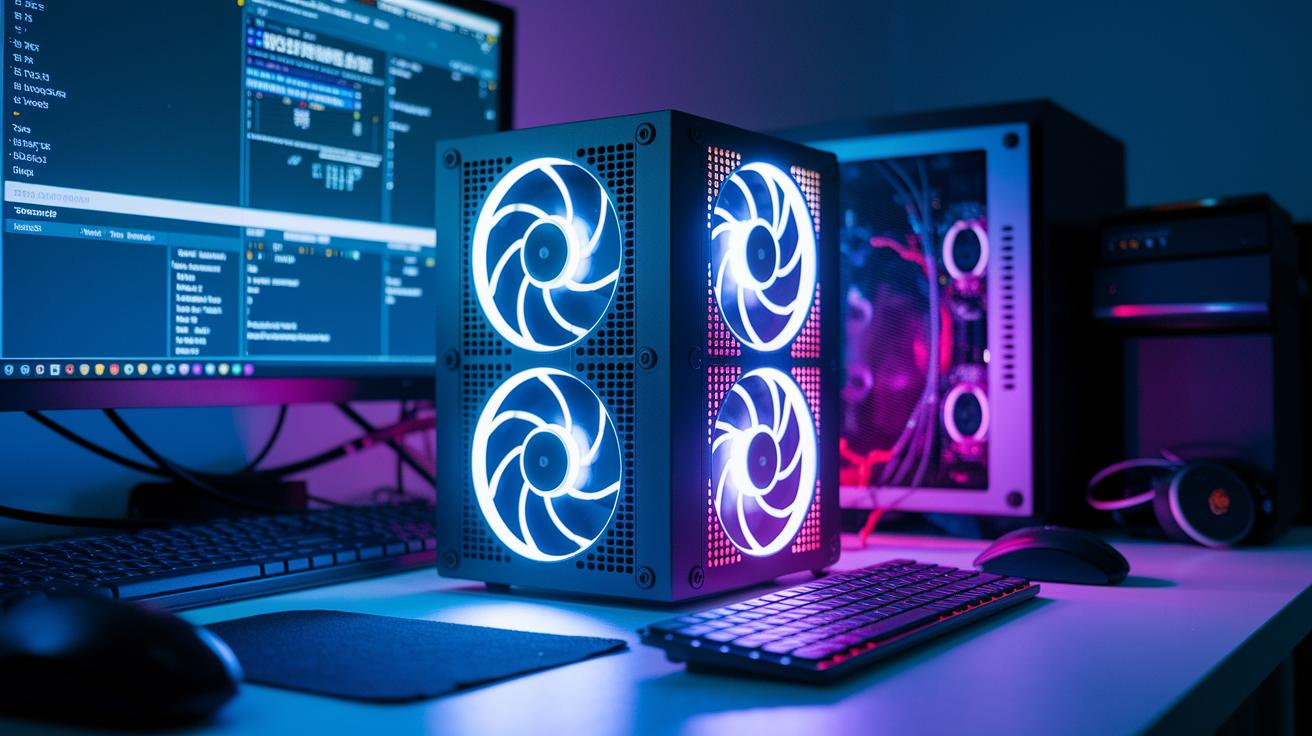
Mining hardware has changed a lot over time. In the beginning, people used CPUs to solve puzzles for bitcoin, but they soon fell behind. GPUs then took over, followed by FPGAs, and now ASIC miners lead the way. If you're just starting out, it helps to know that building your mining setup is like putting together a basic toolkit before upgrading to professional gear as you learn more.
ASIC miners are the powerhouses of today's mining scene. They can crunch up to 100 trillion calculations every second, using roughly 30 units of energy per terahash. They typically pull between 1,200 and 3,000 watts. Even though they cost more, around $2,000 to $10,000, their speed can seriously boost your mining rewards.
GPUs, on the other hand, offer a friendlier price point. They usually manage between 20 and 100 million calculations per second and use about 200 to 300 watts. With costs ranging from $300 to $1,000, GPUs balance cost with performance and are a great way to dip your toe into mining even though they aren't as efficient as ASICs for Bitcoin mining. CPUs, which once ruled the scene, now provide very low hash rates and waste energy, so they're not the best choice these days.
Choosing the right hardware means matching it to your available power, cooling, and budget. Experimenting with different setups can really help you understand how to get the most out of your mining operation. Here’s a quick side-by-side look at the options:
| Hardware Type | Hash Rate | Power Consumption | Approx. Cost | Efficiency |
|---|---|---|---|---|
| ASIC | Up to 100 TH/s | 1,200–3,000 W | $2,000–$10,000 | ~30 J/TH |
| GPU | 20–100 MH/s | 200–300 W | $300–$1,000 | Varies |
| CPU | Minimal | Low | Low | Not optimal |
Picking the right equipment is your first step toward successful cryptocurrency mining, and as you experiment, you'll understand more about what fits your goals best.
Bitcoin Mining Software and Wallet Setup
Picking the perfect mining software can really set you up for an effortless mining journey. Some miners lean towards CGMiner, which is open-source and works great with ASIC devices, while others prefer BFGMiner for its flexible design that supports both GPUs and ASICs. Beginners might enjoy EasyMiner, thanks to its simple interface that takes the stress out of mining. And if you're curious about trading your hash power instead of handling hardware yourself, NiceHash connects you directly with buyers in a straightforward marketplace setting. For instance, EasyMiner makes it so simple that even a newbie can get started without feeling overwhelmed.
Once you've got your software in place, the next step is to secure a Bitcoin wallet for your rewards. You can choose from trusted hardware wallets like Ledger or Trezor, or opt for popular software wallets such as Electrum. For extra security, some folks pick full-node wallets like Bitcoin Core since they sync completely with the Bitcoin network. And remember, jot down your seed phrases and store them safely, just like you’d keep your house keys secure.
Here are a few best practices to keep your wallet secure:
- Back up your seed phrases offline.
- Enable two-factor authentication.
- Store private keys on devices that aren’t connected to the Internet.
After setting up your mining app and wallet, take a moment to double-check all your security settings. These careful steps make sure that the rewards you work hard for stay safe, letting you expand your mining operations with confidence.
Bitcoin Mining: Pool Mining vs Solo Mining
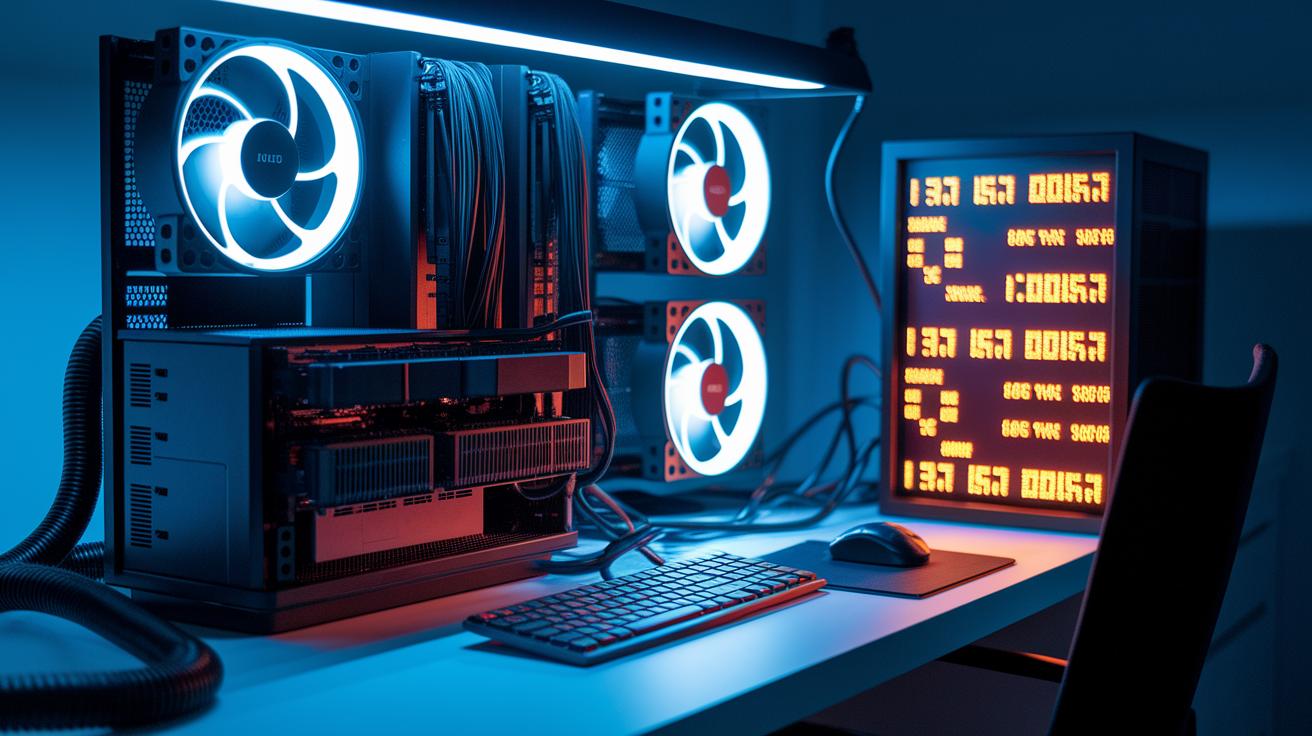
Solo mining means you run your own full node, handling all the tough math on your own. When you succeed, you pocket the entire block reward, but the win can feel as rare as a hidden treasure. It can take quite a while, which is why solo mining usually fits best with larger setups that can ride out the long wait.
Pool mining, on the other hand, is like teaming up with friends. Everyone works together to solve blocks, and you share the reward in proportion to the work you put in. This method helps cut down the wait time, giving you smaller, but more frequent, payouts. Just remember, these pools usually take a fee (about 1% to 3%) and have a minimum payout limit to keep things running smoothly.
| Aspect | Solo Mining | Pool Mining |
|---|---|---|
| Setup | You manage your own full node | You join a group of miners |
| Rewards | You get the full reward when you win | You earn a share based on your
Bitcoin Mining Cost and Profitability EstimatesBitcoin mining costs can add up fast, so it's important to know what you're spending to see if mining will pay off. The main costs are electricity, hardware losing value over time, fees you pay when you join mining pools, and expenses for keeping your equipment cool and maintained. For example, a miner might use between 1,200 and 3,000 watts, and with electricity costing about 5 to 15 cents per kilowatt-hour, keeping an eye on energy use is key to planning your returns. When it comes to the gear, depreciation – which means your equipment loses value – is a big factor. Most mining setups see their value drop in one to two years when newer, better-performing machines come out. Plus, pool fees, which usually take around 1% to 3% of your earnings, can chip away at your profits. And don’t forget the extra costs of cooling and maintenance, which are important to include in your overall cost picture. To figure out if your mining operation is profitable, there's a simple formula: Profit equals your hash rate (a measure of your mining speed) times the block reward (the Bitcoin you earn per block) times the current Bitcoin price, divided by the network difficulty (how hard it is to mine Bitcoin), minus electricity costs, pool fees, and hardware depreciation. For instance, consider this surprising example: a 50 TH/s rig running on electricity priced at 5 cents per kilowatt-hour for 30 days might mine about 0.1 Bitcoin. However, it could cost roughly $150 in power alone. Seeing where each dollar goes helps beginners get a clearer picture of the costs involved. Breaking your expenses into these categories lets you get a realistic view of your break-even point. By comparing your expected income to these ongoing costs, you can predict your return on investment with more confidence and make smarter choices about your next moves in the mining game. Bitcoin Mining for Beginners: Easy First Steps
First, unbox your ASIC rig and carefully put it together. It’s like piecing together a puzzle, where every connection counts. Make sure each power supply link is secure before you move on. Next, install mining software like CGMiner. Open the configuration file and plug in your pool address, port, and worker credentials. It’s comparable to jotting down a simple note that connects your miner to the network. Then, fine-tune your miner’s settings by adjusting the clock frequency, setting the right voltage, and tweaking fan speeds. Think of it as tuning an instrument before a performance, set it up just right so it runs smoothly without overheating. After that, add your Bitcoin wallet address to the configuration. This step is like writing your home address on a package, ensuring that any rewards come straight to you. Now, link up with a mining pool by entering the pool’s URL and port in your software settings. Joining a pool is like teaming up with friends; everyone works together and shares the rewards. Once you’re set, launch your mining software and monitor key stats such as hash rate, temperature, and accepted shares. It’s much like checking your car’s dashboard on a long drive to make sure everything is running perfectly. Lastly, keep your firmware and software updated regularly. Staying current helps handle any glitches and keeps your mining experience both safe and profitable. Bitcoin Mining Challenges and Troubleshooting TipsGetting started with Bitcoin mining can be a bit of a roller coaster ride. Sometimes you face network hiccups that cut off your mining software from the pool, and those delays can cause stale shares (basically, data that arrived too late). Outdated drivers might crash your software suddenly, while poor cooling can force your equipment to slow down because of overheating. And yes, even firmware glitches can throw a wrench in your mining routine. First things first, check that your internet connection is strong and stable. It’s amazing how a solid connection can make all the difference. Look over your router and firewall settings to make sure they’re tuned for mining tasks. Updating your GPU and ASIC drivers (the chips powering your mining) can often smooth out unexpected crashes. If your equipment overheats, try boosting the airflow around it or even lowering the clock speeds to keep things cool. And don’t forget, regularly updating your mining software and firmware patches helps keep security issues at bay. Here’s a quick checklist to keep your mining rig running smoothly:
Sticking to these steps can clear up common troubles and help your mining setup perform consistently, almost like having a friendly chat with your hardware. Bitcoin Mining Energy and Sustainability Best Practices
Bitcoin mining uses about 0.5% of the world's electricity, so saving energy is a big deal for many miners. One smart idea is to switch to renewable power sources like solar or hydroelectric power. Not only does this lower operating costs, but it also reduces carbon emissions. Imagine running your mining rig on sunlight instead of the regular grid, it can really cut your energy bills. Miners are also finding energy savings with improved cooling systems. Techniques such as immersion cooling or heat recovery work a bit like a fan on a hot day, keeping your equipment cool without wasting extra power. These methods help lower the extra energy needed just to maintain safe temperatures. Some miners even take part in carbon-offset programs to balance out their overall energy use. Plus, green mining hubs are becoming a trend in some regions, where local policies reward sustainable practices. If you’re curious about renewable energy trends in mining, you might want to check out Future of Energy Production. By choosing eco-friendly methods, miners can cut costs and help create a greener, more sustainable future for bitcoin mining. Final WordsIn the action, we covered the nuts and bolts of bitcoin mining for beginners. We broke down the basics of mining, looked at hardware choices, and walked through software, wallet setup, and pool versus solo options. We also touched on cost analysis, step-by-step setup, troubleshooting, and sustainable practices. Each section aimed to guide you with clear steps and friendly insights, making advanced topics feel available. Keep your enthusiasm high as you explore and learn, you’ve got a solid start on this exciting adventure. FAQWhat is Bitcoin mining for beginners software?Bitcoin mining for beginners software means programs designed to simplify mining operations. These tools guide you through setup, hardware connection, and monitoring, making your entry into mining more accessible. What is Bitcoin mining software?Bitcoin mining software connects your mining hardware to the Bitcoin network to verify transactions and solve hash puzzles. Popular tools include CGMiner, BFGMiner, and EasyMiner. What is the best Bitcoin mining for beginners?The best Bitcoin mining for beginners involves choosing user-friendly platforms and hardware that fit your budget while offering decent performance and easy setup, helping you start mining with confidence. What is a Bitcoin mining app?A Bitcoin mining app provides a mobile-friendly way to monitor or manage your mining activity. It often links to mining platforms, letting you check performance and join mining pools on the go. What is a Bitcoin mining machine?A Bitcoin mining machine refers to hardware designed for mining, such as ASIC devices, which deliver high efficiency and powerful hash rates compared to older GPU or CPU setups. How does mining Bitcoin on a PC work?Mining Bitcoin on a PC means installing mining software that uses your computer’s CPU or GPU to process transactions. It’s feasible but less efficient compared to using dedicated mining hardware. What do I need to mine Bitcoin at home?To mine Bitcoin at home, you need a mining rig or ASIC device, reliable power and internet, mining software, and a secure Bitcoin wallet so you can receive your mining rewards safely. Is Bitcoin mining legal?Bitcoin mining is legal in many areas, though regulations differ by region. It’s wise to review local laws and guidelines to ensure your mining activities comply with all legal requirements. How long does it take to mine 1 Bitcoin?How long it takes to mine 1 Bitcoin depends on your hardware’s hash rate and the network’s difficulty. For most beginners, reaching a full Bitcoin can take a long time due to increasing competition. How do I start Bitcoin mining for beginners?Starting Bitcoin mining for beginners involves choosing affordable hardware, installing easy-to-use software, setting up a Bitcoin wallet, and joining a mining pool to share resources and reduce risk. Can I mine Bitcoin for free?Mining Bitcoin for free isn’t practical because of electricity, hardware, and maintenance costs. While some trial options exist, sustainable free mining remains largely out of reach. Is Bitcoin mining profitable for beginners?Bitcoin mining profitability for beginners varies. Profitability depends on factors such as initial investment, electricity costs, and hardware efficiency, meaning results can differ based on market conditions.  |