
Have you ever wondered if joining a bitcoin mining pool is a clever move or just another risky bet? When miners team up like a group of friends working on a project, they tend to get more regular rewards than if they were mining alone.
In this post, we compare the top bitcoin mining pools by looking at their speed, fees, security, and how they pay out. We break down the numbers and share what makes each pool unique, so you can see which ones really stand out in a market where every detail matters.
Staying ahead in bitcoin mining can feel a bit like gardening, you need the right tools and teamwork to help your rewards grow. Read on to find out how working together might just change your rewards strategy.
Comprehensive Bitcoin Mining Pool Comparison: Performance, Fees, Security & Payouts
Bitcoin mining pools let you join forces with other miners to boost your chances of earning rewards. Think of it like a group of farmers pooling their resources to get a steady harvest instead of relying on one unpredictable crop. By teaming up, hobbyists and small operators get rewards that match their share of work, making the rewards more regular than mining alone.
The pool’s strength is measured by its hash rate, which tells you how many calculations it can do each second to find new blocks, and by how fast it finds these blocks. In simple terms, hash rate is the pool’s speed and power. Operators run full Bitcoin nodes (servers that check and confirm transactions) and handle all the payouts automatically. With Bitcoin’s network reaching nearly 992.2999 exahashes per second on February 2, 2025 – and even moving toward one zetta-hash per second later that month – it’s clear that a smooth-running pool can make a big difference.
Fees are also a big part of the picture. Most pools charge a fee of 1% to 3% of the rewards, which covers necessary costs without eating up too much of what you earn. And with ASIC miners (special machines built for mining) now costing around $16 per terahash, it’s easier for more people to join pools that offer fair fees and competitive features.
Security matters just as much as performance. Running full nodes improves security by checking every transaction, but if too many miners join one large pool, it can lead to centralization risks. To counter these, pools use standard protection tools like SSL encryption (which keeps your data safe online) and multi-sig wallets (wallets that require more than one approval for transactions). This mix helps ensure that your digital rewards stay secure while keeping the network healthy.
Altogether, weighing performance, fees, security, and payout methods gives miners a straightforward blueprint. It’s all about finding the right balance to build a sustainable operation in today’s competitive market.
Bitcoin Mining Pool Performance Benchmark: Hash Rate & Block Discovery

Let’s take a closer look at how top Bitcoin mining pools are performing. The table below shows each pool’s share of the network’s hash rate (this is the speed at which mining machines work), the rough number of blocks they've mined, and the year they started. It’s a quick way to see who’s leading the pack.
| Pool | Hash Rate Share (%) | Blocks Mined (approx.) | Founded Year |
|---|---|---|---|
| F2Pool | 20 | 240,000 | 2013 |
| Braiins Pool | 13 | 220,000 | 2010 |
| Foundry USA Pool | 12 | 180,000 | 2020 |
| Antpool | 18 | 230,000 | 2014 |
| ViaBTC | 11 | 160,000 | 2016 |
These numbers give a friendly snapshot of each pool’s activity in the digital mining world. For instance, F2Pool and Antpool not only have impressive hash rate shares but also show strong performance, thanks to their established presence. Meanwhile, Braiins Pool has been steadily mining blocks since 2010, proving its durability over time. And then there’s Foundry USA Pool, which has made a fast impression since its start in 2020, with ViaBTC keeping a reliable pace.
It’s like comparing different teams in a race, each one has its own strengths that could align with your mining goals. So, if you’re exploring where to invest your mining power, these insights can help you pick a pool that fits your style and strategy.
bitcoin mining pool comparison: Top Pools Shine
Mining pool fees matter a lot when it comes to your total rewards. Most pools take about 1% to 3% of your block rewards to keep things running smoothly. Even small differences in fees can add up, saving just a few percent might mean more bitcoin in your wallet over time.
For example, Braiins Pool takes up to 2.5% and requires a minimum withdrawal of 0.0001 BTC. This clear setup is great for miners who want predictable costs. Meanwhile, Antpool offers two payout choices. With its PPLNS option, you pay no fee, but if you choose PPS+ you’ll face a 4% fee on the block reward plus an extra 2% fee on transactions. This lets miners decide if they prefer steady returns or the chance for higher rewards.
Poolin keeps it simple with a fixed fee of 2.5%, while ViaBTC uses a split model, charging 4% for PPS and 2% for PPLNS.
• Fee differences really impact your net rewards.
• Picking the right model can boost how much bitcoin you earn.
Reward Distribution & Payout Methods in Bitcoin Mining Pool Comparison

Mining pools let you choose how you get paid, depending on whether you want a steady, predictable income or are comfortable with returns that can change from day to day. It’s like deciding between a set allowance and a bonus that might go up or down with your efforts.
Imagine a method called Pay-Per-Share (PPS). With PPS, every share you submit earns you a fixed payment. This means you always know what you’ll get, which is great if you like planning your daily profits. But, just a heads-up, this steady hand often comes with higher fees, so keep that in mind.
Now, let’s talk about Pay-Per-Last-N-Shares (PPLNS). This method pays you based on the last few shares that your pool collected. In simple terms, it rewards you for sticking around regularly. Some pools, like Antpool, even offer a setup with zero fees. However, if you opt for something called PPS+ with them, you might see fees as high as 4% on the block reward and 2% on transaction fees. It’s a choice for those who can ride out some ups and downs for a chance at bigger rewards over time.
Then there’s the Score-Based Method, which some pools, like Slush Pool, use. Here, your payout depends on how long your shares have been around, meaning the system gives more weight to longer-standing contributions. This method encourages you to stay consistent, so it feels a bit like committing to a marathon rather than a sprint. It’s perfect if you see mining as a long-term journey and value reward systems that appreciate your steady efforts.
Security & Decentralization Analysis in Bitcoin Mining Pools
Mining pools keep the network safe by running full nodes that check every block and make sure everyone agrees on the rules. Think of these full nodes like security checkpoints that verify each transaction before it’s added to the blockchain.
They also use a mix of security tools. For instance, SSL encryption scrambles your data so it stays private, DDoS protection stops floods of fake traffic from crashing the system, and multi-sig wallets require more than one key to access funds. It’s a bit like a bank protecting its vault with several locks and alarms to keep everything secure.
Decentralization is just as important for keeping the network strong. With many independent miners joining in to validate blocks, the work is spread out. This setup helps avoid any one group gaining too much power. On the flip side, if only a few pools control most of the mining power, there’s a worry they could pull off a 51% attack, where they might change the rules in their favor.
Furthermore, rising network difficulty , which is a measure of how tough it is to find a new block , keeps pushing mining pools to work even harder. When the difficulty crossed 50 T in early 2025, it underscored just how crucial it is to have both strong security measures and a balanced, decentralized system.
Lastly, transparency is key to building trust among miners. Pools that openly share their security practices and management details tend to keep a loyal following. This openness makes the whole network feel safer and ensures that control stays spread out.
Risk Factors & Mining Profitability Metrics in Pool Comparison

When picking a mining pool, you’re really weighing potential gains against various costs and risks. Your earnings depend on the fee you pay, how often you get paid, and how much mining power (or hash rate) you bring to the table. Even a small rise in fees can cut into your profits, especially when electricity costs creep up. As the network difficulty, which tells you how hard it is to find a block, changes, so does your chance of winning a block, ultimately affecting your income. Plus, knowing the efficiency of your ASIC (a specialized mining machine; think of it as costing about $16 per terahash) is key in figuring out when you might break even and comparing different pools. And if the pool goes down unexpectedly or needs unscheduled maintenance, your earnings can take a hit, making the stability of the pool operator a big factor. By keeping an eye on these details, you can better understand the ups and downs of performance and manage risks for a steadier return.
| Metric Factor | Outcome/Impact |
|---|---|
| Fee Percentage | Net Reward Impact |
| Hash-Rate Contribution | Payout Frequency |
| Electricity Cost per kWh | Income |
| Minimum Withdrawal Thresholds | Delays |
| Difficulty Fluctuation Rate | Forecast Accuracy |
| Operator Uptime | Maintenance Reliability |
Each of these factors fits into a bigger picture of costs and rewards. They help shape your mining strategy so you can choose a pool that balances potential profit with the risks involved.
Criteria & Recommendations for Choosing Your Bitcoin Mining Pool
When you're picking a mining pool, it's good to keep a few key points in mind. Lower pool fees mean more money stays in your pocket. A simple payout model helps you see if your earnings will be consistent. When you look at hash-rate share, you're really checking how likely you are to earn block rewards (these are rewards you get for processing transactions).
Also, choose pools with servers close to you so you face less delay and fewer stale shares. A clean user interface and responsive support are important because they make managing your account much easier. And don’t forget to check withdrawal requirements, lower minimums mean you can access your funds quicker.
For example, consider how even a small fee difference can add up. A fee of 1% instead of 2% might seem tiny, but it could make a big difference in your monthly profit.
Network Difficulty Trends & Future Outlook in Bitcoin Mining Pool Landscape
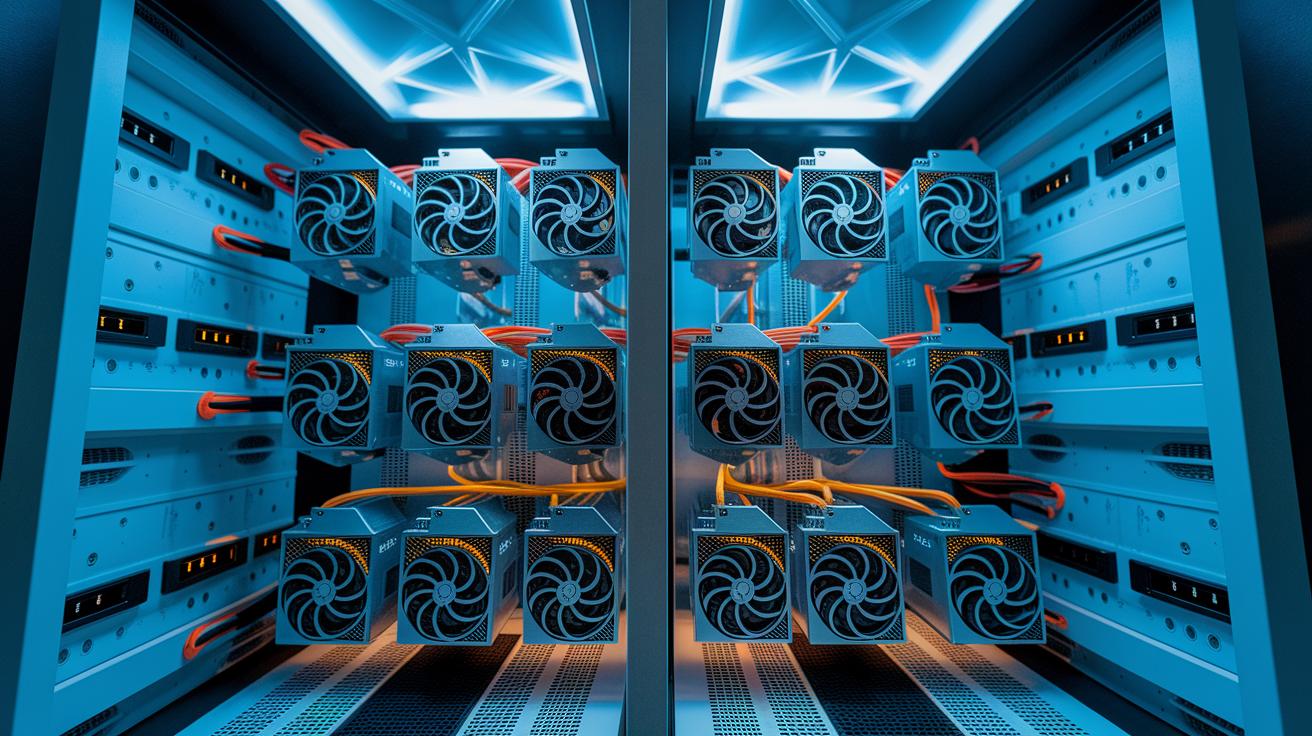
In February 2025, Bitcoin’s mining difficulty jumped past 50 T. This means miners had to take a closer look at their setups because competition was really heating up. With the network hash rate almost reaching one zetta-hash per second (that’s one sextillion calculations every second), every extra terahash you add really counts. Imagine your mining rig suddenly becoming much more energy efficient, like when your old calculator starts working twice as fast.
Recent improvements in ASIC energy efficiency (ASIC refers to specialized mining hardware) have dropped the cost of energy per terahash significantly. This improvement comes from both better hardware designs and smarter ways to manage energy. Miners are now leaning on renewable energy sources and sustainable practices to cut costs and lessen their environmental footprint.
There’s also a buzz about new pooling protocols that aim to boost transparency and ensure rewards are fairly spread out. Experts believe that as these advanced systems take hold, we might see a wave of consolidation among mining pools during 2025–2026. This shift is helping pools adjust to tougher mining conditions and a changing energy landscape, making the whole ecosystem more refined and efficient.
Final Words
In the action, our review explored key elements such as performance benchmarks, fee structures, reward distribution, and security measures across top Bitcoin mining pools. We offered a detailed bitcoin mining pool comparison that highlights the balance between operational efficiency and risk management.
We also looked closely at profitability metrics, decentralization efforts, and network difficulty trends. The insights empower you to choose a pool that fits your needs while staying positive about future opportunities.
FAQ
Frequently Asked Questions
What does a Bitcoin mining pool comparison chart display?
A Bitcoin mining pool comparison chart displays key metrics like hash rate share, fees, security measures, and payout methods, helping miners quickly gauge how top pools stack up.
How does a Bitcoin mining pool comparison calculator assist miners?
A Bitcoin mining pool comparison calculator estimates potential earnings by factoring in fees, hash power, and payout models, offering miners a clear snapshot of profitability before joining a pool.
What Bitcoin mining pool stats are essential for an effective comparison?
Bitcoin mining pool stats, such as block counts, hash rate share, fee percentages, and payout frequencies, provide crucial insights into performance, helping miners choose a pool that aligns with their goals.
How is Bitcoin mining pool profitability determined?
Bitcoin mining pool profitability is determined by assessing factors like fee structures, payout models (PPS, PPLNS, or score-based), hash rate contributions, and operating costs, which together impact net returns.
What features define leading pools like F2Pool, ANTPOOL, Poolin, ViaBTC, and Braiins Pool?
Leading pools such as F2Pool, ANTPOOL, Poolin, ViaBTC, and Braiins Pool are known for strong performance, varied fee models, reliable payouts, and robust security, catering to both high-volume and smaller-scale miners.
Which mining pool is best for beginners?
The best mining pool for beginners often offers low fees, user-friendly interfaces, and flexible payout options; many new miners find that pools like ANTPOOL or Poolin help ease the learning curve effectively.
How do mining pools benefit individual miners?
Mining pools allow small-scale miners to combine computing power, increasing the chances of earning rewards continuously while mitigating the risk of long intervals between solo mining payouts.


