
Ever wonder if your bitcoin mining setup is really making money? With the recent halving event cutting rewards in half, even small changes in energy costs or coin prices can be a game changer. In this article, we break down the numbers behind bitcoin mining returns, looking at rewards, power rates (how much you pay for electricity), and pool fees to paint a clear picture of your daily earnings. We keep the language simple and the data clear, so you know exactly where your profits are coming from. Stay with us as we explore whether your mining operation is truly working in your favor.
bitcoin mining ROI statistics: Profitable Data Insights
Looking at today's bitcoin mining ROI starts with the numbers. After the April 2024 halving event, the rewards dropped from 6.25 BTC to 3.125 BTC per block, which means that miners now have slimmer profit margins. Think of it like this: your daily profit equals (Mining Rewards multiplied by Coin Price) minus (Power Consumption multiplied by Electricity Rate). This simple idea helps you see if your mining setup is working for you.
Data from Uminers using a 60,480 TH/s setup shows that ROI shifted pretty clearly between May 2024 and November 2024. Even a small change in energy use or coin price can make a big difference when the margins are this tight. And remember, mining pool fees, usually around 1% to 3%, chip away at your rewards, even tiny bits count when numbers are close.
Electricity is the biggest expense here, typically costing between $0.03 and $0.10 per kWh. Add in the high costs for mining rigs, infrastructure, and maintenance, and you really need to be on top of your ROI calculations. It’s a good reminder that in bitcoin mining, every little cent counts.
| Cost Driver | Why It Matters |
|---|---|
| Electricity ($0.03–$0.10/kWh) | Major cost impacting your daily profit |
| Mining Pool Fees (1%–3%) | Slightly reduce your overall rewards |
| Capital Expenditure | Determines how quickly you recoup your initial investment |
Efficient mining today means keeping a close eye on these key details to stay profitable. And hey, isn’t it interesting how even small shifts in energy use or prices can change the whole picture?
Historical bitcoin mining ROI statistics before and after halving
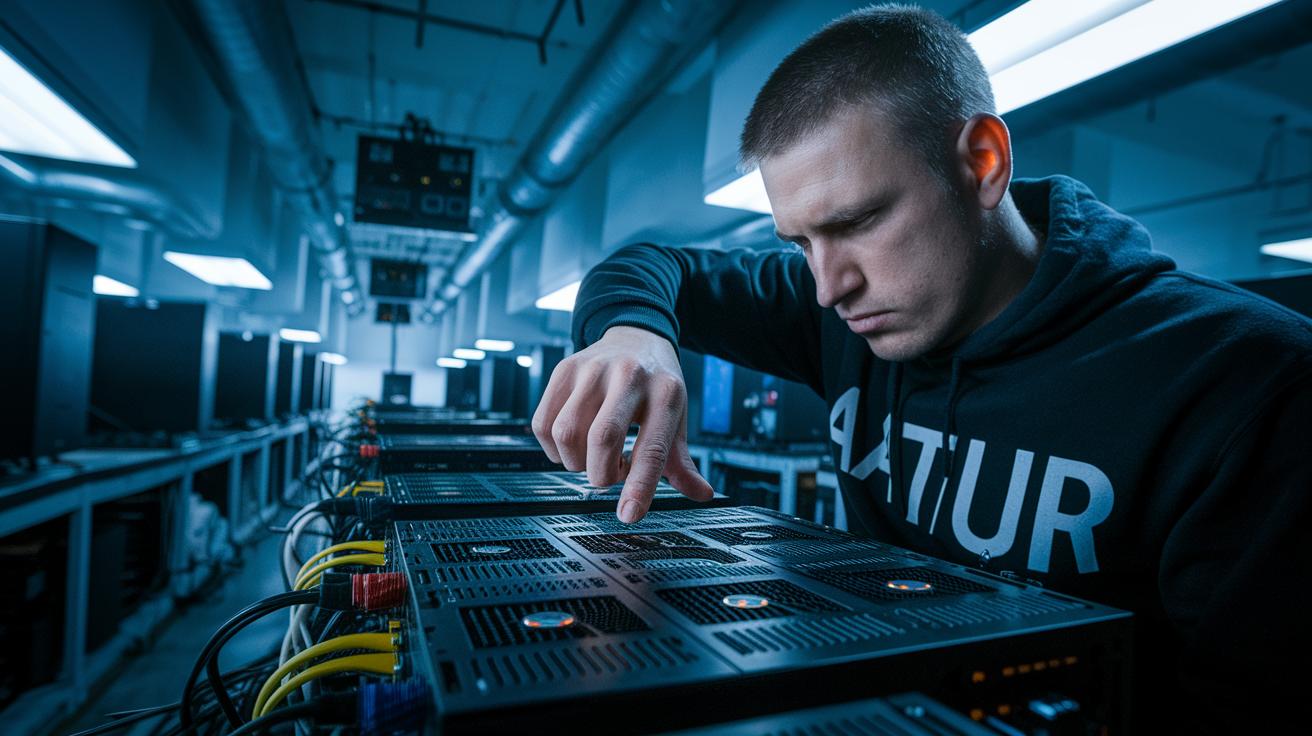
Even seasoned miners saw their daily revenue cut in half within a week after the block reward drop. In April 2024, the halving slashed rewards from 6.25 BTC to 3.125 BTC, shaking up return on investment for many operations. Past events, like the 2016 halving, had miners reworking their budgets as longer payback times emerged, mostly due to shifting market conditions and the wear on their gear.
One miner shared, "Before the halving, my setup broke even in just a few months; afterward, it took much longer." This isn’t an isolated case. Data from Uminers using a 60,480 TH/s system confirms that ASIC rigs still trump GPUs and cloud services when it comes to efficiency.
Looking back, while changing regulations and market trends have played their part, the main driver remains the 50% reward reduction, a pattern seen every time halving happens.
| Period | Block Reward | ROI Trend | Context |
|---|---|---|---|
| Pre-Halving | 6.25 BTC | Higher ROI | Faster break-even with full rewards |
| Post-Halving | 3.125 BTC | Lower ROI | Longer break-even periods; similar to earlier events |
Steady market trends and earlier rule changes still influence mining profitability. It’s interesting to see how these shifts shape the evolution of bitcoin mining ROI over time.
Key factors driving bitcoin mining ROI statistics
Electricity prices play a huge role in how much you earn from mining bitcoin. When rates drop to around $0.03 to $0.10 per kWh, your profit margins can shift by 10 to 20 percent. Think of it like a simple formula: (Mining Rewards × Coin Price) minus (Power Consumption × Electricity Rate). Even a small dip in your electricity cost can really change the outcome. One miner remarked, "Every cent saved per kWh noticeably boosts my net profit."
Hardware performance is just as important. Using efficient equipment, like the Antminer S19 Pro which runs at about 29.5 J/TH (this tells you how much energy it uses for each unit of work), helps you cut down on energy use and keep more earnings in your pocket.
Mining pool fees, usually between 1 and 3 percent, take a small bite out of your revenue, but they also add stability to the network. Plus, everyday costs like cooling systems and repairs can boost your overall expenses by an extra 5 to 10 percent.
Market ups and downs along with tighter regulations add their own twist. When events like halving cycles lower your rewards, the impact on energy costs and equipment values means you need to keep tweaking your ROI estimates.
| Factor | Impact on ROI |
|---|---|
| Electricity Costs | May change ROI by 10 to 20 percent |
| ASIC Efficiency | Lower power use means higher profits |
| Pool Fees & Maintenance | Add extra operating costs of 5 to 10 percent |
Methodology for calculating bitcoin mining ROI statistics

Start by using a clear model. Our basic formula is Daily Profit = (Block Rewards × BTC Price) minus (Hash Rate × Power Usage × Electricity Rate). Think of it like putting together a simple recipe: you calculate your rewards, then subtract the costs to see if you're making money each day.
First, look at all the money you spend upfront on your mining rig and its setup. This is your capital expenditure, or capex, and it covers everything from hardware to installation.
Next, estimate how much money you'll earn. Use factors like the network difficulty, the price of Bitcoin, and the block reward you receive to guide your forecast. It’s much like planning out a budget where every number matters.
Then, subtract your ongoing expenses. These include bills for electricity, pool fees (usually about 1% to 3%), cooling costs, and regular maintenance. Even small expenses can quickly eat into your profits.
Now, calculate your payback period by dividing your capex by your net monthly profit. This tells you how long it will take to recover your initial investment. It’s a straightforward way to see if your plan holds up over time.
Don’t forget to include equipment depreciation and potential resale value in your review. Just like checking every ingredient before you bake, every detail counts towards a clear picture of your costs and profits.
Using this hands-on cost model, you get a simple yet effective roadmap for your mining operation. This data-driven approach makes it easy to adjust your strategy when market trends or energy prices change.
Forecasting bitcoin mining ROI statistics: trends and projections
Forecasting bitcoin mining ROI is all about mixing what history tells us with today’s market factors to set achievable expectations. We use past numbers along with recent halving cycles, rising network difficulty, and the twists and turns of BTC prices to create a clearer picture. You know, in those turbulent times, even a tiny 1% drop in pool fees can noticeably boost your projected earnings.
To build a smart model, start by checking out past ROI trends. Looking back at historical data lets you simulate future returns under different electricity rates and costs. For example, when you compare performance before and after a halving event, you see that lower rewards tend to lead to a dip in profits.
We also keep an eye on bigger influences, like energy policies and inflation. These factors can change electricity prices and bump up your operational costs, so they’re crucial for making medium-term predictions a bit more flexible.
Key points include:
- Watching network difficulty rising to predict changes in mining efficiency
- Factoring in the ups and downs of BTC prices for revenue estimates
- Noticing that even a small 1% fee reduction can fine-tune your yield forecast
| Factor | Influence on Projection |
|---|---|
| Halving Cycles | Lower rewards call for updated forecasts |
| Macroeconomic Trends | Shifts in inflation and energy rules change operating costs |
Strategies to optimize bitcoin mining ROI statistics
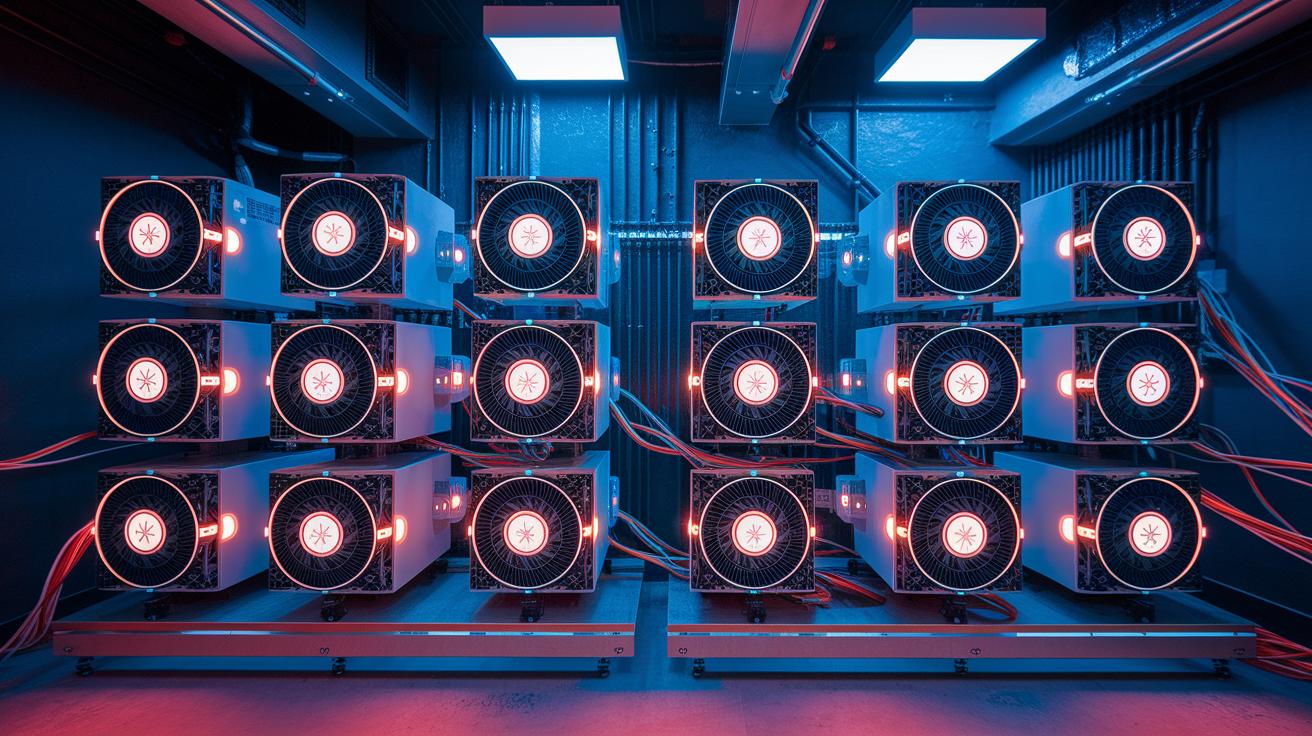
Looking for a quick boost in your bitcoin mining returns? One great tip is to secure lower electricity rates. When you switch to a bulk industrial tariff or use power from renewable sources, you can often see a 15–25% increase in ROI. One miner even mentioned, "After switching to a bulk industrial tariff, my daily profits now show a noticeable improvement." By cutting energy costs, you lessen the biggest expense and give your returns a solid push.
Another smart move is upgrading to high-efficiency ASICs. These are specialized devices that improve mining speed and reduce energy use per terahash (which is simply the cost of power for each unit of processing work). One miner shared, "I noticed an impressive jump in my net returns after replacing older hardware with modern ASICs." It’s like swapping an old car for a fuel-efficient one – you get more mileage and a steadier profit over time.
Also, consider joining mining pools that charge lower fees, usually between 1 and 1.5%. Lower fees mean less of your earnings gets taken out, so every mined coin works harder for you. It’s a simple tweak that can add up quickly.
Don’t overlook proactive maintenance. Regular check-ups and performance monitoring help keep your equipment running smoothly and your hash rate steady. By addressing small issues before they turn into big problems, you keep your operational costs predictable and your mining running at its best.
| Strategy | Impact |
|---|---|
| Lower electricity rates | Boosts ROI by reducing energy costs |
| High-efficiency ASICs | Reduces expense per TH of hashpower |
| Low-fee mining pools | Improves net returns on rewards |
| Proactive maintenance | Ensures smooth operations and consistent uptime |
Lastly, adjusting your mining activity around difficulty cycles can bring even more short-term ROI benefits. Together, these tactics work hand in hand to make managing your costs and revenue a lot more efficient. Give them a try and see how a few smart tweaks can transform your mining operations.
Final Words
In the action, this article reviewed current bitcoin mining ROI statistics by exploring recent benchmarks, historical changes after the halving, and the factors affecting profitability. We unraveled the formula behind daily profit and offered a clear model to calculate returns, considering electricity rates, hardware performance, and fees. Strategies to boost ROI were shared to empower smarter investments. Together, these insights shed light on market trends and future projections, leaving you ready to make thoughtful decisions in a competitive space. Keep pushing forward, you’ve got this!


