
Bitcoin mining is stepping up its game in unexpected ways. In April 2024, when rewards dropped to 3.125 BTC, miners had to switch up their strategies. They began using new ASIC chips, which work faster than the older models, making the process smoother and quicker.
Big investors and greener energy choices have also breathed fresh life into the scene. And now, even AI is joining in by tweaking operations to use less energy while boosting output. All in all, these trends are mixing smart technology with eco-friendly practices, paving the way for an exciting, innovative future in bitcoin mining.
Meeting the Future of Bitcoin Mining Technology: Key Breakthrough Trends and Forecast Drivers
Bitcoin mining is changing fast as new hardware and smarter power solutions reshape the market. In April 2024, the halving cut block rewards to 3.125 BTC, pushing miners to look for tricks that boost efficiency. This shift means they have to get creative to keep their profits up.
Regulatory clarity in the US and EU is drawing more institutional investors into the mix. Next-generation ASIC hardware, which are specialized machines that process Bitcoin transactions faster, promises to ramp up the hash rate (a measure of mining power). Meanwhile, renewable energy is becoming a bigger part of mining strategies as companies look for cleaner power sources.
Innovative mining setups now use AI-driven performance tuning to fine-tune operations, improving energy use and boosting output overall. At the same time, many experts predict that Bitcoin’s price could settle somewhere between $65,000 and $87,000 in 2024, adding a new layer of excitement, and caution, for investors.
Next, we’ll dive deeper into these trends:
- The effects of the April 2024 halving on miner rewards
- Breakthroughs in next-generation ASIC hardware
- A rise in institutional capital thanks to clearer regulations
- Predictions for Bitcoin price trends
- The growing role of renewable energy in mining
- The arrival of AI-driven strategies to optimize mining performance
future of bitcoin mining technology: Bright Trends Ahead
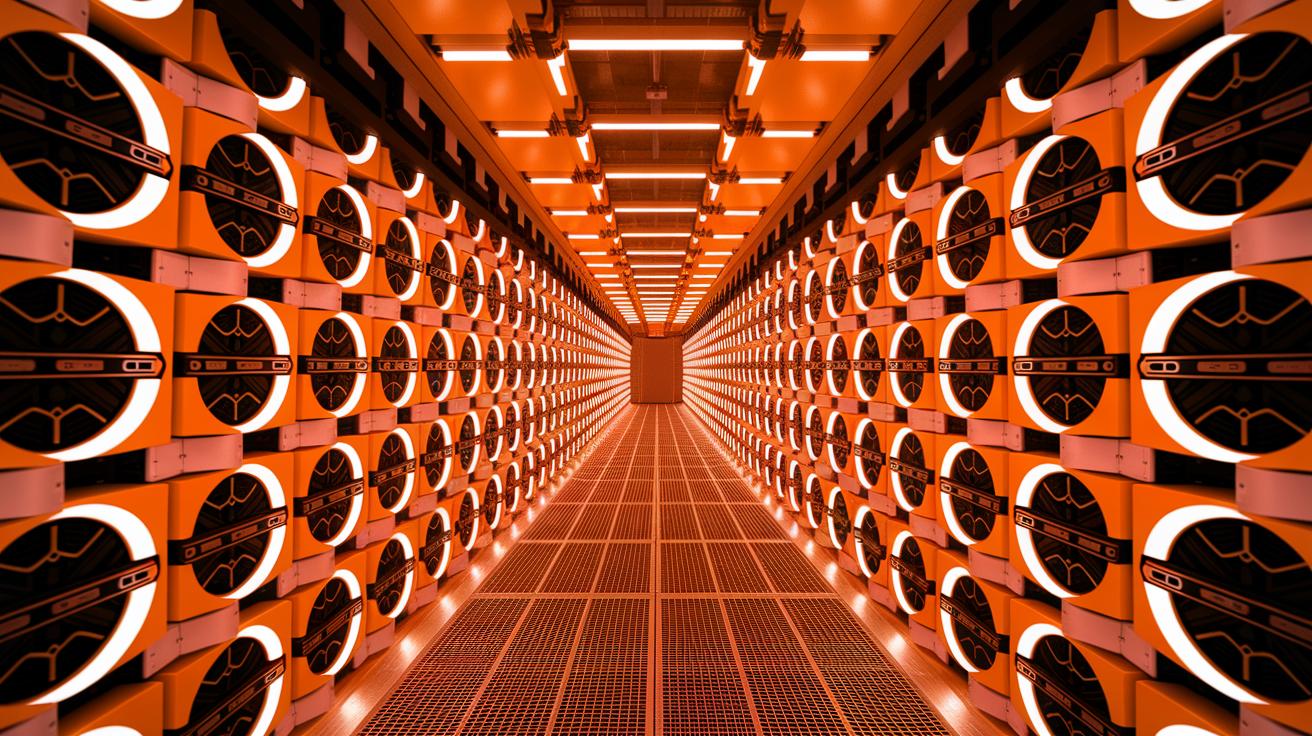
Lately, new hardware has really changed how Bitcoin mining works. Miners moved away from regular GPUs to special chips called ASICs (application-specific integrated circuits). These chips are designed to use energy really well, meaning you get more work done for every unit of power. New materials and smart circuit designs are pushing performance up by 20 to 30 percent compared to older rigs. And with automated asset checks, miners can be sure each machine is running at its best even when it's under heavy use.
Next-Gen ASICs
Next-gen ASICs have taken efficiency to a whole new level by using smaller nanometer processes – that’s just a fancy way of saying they’re built with really tiny components. This makes them both fast and cost-effective. For example, one of these chips might handle transactions 25 percent better than the older version. It’s a great reminder of how careful engineering can make a big difference in mining operations.
Modular Rig Configurations
Now, miners are also loving modular rig designs. These new setups allow for quick swaps and upgrades of individual parts without stopping the whole operation. Imagine being able to replace a single faulty unit instead of shutting everything down; it's like having a quick fix on your favorite gadget. Using hot-swap frames and standard power modules, these systems not only cut down on downtime but also make maintenance simpler and cheaper. It’s a smart move that helps mining farms grow and adapt as technology improves.
Optimized Energy Strategies and Sustainable Ledger Processes in Bitcoin Mining
Bitcoin mining is under growing pressure to use less energy and be kinder to our environment. Many companies are now turning to renewable energy sources like solar, wind, and water power because their operations sometimes use more energy than whole countries. For example, through grid-interactive mining, moving heavy energy use to off-peak hours, miners can slash electricity bills by as much as 25%. Ever notice how small tweaks can make such a big difference?
Pilot projects with mixed renewable energy options have managed to cut emissions by 40-60%. This shows a real commitment to cutting down carbon footprints while still keeping mining performance high. These green initiatives work hand-in-hand with smart grid systems that balance energy loads, ensuring operations run smoothly without interruption.
Here’s a quick look at some of the top renewable energy solutions miners are adopting:
- Solar-powered mining farms (Future of Energy Production)
- On-site wind turbine integration (Future of Energy Production)
- Hydroelectric node colocation (Future of Energy Production)
- Off-grid battery buffer systems (Future of Energy Production)
- Grid demand-response mining (Future of Energy Production)
By mixing these green energy tricks, miners not only cut costs but also reduce their overall environmental impact. As renewable solutions become a core part of mining, companies can rely on a more stable energy supply and enjoy a much smaller carbon footprint. This shift tells us that the future of Bitcoin mining isn’t just about advanced tech and higher returns, it’s also about forging a sustainable path forward.
Advanced Cooling Systems and Thermal Regulation for Scalable Bitcoin Mining Technology

Big mining operations depend on top-notch cooling systems to run smoothly and reliably. In high-density data centers where power levels often exceed 100 kW per rack, keeping things cooler than room temperature is key to avoiding overheating and cutting energy waste. For instance, Core Scientific’s HyperCore immersion modules reduce power usage effectiveness from 1.6 to 1.2. This shows how smart cooling can really bring down costs. And as mining spreads out to more locations, keeping a steady temperature is essential for peak performance.
Liquid-Cooling Mechanisms
Liquid cooling systems offer a solid solution by either submerging parts in a special fluid that doesn’t conduct electricity or by running a coolant through designed channels. Think of it like a high-performance radiator for your computer chips, sucking up heat and keeping everything stable even when the workload is heavy. It’s all about maximizing the transfer of heat away from key components to support smooth operation.
Airflow and Ambient Control
Another approach uses raised-floor designs along with hot and cold aisle setups to direct air where it’s needed most. Picture these strategies like arranging a room to ensure the air flows perfectly, so no spot gets too hot. At the same time, sensors monitor temperature changes in real time. This helps maintain just the right ambient conditions, lightening the load on any extra cooling efforts that may be needed.
Blockchain Consensus Models and Quantum-Resistant Cryptography Impacting Bitcoin Mining
Bitcoin uses a system called proof-of-work, where miners solve tough puzzles to add new blocks. This approach is secure, but it sure uses a lot of energy. New methods, like proof-of-stake, can slash energy use by more than 95% while still keeping transactions in check. Think of it like swapping a heavy, fuel-hungry truck for a smooth, efficient electric car.
Experts are also diving into quantum-resistant cryptography to guard against the potential threats of quantum computing. They’re working on techniques such as hash-based signatures and lattice-based schemes, which are simply ways to secure your digital transactions even better. Imagine replacing an old lock with a smart, futuristic one that can outsmart any would-be intruder.
Meanwhile, as block rewards shrink and transaction fees become a bigger part of miners’ incomes, we see a real push for smarter algorithm designs. These new consensus models work hard to secure the network while narrowing the gap between what miners earn from blocks and fees. All in all, these innovations mix tried-and-true security with forward-thinking cryptography to gear up Bitcoin mining for future challenges and changing market trends.
Data Center Strategies and Distributed Computation Frameworks for Bitcoin Mining Technology
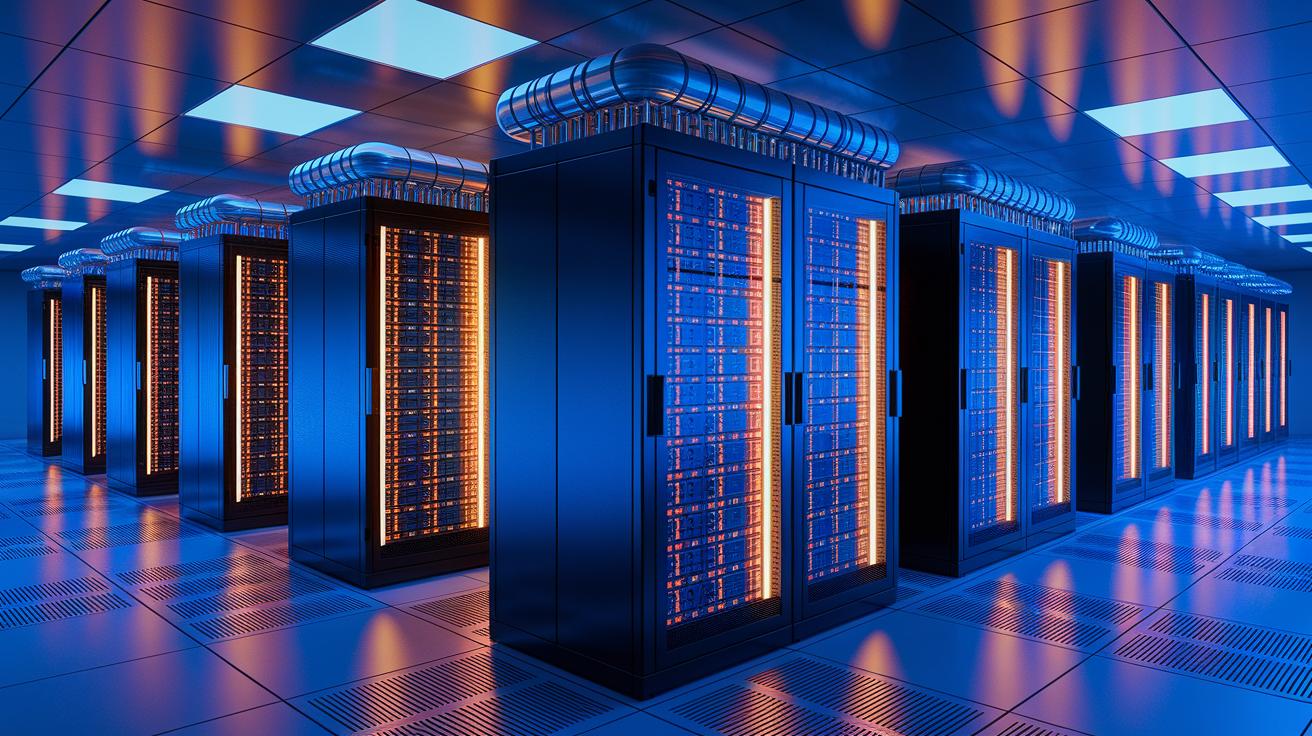
Mining operations are now moving toward unified data centers that rely on smart, distributed computing systems to boost speed and handle increasing workloads. These centers combine hybrid cloud setups with edge computing (processing data close to where it’s generated) so miners enjoy quick response times and can manage heavy loads with ease. It’s pretty cool to see how these systems work, especially as high-density setups for AI and powerful computing are now showing clear benefits for digital mining.
Across the US, places like Auburn, AL; Dalton, GA; Calvert City, KY; Marble, NC; and Grand Forks, ND are leading the way with these improvements. Each of these sites is built to be robust and flexible, supporting scalable HyperCore nodes that can run over 20 MW with all-in-one solutions. This means that even during the busiest times, operators can keep mining smoothly while keeping a close eye on energy use and processing speeds.
| Location | Code | Primary Features |
|---|---|---|
| Auburn, AL | AUB1 | Supports high-density colocation and scalable deployments |
| Dalton, GA | DNN1-3 | Offers hybrid cloud integration with edge computing readiness |
| Calvert City, KY | CAL1-3 | Provides robust network spread and turnkey solutions |
| Marble, NC | MBL1 | Optimized for high-performance computing tasks |
| Grand Forks, ND | GFK1 | Features efficient energy control and massive scalability |
This distributed approach is designed to meet growing computational demands, ensuring that every mining operation runs efficiently, no matter how high the pressure gets.
Market Dynamics, Regulatory Shifts, and Financial Sustainability of Future Bitcoin Mining Technology
After the most recent halving, many mining operators have seen their margins shrink and are now rethinking how they make money. With block rewards getting smaller, these companies are turning to fee-based income and other revenue streams to keep things profitable. They’re even combining things like transaction fees with additional services to build a steadier flow of cash.
In the US and EU, clearer regulations are making a big difference. When guidelines are straightforward, big investors feel more confident about putting money into mining projects. Experts expect this boost from institutional funds to push capital spending up by around 15–20% in 2025. This extra investment could lead to better data centers and smarter mining pools, which in turn strengthen the long-term outlook for Bitcoin and play a part in some analysts’ prediction of a $220,000 Bitcoin price by 2030.
Risk management is still a key part of keeping Bitcoin mining financially sound. Operators are now leaning on careful investment choices and smart risk management to get through global market ups and downs as well as shifting regulations. Here are some steps they’re taking:
- Adopting varied income models to ease the impact of halving
- Upgrading to high-efficiency data centers for a stronger operational foundation
- Keeping an eye on international rules and adjusting how capital is spent
- Relying on real-time financial analysis to shape investment moves
By weaving these strategies into their plans, the Bitcoin mining sector hopes to strike a balance between financial challenges and growth opportunities, all while gearing up to take advantage of global trends and informed, data-based investment decisions.
AI-Driven Performance Tuning and Predictive Maintenance Schemes in Bitcoin Mining Technology

Machine learning is changing how mining operations work by turning raw data into useful actions. AI tools now balance the work across machines, boosting overall efficiency by 5 to 10 percent. For instance, a smart algorithm might shift the processing load right when it’s needed most so that every machine is working at its best.
Predictive analytics also play a big role by spotting potential hardware problems before they cause major disruptions. Using real-time monitors like IoT sensors that check temperature, power use, and even vibrations, mining farms can catch small changes that may lead to failures. This early warning system cuts downtime by up to 30 percent, letting teams fix issues before they get worse.
Automated asset checks further cut costs by making routine inspections easier. With smart grid integration and proactive planning, miners can quickly respond to changes in energy needs. Imagine sensors and AI working together seamlessly, much like a well-coordinated team, to keep every part of the system in check.
These updates not only help avoid unexpected maintenance problems but also keep operations running smoothly, giving mining farms a strong advantage in a tough market.
Final Words
In the action, we saw Bitcoin mining technology shift with advancements in custom ASICs, sustainable energy methods, and AI performance tuning. Each section shed light on trends shaping our market, from improved hardware efficiency to precise thermal control systems.
Breaking down key highlights helped illustrate how regulatory clarity and data-driven strategies pave the way for a robust future of bitcoin mining technology. It paints a clear picture of a sector ready to embrace innovations and sustain financial growth.
FAQ
What is the future of bitcoin mining technology in 2025?
The future of bitcoin mining technology in 2025 focuses on advanced ASICs, renewable energy strategies, and AI-driven performance tuning that promise enhanced efficiency and profitability.
How will AI impact bitcoin mining?
The AI impact on bitcoin mining involves smarter performance tuning and predictive maintenance, which helps optimize hash rate allocation and reduce downtime across operations.
What is a crypto mining machine?
A crypto mining machine refers to specialized equipment—often ASICs or GPUs—built to solve complex cryptographic puzzles that secure transactions and validate blocks.
Will crypto mining be profitable in 2030?
The profitability of crypto mining in 2030 will rely on continuous advancements in hardware efficiency and energy management, while market trends and operating costs will also play key roles.
Who is Core Scientific?
Core Scientific is a prominent mining company known for integrating advanced cooling systems and cutting-edge hardware strategies to boost operational efficiency in the bitcoin mining arena.


