
Ever wonder if Bitcoin mining is still safe today? People ask if the powerful machines guarding our digital cash might also bring hidden risks.
Over time, mining has changed a lot. At first, it was done with regular computer parts, but now we use special devices made just for solving tough puzzles (meaning they work only on this job). This change makes mining very secure because so many people help run the network. It’s really hard for one group to take control.
In this discussion, we’ll look at how new technology and possible weak spots mix together. We want to see if Bitcoin mining can continue to thrive, even as new challenges pop up.
Evaluating Bitcoin Mining Safety: Core Risk & Security Principles
Bitcoin mining uses Proof-of-Work, where miners gather unconfirmed transactions into blocks and solve a tough SHA-256 puzzle about every 10 minutes. This challenge means only those who put in significant computing power can produce a valid block. Think of it like a complicated lock that only the right key, a correct hash, can open, keeping every transaction genuine and secure.
The evolution of mining hardware has come a long way. It started with simple CPUs, then shifted to GPUs, moved on to FPGAs, and now uses ASICs, special devices built for speed and efficiency in solving the SHA-256 algorithm. Bitcoin rewards began at 50 BTC in 2009 and are cut in half every 210,000 blocks. With nearly 19 million BTC already in circulation, about 2 million remain to be mined. This steady decrease in new coins not only affects profits but is also a key part of evaluating mining safety.
Bitcoin's decentralized design is one core safety feature. When many miners contribute similar effort, the network stays distributed and much tougher to compromise. But there is still a risk. If any one miner or group gains more than half of the total mining power, a scenario called a 51% attack, it could shake the trust and reliability of the network.
Technical Vulnerabilities in Bitcoin Mining Operations

Bitcoin mining can be a tricky business. Miners deal with many bumps along the way that can hurt their setups and even risk their investments. Even a small glitch in the firmware (the low-level software controlling the hardware) or a tiny mistake in network settings can sneak in cyber threats before you know it.
These issues come in many shapes and sizes. Often, bad actors look for weak spots to steal power or slow down the network. It’s much like leaving your front door unlocked, it only takes a small error for trouble to start. That's why building strong protection for mining systems is a must.
| Risk | Description |
|---|---|
| 51% attack risk | A single miner or pool controlling most of the hashpower, which can alter mining outcomes |
| DDoS and network-partition attacks | Attacks that slow down block propagation by overwhelming the network |
| Firmware tampering in ASICs | Changing the low-level software in mining hardware to secretly mine coins or cause hardware faults |
| Side-channel attacks | Stealing sensitive data by measuring unintended data leaks (like power consumption) |
| Mining malware | Malicious software that hijacks rigs, putting system integrity in danger |
These vulnerabilities remind us of the fine balance between mining profits and keeping systems secure. Cyber threats in the coin mining world can not only disrupt block creation but also shake the trust investors have in digital coins. So, keeping a close eye on your hardware and network is crucial. In truth, protecting these technical systems is like guarding a delicate ecosystem, you need to stay alert, learn from every hiccup, and be ready to act fast when something goes amiss.
How safe is bitcoin mining: Bright Future
Bitcoin mining uses a huge amount of power because its ASIC machines run nonstop. It’s like having a heavy-duty engine that never rests, the more power you need, the steeper your fuel bill gets. In fact, energy costs can form 60–90% of total operating expenses. Even though modern ASICs are more efficient than older GPUs or FPGAs, they still push up the overall power load, meaning every setup needs a really solid power system.
This heavy power use also leaves a big carbon footprint and stresses local electrical grids over time. Imagine overloading your home circuit, too many devices can trip the breaker. Similarly, mining facilities risk overwhelming power systems, which might lead to outages or even damage to equipment.
There’s a bright side, though. By tapping into renewable energy sources like solar or wind, mining operations can cut their carbon release and ease some of the strain on local grids. Many projects are already embracing clean power options to not only protect the environment but also improve long-term profitability and safety.
Regulatory Compliance Risks in Bitcoin Mining Safety
Mining operations deal with a maze of ever-changing global rules. For example, in places like China, where mining was hit hard with a near-total ban in 2021, the regulations are super strict and penalties can be severe. Meanwhile, some regions reward mining sites that use renewable energy with cool tax breaks.
Operators need to be extra cautious and follow local guidelines on everything from environmental standards to electrical codes and zoning rules. Skipping these steps can lead to hefty fines, asset seizures, or legal troubles that put a mining site's safety and future at risk.
Staying on top of legal changes also means paying attention to insurance and liability management. Insurers are now crafting policies that cover property claims, legal battles, environmental harm, and even fraud risks tied to digital mining. By choosing the right insurance, mining companies can protect their investments and ease the financial sting of non-compliance.
Safety Protocols & Operational Guidelines for Mining Rigs
Safety protocols are the core of a safe mining operation. They help keep expensive equipment working smoothly and create a secure space for high-power ASIC miners that run on several kilowatts. These steps protect your rigs from overheating, sudden electrical spikes, and firmware blips that might mess with your setup.
Ventilation & Cooling
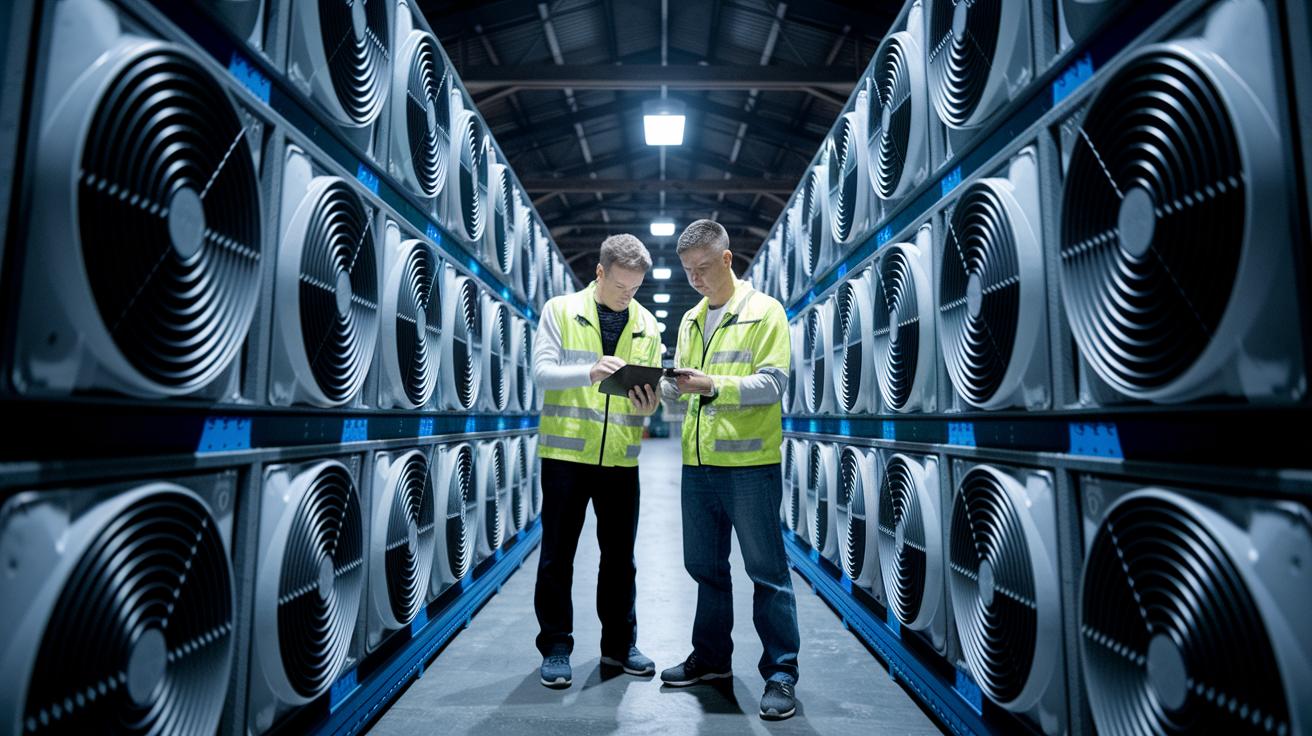
Good cooling is a must to whisk away the extra heat that ASIC miners produce. With steady airflow and smart cooling methods working together like a fan in a busy workshop, the system stays at safe temperatures and avoids overheating.
Electrical & Power Protection
A steady high-voltage power supply paired with surge protectors is key to shielding your equipment from unexpected electrical spikes. A strong circuit design with proper grounding works like a solid barrier against sudden power changes that could harm sensitive parts in your rig.
Maintenance & Firmware Management
Regular checks, such as hardware reviews and firmware updates, help cut down on failures and prevent unexpected downtime. It’s a bit like getting your car serviced, it keeps everything running smoothly and spots small issues before they turn into big problems.
| Protocol | Purpose |
|---|---|
| Ventilation System | Keeps overheating at bay by ensuring steady airflow |
| Cooling Mechanisms | Quickly removes excess heat from ASIC miners |
| Surge Protection | Shields equipment from sudden electrical spikes |
| Firmware Updates | Keeps systems secure and running at peak performance |
| Hardware Inspections | Finds potential issues before they lead to failures |
Regular security audits and checks against local electrical codes and fire safety rules help keep your mining facility in top shape and ready for any challenges.
Risk Mitigation Strategies & Incident Response in Bitcoin Mining

In bitcoin mining, taking care of risks is a must to protect your money and keep your systems running smoothly. Many mining sites now choose insurance that covers things like property damage, legal issues, and environmental problems. They also use real-time tools to watch power use, hash rate (which is how fast numbers are being solved), and temperature. When these measures spot something off, the system can shut down automatically. This helps stop long outages and keeps problems like power or hardware issues from causing too much disruption. Plus, spreading mining operations across different sites and pools means that if one spot has trouble, your overall risk is much lower.
Building a solid incident response plan is key to handling unexpected events without taking a big hit. With clear steps ready to go, you can minimize downtime and get back on track quicker, sometimes cutting downtime by almost a third. Here are some steps to consider when setting up your incident-response plan:
- Create simple procedures that explain exactly what to do if there’s a power loss, hardware malfunction, or network hiccup.
- Use tools that monitor everything in real time and can shut things down automatically when needed.
- Check and update your plan regularly to stay ahead of new cyber threats.
- Spread your operations across multiple places so that one problem won’t take everything down.
By adding these steps to your regular risk checks, you not only boost your safety measures but also keep your mining operations running steadily, even when things get up to no good.
Emerging Safety & Risk Management Innovations in Bitcoin Mining
Digital mining risk management is changing fast, and insurers now offer coverage that takes care of property, environmental, and fraud risks in crypto extraction. New mining hardware has made a huge difference too. What used to be simple CPU setups have turned into efficient ASIC systems (specialized chips that do one job very fast) that run cooler and lower power density hazards. This not only boosts their efficiency but also makes mining safer overall. Think of a system that stays cool even during the busiest times.
Next, new protocols are emerging that make mining even more resilient. They’re working on building strong, decentralized mining pools and beefing up network security. These improved protocols help keep the system safe against 51% attacks (a situation where someone controls most of the network) and other new threats. By constantly adapting, these cybersecurity upgrades ensure the mining network stays spread out and secure against coordinated cyber risks.
As mining hardware keeps getting better and industry practices mature, the future for bitcoin safety is full of promise. These innovations are setting new standards in digital asset protection, paving the way for a more secure and efficient mining world.
Final Words
In the action, we reviewed how Bitcoin mining secures networks through proof-of-work, evolved hardware, and decentralization. We also examined the technical threats, energy challenges, and regulatory risks that shape mining safety.
We wrapped up with practical guidelines and innovative risk management steps that keep operations steady. Remember, while questions about how safe is bitcoin mining remain, the insights here can boost confidence and clarity, setting a positive path for future financial decisions.
FAQ
Is Bitcoin mining profitable?
Bitcoin mining profitability depends on electricity costs, hardware efficiency, and current market prices. It can generate revenue if costs are lower than rewards, but market fluctuations can affect overall gains.
Is Bitcoin mining legal?
Bitcoin mining legality varies by jurisdiction. In many regions, mining is legal, yet local regulations, licensing, and energy usage rules play a key role in determining lawful operation.
How do crypto mining sites work and is free Bitcoin mining legit?
Crypto mining sites typically provide platforms for mining using shared processing power. Free mining offers may be misleading; always research site credibility as some promotions can be scams.
Is Bitcoin mining real or fake and is it legit according to Reddit?
Bitcoin mining is a genuine process used to secure transactions on blockchain networks. While Reddit discussions vary, many users confirm it as a legitimate, though sometimes risky, activity.
Why is crypto mining noisy?
Crypto mining is noisy because the specialized hardware generates significant heat, requiring fans and cooling systems that produce continuous sound during operation.
How do you mine Bitcoin?
Mining Bitcoin involves using specialized hardware to solve complex mathematical puzzles. This process validates transactions and secures the blockchain, rewarding successful miners with new Bitcoin.
What are the risks of mining Bitcoin?
Bitcoin mining risks include high electricity expenses, hardware failure, and potential cybersecurity threats. Additionally, market volatility and regulatory uncertainties can impact overall mining profitability.
How long will it take to mine 1 Bitcoin?
Mining a single Bitcoin can take an extended time, sometimes months or years, depending on hardware efficiency, network hash power, and mining difficulty adjustments over time.
Does Bitcoin mining give you real money?
Bitcoin mining produces actual cryptocurrency, which can be exchanged for other currencies or goods. The value fluctuates based on market conditions, making earnings real but variable.


