
Bitcoin mining might seem like playing a high-stakes game. Price jumps, tough technical tasks, changing laws, and environmental worries can quickly turn profit into loss. Think of it like buying a fair ticket where the price keeps changing. These challenges can feel overwhelming, but many believe that smart planning and fresh ideas can tip the scales to favor success.
In this post, we dive into the risks of bitcoin mining while sharing practical strategies to help investors stay ahead. Even in a tricky game, the right moves can lead to a bright outcome.
Key Risk Categories in Bitcoin Mining
Financial risks are one of the biggest hurdles in bitcoin mining. The price of bitcoin depends entirely on what the next buyer is willing to pay, which can lead to some pretty wild swings. Just picture trying to buy a ticket at a fair where the price changes every single minute. One minute, you might see a nice profit, and the next, you’re staring at a potentially big loss.
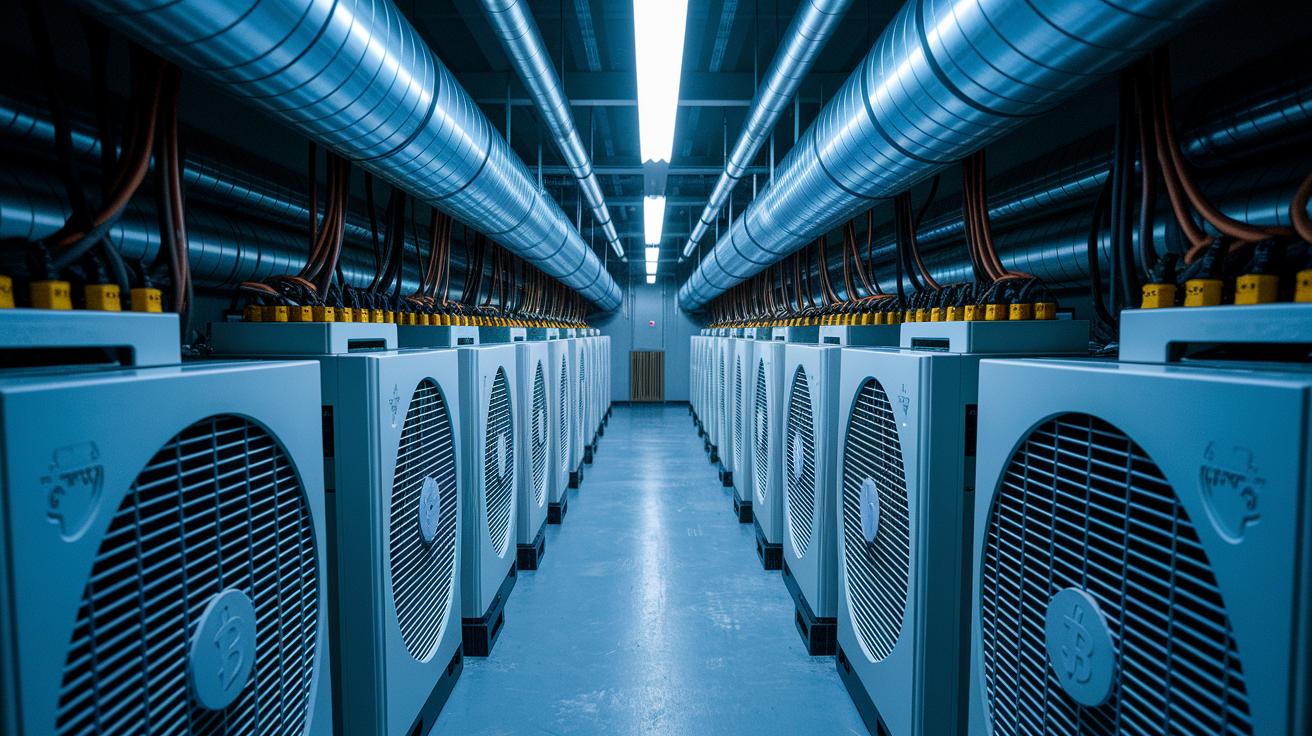
On the technical side, bitcoin mining isn’t like running a simple computer at home. It needs dedicated data centers equipped with top-notch cooling systems to keep the powerful ASICs and GPUs running day in and day out, sometimes even using methods like immersion cooling (where equipment is cooled by being submerged in liquid) to stay effective.
Then there’s the issue of regulations. Global rules on bitcoin mining vary a lot. In some places like the USA, it’s legal, while in others it’s outright banned. This means operators might have to switch gears suddenly when the rules change, kind of like playing a game where the rules shift unexpectedly between rounds.
Environmental risks also add to the challenge. More than 60% of the energy used in mining comes from fossil fuels, which means a high carbon footprint. This heavy reliance on traditional energy sources makes it important for operators to consider greener alternatives, weighing the benefits of clean power against environmental impact.
Security risks are the final piece of the puzzle. If you don’t manage your passwords and private keys properly, you could lose everything, imagine hiding your house key in a spot everyone knows. And with hacking and malware always looming, which could sneak into firmware or network settings, keeping digital assets safe is a constant concern.
All these factors remind us that bitcoin mining isn’t just about technology, it’s also about managing a host of risks that require careful thought and planning before diving in fully.
Financial Risks and Market Volatility in Bitcoin Mining
Bitcoin prices swing based solely on what the next buyer is willing to pay, much like a market stall where prices change with every customer. Imagine each new buyer resetting the price in an instant, this means you can see sudden climbs or quick drops in value.
Mining is its own challenge. In the USA, it can cost around $21,089 to mine one bitcoin. Since miners earn 6.25 bitcoins per block (with each bitcoin being about $42,000), the extra profit from a block might be roughly $20,911. But there’s a twist: every few years, a process called halving cuts these rewards in half, just like a tree that only bears half its usual fruit during a season. And as the mining work gets tougher, those profit margins shrink even more.
Profit margins can disappear in a heartbeat. Without protection like FDIC insurance or bank guarantees, even a small drop in bitcoin’s price can wipe out any extra earnings, leaving mining operations very vulnerable. If you’re weighing these risks against other types of investments, it might be a good idea to explore different options.
Technical and Operational Risks in Bitcoin Mining
Bitcoin mining faces plenty of everyday challenges, especially when dealing with tech and operational issues. Big data centers run powerful mining machines like ASICs and GPUs around the clock, and any surprise equipment problems can cost a lot of money.
Hardware Degradation
Mining gear works under heavy loads and high heat all the time, which wears out parts faster than typical devices. Think of it like a car engine that never stops running; over time, its parts wear down and don’t work as well. This constant strain means the hardware won’t last as long, leading to more frequent repairs and extra costs.
Cooling and Ventilation Challenges
Keeping mining machines cool is key. Advanced methods like immersion cooling help prevent overheating. Without proper cooling and ventilation, systems can fail, much like trying to work in a hot, stuffy room on a summer day. Poor cooling can cause immediate damage and reduce the overall efficiency of the operation, often resulting in unexpected downtime.
Technical Obsolescence
New mining chips are being developed all the time, making older ASIC models quickly outdated. Even coordinated mining pools can struggle as older hardware falls behind modern demands. This means constant upgrades and investments are necessary, adding further stress to operations.
If any of these risks cause downtime, it directly leads to lost mining time and revenue. So, keeping a close eye on equipment and updating hardware quickly is essential for smooth operations.
Regulatory and Compliance Risks for Bitcoin Miners

In the U.S., bitcoin mining is under tight watch. Exchanges must build detailed systems for tracking transactions and digital assets to meet IRS rules. Think of it like keeping a daily checkbook, every single entry must be spot on, or you might face a heavy audit.
Globally, the rules can feel like they're shifting under your feet. While some places, like the U.S., offer relatively clear guidelines, others, take China for example, have banned mining outright. A sudden change in policy anywhere might force miners to close down operations or risk having assets seized. Plus, fuzzy legal definitions around money transmission and tax treatment add another layer of challenge. It’s a bit like trying to hit a target that keeps moving around, so staying flexible and ready to adjust is key.
Environmental and Energy Consumption Risks of Bitcoin Mining
Bitcoin mining uses a lot of fossil fuels, over 60% of its energy comes from them. This heavy reliance is a bit like driving a clunky old car that guzzles gas, leaving behind a big carbon footprint. More mining means more CO2 emissions, which increase the strain on our environment. And with so much power needed, there are real worries about depleting our energy resources and harming the planet in the long run.
Some mining outfits are trying to change things up to help the environment. They’re experimenting with using stranded or flared natural gas from oil fields instead of letting it go to waste. Sure, this method can cut down on carbon emissions a bit, but it’s still a fossil fuel solution. Others are considering tapping into renewable energy sources, like sun or wind, to further reduce harmful emissions. For a deeper dive into these alternative energy strategies, check out the future of energy production.
| Power Source | Share of Mining Energy | Environmental Impact |
|---|---|---|
| Fossil Fuels | 60%+ | High CO2 emissions |
| Renewable Energy | 30% | Lower direct emissions |
| Stranded Gas | 10% | Waste reduction but still fossil-based |
Choosing the right energy mix is a real balancing act. Even though switching to renewables and finding smarter ways to use resources can ease the environmental burden, it’s still a tough challenge to meet mining’s growing power demands.
Security Vulnerabilities and Cyber Threats in Bitcoin Mining

Wallet security is really important in Bitcoin mining. Managing your private keys is like having the only key to a safe, lose it, and you lose control over your digital money. If you don’t pass on or securely store these keys, you risk a total loss. So, it’s smart to use strong passwords and store your keys carefully.
Firmware and data face constant attacks too. Hackers can sneak past authentication checks or even plant malware into the ASIC firmware, which is the software running the mining machines. Imagine your system being quietly altered by malicious software, leading to slower performance or sudden shutdowns. These kinds of attacks can gradually damage your mining operations and cut into your profits, keeping everyone on high alert.
Network security adds another layer of challenge. Mining pools often get bombarded by denial-of-service attacks, and there’s always the risk of coordinated pool-collusion or even routing hijacks. To ward off these distributed threats, it helps to monitor your network closely and stick to robust security protocols. This way, you not only protect the infrastructure but also safeguard the long-term gains from your mining activities.
Risk Mitigation Strategies for Bitcoin Mining Investments
Investing in bitcoin mining can be exciting but also risky, so it's smart to have a solid plan in place. Even when the rewards are tempting, a clear strategy helps you stay grounded and prevent surprises. Here are some simple steps to manage the ups and downs:
- Spread your energy costs by using renewables and stranded gas setups.
- Refresh your hardware regularly to avoid falling behind.
- Use automated checks and backup cooling systems to keep things running smoothly.
- Stick to strict compliance rules and conduct regular legal reviews in your area.
- Protect key equipment with insurance and consider strategies to hedge against price drops.
- Make sure your mining investments are just one part of a well-balanced portfolio.
It helps to review these plans often. Think of your mining efforts as one piece of your overall investment puzzle, like keeping a well-oiled engine in sync with your other assets. Regular reviews and careful planning can shield you from sudden market shifts and show you exactly where mining fits into your financial picture.
By keeping an eye on risks and diversifying wisely, you can better manage potential losses while still enjoying the rewards that bitcoin mining may bring. Stay flexible and ready to adjust your strategy as the market changes, and you'll be in a stronger position to navigate the twists and turns ahead.
Final Words
In the action of our deep dive, we looked at financial swings, equipment issues, legal puzzles, energy use concerns, and security threats. We broke these elements down and presented practical ways to manage them. Each section offered clear examples and straightforward tactics to address the risks of bitcoin mining. Keep these insights handy as you work to build a balanced strategy that adapts to market movements and evolving tech challenges. Stay positive and informed as you move forward.
FAQ
What risks are associated with Bitcoin mining in the USA?
The risks tied to Bitcoin mining in the USA include financial volatility, hardware failures, shifting regulations, environmental impacts, and security vulnerabilities—all of which can affect overall profitability and operational stability.
What do Bitcoin mining PDFs typically cover regarding risks?
Bitcoin mining PDFs outline inherent risks by analyzing financial swings, technical issues, regulatory challenges, environmental concerns, and security threats, offering a concise breakdown of data-driven hazard assessments.
How profitable is Bitcoin mining?
Bitcoin mining profitability depends on factors like price swings, steep hardware costs, halving events, and operating expenses, meaning profit margins can shift quickly based on market conditions and mining efficiency.
What should I know about crypto mining sites?
Crypto mining sites host mining pools and equipment services; they require careful evaluation of legal compliance, operational transparency, and noise levels to ensure that risks are well understood before committing.
Why is crypto mining noisy?
Crypto mining is noisy because high-powered mining rigs and cooling systems run continuously, creating a constant hum and fan noise typical of data centers handling intensive computational work.
Is crypto mining legal?
Crypto mining legality varies, as it is legal in many regions while restricted or banned in others; staying informed about local legal guidelines is key to remaining compliant with current laws.
How long does it take to mine $1 worth of Bitcoin?
Mining $1 worth of Bitcoin involves many variables—equipment efficiency, electricity costs, and mining difficulty all play a role—so time estimates can differ widely based on current market and operational conditions.
Can you live off Bitcoin mining?
Living off Bitcoin mining requires scaling operations, managing high operational costs, and navigating market volatility; financial sustainability depends on optimized efficiency and consistently favorable market conditions.
Is Bitcoin mining safe and worth it?
Bitcoin mining safety hinges on strong security practices and compliance, while its value as an investment depends on risk tolerance, market trends, and effective management of operational challenges.


