
Ever thought that altcoins might give you a leg up in trading? In our analysis, we focus on two key signals that show when altcoins are outperforming Bitcoin. We use a 90-day Altcoin Season Index (which tracks altcoin performance over three months) and BTC Dominance measures (which tell you how much influence Bitcoin has in the market) along with price maps that reveal where heavy selling is happening. These tools offer a clear snapshot of the market's mood, helping you decide if altcoin moves can boost your trades. Keep reading to discover how these signals might just give you that sharper trading edge.
Core Altcoin Indicator Analytics: Indexes, Dominance, and Heatmaps
The Altcoin Season Index looks at three key measures over a 90-day period to classify the market into Bitcoin season, Neutral, or Altcoin season. It shows you at a glance if altcoins are winning over Bitcoin. Meanwhile, BTC Dominance tells you how much of the market's total value Bitcoin makes up. And then there are liquidation heatmaps, which mark the price areas where lots of forced selling can cause wild price swings. All of these together give traders a friendly snapshot to help time their trades better.
When BTC Dominance falls while the Altcoin Season Index climbs, it usually points to a shift in market mood toward altcoins. The heatmaps add extra detail by flagging areas where big sell-offs could stir up the market even more. This combo lets traders know exactly when to jump in or slip out of positions during those brief altcoin surges.
| Indicator | Purpose | Data Window |
|---|---|---|
| Altcoin Season Index | Shows if altcoins are gaining strength over Bitcoin | 90 days |
| BTC Dominance | Indicates Bitcoin’s share of the market value | Real-time/Long-term trends |
| Liquidation Heatmaps | Highlights key price levels where mass selling happens | Dynamic intraday |
Traders blend these tools by watching the Index to get a feel for overall sentiment, then confirming the mood with BTC Dominance charts. They use the heatmaps to fine-tune exactly when to make their moves. It might mean shifting focus when Bitcoin's share drops and altcoin momentum builds, or knowing when it's time to lock in profits amid the market's natural ups and downs.
Technical Indicators for Alternative Coins: RSI, MACD, and Moving Averages

When traders use familiar tools to check market buzz and shifts, altcoin signals become a lot clearer. These three tools use simple numbers and clear alerts to show when it might be a good idea to jump in or step away from a trade.
Traders often turn to the Relative Strength Index, or RSI, to see how strong an asset's momentum really is. When RSI climbs above 70, it usually means the coin might be too pricey and ready for a pullback. On the other hand, an RSI below 30 suggests the coin is oversold, which could be a good time to buy. For instance, if you notice an altcoin’s RSI dipping under 30 and then starting to edge back up, that might be your moment to take action.
Another handy tool is the MACD, which stands for Moving Average Convergence Divergence. This tool compares short-term and long-term averages to show shifts in buying and selling pressure. When the MACD line moves above the signal line, it often points to a bullish shift, suggesting prices might rise. But if it falls below the signal line, that could be a hint of a bearish turn. Imagine watching an altcoin steadily up its pace until suddenly the MACD flips above its signal line, that’s usually a sign to brace for an upward push.
Then there are the moving averages, both simple and exponential, which smooth out price data to show the trend more clearly. When a short-term moving average crosses over a long-term one, it can signal the start of a rising trend. Conversely, if that happens the other way around, it might be a sign that a downtrend is coming. These crossover signals help traders decide on the best times to get in or out of the market.
Pulling these three indicators together helps cut through the everyday market chatter, reducing the risk of false alarms. It gives traders a firmer footing when altcoins start moving quickly, making those tough decisions a bit easier to manage.
Chart Pattern Analysis and Volume Trends in Altcoin Markets
Candlestick patterns mixed with volume clues give traders a friendly look at how prices might move in altcoin markets. They help spot when prices are likely to flip or keep going the same way. Think of it like watching a movie: if you see a sudden volume surge paired with a change in the candlestick shape, it might be your signal to get moving.
For example, consider these common patterns:
- Hammer – shows a bullish turn after a drop.
- Shooting Star – hints at a bearish turn when prices hit highs.
- Bullish Engulfing – signals strong buying interest.
- Bearish Engulfing – points to strong selling pressure.
- Doji – reflects market uncertainty and a possible turn.
Now, add On-Balance Volume (OBV) into the picture. OBV takes all the volume into account to reveal whether buyers or sellers are in charge. When you notice a pattern that suggests a potential reversal and OBV is rising, it confirms that buyers are stepping in. On the other hand, if OBV drops while you see a bearish pattern, it backs off the warning of falling prices.
By blending these visual signals with volume data, traders can filter out false breakouts, those tricky moves that might look promising without real volume behind them. In the end, using these tools together can help you avoid mistakes and make more confident moves in the altcoin market.
Signal Confirmation Methods and Risk Management in Altcoin Trades
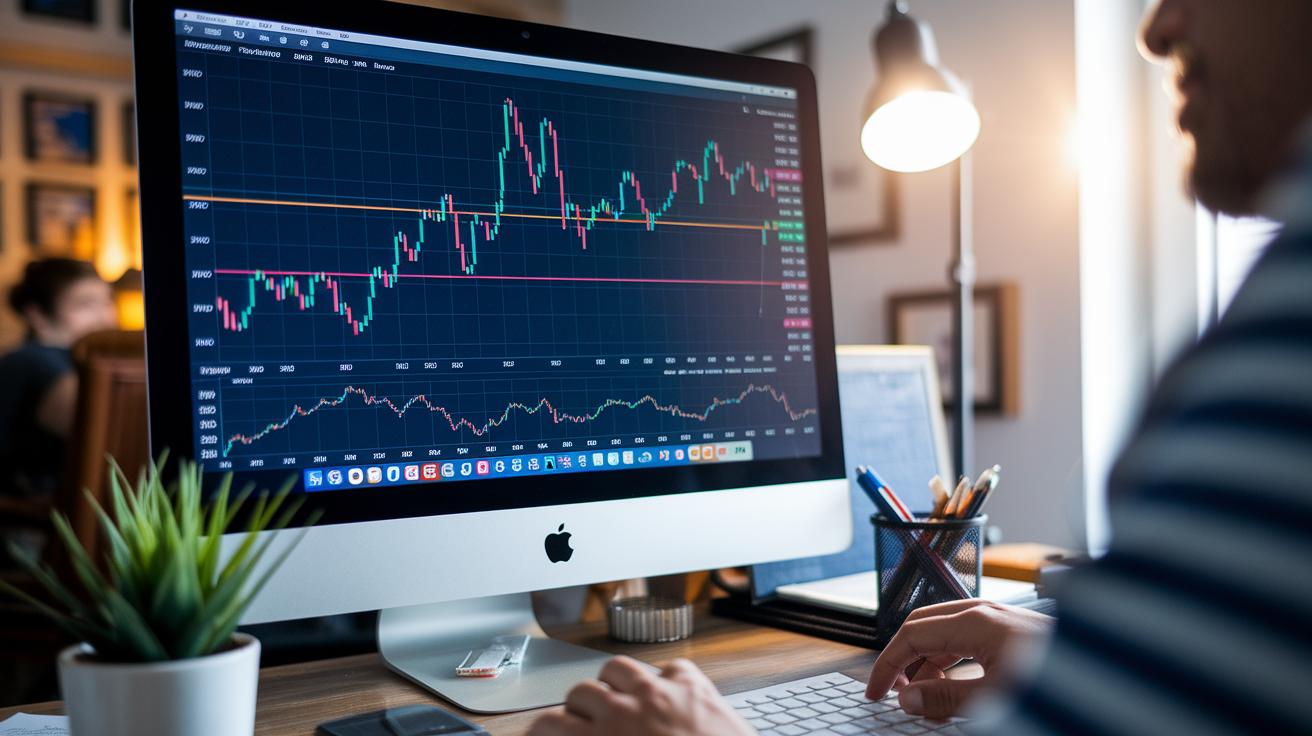
Layered confirmation along with solid risk controls can really give traders an edge. It helps clear out misleading signals and keeps your losses in check when markets take an unexpected turn. Basically, it uses a few smart measures that work together to show you when to jump in or step out of a trade.
Stop-Loss and Take-Profit Placement
You can decide on stop-loss and take-profit levels by checking liquidation heatmaps and spotting support and resistance zones. For example, if a heatmap shows heavy selling at a specific price, that might be a good spot for a stop-loss. Likewise, clear support or resistance zones can mark the best places to secure your gains.
Position Sizing
Getting your trade size right is crucial to avoid tough losses. By sizing your positions based on your current portfolio risk and what the market's doing, you make sure no single loss wrecks your day. A simple rule is to risk only a small percentage of your total funds so that each trade stays manageable.
Profit Rotation Strategies
When you see altcoin signals starting to fade, it might be smart to rotate profits back into Bitcoin or stablecoins. This move helps protect what you’ve already earned and limits your exposure as the altcoin trend cools down, even if the market shifts suddenly.
Support and Resistance Validation
Cross-referencing indicator triggers with strong, historical price levels helps cut down on false entries. By checking these signals against key support and resistance points, you’re in a better position to avoid sudden market reversals and make smarter, more confident trades.
Implementing Automated Trading Algorithms and Backtesting for Altcoin Indicators
Automated trading is a smart way for altcoin traders to eliminate the emotional side of investing. With these systems, you set clear rules that trigger buy or sell orders when a certain condition is met. It’s a method that becomes even more powerful when you test your rules against past market data, giving you a peek into how your strategy might perform before you risk any real money.
Platforms like TradingView make this process friendly. You can use their Pine Script to write out all your trading conditions in plain language. Then, run your strategy through backtests spanning six to 12 months of historical data. Think of it as a dress rehearsal for your trading plan – you see how it works under different market moods without spending a dime.
To start, write down your trading rules using Pine Script, ensuring you cover when to enter or exit a trade based on your selected altcoin indicators. Next, boost your analysis by importing live scores from tools like the Token Metrics API or SDK. Once your strategy and data mesh together, set up the rules so your algorithm can mimic real-time trades against past market movements. This simulated test environment allows you to watch your strategy react to various conditions without any risk.
After running your backtest, take a good look at the results and fine-tune your settings. Pay close attention to metrics like win rate, maximum drawdown (that’s the biggest dip in your strategy’s performance), and profit factor. When your win rate is high and drawdown is low, it means your system is showing promise. If the profit factor is lower than expected, it might be time to tweak some rules. This step-by-step process of testing and adjusting helps build a robust automated altcoin trading strategy that’s ready to tackle real market challenges.
Final Words
In the action, we examined key altcoin metrics, from the Altcoin Season Index to BTC Dominance trends and liquidation heatmaps. We broke down technical tools like RSI, MACD, and moving averages, then connected chart patterns and volume signals with smart risk controls. We even touched on backtesting automated strategies. Each section offered clear steps to build a solid trading plan. Altcoin indicator analysis for trading brings reliable insights that help support smart decisions and a bright trading outlook.
FAQ
What is the best altcoin indicator analysis for trading?
The best altcoin indicator analysis for trading uses metrics like the Altcoin Season Index, Bitcoin dominance, and liquidation heatmaps. These tools help traders spot market shifts effectively, with many free platforms available for beginners.
How can I use altcoin season index charts on TradingView?
The altcoin season index charts on TradingView combine historical data with live market signals to indicate shifts into altcoin trends. This real-time visualization guides traders on market phases and potential entry points.
How do altcoin season history, cycle, and prediction inform trading decisions?
Altcoin season history, cycle, and prediction use past market patterns and current data to signal shifts from Bitcoin dominance into altcoin rallies. This insight helps traders time entries, exits, and manage profit rotations effectively.


