
Have you ever wondered if bitcoin mining can beat its energy hurdles and network delays? Right now, bitcoin mining deals with challenges like high power costs, slow data flow (that is, delays in transferring data), and tight limits on transaction sizes.
It may seem like these problems are roadblocks today, but a few smart changes could boost efficiency and profits. By cutting down on energy use and adjusting network speeds, miners might overcome these hurdles.
Let’s dive into how these tweaks can help make bitcoin mining more efficient, even when the odds seem stacked against it.
Major Technical Hurdles in Bitcoin Mining
Bitcoin mining is facing some tough challenges that keep it from growing as fast as we’d like. For example, it uses a lot of electricity, and keeping everything running smoothly means dealing with high power costs. Then there’s the issue of slow communication on the network, where data takes extra time to travel between miners. And there’s a long-running debate about keeping the block size fixed at 1 MB, which limits how many transactions can be processed at once.
Some of the main hurdles are:
- High energy use and rising power bills that eat into profits and demand a steady supply of electricity.
- Limits on network speed and congestion that cause delays as blocks take time to move through the system.
- The fixed block size rule that restricts transaction volume, making it harder to handle lots of trades at once.
Solving these problems is key for miners who want to grow sustainably and keep the network reliable. When these challenges are met with smart, innovative solutions, it can lower costs and boost efficiency, which benefits not just the miners but everyone who relies on the blockchain.
Energy Efficiency and Renewable Integration in Bitcoin Mining Scalability Challenges
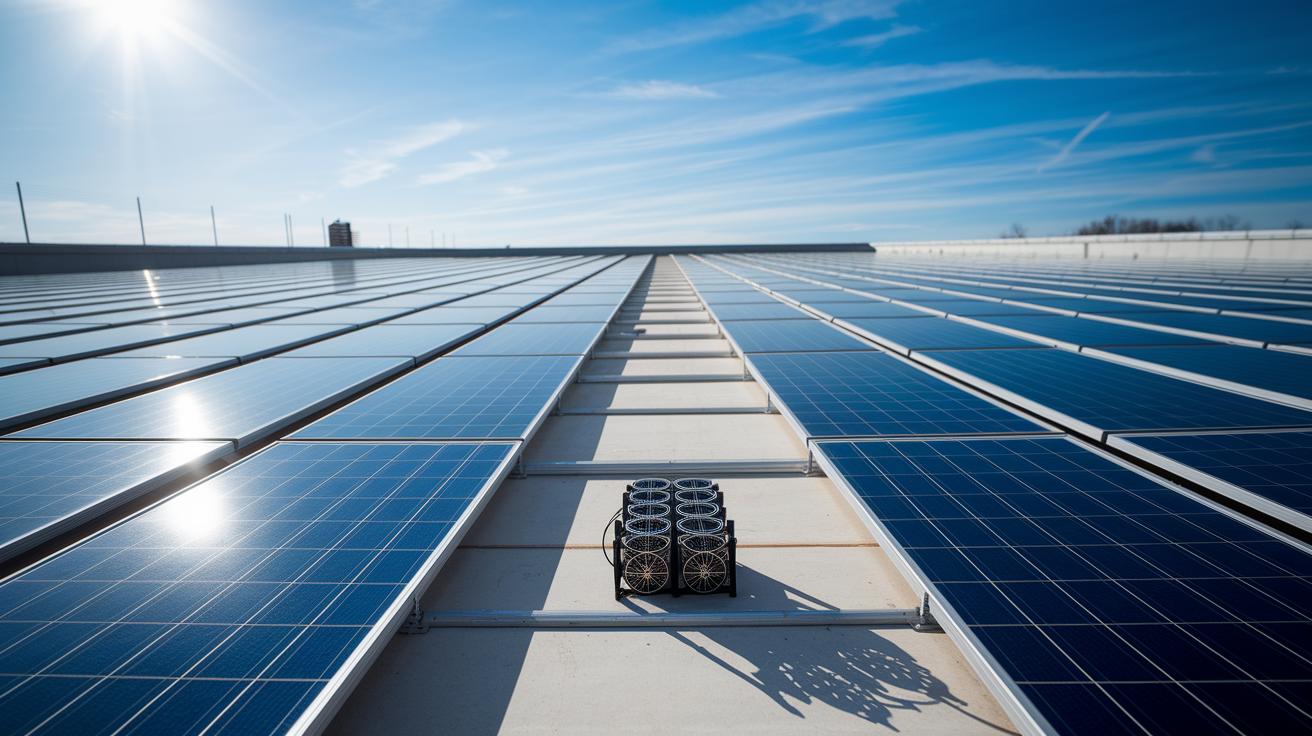
Bitcoin mining companies now face rising energy bills that can really stress their budgets. Switching to greener energy like wind, solar, or hydroelectric can help lower these bills while also being kinder to our planet. For instance, one small mine shared that using some solar power cut their costs by around 25% and significantly reduced their carbon footprint.
Many operators are also turning to liquid cooling because it tackles heat better than traditional air cooling. This method not only saves energy but also helps prolong the life of pricey mining equipment. By keeping things cool, businesses can pack more hardware into a smaller space without blowing their energy budgets. Plus, fine-tuned mining software helps by matching computing loads to the energy available, so nothing is wasted.
Energy efficiency has become a hot topic for miners trying to grow. With recurring investments in equipment driving costs up, bringing in renewable energy and clever cooling methods offers a smart solution. These changes turn costly energy demands into manageable expenses while also pushing forward sustainable practices. In short, blending renewable energy with upgrades in efficiency turns a financial challenge into a competitive advantage.
Hardware and Cooling Constraints in Bitcoin Mining Scalability Challenges
Investing in the latest ASIC rigs boosts your mining power, but it also comes with steep costs for both buy-in and maintenance. One miner compared buying new ASICs to owning a high-performance car, it’s fast and powerful but needs top-notch care. Older machines sometimes struggle to keep up with the heavy demands of newer computations, which can drag down overall efficiency.
Cooling is just as important as having the right hardware. Whether you use air or liquid cooling, these systems work hard to control the high heat produced by constant 24/7 operations. Think of it like this: without proper cooling, even the best hardware can quickly become a heat sink that fails when you need it most. When the cooling system isn’t up to par, uneven temperature control can cause more wear and tear on components, reducing performance over time.
Innovations in hardware shape every part of scaling your mining operations. Data-center models like Core Scientific HyperCore show us that when you pack more power into a smaller space, you have to balance performance with reliability. Operators often face limits in how fast and efficiently their machines can run, which means every new upgrade needs a careful review. Each piece of new equipment brings both great potential and some challenges.
In the end, combining top-notch ASICs with solid cooling solutions is key to cutting downtime and keeping your mining setup running at peak efficiency.
Protocol-Level Limits and Consensus Upgrades in Bitcoin Mining Scalability Challenges
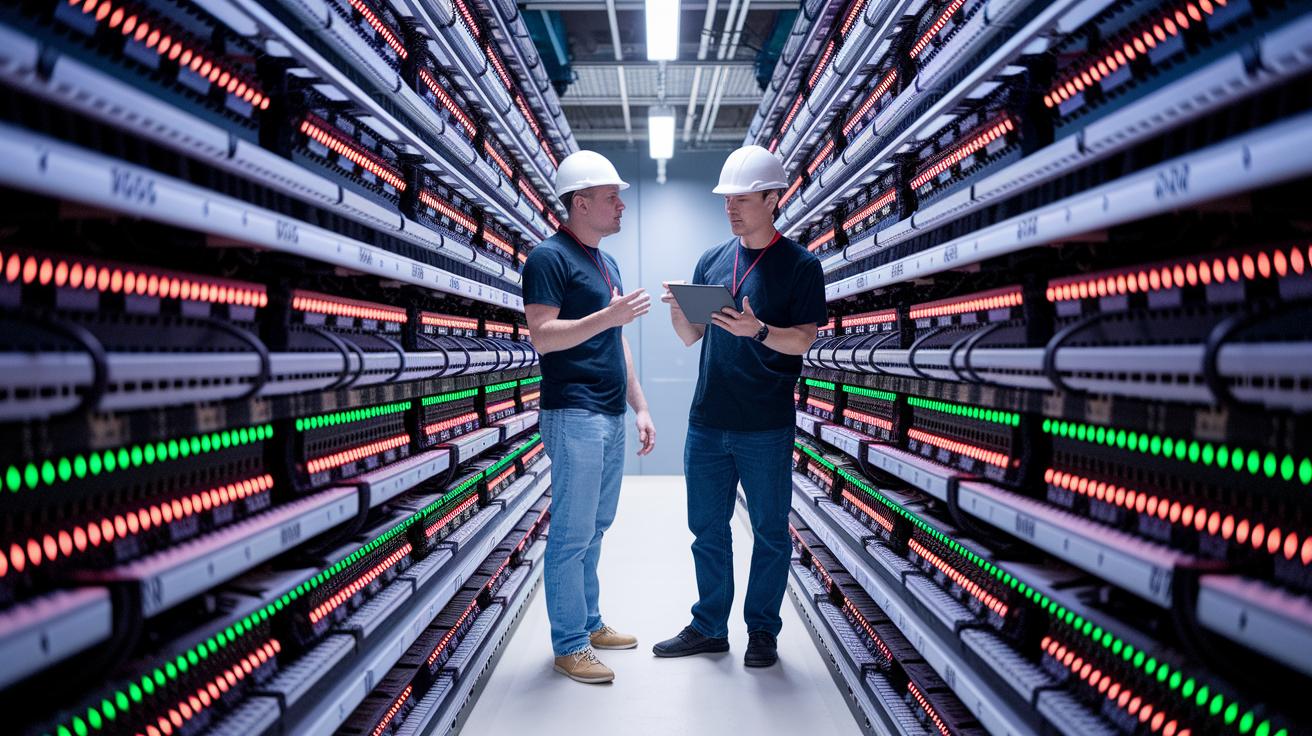
Bitcoin's built-in rules can make scaling mining operations a real headache. The network’s way of adjusting difficulty and the infamous reward halving events mean miners must constantly tweak their setups to handle sudden bursts in computing power. When rewards shrink, miners need to ramp up quickly, and that can push already tired systems to their breaking point.
Then we see soft-fork upgrades like SegWit and Taproot. These changes aim to clear up debates about block sizes and boost overall capacity, while also helping the network get on the same page a bit faster. But here’s the rub: even these beneficial upgrades come with their own set of challenges. They demand a lot of coordination across different players and force miners to balance keeping Bitcoin decentralized against the need for faster transaction processing. In short, even when updates are positive, miners often have to reconfigure their systems at a high cost and deal with technical hurdles.
Because Bitcoin runs on a decentralized model, any change to its protocol has to be agreed on by everyone. This can lead to periods of uncertainty where transaction speeds and overall network performance take a hit. Even a tiny tweak in how the network reaches consensus can ripple out, affecting individual setups and even the security of the whole system.
Miners keep a sharp eye on market signals and upcoming upgrade paths because every adjustment directly influences their profitability and long-term game plan. Tackling these consensus challenges is key to crafting a mining environment that’s not only scalable but also resilient in the face of Bitcoin's ever-shifting rules.
Financial and Liquidity Solutions to Bitcoin Mining Scalability Challenges
Bitcoin mining is expensive, and borrowing money or getting venture capital can sometimes fall short when you need to upgrade quickly. Mining tokenization platforms let operators turn assets that aren’t normally liquid into cash for reinvestment, without selling any Bitcoin or costly hardware. One miner shared, "I freed up funds for new ASIC upgrades without giving up my coins, a real game changer." This shows how tokenization can offer a faster solution compared to traditional financing.
Mining pools are also a big help. When miners join forces to share costs like power and cooling, everyone pays less, and the whole network becomes more stable. This teamwork makes managing the ups and downs of the Bitcoin market much easier.
Here are some of the financial benefits:
| Benefit | Description |
|---|---|
| Unlock Liquidity | Turn idle resources into cash for upgrades. |
| Agility Over Traditional Loans | Skip slow, restrictive loans to act quickly. |
| Shared Costs | Reduce expenses by pooling resources with other miners. |
In short, tokenization and pooling are new financial tools that ease the challenges of scaling Bitcoin mining. They help operations keep a healthy cash flow, handle unexpected expenses, and stay competitive in a market where equipment and power costs can quickly eat into profits.
Future Innovations and Outlook for Bitcoin Mining Scalability Challenges

New ideas and technologies are reshaping how Bitcoin mining handles growing challenges. For instance, in March 2025, Fireblocks joined forces with Minto Finance to show how tokenization (turning assets into digital tokens that represent value) can free up cash while keeping things within the rules. It’s like unlocking hidden funds using smart contracts, automated agreements on the blockchain that make managing funds simpler and more straightforward.
Mining companies are also testing next-generation hardware that promises better performance at a lower power cost. Researchers are tweaking advanced ASIC chips (specialized machines made for mining) and designing smarter cooling systems to help manage the constant, heavy workload. These efforts come from scalability research aimed at boosting productivity without pushing up energy bills.
At the same time, utility partnerships are exploring renewable microgrid tie-ins. These projects could offer a steadier power supply and lower the environmental footprint of mining sites, aligning with greener, more sustainable practices. All these fresh ideas hint at a future where Bitcoin mining marries new technology with eco-friendly strategies, creating a flexible and robust system ready to adapt to an ever-changing market.
Final Words
In the action, we explored energy and hardware constraints, protocol limitations, and financial strategies to broaden mining operations. Each segment broke down complex technical hurdles into everyday challenges that feel more approachable. We also looked at emerging innovations that promise to ease today’s pressure on mining setups. Addressing bitcoin mining scalability challenges remains key to making smarter investment decisions and supporting a stronger market environment. The outlook remains positive as the industry continues to evolve and adapt to new demands.
FAQ
What are Bitcoin scaling solutions?
Bitcoin scaling solutions refer to methods that increase transaction capacity and speed in the network. They include off-chain channels like Lightning Network to reduce load on the main blockchain, leading to lower fees and faster transactions.
What is the current size and projection of the Bitcoin blockchain?
The Bitcoin blockchain is measured in gigabytes, and its size grows as new blocks are added. Projections for 2024 indicate a steady increase, prompting the need for scalable storage and improved synchronization.
What are the scalability issues in Bitcoin and blockchain?
Bitcoin’s scalability issues arise from a fixed block size limit and low transaction throughput, leading to network congestion. These challenges stress the importance of technical upgrades to meet growing demand.
What is the major issue with Bitcoin mining?
The major issue in Bitcoin mining is high energy consumption combined with network limitations from block size constraints. These factors increase operational costs and challenge long-term mining efficiency.
How does the Lightning Network improve Bitcoin scalability?
The Lightning Network boosts scalability by processing transactions off the main blockchain. This reduces congestion, speeds up processing, and lowers fees, making Bitcoin more practical for everyday use.
What role does Bitcoin Core play in the network?
Bitcoin Core is the primary software that manages the blockchain. It ensures network consensus and security while implementing protocol upgrades that help maintain and improve the overall system performance.
How do Ethereum and Solana contrast with Bitcoin’s scalability?
Ethereum and Solana use different consensus mechanisms to achieve faster transaction speeds. While they offer higher throughput, this comes with different trade-offs in decentralization and network security compared to Bitcoin.
How is a Bitcoin blockchain size chart useful?
A Bitcoin blockchain size chart helps visualize historical growth trends and project future storage needs. It serves as a valuable tool for developers and investors planning for long-term network capacity improvements.


