
Bitcoin mining is starting to feel like a race where only the best-equipped players have a fighting chance. Large companies now hold almost half of the network's power, and that makes the idea of a fair, shared ledger seem less likely. It’s similar to a game where only those with top-quality tools are able to compete, leaving many smaller miners on the sidelines.
Still, there is hope on the horizon. Some believe that the original spirit of Bitcoin, its goal for independence, could help level the playing field. Have you ever noticed how a hopeful idea can spark change even in tough situations? This belief reminds us that there might be a way to bring fairness back to the game.
How Decentralization Issues Impact Bitcoin Mining
Bitcoin mining works best when lots of different nodes share the work, keeping any one group from taking control. This even spread helps keep the network independent, secure, and free from influences that might try to change how transactions work. But today, big mining pools and companies control around 40 to 50% of all the mining power. That shift challenges the original idea of a ledger shared by everyone.
When most of the mining power lands with a few well-funded players, smaller, independent miners get pushed aside. The high costs of equipment, especially those expensive, specialized ASIC devices built just for mining, make it hard for many to join in. It’s like watching a race where only a few can afford the high-performance gear, leaving many behind. This trend raises worries that Bitcoin’s core value of decentralization might suffer if computing power keeps getting more lopsided.
| Issue | What It Means |
|---|---|
| Reduced Network Diversity | Less variety in miners can weaken the overall strength of the network. |
| ASIC Monopolies | Only those with expensive, specialized hardware can join, sidelining smaller miners. |
| Geographic Clustering | Miners tend to group in areas with low energy costs, which can lead to regional concentration. |
| High Entry Barriers | Steep costs keep new or smaller participants from getting started. |
| Validator Centralization | When too much power is in one place, it impacts how fairly transactions are validated. |
This concentration of mining power puts efficiency ahead of fair distribution, which risks tipping the balance away from the open, community-focused spirit that Bitcoin was built on. As mining becomes more centralized, the system that once thrived on participation from all corners might struggle to keep its security and privacy intact. Keeping the mining process balanced and spread out is key to making sure Bitcoin stays true to its promise of equal access for everyone.
Centralization Trends in Bitcoin Mining Networks
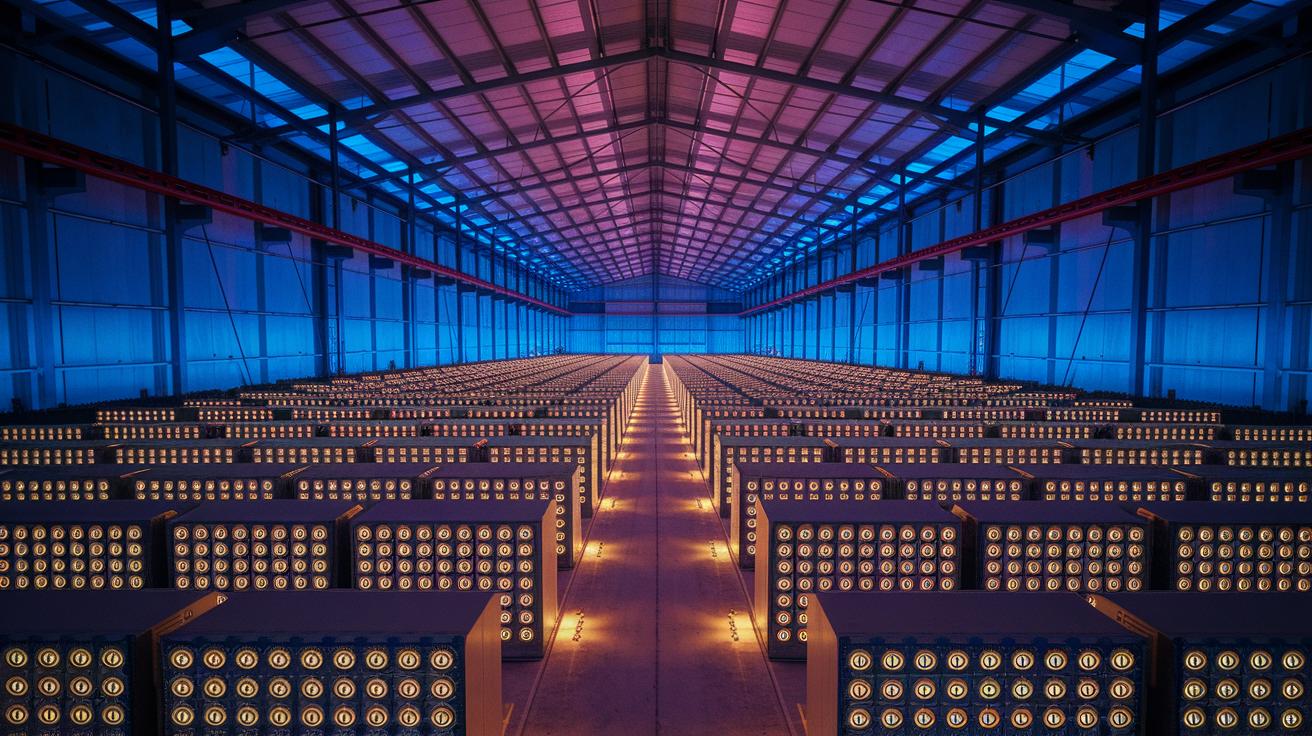
Big mining operations are growing fast, pushing Bitcoin mining into a few state-of-the-art data centers. These large setups are all about getting more bang for the buck even though they require massive investments. Take U.S. miners for example, they now hold about 29% of the total hashrate, and experts say that share might rise significantly by 2028. This trend happens because expensive, specialized ASIC hardware and high capital requirements naturally favor the big players over smaller ones.
Energy policies also steer the mining game. In countries like Iran and Russia, subsidized electricity helps cut down on costs, letting large networks run more cheaply. Meanwhile, smaller operations face tougher costs and a steeper battle to stay competitive. In simple terms, as heavier, industrial mining grows, we see a clear split: large mining farms thrive, and the global landscape shifts to just a few powerful regions.
| Country | % Hashrate |
|---|---|
| United States | 29% |
| China | 20% |
| Russia | 15% |
| Iran | 10% |
| Kazakhstan | 8% |
In the end, this move toward centralization ramps up competition in ASIC technology and pushes energy consumption even higher. Smaller miners struggle to keep up with the large amounts of capital required, leading to a market where geography and technology really dictate who comes out on top.
Security Implications of Centralized Bitcoin Mining
Bitcoin stays secure when lots of miners work together, sharing the load across many players. When mining power is spread out, no single group can take control or change transactions on a whim. It’s like a busy town meeting where everyone has a say instead of letting one voice call all the shots.
But when too much mining power ends up in one place, things can get risky. Big mining pools might decide which transactions to approve and in what order, which can weaken Bitcoin’s built-in safety measures. And when many miners group together in one area, they can become easy targets for hacker attacks or government pressure.
Here are some risks that come with centralized mining:
- 51% attack
- Transaction censorship
- Fee manipulation
- Regulatory shutdown
Over time, these issues could seriously hurt Bitcoin’s strength and reliability. If a single player gains more than half of the mining power, they might start blocking or even reversing transactions. This not only goes against the promise of independent digital money but also opens the door for heavy regulatory control. As risks pile up in these concentrated setups, the trust in Bitcoin’s fair and secure system may eventually dwindle.
Economic and Regulatory Drivers of Bitcoin Mining Centralization
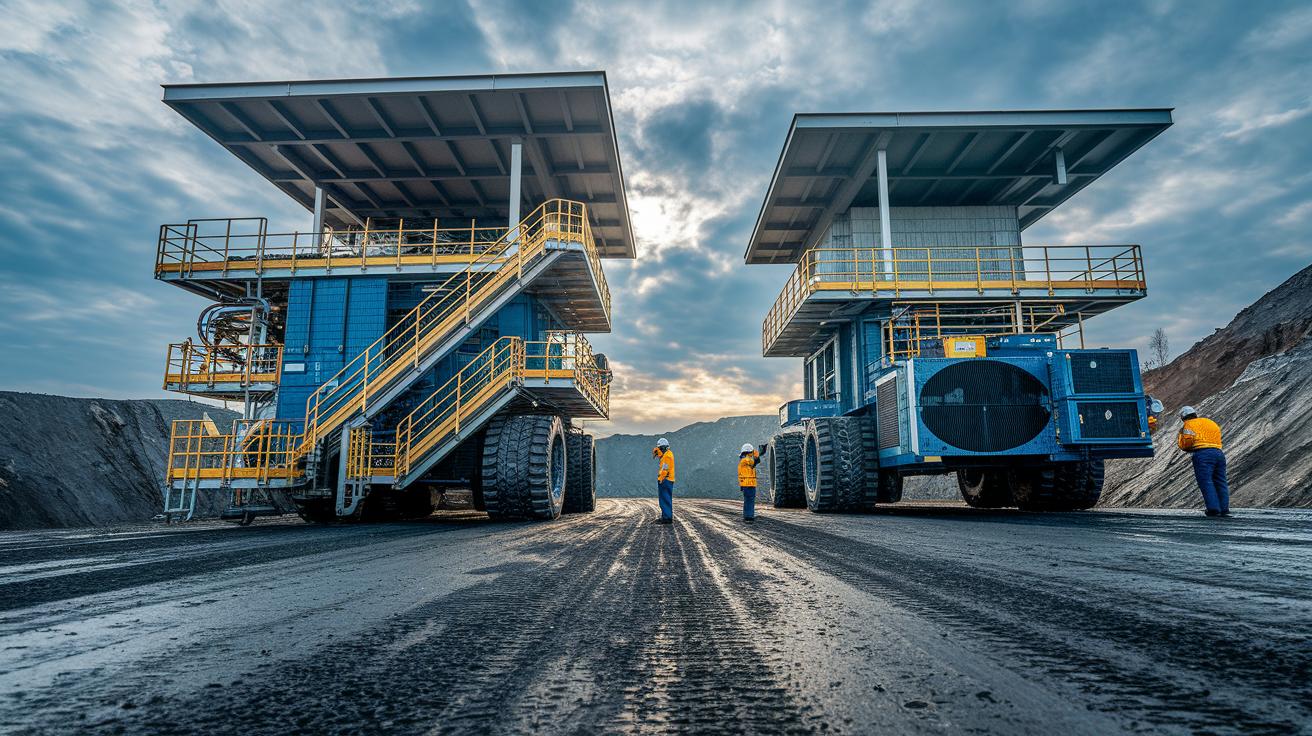
Big mining companies have real cost advantages that keep smaller players struggling. They lock in cheap electricity contracts and win government deals like subsidies and tax incentives, which slash their running costs. These firms typically set up shop in areas where the legal rules favor huge investments. This makes it really hard for new competitors to break in.
- Subsidies
- Tax breaks
- Compliance complexity
- Licensing hurdles
- Investment risk
Government rules and policies play a huge role in this industry. Countries with lenient environmental rules and tempting investment perks not only attract big mining operations, but also push out the little guys. For example, when El Salvador made Bitcoin legal tender in 2021, it sparked even more interest from large institutional miners. This shift wasn’t just about excitement; it ramped up oversight and made the market even tougher.
As rules keep changing, the power balance in mining could flip again. Increased regulatory scrutiny might favor companies that can handle the extra costs, pushing centralization further. But if new laws level the playing field, we might see a more diverse, competitive market emerge. The mix of market forces and government rules is key to whether mining stays in the hands of a few or opens up to more players.
Case Studies of Bitcoin Mining Pool Concentration
Large mining pools are becoming real powerhouses in the Bitcoin world. For example, pools like Antpool, F2Pool, and Poolin now control about 15–20% of the global hashrate (the computing power that helps secure transactions). It's a bit like a sports team where a few star players drive every move, exciting, but it can be risky if one of them slips up.
Smaller operators and independent miners now face stiff competition. When a few pools handle most of the network's security, any mistake or lack of clear oversight can affect everyone. Take Ionic Digital as an example; they made $138.4 million in mining revenue in 2024, hold 2,500 BTC, and even run with zero debt. This shows just how fine the line is between running things smoothly and having too much power in one place.
| Pool Name | Hashrate Share | Headquarters |
|---|---|---|
| Antpool | 18% | China |
| F2Pool | 16% | China |
| Poolin | 15% | China |
| BTC.com | 12% | China |
| Slush Pool | 9% | Czech Republic |
These examples shine a light on the challenges that come with concentrated mining. When control is in the hands of just a few, one small misstep can shake trust and weaken the network's security, putting Bitcoin's original idea of being decentralized at risk.
Bitcoin Mining Decentralization Issues: Optimistic Shift
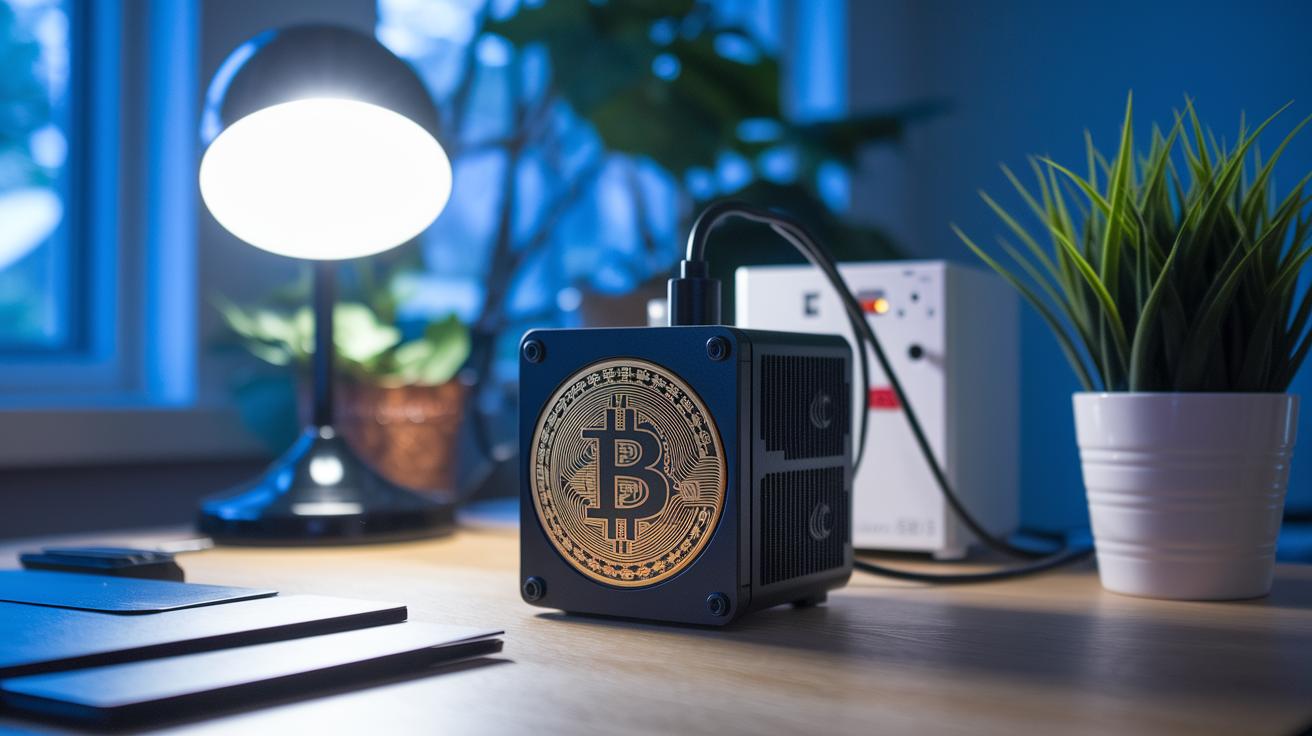
Reforming Bitcoin mining isn't just about a tech tweak; it's a promise to keep Bitcoin true to its original idea, everyone gets an equal shot. Today, the scale is tipping in favor of a few large players, but fresh solutions are showing real potential to even things out.
For example, protocol tweaks to the difficulty algorithm (which sets the challenge for miners) and more adaptive thresholds are designed to give smaller, independent miners a fair chance. New models that mix work-based mining with stake-based elements help distribute control more evenly. Meanwhile, efforts to integrate renewable resources and improve electrical efficiency are cutting costs and easing environmental strain, making small-scale operations more feasible.
• Adjusting difficulty levels can lower the barrier for independent miners
• Hybrid consensus models that blend work-based methods with stake-based elements
• Renewable energy incentives paired with clean energy initiatives
• Grants to help new miners purchase efficient equipment
• Community-owned mining pools that share rewards more evenly
• Innovations in ASIC hardware that boost energy efficiency
Every proposition brings its own mix of hurdles and opportunities. For example, adjusting difficulty levels must be done carefully to avoid unexpected shifts in mining profits. Similarly, while hybrid consensus models could lessen centralization, they need real-world tests to ensure they stay secure. Renewable energy incentives hold promise for cutting operating costs, though integrating these systems can be complex. Miner grants might democratize access, yet they depend on steady funding and transparent oversight. Community-owned pools could rebalance power, but coordinating decentralized governance is still a challenge. And though hardware innovations seem likely to reduce energy use, they require ongoing investment in research and development.
Taken together, these well-planned solutions form a layered strategy that, if rolled out carefully, could revive Bitcoin's decentralized spirit, even as the digital finance landscape keeps evolving.
Final Words
in the action, we examined how decentralization issues impact bitcoin mining decentralization issues, from high hashrate concentration and ASIC dominance to validator pitfalls. We broke down the challenges, traced the economic and regulatory influences, and shared case studies that highlight current trends in large-scale mining.
We also looked at practical reforms, like dynamic difficulty adjustments and hybrid consensus models, that could support fairer network distribution. The analysis leaves us with a hopeful outlook, knowing that innovative solutions may help restore balance and strengthen market trust.
FAQ
What are Bitcoin mining decentralization issues today, including those in 2021 and 2022?
Bitcoin mining decentralization issues refer to the rising dominance of a few large mining pools, which is driven by high equipment costs and entry barriers, leading to a less distributed mining network.
Is Bitcoin decentralized or centralized?
Bitcoin remains decentralized in its design; however, the shift of mining power to a few large pools raises concerns about centralization in practice, potentially undermining network independence.
What consensus mechanism does Bitcoin use?
Bitcoin employs a Proof-of-Work consensus mechanism, where miners solve complex puzzles to validate transactions, ensuring the network’s security and reliability.
Are cryptocurrencies like XRP, Ethereum, Dogecoin, Litecoin, Bitcoin Cash, and TRON decentralized?
While Ethereum, Dogecoin, Litecoin, Bitcoin Cash, and TRON tend to maintain decentralized networks, XRP is often seen as more centralized due to its unique consensus process.
What is the major issue with Bitcoin mining?
The major issue with Bitcoin mining is the high concentration of mining power in a few large pools, which can compromise the network’s integrity by reducing the diversity of validators.
What are the potential risks of centralization in Bitcoin mining?
Centralization in Bitcoin mining raises risks like the possibility of a 51% attack, transaction censorship, and fee manipulation, all of which threaten the decentralized, trustless structure of the network.


