
Ever thought that a small risk might bring in big returns? In altcoin trading, a single dollar could be the key to making three dollars. Altcoins are cryptocurrencies other than Bitcoin, and they often swing in price like a wild stream rather than flowing gently like a river.
Imagine the thrill of quick price changes. It’s like watching the market come alive, every moment filled with potential. In this piece, we break down altcoin strategies using simple ratios and straightforward examples.
We’ll also look at the risks and rewards so you can decide if these unpredictable coins offer real chances for profit. Ever notice how market ups and downs can sometimes feel like a roller coaster ride? Let’s dive in and see if the promises of altcoin investing are as powerful as they seem.
altcoin risk-reward analysis: Profitable Prospects Ahead
The risk-reward ratio helps you see how much you could earn compared to what you might lose. For example, if you're looking at a 1:3 ratio, you risk one dollar to potentially gain three dollars. Picture buying an asset at $30,000, aiming to sell it at $36,000, and setting a stop-loss at $28,000. It’s a simple way to judge if a trade is worth the risk. Fun fact: Many investors were amazed to learn that risking just one dollar could open the door to earning three dollars.
Bitcoin holds a hefty slice of the crypto market, about 40 to 50% of the total value. Because there will only ever be 21 million Bitcoin, it’s seen as a steadier option. Altcoins like Ethereum or Binance Coin usually have smaller market caps and can swing wildly in price. They also offer neat benefits, like faster transactions or lower fees. Imagine a calm, steady river compared to a rapid mountain stream.
When evaluating these opportunities, keep an eye on several key factors:
| Key Factor | Description |
|---|---|
| Market volatility amplitude | How wide the price swings are |
| Liquidity and trading volume | How easily you can buy or sell the asset |
| Regulatory developments | Changes in rules that might affect the market |
| Project fundamentals | The team behind the asset and its purpose |
| Network adoption and activity | How many people are using the asset’s network |
All these elements mix together to shape the potential rewards. When you blend the energy of price swings with the ease of trading and smart project fundamentals, you get a clearer picture of what you might earn. Think about a project with a strong team and an active community, it might just overcome a few bumps along the road to deliver solid returns.
Quantitative Risk Metrics for Altcoin Investing

When you're trading altcoins, a few key numbers help you figure out what you might earn compared to what you risk. The risk-reward ratio shows how much you could gain for every dollar you risk. Standard deviation helps you see how much prices move around their average, and value at risk (VaR) estimates the worst loss you might face with a given level of confidence.
| Metric | Definition | Altcoin Application |
|---|---|---|
| Risk-Reward Ratio | Shows potential gain versus risk | Helps set entry and exit points |
| Standard Deviation | Measures how much prices vary | Assesses past price swings |
| Value at Risk (VaR) | Estimates maximum loss at a given confidence level | Determines capital at risk |
Imagine buying an altcoin at $30,000, aiming to sell it at $36,000, and placing a stop-loss at $28,000. This approach gives you a 1:3 risk-reward ratio, meaning you could potentially earn three dollars for every dollar you risk. Keep in mind that you might need to adjust these targets based on how each altcoin behaves and the market's liquidity.
The best approach is to use these numbers together as part of your trading plan. Fusing clear, numerical insights with practical tools, like stop-loss orders and regular market checks, helps keep your strategy flexible. This way, as market conditions change, you can tweak your plan while still keeping a solid grip on risk and potential returns.
Projecting Altcoin Rewards Through Scenario Analysis
When market conditions get wild, scenario analysis is a must-have tool. It gives traders a way to estimate their rewards, even when prices swing unpredictably.
Let’s imagine three different market setups: bull, base, and bear cases. In a bull scenario, things are looking really good. For instance, if you expect an asset to jump from $100 to $130, you’re looking at around a 30% gain. In a base case, things move steadily, maybe from $100 to $115, offering a moderate, cautious upswing. But if the market turns bearish, you might see a drop from $100 to $90. This downturn helps you plan safety measures, like setting stop-loss points. By using these varied forecasts, you can work out your potential return on investment (ROI) and decide on clear entry and exit points.
Comparing these different outcomes gives you a better view of how small gains can cover potential losses, even if just one scenario pans out. In short, turning these scenarios into specific risk-reward targets helps shape a balanced strategy where even minor wins can offset the risks you take.
Volatility Trends and Impact on Altcoin Rewards
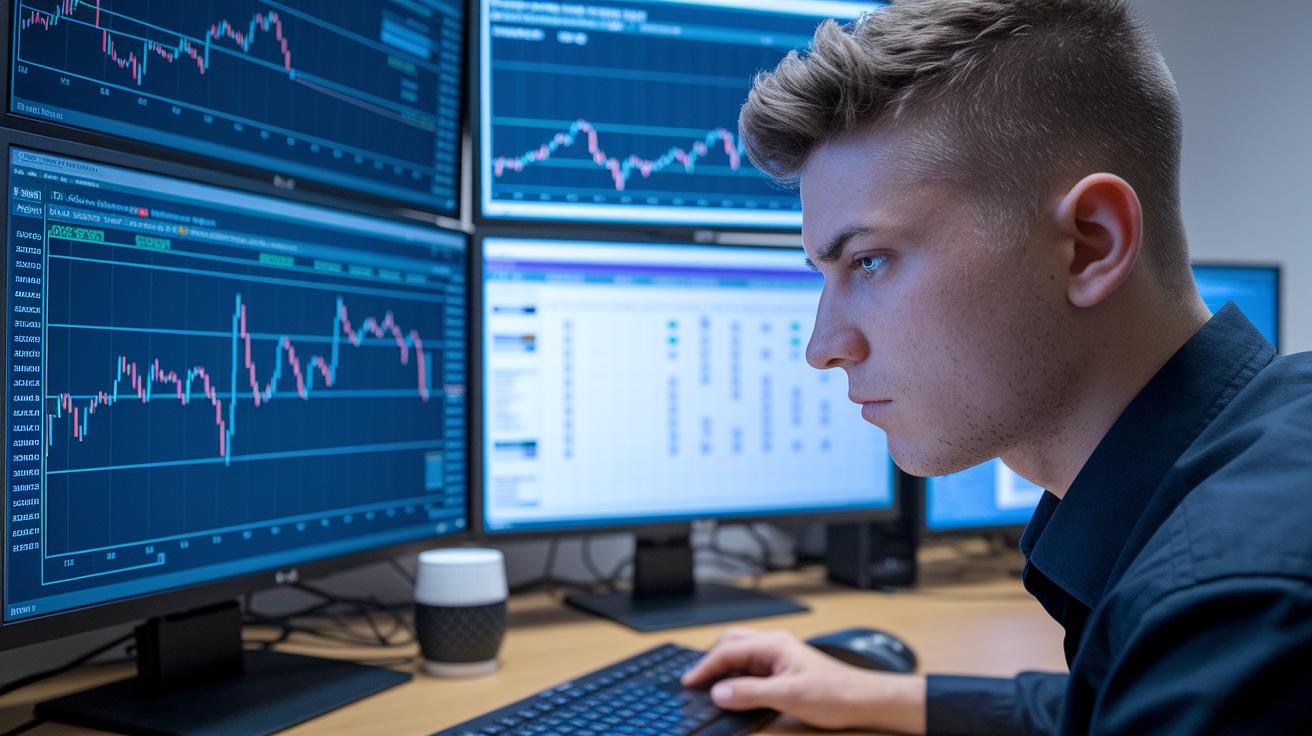
In crypto markets, you often see periods where big price swings happen back-to-back, then things calm down. This kind of pattern is called volatility clustering. It happens when things like regulatory news or major sell-offs shake up the market. Altcoins sometimes show even more movement, about 1.5 to 2 times more volatile than Bitcoin, so these clusters can really change what an investor earns or loses. It’s a bit like a storm hitting suddenly, making traders extra careful.
Forecasting models are like a market’s early warning system. Traders use simple tweaks like moving averages and volatility indexes, which help reveal when sharp changes might come around. Think of these tools as checking the market’s pulse so you can see hints of big moves ahead. By studying past patterns and current signals, these models help set better entry and exit points that match each altcoin’s vibe.
When the market shifts from a clear trend to a choppy one, it’s time to adjust your risk and reward plans. In a trending market, smooth momentum might let you set wider stop-loss levels to ride longer gains. But if the market gets rough, tighter controls help limit losses if prices suddenly flip. Knowing whether the scene is calm or stormy lets you fine-tune your trading approach, striking a better balance between the rewards and risks of investing in altcoins.
Implementing Diversification Tactics in Altcoin Portfolios
Mixing your digital assets can help smooth out the ups and downs of the market and boost steady growth. Pairing Bitcoin with various altcoins spreads out your risk, so if one asset stumbles, others might still shine. By looking into each token's basics, why the team is strong, and key numbers (like how often the network is used), you lower the chance that a single coin will hurt your overall plan. It’s a bit like not putting all your eggs in one basket, helping you catch benefits from many different parts of digital innovation.
Comparative Allocation Framework
Equal-weighting means you give every coin the same slice of your investment pie. It’s easy to set up and treats all coins equally, but it might miss the unique ups and downs or sizes of each asset. So sometimes some coins might surprise you with unexpected moves.
On the other hand, risk-weighted allocation tweaks your investments based on how shaky or stable a coin is. In this approach, you put less money into coins with wild changes and more into steadier ones. This way, your portfolio might dodge sudden big swings, even though you’ll need to keep an eye on things regularly. It’s like arranging your tools based on how often you need them.
Don’t forget the value of regular tweaks. Checking in on your investments at set times lets you adjust your mix with fresh market data. This habit keeps your risk and potential rewards in line as things shift. For extra tips on smart portfolio setups and how to rebalance, visit investment portfolio management.
Risk Controls for Sustainable Altcoin Growth

When you jump into a trade, it helps to set your stop-loss and take-profit orders right off the bat. These simple orders act like safety nets, curbing big losses and locking in gains the moment your price goals are hit. They're like the boundaries of your trading plan, keeping everything on track while you keep an eye on other market clues.
Keeping your altcoins safe is key too. Using a hardware wallet means your keys are stored offline, which cuts down the risk of theft because they’re away from online hazards. And if you set up multi-sig controls, basically requiring a couple of approvals before a transaction goes through, you add another layer of protection. Cold storage, where your assets stay completely off the internet, along with careful key management, acts like a robust lock on your digital valuables. Together, these steps help you feel a lot more secure in a sometimes wild market.
It also pays to stay alert on legal and market changes. A piece of regulatory news can quickly shake up prices, so regularly checking the news lets you tweak your stop-loss and take-profit orders as needed. By keeping up with market developments, you can adjust your risk controls on the fly and protect your potential gains even when things suddenly shift.
Final Words
In the action, we broke down how a clear risk-reward ratio drives altcoin investing. We reviewed quantitative risk metrics, set up scenario models, discussed market volatility, and explored diversification tactics alongside effective risk controls.
These insights help you understand both the potential upsides and the challenges of altcoin investments. By mastering altcoin risk-reward analysis, you can set practical targets and adjust strategies with confidence. Keep refining your approach and stay optimistic as you move forward.


