
Ever wondered if your altcoin approach is really working? With nearly $500 billion in value, every strategy counts. Think of it like assembling a puzzle. Each part, from the team and whitepaper to price action and on-chain data (which shows transaction details), adds to the bigger picture.
In this article, we'll share simple tactics that mix basic checks with smart data clues. You'll learn how to spot genuine opportunities and manage risks with confidence. Ready to see altcoin investing from a fresh, practical angle?
Crypto Altcoin Analysis Best Practices: Winning Tactics
Altcoins now account for almost $500 billion in market value compared to Bitcoin and Ethereum’s combined 70%. It’s a wide-open space where you need to blend simple basics, like the quality of the team, insights from the whitepaper (a document that explains the coin’s idea), and how the token works, with technical clues such as price movements and trading volume. And don’t forget to check the potential income from DeFi (decentralized finance, which means earning money in new ways without traditional banks). In this ever-changing market, shifts in government rules and complex market forces mean you’ve got to stay on your toes. Imagine an altcoin with a creative whitepaper on DeFi but a history of wild price swings; understanding both sides can lead to smarter choices.
To break it down, try these steps:
- First, figure out what type of asset it is and whether it fits any rules set by regulators.
- Dig into the basics like the whitepaper, the team behind it, and the tokenomics (basically, how the coin’s money matters work).
- Look at the charts to spot patterns and check trading volumes.
- Watch on-chain data, a way to see how the coin is moving on its own network, and overall market mood.
- Set clear rules for risk management and think about how much of your portfolio to invest.
- Use research tools that focus on crypto and update your analysis as new info comes in.
This kind of approach really helps tackle the unique challenges of altcoin analysis. By mixing technical data with on-chain figures and the buzz on social media, you can pick up on early signs of trends. Whether you’re spotting a surge in trading volume or noticing active community chatter, these tactics give you a clearer look at opportunities while keeping risks in check. It’s all about balancing the basics with the detailed charts so you can see the real potential in each digital asset.
Fundamental Altcoin Analysis Best Practices

Fundamental analysis is a key tool for understanding altcoins. It helps you cut through the noise and focus on what truly matters. By digging into a project's whitepapers, technical details, and token economics, you create a clear snapshot of its potential. When the basics are solid, you trust that the project might deliver even if market conditions get wild.
Whitepaper and Technical Documentation
Start by reading the project’s whitepaper and technical documents. These explain the project's vision and roadmap. Look for clear lists of features, set milestones, and real-life examples showing the tech in action. A whitepaper that spells out specific development steps shows the team has thought through technical challenges and needs.
Tokenomics and Supply-Demand Analysis
Next, take a closer look at the coin’s tokenomics. This means checking details like the total supply, distribution schedule, and vesting periods, as well as any incentive structures in place. Think about how the coin’s inflation rate and demand factors might affect its price over time. A solid tokenomics plan usually hints at a strategy built for long-term value rather than just a quick win.
Team, Governance Model and Community Review
Don’t forget about the people behind the project. Check the development team’s skills, diversity, and past achievements. Look into how decisions are made, often seen in on-chain votes or active community discussions. A lively, involved community often tells you the project is transparent and adapts based on real stakeholder input.
Decentralized Network Appraisal and Regulatory Standing
Finally, study the network itself. Look at its consensus mechanism (how it agrees on transactions), count its nodes, and see how often it updates. Also, check for legal compliance with any disclaimers or official registrations. This step is important to make sure the project meets legal standards and keeps regulatory risks in check.
Technical Crypto Analysis Techniques for Altcoins
Technical analysis for altcoins means looking at past price and trading volume data to guess where the market might be headed next. By checking out charts, investors can catch patterns that hint at a coin's potential turnaround. For instance, spotting a broken trendline might signal an upcoming change in price, just like dark clouds hint at a storm. This approach uses a set of handy tools to confirm moves and gauge how strong a trend really is.
| Indicator | Primary Usage |
|---|---|
| RSI | Helps spot when a coin might be overbought or oversold |
| MACD | Looks at trend strength and shifts in momentum |
| Moving Averages | Shows trend direction and acts as moving support or resistance |
| VWAP | Calculates the average trading price, weighted by volume |
| Support/Resistance Zones | Marks key price levels for buying or selling |
Using these tools gives investors a clear picture of market behavior. For example, when the MACD line crosses above its signal line, it usually means that positive momentum is building – a sign that could be key for deciding when to enter the market. Likewise, if the RSI drops to a very low level, it could mean that a coin is oversold and might bounce back soon. Moving averages work to smooth out the ups and downs in price, providing clear, moving checkpoints. VWAP, which weighs the average price by volume, adds an extra layer to understanding trading activity. And those support and resistance zones mark crucial price levels where the market might slow down or even reverse, much like important stops along a journey. Together, these technical tools and observations of volume and price shifts build a strong framework for altcoin analysis, helping guide investment decisions with a solid, data-driven basis.
Risk Management and Volatility Metrics in Altcoin Analysis
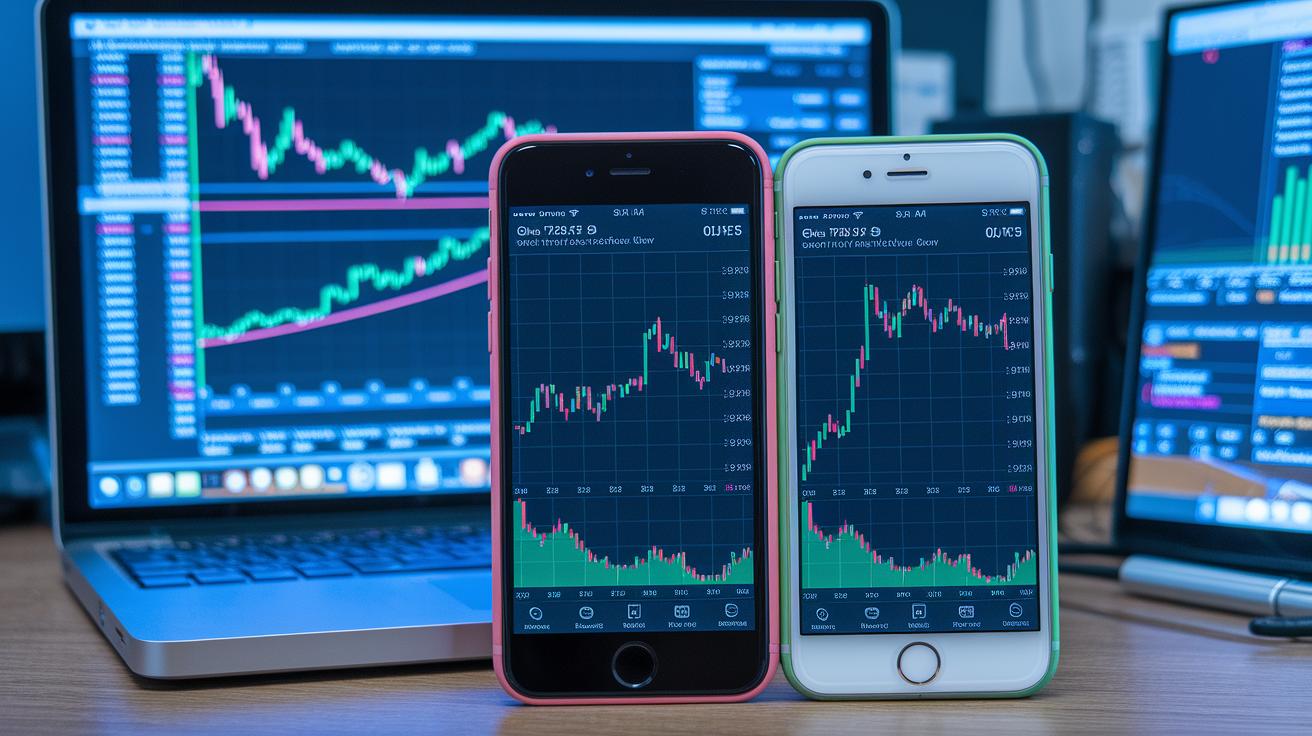
Altcoins, especially the smaller tokens, often swing wildly in price. We can measure this risk using historical volatility (which shows how much prices go up and down over time) and beta calculations (a look at a coin’s reaction compared to the overall market). Larger tokens, on the other hand, tend to be steadier, and tracking their market capitalization gives us a sense of that stability. Knowing how fast a coin’s price changes helps you plan your moves and get ready for sudden shifts.
Diversification is a smart way to handle risk. Rather than putting all your funds into one digital asset, why not split your money between a volatile altcoin and some stablecoins or well-known altcoins? Careful position sizing, basically, limiting how much you invest based on how erratic the coin’s price is, provides an extra safety net. For example, keeping a small part of your portfolio in a jumpy altcoin lets you join in on potential gains while keeping the rest of your investment safe.
Having clear exit strategies is another key part of smart risk management. Stop-loss orders can help you avoid big losses when prices drop suddenly, and setting exit points based on how volatile a coin is lets you sell before things get worse. Regularly rebalancing your portfolio, adjusting your holdings to lock in gains and prevent steep losses, can make a big difference. In truth, this balanced approach helps investors handle risk and work toward steady, long-term growth even when the market feels unpredictable.
On-Chain and Sentiment Data for Altcoin Market Insight
On-chain analysis helps you see how funds move on the blockchain by using tools like Lookonchain, Nansen, Etherscan, and DexTools. These sites let you track wallet flows, check out large investor moves, and watch smart contract actions (smart contracts are computer programs that run on the blockchain to automate tasks and agreements). For instance, if you notice a huge transfer from a big wallet, it might mean a price change is coming up. Watching wallet activities and how many addresses hold a coin gives you clues about where the market might go. It’s like having a window into the real-time behavior of digital assets, helping you shape your plan.
Sentiment analysis adds another layer by looking at social media and news to spot changes in how investors feel. Tools that measure sentiment can tell when people are overreacting or when it looks like a good time to go against the crowd. Simple metrics like lively forum chats and GitHub code updates can show how active developers are and how healthy a project might be. When you blend these sentiment hints with on-chain data, you get a full picture of the market mood, so you can see how much trust and excitement there is before price moves happen.
Altcoin Ecosystem Benchmarking and Comparative Evaluation

Altcoin projects come in all sizes, so looking at market cap is a great way to get started if you're an investor. When you check altcoin market caps against Bitcoin’s roughly 50% share and Ethereum’s close to 20% share, you instantly grasp their size and influence. It’s a bit like glancing at your fuel gauge before a long drive, seeing which tokens are picking up speed and which ones may be slowing down. For instance, if a few promising altcoins together nearly match a major cryptocurrency’s market value, that’s a sign that the trend might be shifting.
It also helps to sort tokens into groups like stablecoins, utility tokens, and governance tokens. Doing so makes comparing these alternative assets much clearer. By ranking them based on how many tokens are available and how much trading happens, you can tell how liquid they are. Imagine checking a stablecoin that keeps a steady flow of tokens with strong trading activity; that reliability is as reassuring as a well-tuned engine cruising over different terrains.
Another smart tactic is to compare similar projects side by side. Whether you’re looking at DeFi platforms, gaming tokens, or core blockchain systems, seeing how each one performs in its own corner of the market gives you deeper insight. Think about altcoin season when tokens outside of Bitcoin really shine, it’s during those times you can spot the real leaders. This careful, data-driven approach helps you make solid decisions in a rapidly changing market.
Tools and Resources for Crypto Altcoin Research
When you're diving into the altcoin market, having the right data and chart tools is like having a clear map in a busy city. Blockchain explorers such as Etherscan let you easily follow transactions, while on-chain platforms like Nansen and Glassnode give you a real-time peek into wallet activities and network shifts. Charting services like TradingView break down price trends into simple visuals that feel almost as clear as looking through a clean window. And when you want to gauge the chatter on social media, sentiment trackers like Santiment and LunarCrush capture the vibe perfectly.
DeFi dashboards like DefiLlama make it simple to keep track of decentralized finance numbers, and API-based apps step in to automatically handle tax and portfolio data from major exchanges and wallets. Imagine this: you crack open a live chart that instantly shows market moves, pinpointing the exact moment a token starts to pick up interest.
Security audits and research dashboards round out your toolkit. Reports from firms like SolidProof shine a light on any protocol flaws, acting like a quick health check for potential risks. Plus, research aggregators pull together clear case studies and lists of promising tokens, working like a handy guide that helps you spot hidden opportunities in a busy market.
Integrating Altcoin Analysis into Investment Strategy

When you mix altcoin analysis with a clear investment plan, you want to set firm targets for where your money goes. Think of it like packing a toolbox: you decide which tool goes where. A common method is to invest 5–10% in well-established altcoins, put aside around 5% for riskier microcaps (smaller coins that can swing wildly), and keep 10–20% in stablecoins to help smooth out market ups and downs. For example, if you discover an altcoin with promising fundamentals and clear technical trends, you might slot it into the top-tier group, while the more speculative ones become your experimental bets for bigger gains.
It’s also smart to check on your portfolio regularly. Setting up a review schedule, say, once a month or every few months, can help you keep everything in line with your risk comfort zone. Imagine your portfolio like a thermostat; if an altcoin suddenly jumps or drops, you can tweak your holdings according to pre-set rules. This way, your investments stay balanced, even when market winds shift suddenly.
Finally, measuring how your strategy is working against known benchmarks is key. Track your return on investment (ROI) and compare your gains with well-known crypto indices. This approach lets you see if your investments are keeping pace with the market, and it gives you the data you need to fine-tune your altcoin strategy.
Final Words
In the action, the post breaks down how to assess altcoin projects through clear steps covering fundamental evaluation, technical studies, risk management, sentiment tracking, and ecosystem benchmarking. It shows you how data-backed insights can boost your confidence when studying market movements or new fintech tools. Following crypto altcoin analysis best practices can really help you form a smart investment strategy. Each aspect aims to empower you with actionable guidance, making your decision-making process more straightforward and rewarding. Keep moving forward with optimism and informed insight.
FAQ
Frequently Asked Questions
Q: What are the free crypto altcoin analysis best practices?
A: The free crypto altcoin analysis best practices combine a review of team, tokenomics, technical patterns, on-chain metrics and risk management steps to help you make clear decisions in a volatile digital asset market.
Q: What are some top websites for crypto fundamental analysis?
A: The best websites for crypto fundamental analysis include platforms like Coinbase, Binance, Gecko Labs, Messari, and Block Solutions Sdn Bhd, all of which offer rich, data-driven insights into digital asset evaluation.
Q: How can I analyze cryptocurrency charts effectively?
A: The process to analyze cryptocurrency charts involves studying price patterns, volume trends, and indicators like RSI and MACD to identify overbought or oversold conditions and key support or resistance levels.
Q: Where can I find a PDF guide for fundamental analysis of cryptocurrency?
A: The PDF guide for fundamental analysis of cryptocurrency usually details methods to assess whitepapers, team credentials, tokenomics and on-chain data, providing a structured approach to evaluating a digital asset’s potential.
Q: How do crypto analysis tools support evaluating altcoins?
A: The crypto analysis tools help by aggregating data from on-chain activity, market movements, technical indicators, and sentiment analysis, allowing you to gauge price trends, asset health, and potential risks effectively.


