
Ever thought your weekly grocery run might hint at bigger market shifts? Imagine your neighborhood supermarket as a lively narrative, where small price tweaks and attractive online deals reflect the pulse of our economy.
Right now, even though shoppers seem a bit unsure and prices are climbing, many stores are picking up momentum. They’re mixing friendly, familiar aisles with smart new online tools that make shopping feel both modern and comfortable.
In this article, we take a closer look at these changes and explore how grocers are adapting, even when everyday shopping seems to stir up surprises in the market.
Current U.S. Grocery Market Trends and Growth Forecasts
The US grocery market is looking forward to steady growth in 2025, even though economic worries still loom large. Rising inflation and tariffs on goods from Mexico and Canada are nudging food prices higher and shaking up supply chains. Did you know that February 2024 saw the biggest drop in consumer confidence since August 2021? It’s a clear sign that even everyday basics aren’t immune to the ups and downs of the global economy. Still, many retailers are charting clever course corrections through these bumps.
Grocery stores are taking a hard look at how they price items and manage stock in the face of rising costs. Picture a neighborhood supermarket considering an upgrade in its inventory systems because price hikes are starting to send ripples through the market. The industry is proving its resilience by tweaking its operations and preparing for growth, even as trade troubles and high expenses test the system.
On the online side, digital food and beverage sales are climbing as more people embrace the ease of web shopping. Big players like Walmart, Amazon, and Costco are leading the charge, while smaller specialty chains, budget stores, and direct-to-consumer brands are quickly polishing up their online platforms. Imagine a retailer evolving from a basic delivery service to offering a full digital shopping experience that meets a wide range of needs.
Since the pandemic, both traditional and digital stores have been pushed to innovate. Today’s grocers mix the best of physical stores with smart digital tools, crafting a shopping experience that meets changing consumer habits. This blended approach is key as they work to keep up momentum despite inflation, fierce competition, and ever-changing buying patterns.
grocery market trends: Bold, Fresh Outlook
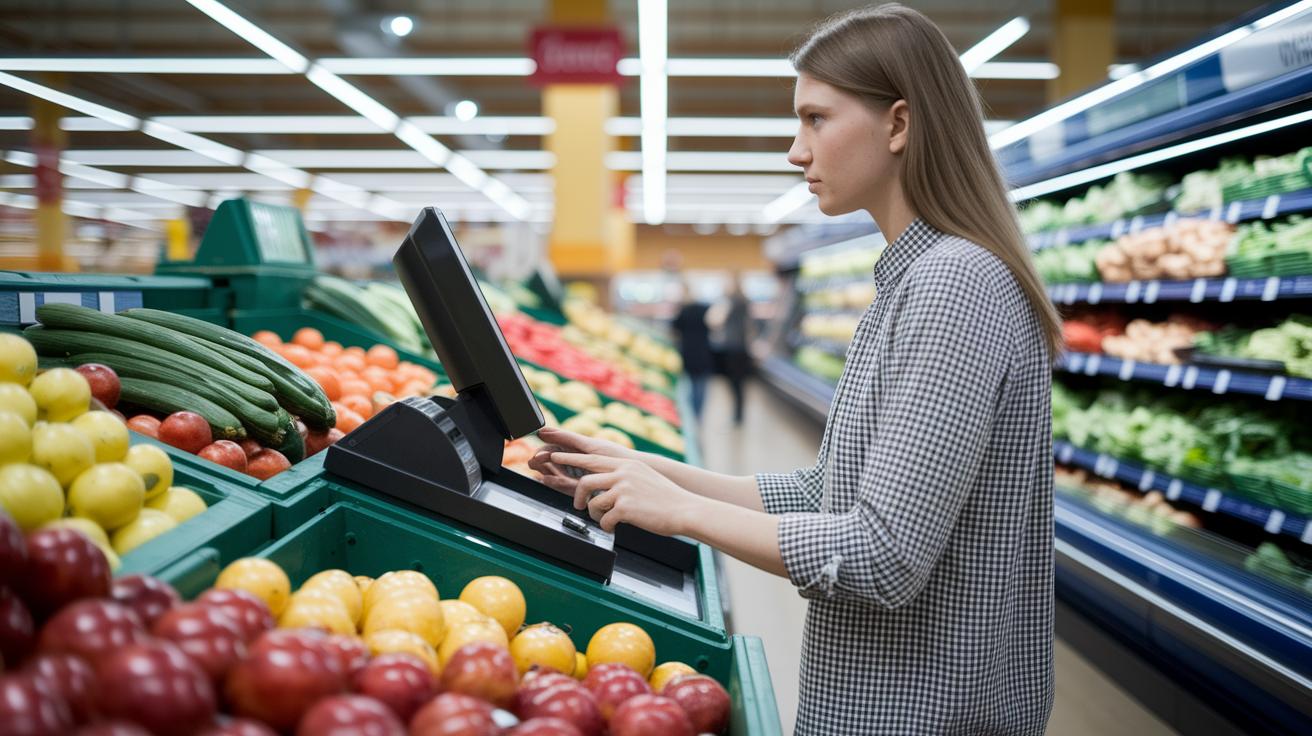
Online grocery shopping is changing how we buy our food, and it looks set to grab more than 12% of all U.S. grocery sales by 2028. More folks are turning to digital aisles because it makes shopping so easy. Just think about a small store offering special online discounts in 2024 , it’s like they’re inviting you in with irresistible deals, making the digital experience as friendly as a walk down a familiar neighborhood aisle.
The shift to digital buying is clear, especially with subscription models popping up to nurture customer loyalty. Some stores now offer memberships that come with extra savings and early access to new items. This isn’t just about making a sale; it’s about building a real connection with customers. Ever notice how a little perk can make you feel more valued?
Stores are also mixing online and offline services to boost convenience. Many grocers now offer things like contactless pickup and Scan & Go services, powered by smart tech like AI and computer vision. These tools smooth out the shopping process, letting you check out quickly and feel like the service is made just for you.
Key parts of this transformation include:
| What’s Shifting? | How It Helps |
|---|---|
| More online orders | Customers enjoy the ease of digital shopping |
| Delivery innovations | Discounts and smart delivery options boost sales |
| Integrated in-store tech | Smooth, fast checkouts and a personalized feel |
These changes show a vibrant mix of tradition and modern tech in the grocery market – a future where shopping is faster, friendlier, and smarter.
In-Store Technology and Innovation in Grocery Market Trends
Many shoppers now expect a super-fast checkout experience. In fact, 73% of consumers want a quicker finish to their shopping trip, and 86% of store managers are all for speeding things up. Imagine walking into your local store, grabbing your favorite items, and checking out in a flash, as Sarah did, finishing her shopping in under five minutes with a smart self-checkout terminal.
Retail tech is changing the game. New advances in AI (that’s artificial intelligence, which helps machines learn and decide) and computer vision (technology that lets computers “see” and understand images) are powering Scan & Go systems. These digital helpers blend new technology with the regular in-store experience, making shopping smoother and simpler.
Experts predict that self-checkout machines will get even more popular. By 2029, there could be as many as 2 million smart terminals in stores around the world. This shows how the move towards digital tools is making every visit more efficient and enjoyable for everyone.
Fresh and Organic Focus: Reinventing Grocery Traditions
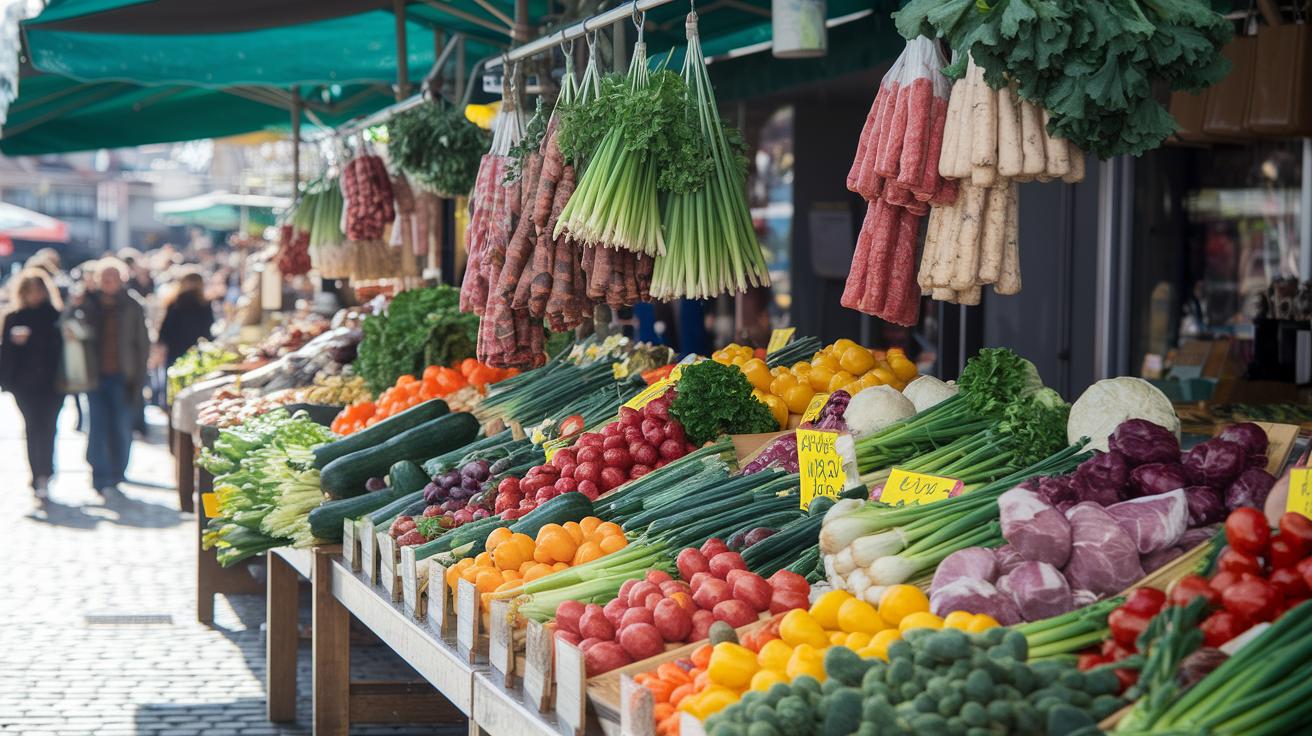
Today, more people are choosing fresh, organic produce and a closer connection with their local community. Almost nine out of ten shoppers say fresh foods remind them of health and happiness. Many grocery stores are now focusing more on produce, deli, and meat, with over half planning to maintain this emphasis through 2027. Imagine strolling into a neighborhood market filled with bright, crisp vegetables and freshly cut meats, very much like a vibrant local farmers market.
Retailers are also adding extra perks like cooking classes, new recipe ideas, and meal planning tips to help everyone make healthier choices. For instance, one small grocery chain started hosting live cooking sessions every week. This simple twist turned everyday shopping into a fun and educational experience that brings people closer to the source of their food.
Many shoppers are curious about where their food comes from, so stores are promoting items from local farms. This drive for local sourcing gives a true farm-to-table feel. At the same time, stores are testing eco-friendly packaging options to offer a cleaner, greener shopping experience.
Key changes in this trend include:
- A focus on organic and minimally processed foods.
- More hands-on learning through cooking sessions both in-store and online.
- Smart local sourcing that strengthens community ties.
| Trend | Consumer Benefit |
|---|---|
| Fresh, organic produce | Better health and happiness |
| Local sourcing | Community support and fresher options |
| Eco-friendly packaging | Reduced environmental impact |
Changing Consumer Behavior and Loyalty in Grocery Market Trends
More shoppers are now looking for real value in what they buy instead of just snapping up the cheapest deal. Michelle Evans from Euromonitor explains that people care more about perks like friendly service and top-notch quality than they do about saving a few dollars. So, grocery stores are shifting their focus from a price war to building meaningful connections with their customers.
Grocers are retooling their strategies by diving into customer data, think purchase habits and basic demographics, to offer deals that really hit home. Ever notice how a well-timed coupon for your favorite snack can brighten your day? That’s smart, data-based thinking at work, a little nudge that shows you’re more than just a number.
Subscription models are also stepping into the spotlight. Just like your favorite streaming service keeps you coming back for that new hit show, these programs offer steady savings and exclusive treats. Some stores now give membership perks like special discounts, early access to new products, and even custom-curated shopping experiences that feel made just for you.
Online, retailers are turning their digital spaces into ad hubs that use detailed insights about how we shop. They’re careful, though, not to depend too much on outside platforms that can hide important customer details. Instead, they’re unifying their own first-party data to power loyalty programs that truly work.
Key changes in this trend include:
- A shift from shopping driven solely by low prices to one focused on true value.
- Personalization driven by clear, data-based insights.
- Subscription models that encourage steady, long-lasting loyalty.
- A careful, in-house approach to using customer data over third-party platforms.
Chain Performance and Regional Dynamics in Grocery Market Trends
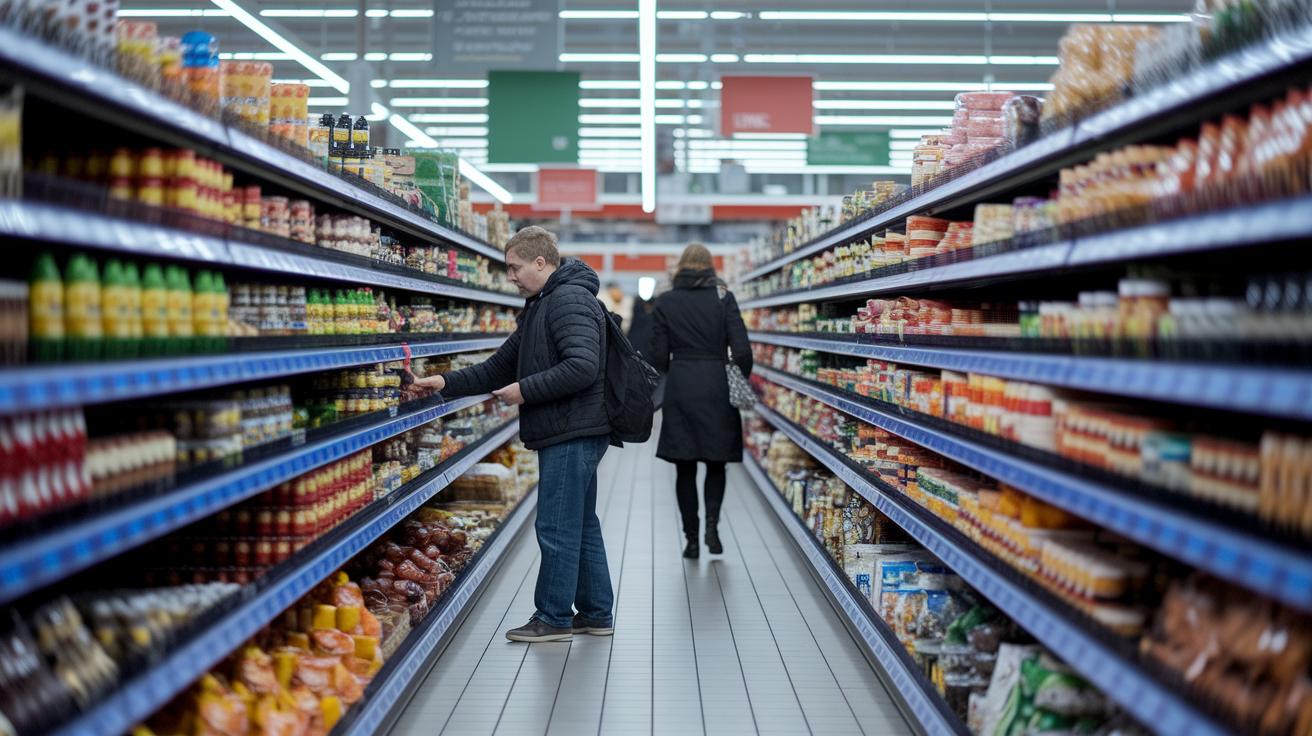
National chains like Walmart, Kroger, and Costco are still topping the U.S. grocery scene. They grab a large market share thanks to smart logistics and efficient operations. For example, Walmart uses its huge scale to keep prices low and meet a variety of customer needs.
Kroger’s story is pretty amazing. Their Our Brands line offers 13,000 products and pulls in about $30 billion each year, almost like turning everyday groceries into blockbuster hits. This smart strategy not only helps Kroger lead in revenue but also shows how well they spread their products across the country.
Meanwhile, local grocers are carving out their own niche. They connect with customers through local ads and community events, making sure they stay relevant even when supply issues and tariffs create challenges. One local manager said, "Our tailored community approach helps us maintain steady sales despite broader market pressures."
| Chain | Key Metrics |
|---|---|
| Walmart | Unmatched logistics & market reach |
| Kroger | 13,000 products; $30B in annual sales |
| Costco | Strong customer loyalty and performance |
Future Projections and Strategic Outlook for Grocery Market Trends
Retailers are now shifting their focus to how grocery stores can bounce back after the pandemic. Earlier, we looked at digital trends like increased online grocery orders and more self-checkout options. Today, the key story is how personalized offers powered by data and fresh tech are changing both store layouts and the way shoppers are engaged. For instance, one leading supermarket chain completely revamped its entire setup after a major disruption, quickly mixing online tools with store improvements to meet new buying habits.
Retailers are pouring resources into both digital upgrades and in-store improvements to align with these recovery trends. By fine-tuning their forecasting methods and leaning into tech changes, they're setting themselves up to keep pace with evolving customer needs while building on the growth patterns we’ve seen so far.
Final Words
In the action, we unpacked shifts in the U.S. grocery market trends, from digital growth to fresh food priorities and evolving retailer strategies. We explored how shopper habits and in-store tech work side-by-side to shape a dynamic environment. Each segment sheds light on steps taken by grocers to stay ahead amid economic pressures and innovation. These insights serve as a clear guide for managing market shifts and setting up for a brighter retail future. Everything points toward positive outcomes for those keeping an eye on grocery market trends.
FAQ
Q: What are the grocery trends predicted for 2025?
A: The grocery trends for 2025 indicate steady market growth driven by digital sales expansion and evolving consumer preferences, even as economic headwinds like inflation and supply issues persist.
Q: What grocery trends are shaping 2024?
A: The grocery trends in 2024 show shifting consumer confidence, increased online grocery engagement, and more investments in in-store technology as retailers adapt to inflationary pressures and market shifts.
Q: What factors drive U.S. grocery market trends?
A: U.S. grocery market trends are shaped by positive growth forecasts, competitive pressures from digital retailers, and evolving consumer behaviors, all influenced by economic headwinds and technological advances.
Q: How does Nielsen grocery data inform market insights?
A: Nielsen grocery data informs market insights by revealing consumer behavior shifts, store performance, and market share movements, which help retailers fine-tune their competitive strategies.
Q: What does the U.S. online grocery market size look like?
A: The U.S. online grocery market size is expanding, with projections suggesting online sales will exceed 12% of total grocery sales by 2028, driven by technological advancements and evolving shopping habits.
Q: What are the trends in grocery store market share for 2024?
A: The grocery store market share in 2024 is largely held by major chains like Walmart, Kroger, and Costco, with regional players using local strategies to carve out niche markets in a competitive industry.
Q: What key grocery store statistics define today’s market?
A: Key grocery store statistics reveal growth in digital orders, rising consumer satisfaction, and increased adoption of self-checkout and digital checkout systems, highlighting an industry focused on innovation and efficiency.
Q: How do grocery store industry benchmarks guide retailer strategies?
A: Grocery store industry benchmarks guide strategies by emphasizing technology integration, effective loyalty programs, and cost management, which provide retailers with actionable insights for strengthening their market positions.


