
Ever wonder why buying dollars in Nigeria can sometimes cost way more naira? In cities like Lagos and Abuja, traders are listing dollars at around ₦1,545 each. That jump tells us the demand for dollars is far outpacing what official channels can offer, so many people turn to underground exchanges instead. In this article, we break down the main reasons behind this unexpected price rise and explore how everyday economic forces influence local exchange rates.
Live Black Market Dollar to Naira Rates
On July 16, 2025, local traders in Lagos, Abuja, and Kano set the US dollar sell rate at ₦1,545 and the buy rate at ₦1,530. This information comes right from the streets where aboki traders work, showing you the real picture of underground pricing. So, if you decide to exchange $100, you would quickly get ₦154,500, reflecting a market that wavers with every moment.
| Dollar Amount | Naira Value |
|---|---|
| $100 | ₦154,500 |
| $200 | ₦309,000 |
| $400 | ₦618,000 |
| $500 | ₦772,500 |
| $1,000 | ₦1,545,000 |
| $3,000 | ₦4,635,000 |
Keep in mind, these numbers are higher than the official rates from the Central Bank of Nigeria and are unofficial. They capture the real vibe on Nigeria’s streets, where underground exchanges reveal the true market pressures and the high demand for US dollars by locals.
Core Factors Influencing Black Market Dollar/Naira Rate

The unofficial market for dollars kicks in when official channels can’t meet the high demand. When the official supply falls short, people start looking for easier ways to get cash. This leads to a pricing scene that mirrors real economic struggles and political worries, especially when traditional bank tools just don’t cut it.
- Dollar shortage caused by a limited official supply
- Strict measures such as rigid CBN import rules
- Speculation spurred by remittances and changes in oil revenue
- Shifts driven by political instability
- Weak economic diversity that stifles widespread growth
- High trader premiums set by aboki networks
Each of these points pushes up the unofficial rate. With dollars being scarce, prices climb quickly. At the same time, strict import rules and tight regulations deepen the demand on side markets. Speculation adds an extra layer of unpredictability as political unrest and a narrow economic base widen the gap between supply and demand. Aboki networks fill this gap by charging extra fees on every transaction, reflecting the overall tension and shifting challenges in today’s currency exchange environment.
Historical Black Market Dollar to Naira Rate Trends
Over the decades, Nigeria's unofficial exchange rates have been a silent witness to major economic changes. Since the 1986 Structural Adjustment, these rates have tracked shifts in policy and global oil shocks. This has left a clear and consistent gap between the official rate and what you’d find on the street, showing that market pressures have always been strong.
1986–1999 Policy-Driven Devaluations
Back then, sweeping changes like the Structural Adjustment and new central bank reforms led to official devaluations. The informal market adapted quickly. Aboki traders, for instance, started adding a premium because every new policy meant a fresh challenge in pricing. Imagine a chef tweaking a recipe until it’s just right. That’s how these traders adjusted to each new rule.
2000–2014 Aboki Market Expansion
Entering the new millennium, local trading networks really took off. Official channels tightened, limiting the available US dollars. In their place, street dealers built robust networks. Their higher pricing made everyday exchanges reflect a new, steadily rising rate as more and more people turned to these aboki networks for foreign currency.
2015–2025 High Volatility Period
More recently, the unofficial exchange rate has seen wild swings. Factors like oil-price collapses and growing economic challenges have made things unpredictable. It’s a bit like a sudden storm, each rate jump or drop points to deeper economic shifts, impacting local traders in real, tangible ways.
Official vs Black Market Dollar to Naira Comparisons
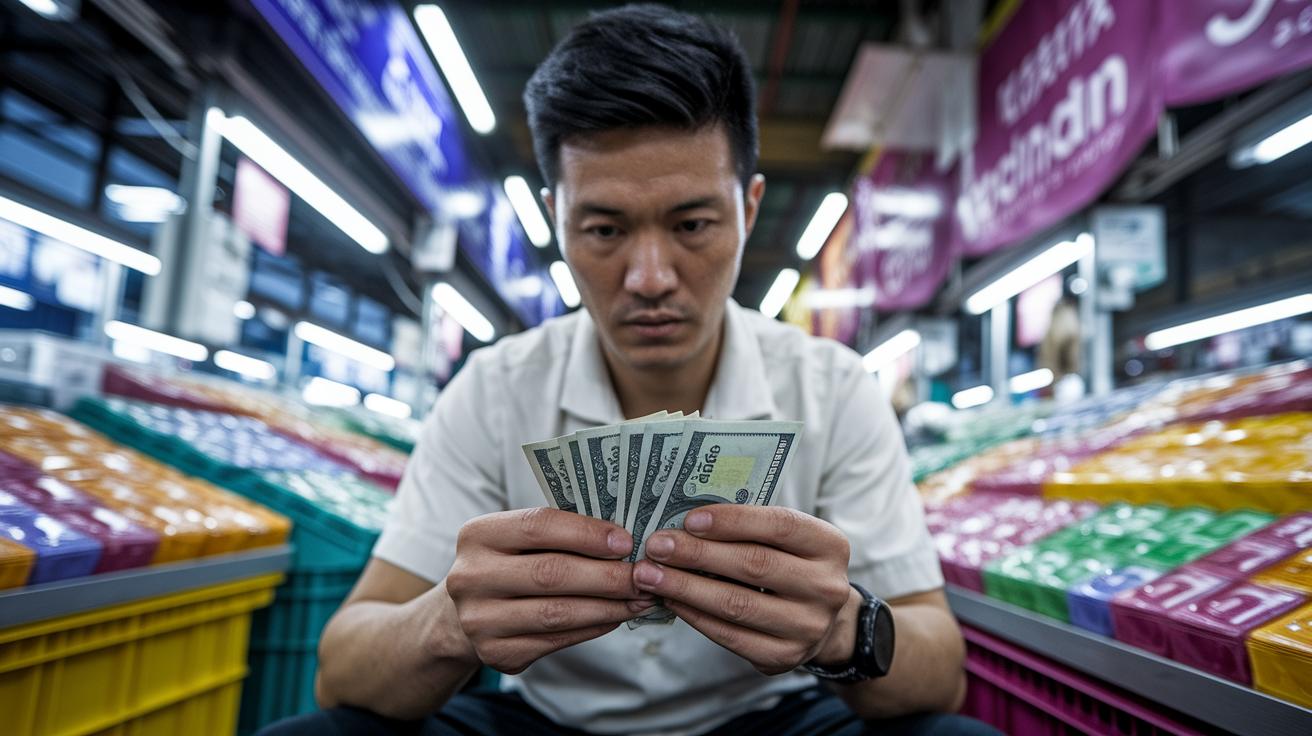
The Central Bank of Nigeria (CBN) sets an official exchange rate that helps guide economic targets and keep monetary stability in check. They carefully control how many dollars are available and regularly adjust the rate based on the economy’s performance. This planned rate gives a neat, organized view of the currency’s value but sometimes doesn’t capture the fast-changing pressures of the real market. For example, while it reflects the government’s fiscal plans, it often misses the everyday ups and downs caused by shifts in supply and demand.
On the other hand, the black market rate, currently around ₦1,545 per US dollar, is always higher than the official one. This big gap exists because access to dollars is limited through official channels, and strict policies often hold back supply. Traders also react quickly to market signals, which only widens the difference. This ongoing gap means that unofficial transactions come with a premium, affecting importers, remittances, and local pricing, and it shows just how much the limited dollar supply is influencing Nigeria’s economy in the real world.
Navigating Black Market Dollar to Naira Transactions Safely
When you need quick access to US dollars in Nigeria, local dealers, often known as aboki dealers, might seem like an easy fix. But keep in mind, dealing with informal foreign exchange brings both legal risks and real-world challenges. It’s a bit like balancing on a tightrope, one misstep could lead to trouble. Always use trusted sources and check live rates on multiple apps to stay one step ahead of fraud. This way, you'll be better prepared for sudden shifts in the underground forex market.
Here are a few tips to help you handle these transactions more safely:
- First, make sure you only work with dealers who come recommended by people you trust. Something like asking, “Has anyone had a safe experience with this dealer?” can really help confirm their reliability.
- Next, always compare live rates. Use several platforms or local apps to see if the rates match up. Any differences might be a red flag.
- Start small. Try out a little trade before risking a big sum. Think of it as dipping your toes in the water to see how safe it is.
- Take a close look at every dollar note you receive. Check for any signs that they might be counterfeit, just like you’d double-check a receipt to make sure everything is right.
- Lastly, pay attention to any warnings or alerts from local authorities. If you hear about new regulations or scams, be ready to pull back immediately.
Remember, this advice is just to help guide you through these unofficial transactions and isn’t a substitute for professional financial advice. Staying alert, informed, and cautious is key because the risks, whether fraud or unexpected legal changes, can pop up at any time.
Risks and Economic Impact of Black Market Dollar to Naira Rates
Messy, unmonitored trading in the unofficial market creates serious risks for everyone. It often means fake currency starts circulating and ramps up the chance for money laundering (where illegally obtained money is made to look legal). This kind of trading can push prices upward, making everyday goods more expensive for consumers. Plus, when big sums of money move outside the official system, it chips away at government revenue.
Businesses also get hit hard by this unpredictability. Their budgets can feel like a wild roller coaster ride, making it tough to plan ahead when even a small disruption can ripple through the economy. The overall economic stability takes a hit too. Fluctuating black market rates shake confidence, drive up costs, and complicate planning for many companies. And when authorities start clamping down unexpectedly, it only adds to the stress on the financial system. Remember, these numbers are just for info, they don’t paint the full picture in an ever-changing market. Stay alert, as this landscape is unpredictable and influenced by forces unseen in regulated trade.
Final Words
In the action, we explored live rate snapshots, market forces behind rate swings, historical shifts, differences from official figures, safe transaction tips, and wider economic risks. Each section painted a clear picture of how informal trading shapes local currency value.
This discussion helps investors grasp how unofficial trends tie to everyday market moves. Keep an eye on the black market rate of dollars to naira as a key trend indicator, and stay positive about making smart, informed moves in a constantly shifting financial scene.
FAQ
What is the black market rate of dollars to naira today?
The black market rate today stands at about ₦1,545 per US dollar for selling and ₦1,530 for buying, reflecting unofficial real-time values set by local dealers.
How much is $1 and $100 converted to naira in the black market?
The conversion value indicates $1 amounts to roughly ₦1,545, while $100 converts to close to ₦154,500, offering a clear snapshot of current trading rates.
What does the bank rate mean compared to the black market rate for dollars to naira?
The bank rate is officially set by the Central Bank of Nigeria, yet the black market rate is considerably higher due to limited official supply and trader premiums.
How is the black market dollar to naira rate monitored in Nigeria?
The rate is tracked by local traders in key cities like Lagos, Abuja, and Kano, who update prices based on current demand and supply dynamics.
What is the conversion of ₦1,000 to US dollars in the black market today?
Using the unofficial rate of ₦1,545 per dollar, ₦1,000 converts to approximately $0.65, showing the stark difference from formal exchange values.


