
Ever think day trading cryptocurrencies is just a game of chance? Think again. With smart planning and clear strategies, even quick trades can really add up. Day trading crypto lets you buy and sell all hours of the day, much like a market that never closes. It’s all about making fast decisions, kind of like calling plays in a game, where even the tiniest win counts. In this post, we dig into practical methods that show how having a solid plan and keeping risk in check can change rapid trades into a steady way to win. Ready to mix up your trading game?
Understanding Day Trading Crypto Fundamentals
Day trading crypto means making several trades in one day, buying and selling within just 24 hours. It’s like spotting a coin that dips in price and then jumping in to sell when it goes up. Ever notice how a quick change can add up over time? The money you make relies on the market’s mood and your own skills, and any profit is treated as capital gains by the IRS.
Unlike regular stock markets that only open during certain hours, crypto markets never take a break. You can trade any time, day or night. It’s like having a market that’s always awake, so your strategy must be as flexible as you are, ready for those sudden opportunities.
Your success in day trading crypto depends on a few big factors: how much money you start with, your personal experience, and the trading style you choose. For example, if you use a well-tested plan and manage your risks smartly, even small gains can add up. You might set clear targets and stop-loss orders to secure profits and protect yourself when the market shifts unexpectedly.
Popular Crypto Day Trading Strategies

When you trade digital coins within a single day, you have a few different ways to play the market. You might try scalping, breakout trading, or trend trading. Each method has its own style, and every style gives you a chance to earn from the market. Scalping, for example, is when you make lots of quick trades in just a few seconds or minutes to catch small price shifts that build up over time. Imagine snapping up a coin when it drops just a little and selling it almost immediately for a quick win, that’s scalping in action.
Breakout trading is all about those moments when prices break past important support or resistance levels. When a coin pushes through these critical points, it often signals that the price might keep moving in that direction, giving you a chance to ride a steady wave of movement. Then there’s trend trading, where you follow clear price patterns throughout the day. Think of it like moving with a strong current in a river, the market’s momentum pulls you along as long as you catch the right wave.
- Scalping
Holding Period: Seconds to minutes
Risk Profile: Involves making many quick trades for tiny profits, so you need to act fast. - Breakout Trading
Holding Period: Minutes to hours
Risk Profile: Depends on prices moving sharply beyond set levels, though there’s moderate risk if the move turns out to be false. - Trend Trading
Holding Period: Hours to even a full trading day
Risk Profile: Follows steady market direction, which is great for a slower pace, but be aware reversals can happen.
Choosing a strategy really comes down to how comfortable you are with making fast decisions and handling risk. If quick trades feel natural to you, then scalping could be perfect. If you like spotting clear moves in price, breakout trading might be your best bet. And if you enjoy riding a longer market wave, then trend trading is the way to go. Testing these strategies in a practice setting can help you see which one matches your personal trading style best.
Technical Indicators and Chart Analysis for Rapid Crypto Trades
Intraday crypto trading really leans on technical analysis to help you make quick, smart calls. You often use tools like moving averages, RSI (which shows how fast prices are moving), MACD (a tool that checks if trends are changing), and Bollinger Bands (which give you a snapshot of market ups and downs). For example, if you see a sudden jump in trading volume along with a MACD crossover, it might be a hint that a price change is just around the corner, maybe even a perfect time for a rapid trade.
Chart patterns also play a big role in deciding when to get in or out of trades. Traders keep an eye on shapes like bullish candlesticks, flags, and triangles because these patterns can signal that the market is ready to burst out or reverse. Imagine spotting a flag pattern during a quiet, steady phase and thinking, “This might just be my moment for a quick win.” And when you add things like indicator crossovers, divergences, and spikes in volume together, you get extra proof to back up your decisions.
Mixing these tools together really boosts your confidence when it’s time to act fast. By combining the candor of moving averages with the insights from RSI or sudden volume surges, you create a sturdy plan for your trade entries. Real-time chart platforms and alert systems are like having a friend who shouts out when the perfect setup is in place. In truth, it’s a bit like a well-coordinated team effort, all working together so you can capitalize on those fleeting, high-volatility moments in the market.
Risk Management Techniques in Crypto Day Trading
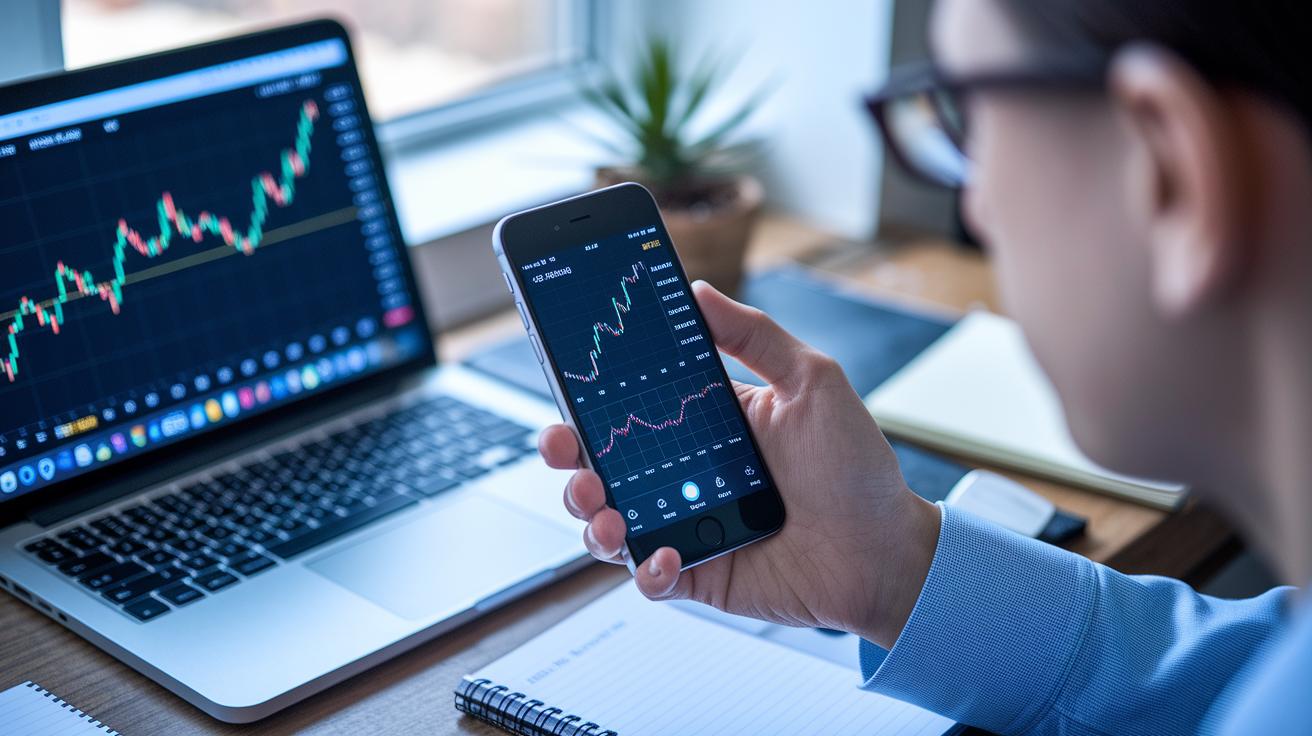
Crypto markets can be wildly unpredictable, sometimes swinging more than 10% in just a few hours. This means that one sudden move can eat up a big part of your funds if you’re not prepared. It’s a bit like riding a roller coaster where the drops come out of nowhere. For example, if a coin suddenly falls by 10%, having a clear plan can mean the difference between a small bump and a major loss.
Keeping an eye on your trade size and using stop-loss orders are some of the best ways to protect your money. Position sizing is simply about deciding how much of your cash you’re willing to risk on one trade, never risk more than you can afford to lose. A popular method is to set a stop-loss order that automatically sells your coin if its price drops by a set amount, like 2% below your purchase price. This might sound straightforward, but when you have several trades running each day, these tactics help keep your losses small without you having to monitor every little tick of the market.
Another smart step is to weigh risk against reward. Many traders aim for a 2:1 reward-to-risk ratio, meaning that they expect to make twice as much profit as the amount they could lose. Spreading your trades across different coins and strategies can also shield you from the hit if one coin goes south. By mixing these techniques, you’re not only safeguarding your capital during sharp price swings but also building a steady, disciplined approach to fast-paced crypto trading.
Choosing the Right Crypto Exchanges and Platforms
When you're setting up for crypto day trading, it's smart to pick an exchange that keeps costs low and trades fast. You need fees that are easy on your wallet, so check for platforms with low maker and taker fees, which means you won't lose too much money on each trade. Fast order fills matter too, so opt for exchanges with high liquidity. Plus, a variety of trading pairs and an easy-to-use interface can really smooth out your experience. Imagine an exchange that not only charges minimal fees but also shows you data as clearly as a well-organized spreadsheet, it instantly gives you confidence that every trade is supported by real-time market data.
| Exchange | Maker/Taker Fees | Liquidity Tier | Notable Features |
|---|---|---|---|
| Binance | Competitive fees | High | Wide range of pairs, robust tools |
| Coinbase | Varies by volume | High | Intuitive UI, strong security |
| Kraken | Moderate rates | High | Advanced trading options |
| Pionex | 0% fees start | Moderate to high | Automated trading bots, customizable settings |
When it comes to altcoin trading, there's more to consider than just fees. You should also think about where you're trading from because some exchanges might not be available in every region or could require extra steps for verification. It’s a bit like shopping in a store that asks for ID before you buy something, a step to keep things safe. Understanding local rules and KYC requirements may influence how you access your funds and take money out, so take time to explore these details before settling on a platform.
Tools, Mobile Apps, and Automated Bots for Day Trading Crypto

Mobile apps for crypto trading let you jump into the markets wherever you are. For example, apps like Binance and Coinbase Pro make it easy to place orders on the fly and get real-time alerts, keeping you updated even when you're out and about. It’s almost like carrying a mini trading desk in your pocket, giving you quick updates and smooth interactions so you can act fast when market moves occur.
Desktop platforms and API automation take your trading game to the next level. A lot of exchanges now let you tap into custom automation features that help you set very specific trade rules. When you use these tools on your desktop, it feels like having multiple data streams at your fingertips, and your pre-programmed alerts do the work for you when the right market conditions show up. This means you can trade with more control without having to stare at your charts all day.
And then there are the integrated and third-party trading bots that can really streamline your day trading routine. For instance, Pionex gives you access to 16 free bots, including some that use grid and DCA strategies. These bots automatically execute trades based on set guidelines. They save you time and help keep your trading steady, even during those super busy market spells when you’re juggling multiple things at once.
Case Studies and Practical Examples of Successful Crypto Day Trades
-
US Session Scalp Trade
In this case, a trader spotted a quick dip in a well-known coin during busy US hours. They used clear technical signals to see that an upward move was around the corner. The trade happened in seconds, with a tight stop-loss set just below the entry. In the end, the trader locked in a neat 1% gain by exiting as soon as the price climbed. It’s a simple reminder that small, fast wins can really add up over time. -
Ethereum Breakout Trade
Here, Ethereum edged near a key resistance level while a burst in trading volume signaled a breakout. The trader jumped in as soon as the price broke past that level and kept a stop-loss ready if things didn’t go as planned. Riding the wave of momentum, they managed to capture a 2% profit within just a few hours. This shows how mixing technical clues with solid risk management can pay off.
These hands-on examples remind us that staking a precise entry and keeping risks in check is key. Even short market moves can be very rewarding when handled with care and strategy.
Advanced Techniques and Future Trends in Day Trading Crypto

Traders with lots of experience are now using something called algorithmic scaling to change their trade sizes on the fly. This smart tool looks at real-time changes in market volatility (how much prices shift) and automatically adjusts how much you trade. For instance, when the market gets more lively, the system bumps up the risk limits so you can grab quick trading chances while keeping things under control. It’s like having a reliable friend who tells you exactly when to step up or back off.
AI-powered models are also taking center stage, helping traders decide the best moments to jump in or get out. These systems use machine learning (a method that teaches computers to learn from past data) to gauge market mood and spot short-term trends. Imagine a tool that studies lots of old data and live updates at the same time, reacting almost instantly as signals come in. It’s a game changer, helping traders time their moves better and keep pace with the rapid flow of digital assets.
Looking toward the near future, say around 2025, expect even deeper bot integration and more automated risk management systems to change the way trades are executed. New advances in machine learning let these tools sift through market sentiment quickly, giving sharper insights during those bumpy market moments. This ongoing evolution in rapid trade execution promises a smarter, more data-driven approach where every decision is thoughtful and in tune with the ever-changing market landscape.
Final Words
in the action of exploring day trading crypto, we broke down the basics from understanding rapid trades and technical indicators to risk controls and smart exchange choices. The post highlighted real-world trade examples and advanced tactics, making complex markets feel approachable. We looked at clear strategies like scalping, breakout, and trend trading, along with practical tools and automated options. This guide leaves you better equipped to analyze trends and deploy strategies with confidence. The future looks bright for traders ready to embrace these tools and techniques.
FAQ
What does day trading crypto involve and where do beginners discuss it on Reddit?
Day trading crypto means buying and selling coins quickly to profit from small price moves. Reddit forums offer community advice, real-life stories, and practical tips that help beginners gain confidence.
What are the best and most volatile cryptocurrencies for day trading?
The best day trading coins often show high volatility, active trading volumes, and clear market trends. This volatility creates price swings that traders use to capture quick, small gains throughout the day.
How can traders make $100 a day trading cryptocurrency?
Making $100 a day happens with disciplined strategies and careful risk management. Consistent, small gains compounded over many trades can help traders reach this target in favorable market conditions.
What earnings can day traders expect with $1000, and is making $500 a day realistic?
With a $1000 investment, traders typically aim for modest returns through multiple trades. Reaching $500 a day is possible with advanced strategies and higher risks but remains less common and far more challenging.
How does day trading crypto compare with trading stocks?
Day trading crypto offers 24/7 market activity and higher price swings, while stock trading usually has set hours and steadier trends. Your choice depends on how much volatility you’re comfortable handling.
What tax considerations apply to day trading crypto?
Crypto day trading profits are treated as capital gains by the tax authorities. Traders must keep detailed records of each trade and report all income accurately according to IRS guidelines.
Which platforms and apps are ideal for crypto day trading?
Leading platforms like Binance, Coinbase Pro, Kraken, and Pionex offer low fees, high liquidity, and intuitive interfaces for executing fast trades, making them popular among crypto day traders.
How can I learn crypto trading for free?
Free learning resources such as online tutorials, community forums, YouTube videos, and blogs provide practical strategies and real-world tips to help you build a strong understanding of crypto trading.
Are there downloadable crypto trading strategy guides like PDFs?
Yes, many websites offer downloadable PDFs that detail trading strategies, step-by-step methods, and risk control techniques to help traders fine-tune their day trading approach.


