
Have you ever wondered if crypto trading might give you quick wins without emptying your wallet? It might sound surprising at first, but starting small lets you learn the basics while keeping your risks low. Think of it like using a secure safe deposit box to protect your cash as you get comfortable with digital coins (that is, cryptocurrencies, digital money). In this guide, we'll walk you through setting up a secure account, choosing a trusted exchange, and making your very first smart trades. Ready to turn your curiosity into clear, practical steps? Let's dive in.
Essential Steps for Starting Crypto Trading
Crypto trading is essentially about buying and selling digital currencies like Bitcoin, Ethereum, and Litecoin to make a profit from price changes, sometimes even seeing drops as steep as 20% in a day. Start by understanding how these digital assets work on decentralized blockchain networks, which help explain why prices move.
Your journey begins with creating a secure trading setup. Pick a reliable exchange that offers important security features such as two-factor authentication, cold storage (keeping funds offline to protect against hacks), and encryption. It’s a lot like choosing a really sturdy safe deposit box for your money, you need strong locks and a trusted vault.
After you’ve selected your exchange, set up your account by completing all required identity checks, like uploading your personal details and proof of address. My advice? Start small. Dip your toes in by buying a tiny piece of Bitcoin so you can learn the process without risking too much capital.
Next, secure your digital coins by using your own wallet. While many exchanges provide hot wallets for easy access, adding a private wallet, like a hardware or cold wallet, gives you an extra layer of protection against online threats. Think of it as keeping some emergency cash safely stored at home while carrying a bit in your regular wallet.
Below are some quick hit tips to get you started:
- Understand major cryptocurrencies and their tendency for big price swings.
- Choose an exchange that prioritizes robust security features.
- Complete your account setup with thorough verification.
- Use both a hot wallet for convenience and a cold wallet for added security.
- Begin with small trades to build your strategy gradually.
- Diversify your investments between well-established coins and promising altcoins.
- Manage risk with stop-loss orders and careful position sizing.
Following these steps will help you build a solid foundation for trading digital assets confidently.
Crypto Exchange Selection and Account Setup
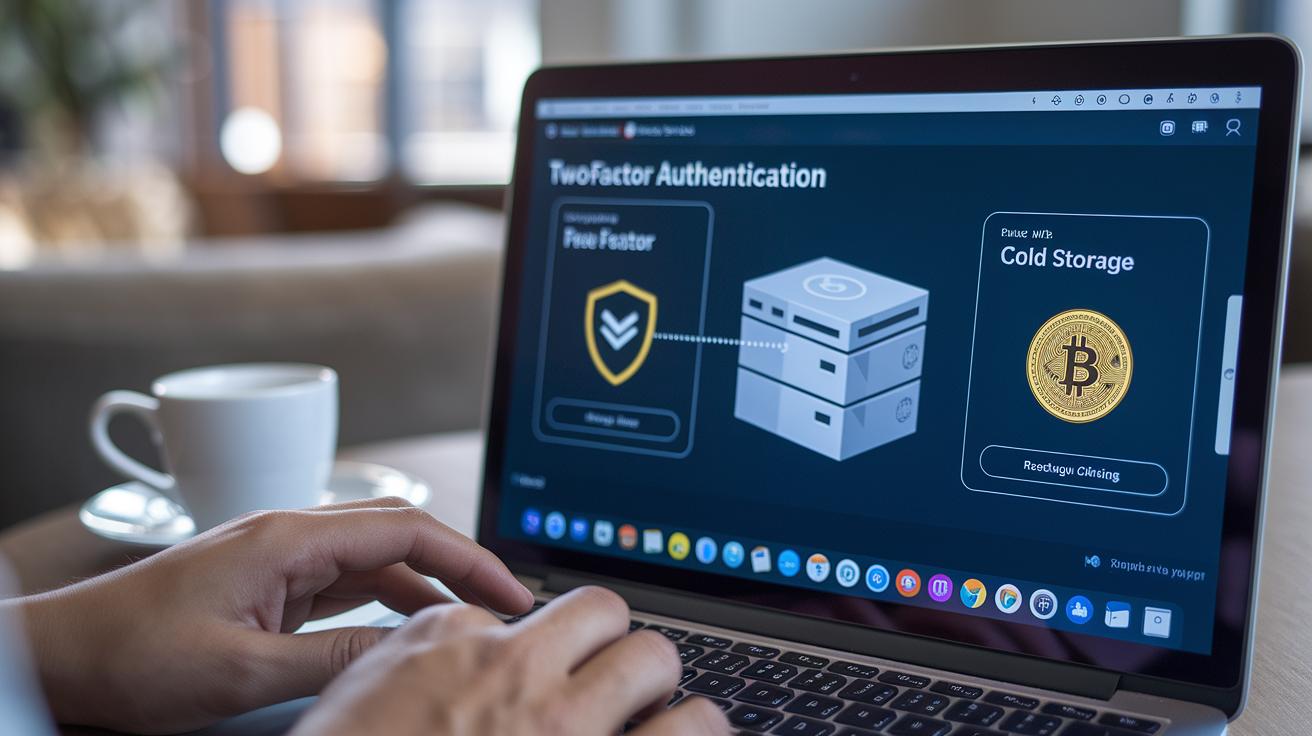
Picking the right crypto exchange is a big first step. A good platform should offer two-factor authentication (an extra layer of security), cold storage (keeping funds offline), and strong encryption (methods to protect your data). Think of your exchange as your money hub, where every detail really matters. Just imagine a bank that not only locks up your money with extra safeguards but also explains fees in a simple, clear way.
Before you commit, check out key details like fee structures, how easy the platform is to use, what coins you can trade, and the overall liquidity (how quickly you can buy or sell). Exchanges that follow proper rules and have a solid reputation generally come out on top over time.
Setting up your account usually follows a few standard steps. You’ll need to go through KYC (Know Your Customer) checks by providing a government-issued ID, proof of your address, and some personal details. This process helps protect both you and the exchange from fraud. After your account is verified, you can add funds via bank transfers, credit or debit cards, or even stablecoin deposits.
Here’s a quick checklist:
- Ensure two-factor authentication and cold storage features are in place.
- Compare fees, user experience, and the range of available coins.
- Complete all KYC steps accurately.
- Choose a funding option that suits your needs.
| Funding Option | Highlights |
|---|---|
| Bank Transfer | Secure and widely used |
| Credit/Debit Card | Quick and convenient |
| Stablecoin Deposit | Reduces deposit volatility |
Crypto Wallet Setup and Security Best Practices
If you're planning to protect your digital coins, it all starts with finding the right wallet. Many exchanges offer you a hot wallet, which makes quick trades really easy. But if you're looking for top-notch security against hackers and phishing scams, private wallets, especially the hardware ones that look like tiny safes, are a way to go. Think of it as storing your digital coins in a vault that only you can open.
When you set up your wallet, use a really strong password, one that sounds more like a top-secret code than anything else. And don’t forget to turn on two-factor authentication. This means you'll have to confirm your identity with a special code sent to you, making it a lot tougher for anyone else to get in.
Backing up your wallet keys is another simple yet crucial step. Without these backups, losing access to your device might mean losing access to your funds forever. And if you really want to step up your security, consider cold storage. Keeping your coins offline protects them from online risks, even if it means taking a bit longer to retrieve your funds.
Remember these steps:
- Choose between a hot wallet for convenience or a hardware wallet for maximum security.
- Set a strong password and enable two-factor authentication.
- Back up your wallet keys safely.
- Consider cold storage for extra protection, even if access is slower.
Cryptocurrency Selection: Bitcoin, Ethereum & Altcoins

Bitcoin and Ethereum are like the heavy hitters of the crypto world. They come with huge market caps (which is simply the total value of all coins available) and plenty of trades happening every day. This makes them a rock-solid choice, especially for beginners who want stability and cash flow when they buy or sell. Think of Bitcoin as the digital gold, it’s so trusted that it helps smooth out every buy and sell move.
Altcoins, on the other hand, can offer exciting upsides but usually pack a higher level of risk. They often deal with less frequent trading and might not have built a strong track record yet. When you’re checking out these coins, it’s smart to look for signs like active updates from developers, a lively and engaged community, and clear ways of making decisions. For example, you can pop over to a coin’s social channels or forums and see if the discussions feel supportive and real.
Here are some key points to consider when picking a coin:
| What to Look For | Why It Matters |
|---|---|
| Project Fundamentals | It tells you what problem the coin is trying to solve and how it plans to do that |
| Developer Activity | Regular updates suggest the project is cared for and kept up-to-date |
| Community Size | A bigger, active group can mean stronger support behind the coin |
| Governance Model | Transparent decision-making makes the coin safer to trust |
Large-cap coins like Bitcoin and Ethereum are easier to trade because of their high liquidity. Meanwhile, smaller or newer tokens might see quicker drops if their market cap stays small, but they could also spike if they gain momentum. Balancing these choices can help you manage risk while still seizing opportunities for growth.
Crypto Trading Strategy: Fundamentals & Chart Analysis
When you start trading crypto, technical analysis becomes one of your best friends. It’s kind of like having a map where you can see key spots where prices often bounce or change direction. For example, candlestick charts help you spot sudden market spikes that might hint at a quick price reversal.
Tools like RSI and MACD give you extra clues about how the market is moving. RSI stands for Relative Strength Index, which shows whether prices are too high or too low. MACD, or Moving Average Convergence Divergence, helps you catch shifts in the market’s mood. Imagine glancing at the RSI and seeing a high number, it could be a quiet warning that prices might fall soon, steering you clear of a risky move.
Volume trend is another neat trick. Think of it as the heartbeat of the market. A big jump in volume with a strong price move can confirm that the market is on a roll, while low volume might be a soft nudge to be cautious, like when a friend gently points out, “Hey, something seems off.”
For real-time insights, you can use chart platforms that let you add your own indicators, draw helpful lines, and set up alerts. It’s similar to marking important landmarks on your map so you always know where you’re headed.
- Check out candlestick charts to find key support and resistance zones.
- Use RSI and MACD to watch for shifts in market momentum.
- Keep an eye on volume trends for extra confirmation.
- Set up alerts on your platform to catch timely trading opportunities.
Crypto Risk Management: Diversification & Stop-Loss Techniques
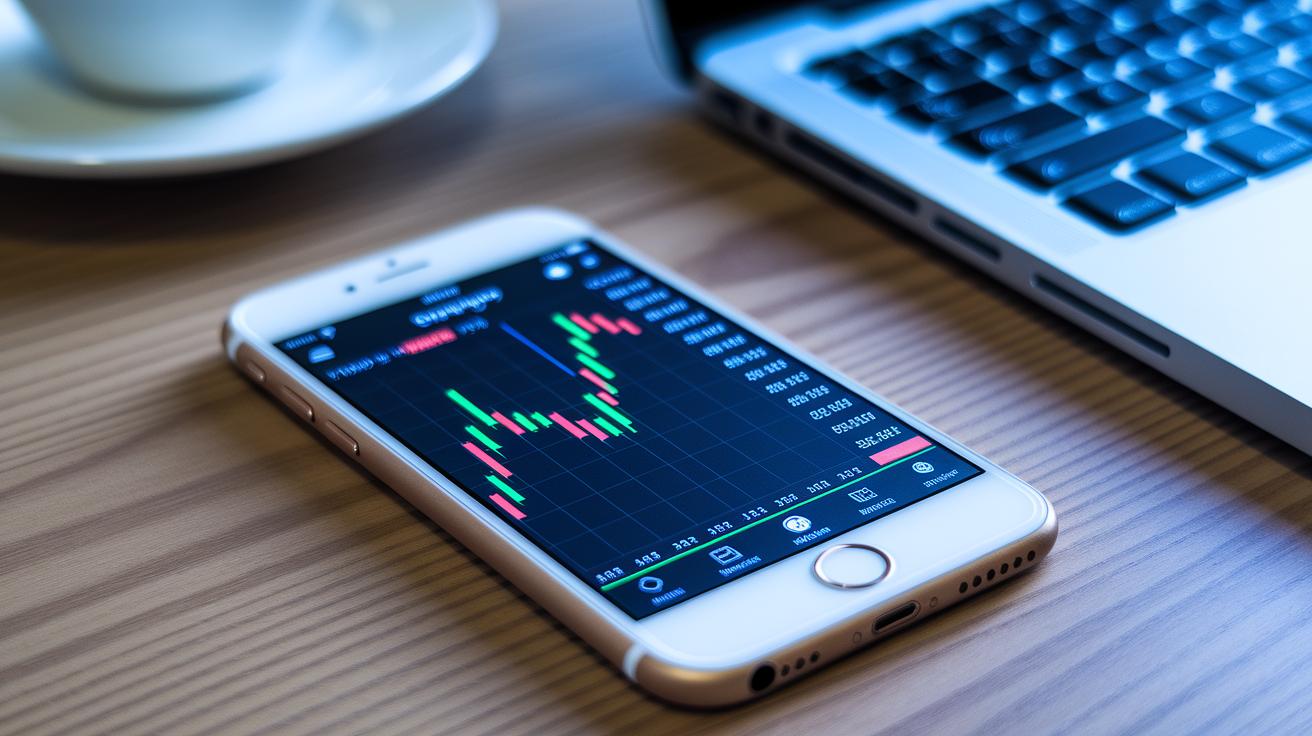
Managing crypto trading risks is all about setting up smart safety nets to protect your money while still leaving room for growth. One easy way to do this is by using stop-loss orders. This means you pre-set a price at which your trade will automatically close if the market turns against you, like, if you buy a coin and its value drops by 10%, your order kicks in to help stop further losses.
Another useful strategy is controlling your position size. In simple terms, only invest a small share of your total funds on each trade. This approach keeps your overall portfolio safe, almost like not putting all your eggs in one basket.
Trailing stops add another protective layer. They adjust your exit point as your trade gains value, which helps secure your profits even if the market suddenly dips. Think of it as a safety net that moves with you as you climb higher.
And don’t forget to diversify. Instead of investing everything in one coin, spread your money across several coins. By doing so, if one asset's price falls, the impact on your entire portfolio is much smaller.
- Use stop-loss orders to protect against big losses.
- Limit each trade to just a small part of your overall funds.
- Employ trailing stops to lock in profits.
- Spread your investments across different coins to balance risk.
How to Start Crypto Trading: Quick Wins
If you're new to crypto trading, start with free tools that let you practice without putting any real money on the line. Tools like paper trading and demo accounts are great practice grounds, you can test your ideas risk-free, just like playing a warm-up game before the real match.
Next, dive into online tutorials and structured courses that cover everything from the basics of digital investing to more advanced methods. These lessons help you see market trends and learn smart trading moves. And if you want to speed things up, try a technical analysis course (technical analysis course – https://buyersdesire.org?p=3416) that explains tricky charts and key indicators (hints that show market trends) in everyday language.
Also, join online communities like Reddit or Discord where traders share their insights and personal tips. Mobile trading apps are handy, too, they let you check your portfolio and set up alerts on the go.
- Paper trading and demo accounts to try ideas without risk
- Structured online courses and tutorials for step-by-step learning
- Online forums that offer real-time insights and personal tips
- Mobile trading apps for quick updates wherever you go
Together, these resources give you quick wins and build the confidence you need as you step into the exciting world of crypto trading.
Avoiding Mistakes in Trading Crypto for Beginners

Many new traders end up making too many moves real quick, driven by that nagging fear of missing out. They rush into trades and end up paying extra fees and losing money. It really pays to plan every trade instead of acting on impulse. Think about it: you might buy extra coins in a hurry only to see your balance shrink because of high fees, starting smart makes all the difference.
Doing your homework is super important, too. Take a bit of time to check out each exchange and project before you commit. Watch for any red flags like things that just don’t add up or promises that seem way too good to be true. This small effort now could save you from tons of hassle later on.
Keep an eye on any new rules and changes in tax requirements. Sometimes, even experienced traders get surprised by sudden regulatory shifts, so it’s always wise to stay updated with the latest info.
When you’re just starting out, consider easing into it by increasing your capital gradually. Begin with small amounts while you’re still learning the ropes. This slow and steady approach helps you build confidence and skill without risking too much too soon.
- Steer clear of impulsive trades
- Check that platforms and projects are truly legit
- Adjust your investments as you gain more experience
By taking careful, measured steps, your trading journey can become steadier and ultimately more profitable over time.
Final Words
In the action of exploring crypto trading steps, we covered everything from setting up secure accounts to choosing crypto assets and establishing practical risk control measures. The post walked through wallet security, technical analysis basics, and using tools for smart decision-making, all designed to simplify what might seem complex at first glance.
Taking small, measured steps is key to learning how to start crypto trading. Keep practicing and refining your strategy as you gain experience and confidence in the market.
FAQ
How do I start crypto trading with little money, especially as a beginner and on forums like Reddit?
Starting crypto trading with limited funds means choosing a secure, user-friendly platform. Begin with small trades, use free guides from communities like Reddit, and study PDFs to build your trading skills gradually.
How do I start crypto trading on Binance?
Starting on Binance means signing up, completing identity checks, and funding your account. Use Binance’s built-in guides and demo tools to practice and gain confidence before committing larger sums.
How does one trade cryptocurrency and make profit?
Trading cryptocurrency profitably involves studying market trends, practicing technical analysis, and using risk management tools like stop-loss orders. This careful approach helps you build a simple, effective trading strategy.
Where can I find a trading cryptocurrency for beginners PDF?
A beginners PDF for trading cryptocurrency is available on many financial and crypto sites. These guides offer clear, step-by-step instructions on account setup, risk management, and basic market concepts.
Is it possible to make $100 a day trading cryptocurrency?
Making $100 a day with crypto trading depends on your skill, strategy, and market conditions. Consistent profit typically comes from disciplined risk management and ongoing learning in response to market shifts.
How much money do I need to start crypto trading, and what does $1,000 buy?
You can begin crypto trading with just $50 to $100, though requirements vary by platform. Meanwhile, $1,000 purchases differing amounts of coins based on current prices, so check live rates on reputable exchanges.
What defines the best Bitcoin trading app or crypto trading platform for day trading?
The best trading apps and platforms offer strong security, low fees, and intuitive designs. They provide real-time market data and robust tools, helping you make informed decisions whether trading daily or long-term.
How can I learn crypto trading for free?
Learning crypto trading for free means using online tutorials, demo accounts, and community forums. These resources offer practical lessons and real-time advice that help build your skill set before risking real funds.


