
Ever notice how a tap on your phone can do what used to mean a trip to the bank? Mobile banking has come a long way from the simple text updates of the 90s. Today’s apps let you send money, pay bills, and even deposit checks in just a few seconds.
Almost 89% of people are using these handy tools, and 97% of millennials are leading the change. It’s clear that banking is getting smarter every day.
This post breaks down how these new mobile banking trends are changing our financial world and making transactions safer and more efficient.
Overview of Mobile Banking Trends and Adoption
Mobile banking has come a long way since its early days. Back in 1999, banks sent simple text messages to do basic transactions. Now, we use full-featured apps that let us transfer money instantly, deposit checks with a snap, and pay bills without a fuss. It’s a clear sign that digital tools are changing how we handle all kinds of financial needs.
Recent surveys show that nearly 89% of people now use mobile banking, with 97% of millennials leading the pack. It’s like watching trust in digital services take center stage in our financial lives.
When COVID-19 hit, millions of folks started managing their money online. Since then, smartphone transactions have skyrocketed, opening up banking to even those who were unbanked or underbanked. Banks have cut costs by closing some physical branches and automating routine tasks. Plus, customizable dashboards now let you pick the features that best suit your needs, whether you’re tracking spending or managing payments. These shifts not only make banking more convenient but also set the stage for deeper insights into the future of mobile finance.
| Metric | Rate |
|---|---|
| Mobile Banking Adoption | 89% |
| Millennial Adoption | 97% |
Security Innovations in Mobile Banking Apps
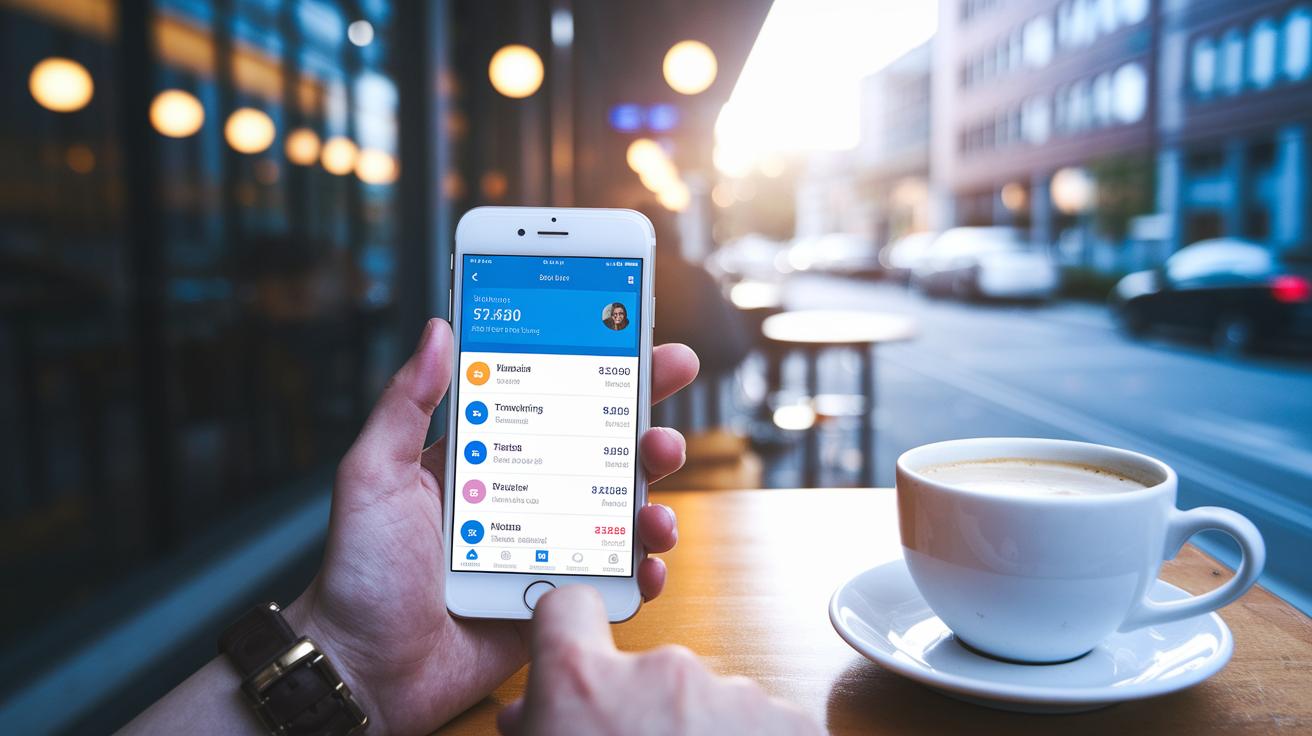
Top bank apps now use powerful safeguards to keep your money safe. They mix strong methods to scramble payment details (that’s encryption, which hides your data) with smart, real-time fraud checks powered by AI, basically, computers that spot unusual activity right away. One major bank even saw a 30% drop in false alerts, meaning real transactions go through without getting held up.
Everyday payments have become smoother too. With contactless transactions using NFC tokenization (turning your info into a safe, temporary token), the chance of fraud drops significantly. Most leading apps also use two-factor authentication and fingerprint or face scans for biometric verification (using your unique features) so that only you can access your account. Extra steps like end-to-end encryption and changing CVV codes keep each payment extra secure. Many users say these innovations not only stop unauthorized access but also make checking out a breeze, boosting their confidence in handling sensitive transactions via mobile.
Banks that invest in these next-level security features see stronger customer loyalty and trust. It’s a clear sign that smart security measures help drive growth in today’s competitive mobile banking arena.
AI-Powered Personalization in Mobile Banking
AI chatbots are changing the way we use mobile banking by providing real-time, friendly financial advice. These chatbots answer everyday questions quickly, up by 40% in 2023, and usually cover about 60% of routine inquiries. Imagine asking, “How can I better manage my monthly budget?” and getting clear, easy-to-follow advice right away. It’s like having a smart helper who makes financial decisions a bit simpler.
Real-time analytics dashboards add another layer of clarity by showing you spending and saving patterns as they happen. These dashboards use machine learning (a tool that learns from data, so it can predict what you might need) to offer recommendations that match your habits. It feels like having a personal financial coach who listens carefully to your routine and helps keep your money on track.
This blend of smart technology and personal guidance is pushing mobile banking to a smarter future. By combining clear data insights with individualized tips, banks can offer services that grow alongside your needs. This approach not only helps you manage your money better but also builds trust between you and your bank.
Emerging Technologies Transforming Mobile Banking

Mobile banking is quickly shedding its old image of simple transactions to become a vibrant hub of advanced services. Today, thanks to new tech, banking feels fast and truly connected. With the arrival of 5G (super-fast internet) and more gadgets joining the internet world, transactions are almost instant, no matter the time of day. Banks are even dipping their toes into augmented reality, giving you a hands-on feel with financial demos that make complex ideas easy to grasp. And, guess what? Voice-activated banking is catching on too, a 20% jump in users shows that checking balances or making payments can soon be as natural as chatting with a friend.
- 5G and IoT powering banking around the clock
- Augmented reality demos that turn numbers into clear, engaging visuals
- Voice commands that let you manage your money as simply as speaking
- Open API platforms like SDK.finance making banking-as-a-service more flexible
- Blockchain pilots using secure, distributed ledger techniques for clear records
- Neobanks offering digital-only services with instant account setups
These innovations are not just boosting speed and security, they’re creating a more interactive and personalized banking experience. Banks are moving away from one-size-fits-all solutions to tailor their services right when you need them. Think of it like swapping your old flip phone for a smart phone that nearly predicts your next move. As these technologies continue to grow, you can look forward to a banking world that is both high-tech and deeply personal, all while keeping your transactions secure and efficient.
User Behavior and Experience in Mobile Banking Apps
People now expect mobile banking apps to be smooth and easy to use. They like when the screens can be changed to match their daily habits, helping them track spending and plan budgets without any fuss. Picture starting your morning by checking a clean dashboard that shows your key balances and alerts, a small change that really makes a difference.
Banks are catching on quickly by adding smart features that make banking simple and friendly. Push notifications spark a noticeable boost in user interaction, drawing attention to important updates. And self-service tools like mobile check deposits mean fewer calls at support centers, letting you manage your money on your own terms.
These improved digital experiences connect with users deeply, keeping them coming back and building trust in their bank.
Next-Gen Mobile Banking Predictions and Challenges

Mobile banking is about to change a lot in the near future. With the rise of 5G, smarter AI, and more blockchain use, our phones will soon work even faster and more reliably. Imagine having an app that acts like your personal financial advisor, one that understands your needs in real time. Experts now forecast that the mobile banking market might reach $1.8 trillion by 2025. This growth is fueled by new ideas that weave financial services directly into our daily lives, making transactions simpler and offering tips that feel truly personal.
New rules and regulations are also shaking things up. Recent policies like PSD2 and Open Banking have made banks rethink how they share data securely, pushing them to be more transparent and to protect customers better. These regional rules mean that banks have to stay on their toes, updating their systems regularly to keep up with fast-changing tech and meet high service standards. It’s like they’re always on a quest to bring fresh ideas into their platforms while keeping everything safe and efficient.
Still, there are bumps along the way. Cybersecurity continues to be a major worry, even for the strongest systems, so banks have to constantly balance new innovations with solid defenses. Older systems can slow progress, and there’s an ongoing challenge to make sure everyone has access to these digital services. It’s important for banks to tackle these issues head-on as they work toward creating a smoother, safer mobile banking experience for everyone.
Final Words
In the action of exploring mobile banking evolution, we walked through its journey from basic SMS-based services to today's feature-rich apps with robust security and AI-driven personalization. We tracked how smartphone transactions and digital innovations shape secure, user-friendly banking.
Our review also highlighted the transformative push from emerging technologies that keep the market nimble and adaptable. Embrace mobile banking trends with confidence knowing that these insights empower you to make well-informed, strategic decisions.
FAQ
What mobile banking trends have been seen in recent years?
The mobile banking trends have shifted from basic SMS services to advanced apps featuring instant transfers and mobile check deposits. Data shows a strong rise in adoption in America and globally since 2021.
What does the future of mobile banking look like?
The future of mobile banking means faster, smarter, and more secure experiences with AI-driven insights and 5G-powered services, setting the stage for even more user-friendly and tailored offerings as we head toward 2025.
How many online banking users are there worldwide?
The number of online banking users worldwide is growing steadily, reflecting a global shift toward remote financial management, with millions embracing digital platforms for everyday transactions.
What are the different types of digital banking?
The types of digital banking include mobile apps, web-based platforms, and emerging digital wallets, each developed to provide secure, convenient, and easy ways to handle finances on the go.
What percent of Gen Z uses a mobile banking app?
The use of mobile banking apps among Gen Z is notably high, with various surveys indicating that a significant majority rely on these apps for quick and convenient financial management.


