
Ever wonder if a surge in crypto trading volume actually lifts the market mood? When more coins change hands, it shows that investors are paying attention and getting involved. A boost in these numbers can suggest that traders are feeling confident and eager to trade, which often makes the whole market feel more energetic. It’s a bit like entering a room where the buzz grows as more voices join in. By keeping an eye on these figures, you can spot shifts in market trends and understand why increased activity often signals a more positive, dynamic trading environment.
Understanding Crypto Trading Volume Metrics
When we talk about crypto trading volume, we mean the total amount of a digital asset bought and sold over a set period. It can be measured by counting the coins traded or by converting that number into a money value. This simple figure gives a clear picture of market activity and shows how interested investors are. For example, if lots of coins switch hands, it shows traders are active, which helps boost liquidity (that is, how easy it is to buy or sell).
A rise in volume tells us that more people are stepping in to buy and sell the asset. This increase often goes hand in hand with growing investor confidence and a more positive market feeling. But when trading numbers are low, it might mean traders are feeling cautious, which can reduce liquidity and make the market seem slower.
Traders also compare today's trading numbers with historical averages to see trends and potential changes. They check daily, weekly, and monthly figures to spot big differences from what they usually see. For example, if today's volume is much higher than normal, it could be a sign of a surge in interest or even a coming price change. This clear, data-driven approach helps traders adjust their strategies using solid insights into digital asset turnover and market liquidity.
Key Volume Indicators in Digital Asset Trading

Volume measures act like clear signs along a busy road, guiding traders in making smarter choices. They simply show how many coins are being exchanged and reveal clues about market strength and how easy it is to buy or sell. In short, by keeping an eye on these signals, traders can guess if prices will keep rising or might start to turn around.
Take OBV, for example. This tool starts with a number and then adds volume when prices go up and takes away volume when they fall. It’s a neat way to spot early trends. Then there’s MFI. This index runs between 0 and 100, blending price and volume details to signal if a digital asset might be overbought (too many purchases) or oversold (too many sales). Relative volume, on the other hand, compares today’s trading numbers to past averages, giving a quick look at how busy or efficient the market is. And don’t forget spikes analysis, which watches for sudden jumps in volume, these can hint at a market losing pace or a trend just about to flip.
On-chain volume trends add another layer of insight when paired with traditional exchange data. By tracking volume directly on the blockchain, traders can fill in some gaps that off-chain reports might miss. If both on-chain and off-chain data show steady trading, that’s a strong sign that not only are large orders being handled smoothly in a well-set market, but everyday network activity is solid too. This mix really helps traders notice buying or selling pressure more clearly, allowing them to fine-tune their strategies on the fly.
Comparing Exchange Volume Metrics for Major Platforms
When you look at major trading sites, each one shows different levels of trading activity. This activity gives you a firsthand look at how many people are trading and how smoothly transactions go, kind of like checking how busy a store is on a Saturday.
Take Bitcoin as an example. In early 2021, Bitcoin’s big price jump was powered by constant, high trading on top platforms. Sites such as Binance and Coinbase often see billions of dollars traded every day, setting the tone for what many investors feel about the market. Meanwhile, smaller platforms that host less popular coins can see prices swing widely from even one large order.
| Exchange | 24h Volume (USD) | Volume Rank | Liquidity Score |
|---|---|---|---|
| Binance | ~$20 B | 1 | High |
| Coinbase | ~$15 B | 2 | High |
| Kraken | ~$2.5 B | 3 | Moderate |
| Huobi | ~$3 B | 4 | Moderate |
| Bitfinex | ~$1.2 B | 5 | Low |
If you dig into these numbers, you’ll notice that sites with larger trading volumes tend to offer tighter price differences between buying and selling. That means it’s easier to jump in or out of a trade. Binance and Coinbase, with their high liquidity, can handle big orders without causing major price swings. In contrast, an exchange with lower liquidity, like Bitfinex, may see a noticeable price change from just one large trade.
This kind of comparison is super useful when you’re trying to manage risk, especially in markets that can change quickly.
Historical Evolution and Daily Crypto Volume Trends
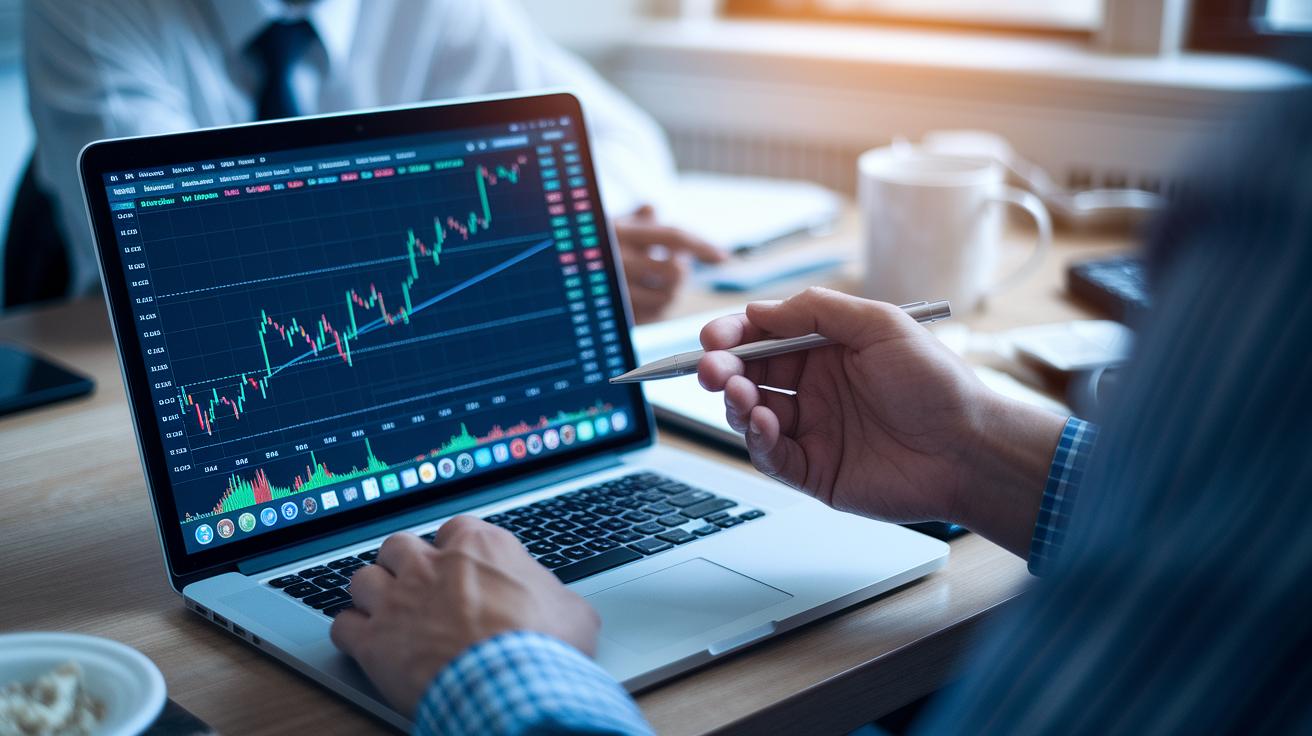
Crypto trading volume has shot up dramatically over the years. Back in 2013, it was less than $1 million a day, but by early 2021, it had rocketed to over $100 billion every day. This growth shows that more people are getting curious about digital coins, and the improvements in trading platforms and clear data have made a big difference. Markets tend to act in predictable ways, when things are good and prices are rising, trading volumes hit high notes; when things turn sour, volumes dip, giving us clues about market mood and momentum.
- 2013: The market is just starting out with daily volumes staying under $1 million.
- 2017: Trading picks up noticeably as more investors jump in.
- 2020: More people using digital coins push the volume steadily higher.
- Q1 2021: Volumes surge along with Bitcoin’s impressive price rally.
- 2022–23: Fluctuations show how the market adjusts and new trading styles evolve.
These daily trends give traders some real insights. When high volume sticks around as prices climb, it helps keep the momentum alive. But if you see volume dropping, it might be a hint that a reversal is on the horizon. By comparing current figures with historical averages from on-chain analytics and exchange reports, investors can get a clear picture of market behavior. This steady look at trading activity helps people feel more confident in making decisions and tweaking their strategies as digital coin trading keeps evolving.
Analyzing Price and Volume Correlation in Crypto Markets
High trading volume often comes with strong price momentum, which paints a clear picture of market activity. When prices rise with lots of volume, many traders see it as a sign of strength. But if prices keep climbing on thin volume, it might mean that the trend is weakening and could reverse soon. This mix of volume and price acts like a natural check, helping traders figure out if the move is backed by real interest or if it might fade away. In short, volume is a handy tool in technical analysis (a method to study price trends) that confirms whether price movements are supported by true buying power. For a deeper dive into this topic, check out this resource: what is technical analysis.
Sudden jumps in volume can cause unexpected price swings, making the market feel more volatile (which means prices move around a lot). Big orders that hit the market suddenly can shift price trends and even trigger short bursts of wild movement. On the other hand, when volume drops, price moves tend to be gentler, calming the market. Keeping an eye on volume is key to spotting short-term changes in momentum.
Take Bitcoin’s rally in early 2021 as an example. During that period, Bitcoin enjoyed a steady stream of high volume along with its rising prices. However, whenever there was a price uptick with less volume, it often signaled a brief pause, hinting that the momentum might be cooling off. This clear link between price and volume helped traders confirm breakouts and tweak their strategies, proving just how important volume is in understanding market behavior.
Advanced Volume Analysis Techniques and Charting Tools

Volume Profile
Volume Profile shows where trading happens most at different price levels. It uses bars to show how much trading took place at each price. When a bar is thick, it means many trades occurred there. This can signal a level where buyers or sellers are strong. It’s like having a clear map to help you decide when to get in or get out of a trade.
Market Depth Indicators
Market Depth Indicators use live order book data to show where buyers (bids) and sellers (asks) line up. By watching these indicators, you can see big orders that might change the price. This real-time glimpse helps you understand if the market is steady or if a sudden move might be coming.
On-Chain Volume Analytics
On-chain Volume Analytics tracks the number of transactions and volume flows recorded on the blockchain. This method gives detailed insight into real trading activity, as it happens on the blockchain itself. By following these numbers, you can confirm trends seen elsewhere and notice if increased on-chain activity might bring a big price change.
Automated Volume Scanners
Automated Volume Scanners use smart algorithms to watch the market and alert you when there’s a spike in volume. They keep an eye on the data to spot unusual increases that could mean a key trading opportunity or even a pause in the market. These quick alerts help you act fast when fresh data comes in.
Implications of Volume Fluctuations for Liquidity and Market Behavior
Volume spikes often signal that a market might be about to change course or start something new. Sometimes, these sudden jumps are due to wash trading, trades made just to boost numbers rather than show real interest, which can trick traders into thinking there's more liquidity than there really is.
- Exhaustion signals: When you see a quick spike in volume, it might mean that the current buying or selling energy is starting to fade.
- Liquidity risk: Low trading volume often means less liquidity, so a large order can cause prices to swing more than expected.
- Slippage: In markets with slim liquidity, even a moderate order can nudge prices higher or lower than planned.
- Regulatory data impacts: New 2024 regulations now require exchanges to gather more detailed trade data, giving clearer insights even when overall volume looks steady.
- Trend confirmation: Steady volume along with gradual price moves shows that the market trend is supported by real, genuine trading activity.
Traders keep a close eye on volume trends over different time frames to catch shifts in market behavior. They mix on-chain data with exchange reports to filter out any misleading numbers, ensuring they only focus on real trades. This careful approach helps them decide when to jump in or pull out with more confidence, reducing the risk of unexpected price moves while taking advantage of solid, confirmed trends.
Best Practices for Crypto Trading Volume Analysis

When trading crypto, paying attention to big volume changes helps you cut through the everyday noise of small price shifts. Smart traders like to check daily, 4-hour, and even hourly volumes, all to spot hints of where the market might be headed next. This approach keeps things straightforward and helps you focus on decisions that really matter.
Mixing exchange data with on-chain activity gives you a clearer view of what’s really going on. This two-part method lets you validate any surprises by comparing different sources, making sure you don’t miss those subtle signs of market mood. Relying on just one type of data might leave out important clues, so it’s smart to gather information from several angles.
For a hands-on strategy, start by setting up alerts for volume breakouts so you can catch new opportunities as soon as they arise. Check out detailed volume guides that help you spot when the market is gaining real momentum. Then, refer to in-depth trading reports to see if a big move is sticking around by comparing it with past trends. And don’t forget to look at different time frames to decide if a change is part of a steady trend or just a quick spike. Taking these steps together can help you adjust your strategy and better predict market turns.
Final Words
In the action, we explored crypto trading volume and its role in tracking market activity. We walked through how volume shapes liquidity, signals market moves, and ties into various tools, from on-chain analytics to automated scanners. This look at historical trends, exchange comparisons, and advanced charting techniques leaves us with practical insights to boost confidence in handling market data. Remember, careful analysis of crypto trading volume can bring clarity to your trading decisions and keep you ahead in the game.
FAQ
What is a crypto trading volume chart?
A crypto trading volume chart shows the total coins traded over a set period, offering a quick glimpse into market activity and liquidity for a better view of current trends.
How does a crypto trading volume tracker work?
A crypto trading volume tracker collects real-time trading data over short intervals, which helps users monitor shifts in market activity and gauge investor participation.
Which platforms offer the best crypto trading volume insights?
Top platforms like Binance and Coinbase provide thorough trading volume data and user-friendly charts, giving traders clear insights into market movements and liquidity.
What do crypto trading volume per day and by year indicate?
Daily volume measures market activity within one day, while yearly volume tracks long-term changes—both help highlight trends and overall investor behavior over time.
How is 24-hour trading volume in cryptocurrency measured?
The 24-hour trading volume calculates all trades made in one day by coin count or monetary value, indicating current market activity and available liquidity.
What does “cryptocurrency market today” include?
“Cryptocurrency market today” refers to the live price updates, trading volumes, and market capitalization data, providing a real-time snapshot of overall market conditions.
Which crypto typically has the highest trading volume?
Cryptos like Bitcoin and Ethereum usually record the highest trading volume due to broad investor support and widespread market adoption, driving significant trading activity.
What constitutes a good trading volume for cryptocurrency?
A good trading volume shows vibrant investor participation and liquidity, which helps maintain steady price movements, though ideal levels vary depending on the specific coin.
How do live cryptocurrency prices assist traders?
Live cryptocurrency prices offer continuous updates, enabling traders to make quick and informed decisions by keeping pace with real-time market shifts.
What role do platforms like TradingView, CoinMarketCap, and Uniswap play in volume analysis?
These platforms deliver live charts and detailed trading data, making it easier for traders to monitor volume trends and assess market liquidity effectively.
How do Binance and Coinbase aid in understanding trading volume?
Binance and Coinbase provide extensive 24-hour volume data and liquidity metrics, which give users a solid overview of trading activity and overall market sentiment.
What is Gecko Labs known for in crypto data tracking?
Gecko Labs is known for its innovative data tracking methods that combine real-time monitoring with historical insights, enabling a better understanding of market behavior.


