
Ever wonder if you can truly trust a decentralized finance platform? We’ve got your back by laying out key details in plain language, like how they check security and set fees. Our reviews break down essentials such as smart contract reliability (the code that makes transactions work) and the total money locked in the system. This clear, straightforward look at the facts helps both beginners and seasoned investors feel more confident about their choices. So, kick back and let us show you what sets a platform apart in today’s fast-paced financial world.
Criteria for Evaluating Decentralized Finance Platforms
When it comes to decentralized finance, having clear standards is essential for unbiased reviews. They give investors the power to pick the best platforms for things like alternative savings, staking, and tokenizing assets. Picture this: one platform openly shares its security checks and fee details, while another keeps those facts under wraps. That openness really tells you a lot about which one you can trust.
Evaluating these platforms means looking at a handful of key areas. Think about basics like smart contract checks and total value locked (TVL, which means all the value secured by a platform). Then, add in things like fee models, the variety of tokens supported, and how decisions are made through governance. Each piece helps you understand the risk, smoothness, and overall performance of the platform. For example, consider:
- Security protocols and audit credentials
- TVL and liquidity measures
- Fee structures for trading, lending, staking, and withdrawals
- Variety of supported tokens and collateral options
- Governance methods (how token voting and proposals work)
- Smart contract performance and upgrade history
- User interface and ease of use
These standards serve as a guide for both newcomers and seasoned investors. They act like benchmarks, helping you see the strengths and weak spots of different platforms. In other words, every detail, from checking liquidity pools to understanding governance transparency, lights the way to spotting promising opportunities and risks. Imagine using these clear markers to make each review a step toward a safer, more rewarding financial decision.
decentralized finance platform reviews spark positive prospects

The decentralized finance market is growing fast as innovative platforms shake up traditional financial systems. Each major player offers its own advantages – from speedy on-chain transactions to fresh ways of trading – that really make a difference for their users.
| Platform | Launch Year | TVL | Unique Feature |
|---|---|---|---|
| Uniswap | 2018 | $8B | AMM model |
| Aave | 2017 | $7B | Flash loans |
| MakerDAO | 2014 | $9B | Multi-asset collateral |
| Compound | 2018 | $4B | Algorithmic interest rates |
| SushiSwap | 2020 | $3B | Community rewards |
| Curve Finance | 2020 | $5B | Stablecoin swaps |
| Balancer | 2020 | $1.5B | Custom liquidity pools |
| Yearn Finance | 2020 | $2.5B | Yield aggregation |
| PancakeSwap | 2020 | $3.5B | Low transaction fees |
| Synthetix | 2017 | $1B | Synthetic asset trading |
Looking closer, platforms with high total value locked, like MakerDAO and Uniswap, show us that many users trust what they offer. And when you check out Compound and Aave, you'll notice they make fees efficient and provide quick credit with smart lending tools.
Meanwhile, Curve Finance and PancakeSwap are winning fans by keeping asset swaps cheap on networks like Ethereum and Binance Smart Chain. Every platform, from Balancer with its special custom pools to Yearn Finance’s automatic strategies, seems dedicated to giving users a better experience. In short, these varied innovations not only improve performance across the market, they also help investors find reliable and efficient ways to manage their digital assets.
Security and Governance Assessment for DeFi Platforms
DeFi platforms need to show strong security and clear governance to win users’ trust. They do this by using independent code reviews and open decision-making processes. When a platform shares honest reports from third-party reviews and detailed on-chain records, it instantly puts users at ease. It’s like comparing a well-laid-out roadmap to understand how rules are made, whether you’re looking at Solana Improvement Documents with their clear steps or Ethereum Improvement Proposals that break down decision-making.
Smart Contract Audits
Many of these platforms build credibility by inviting experts to inspect their code. These auditors carefully check the code and verify it step-by-step, much like a mechanic runs a complete diagnostic on your car. When audit summaries highlight thorough checks and straightforward findings, it tells you the platform takes security seriously. Taking a quick look at these results usually shows that the best platforms keep a close eye on upgrades and ensure complete on-chain transparency.
Governance Proposals
Token-holders play a big part in shaping the future of these platforms by voting on proposals. Some platforms even set minimum requirements before any change can go ahead. Comparing older methods with newer approaches helps us see how debates, voting, and proposals work together to shape decisions. It’s a bit like watching a community meeting where every voice counts and honest discussions lead to clear decisions.
In the end, clear audit results and straightforward governance metrics help users understand a platform’s risk and transparency. These factors are crucial to judging whether a DeFi project is reliable and efficient.
User Experience Critique of DeFi Platforms
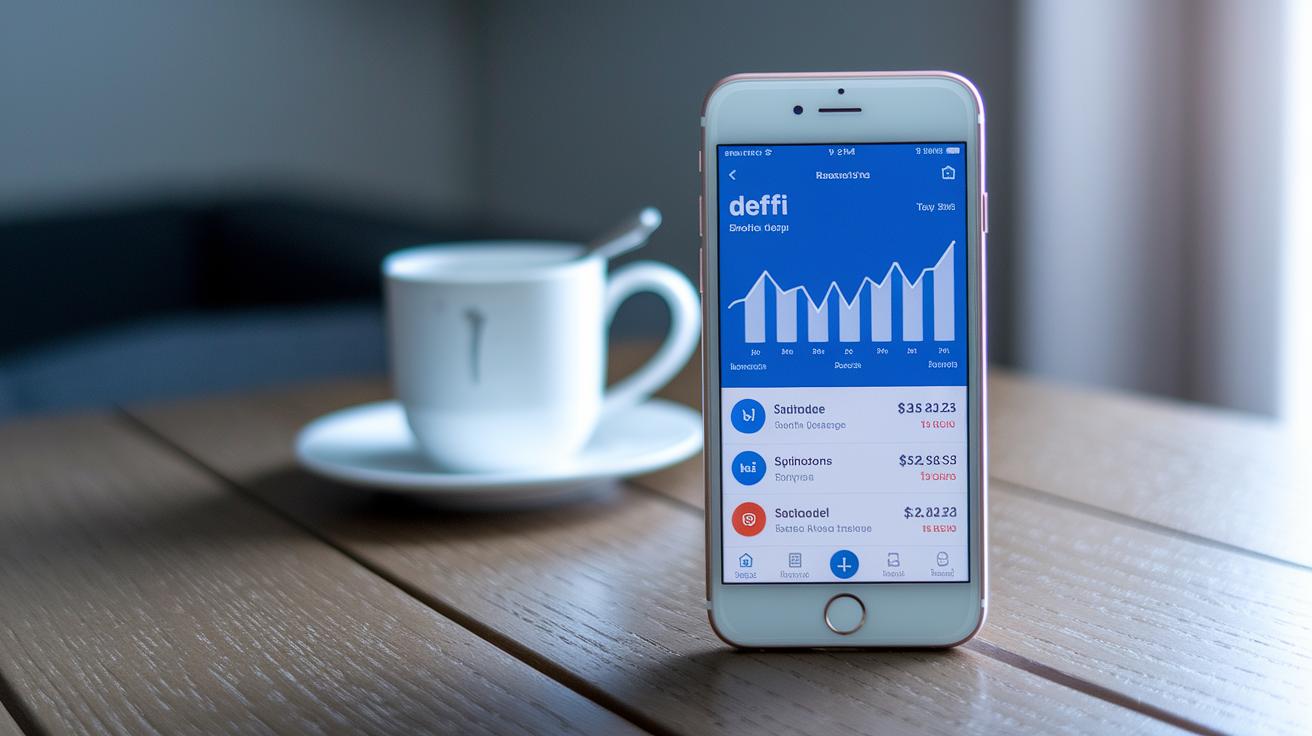
Top decentralized finance dApps like Uniswap, Aave, and Compound really set the bar high with their easy-to-use web designs. When you log in, you're greeted by clear dashboards showing your balance, current yields, and transaction history in plain, simple terms. It’s like opening a window to your finances where everything is neat and easy to understand. I mean, who doesn’t appreciate a clean, uncluttered display that builds trust right away?
Mobile app performance is another big deal. Some platforms, such as Crypto.com and Binance, have fantastic apps that work smoothly on both Android and iOS. But, then there are others that stick only to desktop, which can be a real hassle if you want to switch devices. A good mobile experience should feel just as clear and smooth as the web version, letting you tap through menus and get to your data without a hitch.
Lastly, wallet integration and onboarding are key to reducing stress for newcomers. Platforms that support popular wallets like MetaMask or WalletConnect make transactions feel almost effortless and load times super quick. The journey from signing up to diving into trading is much smoother on these systems, creating a welcoming vibe for both beginners and seasoned traders alike.
Fee Structures and Liquidity Analysis in DeFi Platforms
Fee models in decentralized finance can really differ from one platform to another. For example, platforms like Uniswap charge a fixed swap fee of about 0.30%, which means you know what you're paying ahead of time. On the other hand, lending platforms such as Aave and Compound use rates that change depending on market conditions, kind of like checking a weather forecast that can shift through the day. This variety helps you pick the platform that fits your personal trading or lending style, whether you prefer fixed fees or rates that flex with demand.
Liquidity is another big factor. Imagine a deep liquidity pool like those on Curve Finance for stablecoin swaps; a deeper pool means you face less slippage, so even if you make a large trade, it doesn't move prices much. Then there are platforms like Hyperliquid and Extended Exchange that go a step further by offering zero gas fees and using centralized order books to boost liquidity. Trading on such platforms is like cruising on a wide, clear highway, you can change lanes smoothly without sudden stops, even when the market gets choppy.
Clear fee structures are also key. When all the fee details are laid out plainly, it’s as if you're checking a detailed price tag before making a purchase. This kind of transparency helps you understand exactly what you’re paying for, which not only builds trust but also lets you optimize your strategy by choosing platforms with competitive fees and strong liquidity.
Innovations and Future Trends in Decentralized Finance Platforms

Institutions are now getting more involved in decentralized finance, and this shift is really pushing DeFi forward. Big investors are on the lookout for systems that quickly manage funds (automated liquidity), deliver earnings that consider risk (risk-adjusted returns), and let users make decisions (self-governance). It reminds me of how traditional portfolios are diversified, but now it’s happening in the world of DeFi.
Cross-chain solutions are another exciting area. These platforms are linking different blockchains, think of Polkadot and Cosmos protocols, which makes transferring assets between networks as smooth as a well-oiled machine. This connection not only opens up access to a wider range of assets but also simplifies how they move around in different ecosystems.
There's also a big buzz about improvements in Layer 1 performance. Some high-speed chains, like Hyperliquid Chain, offer super-fast trading with zero gas fees (meaning trading costs nothing extra) and centralized order books that work like a finely tuned engine. Such breakthroughs leave traders feeling more confident about using high-frequency strategies.
Last but not least, clearer rules and smarter governance processes are emerging to shape the future of DeFi. New regulations and better proposal systems are giving the market a more stable and secure feel. This safer environment could invite not only tech enthusiasts but also traditional financial institutions to explore decentralized finance further.
Final Words
In the action of covering essential topics, we examined criteria for secure, accessible DeFi platforms. We compared platform performance, reviewed smart contract audits, and looked at governance proposals. We also dug into usability, fee structures, and liquidity factors while spotlighting emerging innovations in the sector.
These decentralized finance platform reviews provide data-driven insights that can help boost your confidence while analyzing market trends and forming sound investment strategies. Here's to smarter, informed moves ahead!
FAQ
Decentralized finance platform reviews Reddit
The decentralized finance platform reviews on Reddit reveal real user experiences, where community members discuss security, ease of use, and overall performance based on their personal interactions.
Decentralized finance platform reviews Trustpilot
The decentralized finance platform reviews on Trustpilot offer detailed customer feedback that focuses on reliability, support quality, and practical outcomes, helping users compare platform performance.
Best decentralized finance platform reviews
The best decentralized finance platform reviews combine expert insights with real user opinions, highlighting platforms with robust security, efficient fee models, and strong community trust.
A scalable platform for DeFi and dApps with fast transactions
A scalable platform for DeFi and dApps with fast transactions implies a system that efficiently handles high volumes of trades and interactions while maintaining reliable security and user-friendly performance.
Decentralized finance companies
Decentralized finance companies are those that build and support blockchain-based financial services, offering features like lending, staking, and trading without the need for traditional banks or intermediaries.
DeFi platform meaning
DeFi platform meaning refers to a blockchain-based service allowing peer-to-peer financial transactions, such as lending and trading, without centralized control, making financial services more accessible and transparent.
DeFi platform examples
DeFi platform examples include Uniswap, Aave, and Compound, each providing distinct services like decentralized exchanges, lending protocols, and algorithm-based interest rates to meet diverse financial needs.
Top DeFi companies
Top DeFi companies consist of industry leaders like Uniswap, Aave, and MakerDAO that are known for strong governance, secure smart contracts, and innovative solutions in decentralized finance.
Is decentralized finance legit?
Decentralized finance is considered legit by many because it leverages transparent blockchain technology for peer-to-peer transactions, though users should perform due diligence given the inherent risks.
What is the most trusted DeFi platform?
The most trusted DeFi platform usually features verified smart contract audits, high total value locked, and positive community reviews, with platforms like Uniswap and Aave often standing out.
What is a popular platform for decentralized finance?
A popular platform for decentralized finance is one valued for its secure, user-friendly interface and strong liquidity, making platforms like Uniswap and Aave favorites among many users.
What are the disadvantages of DeFi?
The disadvantages of DeFi include potential smart contract vulnerabilities, market volatility, and uncertain regulatory frameworks, making it essential for participants to understand and manage associated risks.


