
Ever thought a small tweak in your mining setup could give your Bitcoin earnings a boost? This easy-to-use calculator takes your numbers, like your mining speed (hash rate, which is how fast your mining device works), electricity cost, and the current Bitcoin price, and turns them into simple, real-time insights.
One little change might be all it takes to open the door for smarter gains and shift your expected profit margins. As you update the inputs, the calculator keeps pace with the market’s changes, offering you a quick, clear check on whether your setup is on track.
In short, this tool makes the complex world of Bitcoin mining more straightforward and a lot more rewarding.
How to Use the Bitcoin Mining Profitability Calculator
This simple tool lets you experiment with different numbers to see how your mining setup might perform. At the top, you'll notice spots to enter your hash rate, electricity price, and mining difficulty, plus a field for the current exchange rate. For example, say you plug in 13.5 Th/s for an AntMiner S9. The calculator instantly uses that number in its revenue prediction. You know, one hobbyist once discovered that even a small adjustment in the hash rate could really change the projected earnings.
You can stick with the default electricity cost of $0.15 per kWh or update it to match your local rates. The tool refreshes the mining difficulty every 15 minutes and adds a 5% growth factor every 14 days. It also keeps track of scheduled block reward halving so you're always looking at up-to-date numbers.
Here’s how to get started:
- Enter your miner specifications.
- Set your electricity costs.
- Confirm the current mining difficulty.
- Adjust the market settings as needed.
Real-time charts and tables pop up to show your estimated gross revenue, profit margins, and ROI figures. It’s a friendly way for miners to quickly see how profitable their setup might be and run a basic ROI analysis.
Key Input Variables in the Bitcoin Mining Profitability Calculator
Hash Rate
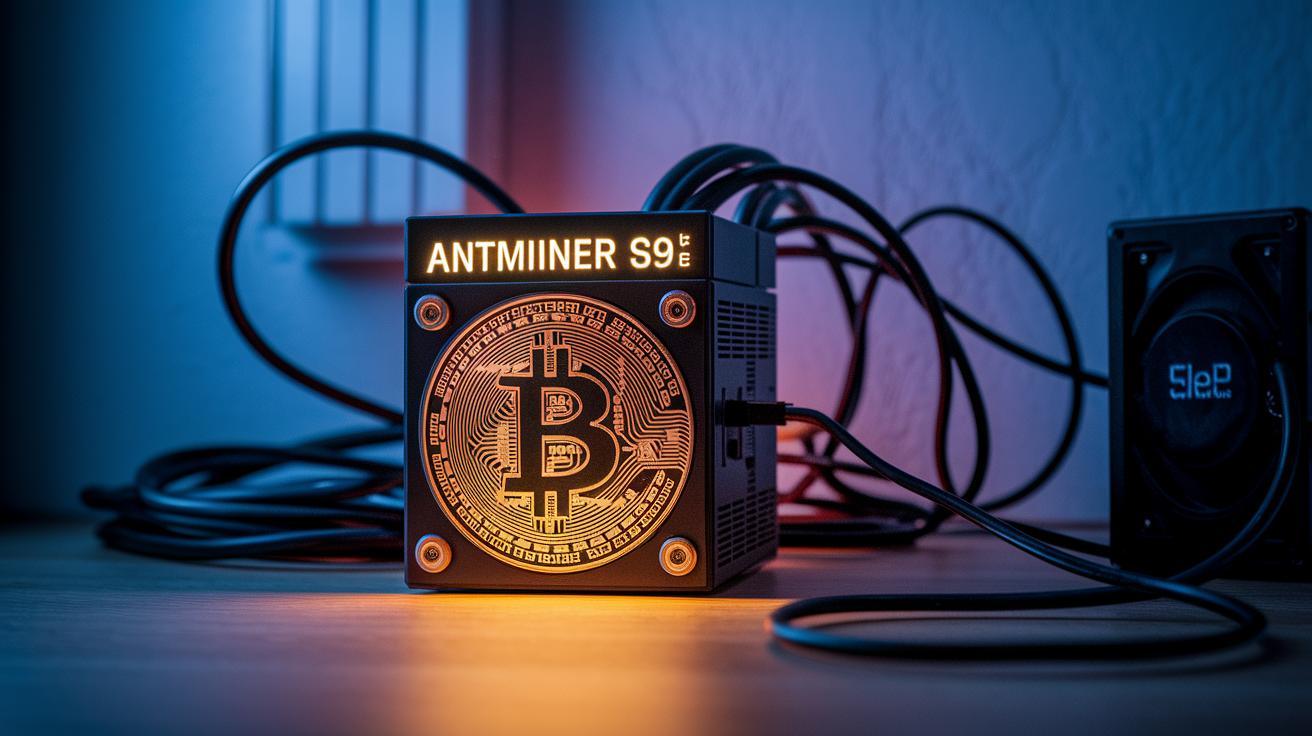
The hash rate tells us how fast your miner is working, like the 13.5 Th/s speed you’d see from an AntMiner S9. In plain words, a higher hash rate means you’re solving blocks more quickly, which can boost your rewards. So, if you enter a number above 13.5 Th/s, the calculator shows that extra mining power can really ramp up your output.
Mining Difficulty
Mining difficulty is a measure of how tough it is to find a new block. The tool refreshes this number every 15 minutes to keep things current. When difficulty rises, your mining hardware must work harder, and that extra effort may lower your overall Bitcoin earnings over time.
Electricity Cost
Electricity cost plays a big role because energy bills can eat into your profits. The default setting is $0.15 per kWh, but you can adjust this to see how different rates affect your bottom line. Simply put, lower electricity costs mean more profit staying in your pocket.
Pool Fees & Downtime
Pool fees and any downtime you experience mean additional expenses and possible interruptions in your mining. If your mining setup loses time or has high fees, your earnings might falter. By inputting accurate downtime info, you get a clearer picture of your potential profits.
Block Reward & Halving
Block rewards are the Bitcoins you earn from mining, and they change on a schedule thanks to halving events that cut the reward in half after a set period. This adjustment is important because it helps you plan for lower rewards over the long haul, making your profit forecasts more realistic.
Exchange Rate
The exchange rate converts your Bitcoin earnings into USD. This figure comes as a daily volume-weighted average from Bitstamp. Any change in this rate directly influences your expected profits, so keeping an eye on it is key to understanding the final numbers you’ll see.
Calculation Methodology Behind the Bitcoin Mining Profitability Calculator
This calculator uses a simple method to guess what you might earn when mining Bitcoin by mixing today’s network facts with past averages. It starts at the current block height and bumps up the difficulty by 5% every 14 days. Think of it like watching a graph that climbs a bit more every two weeks, following trends seen from February 2016 to August 2017.
The tool keeps the Bitcoin price fixed while it updates both the network difficulty and exchange rates every 15 minutes. This means as mining gets harder, it uses fresh data to recalculate your potential rewards. It assumes standard hardware settings, like the AntMiner S9, which produces 13.5 Th/s, uses 1,300 watts, and costs $1,987.95. These details help lay out the energy use and cost structure in a clear way.
The calculator figures out projected revenue by taking the block reward (which can drop due to scheduled halving events) and then adding in these fixed difficulty tweaks. Electricity is a biggie here; with a default rate of $0.15 per kWh, the tool subtracts energy expenses from potential profits. It skips transaction fees so you focus on the main factors of mining. This approach blends live market info with a cautious estimate of mining challenges.
Want to see a quick rundown of the default numbers? Here they are:
| Variable | Default Value | Description |
|---|---|---|
| Mining Difficulty Growth | 5% every 14 days | Increase rate based on past averages |
| Hardware Model | AntMiner S9 | 13.5 Th/s performance, 1,300 W power use |
| Hardware Cost | $1,987.95 | Cost for the default miner |
| Electricity Cost | $0.15/kWh | Standard power rate |
| Data Refresh Interval | 15 minutes | Updates for difficulty and exchange rates |
Interpreting Results from the Bitcoin Mining Profitability Calculator

When you use the calculator, it shows the main numbers in simple tables and interactive charts. These figures include your expected total Bitcoin earnings before costs, the net profit in US dollars after energy expenses, the ROI percentage (a way to see how fast your money grows), the number of days to cover your initial cost, and the break-even date (when you begin making money). Checking these numbers helps you see if your mining setup might hit your financial goals.
For example, if you notice a high ROI percentage along with a short payback period, it means your mining equipment could start paying for itself quickly. You might see something like "Your setup is expected to reach break-even in 75 days," which tells you exactly when your investment might start making a profit.
The interactive charts usually show a timeline of 365 days so you can watch how your mining returns might change over a year. As you change things like hash rate (the speed at which hardware works), electricity cost, or mining difficulty (a measure of how hard it is to mine Bitcoin), the charts update right away. Picture a chart that climbs higher every day, a clear, visual aid that supports your decision-making.
Reading the tables is easy:
| Metric | Description |
|---|---|
| Projected Gross Revenue | Total Bitcoin earned before any costs |
| Net USD Profit | Your earnings after subtracting energy expenses |
| ROI Percentage | Shows how fast your investment may grow |
| Payback Period & Break-even Date | Estimates the time to recover your initial cost |
This output lets you try different scenarios and see if your mining plan makes sense. It combines hands-on number crunching with clear visuals to give you a real feel for your potential profitability.
Advanced Configuration Options in the Bitcoin Mining Profitability Calculator
If you’re a power user, you’ll appreciate the flexibility to adjust the calculator’s settings to match your own ideas about the market. You can easily override the preset numbers to test various network conditions and cost factors, ensuring your mining setup is fully represented.
For example, you might tweak the difficulty growth rate if you foresee a lull in network activity. Imagine setting it to 3% every 14 days if you think mining competition will ease off for a while. You also have the option to select a different exchange rate to mirror expected market shifts, so you can better see how fluctuations in Bitcoin’s value might impact your earnings.
Other choices include entering a custom pool fee if your mining pool has variable charges and accounting for hardware depreciation to understand how your equipment’s value drops over time. You can even adjust for planned or unexpected downtime to fine-tune your cost estimates.
These settings let you build a detailed scenario model for your profit analysis. Try out options like:
- Override difficulty growth rates
- Choose alternate exchange rates
- Set custom pool fee percentages
- Model hardware depreciation
- Adjust downtime assumptions
bitcoin mining profitability calculator Sparks Smart Gains

Optimize Electricity Costs
Keep an eye on your electricity bills by using our easy-to-read calculator. It comes with chart tools that use fresh US and EU rate info. So if you're paying around $0.15 per kWh, you can compare that with other options nearby. This small check might reveal a cheaper rate and boost your net gains.
Choose Energy-Efficient Hardware
Switch to hardware that’s kinder on power. Newer ASIC miners give you high hash rates (the speed at which mining happens) while using less wattage (electricity). Even a modest upgrade can lower your power bill and make your overall mining more profitable.
Compare Pool Fees Regularly
Pool fees sometimes sneak up and eat into your earnings. It pays to check and compare fees often. For instance, if one pool takes 2% and another only 1.5%, opting for the lower fee could directly bump up your profits.
Update Difficulty Projections
Mining difficulty can change unexpectedly. Use our live updates to keep your growth assumptions accurate. That way, if the mining challenge shifts, your profitability projections will still hold true.
Leverage Bulk Hardware Purchases
Buying several miners at once can lower the cost for each unit. Even a little discount here and there adds up over time, making a real difference in your overall returns.
FAQs About the Bitcoin Mining Profitability Calculator
-
What key factors are included in the calculations?
This calculator pulls live network data every 15 minutes, while applying a steady 5% difficulty increase every two weeks. You just enter your hash rate, electricity cost, and hardware specs, and it shows you what you might earn based on the latest info. -
Why are transaction fees not considered in the projections?
We leave out transaction fees to keep things simple and focused. The idea here is to zero in on big costs like your mining hardware and energy, giving you a clear cost-benefit look without the little extras muddying the waters. -
Are the projections guaranteed to be accurate?
Not really. These figures are meant as a learning aid and can shift with the market. Think of them as smart estimates to help set your expectations, not a promise of exact outcomes. -
How does the electricity rate influence the results?
Your electricity rate plays a huge role. Even a small tweak can change your net profit and overall ROI, so it’s key to input your true local rate for the best analysis. -
Can hardware specifications be adjusted in the tool?
Yes, you can update details like your miner's hash rate and power consumption. This lets you fine-tune the tool so that the analysis matches your unique setup, ensuring the cost-benefit picture is just right for you.
Final Words
In the action, we walked through how to use the bitcoin mining profitability calculator. The post explained input fields like hash rate and electricity cost, broke down core calculation methods, and showcased how real-time charts and tables reveal miner ROI tool outcomes.
We also covered advanced settings for custom projections and shared practical tips for maximizing returns, ensuring you tackle market variables with confidence. This data-driven review helps you trust the bitcoin mining profitability calculator as you assess mining efficiency and plan for future market trends with clarity and optimism.
FAQ
What types of Bitcoin mining calculators are available and how do they work?
The bitcoin mining calculators include app-based tools, GPU-specific versions, per day and cloud mining calculators. They work by taking inputs like hash rate, electricity costs, and network difficulty to project mining profitability.
How do Bitcoin mining calculators estimate profitability and what formula do they use?
The bitcoin mining calculators use a formula that factors in hash rate, power consumption, mining difficulty, block rewards, and fees. This method estimates revenue, ROI, and the break-even period for miners.
What mining outputs can I expect, like mining $1 worth or one Bitcoin, and how does a GPU such as a 4090 perform?
The bitcoin mining output varies widely with equipment and costs. Calculators can show how many hours to mine $1 of Bitcoin or one full coin, while specific GPUs like the 4090 provide daily performance estimates.
What is meant by a Bitcoin mining machine?
The bitcoin mining machine is specialized hardware designed to solve Bitcoin’s complex algorithms. Its performance, measured by hash rate and energy efficiency, directly influences overall mining profitability.
What roles do platforms like NiceHash, Bitmain, Coinbase, Binance, Genesis Mining, and Bitdeer play in cryptocurrency?
These platforms provide a range of services—from hardware manufacturing and cloud mining to buying, selling, and trading Bitcoin—each supporting different aspects of mining operations and digital currency management.


