
Have you ever noticed how a sudden jump in digital asset trades gets people excited? It's like watching a busy street fill up, every trade adds to the story. When trade numbers go up, it shows new energy and growing interest in the market. In this article, we’ll explore how tracking these numbers can uncover hidden patterns and spark a bit of optimism among traders. Stick with us to see how these simple figures paint a clear picture of market trends and hint at possible price shifts.
Foundations of Altcoin Exchange Volume Analysis
When you check trading volume on altcoin exchanges, you're really looking at how many coins or how much money is being swapped in a set time. For instance, if 10,000 units of a digital asset are traded in one day, that's a sign of active market energy. High volume means lots of people are trading, which generally points to strong liquidity, while low volume can suggest fewer traders and might lead to sharper price swings.
Looking at volume across different exchanges is like getting a bird’s-eye view of market activity. By adding all the volume together, you can see if most trading happens on one platform or is evenly spread out. This helps traders figure out where liquidity is strong and where it might be missing.
There are a few simple technical tools that can help decode these trends. Take the On Balance Volume indicator, for example. It starts with a base number and tweaks it day by day based on how much is traded. If you see OBV climbing steadily, it often points to buying pressure that might lift prices. Another useful tool is the Money Flow Index, which runs from 0 to 100 and hints if the market might be overbought or oversold. Then, relative volume metrics put raw trading numbers side-by-side with price moves to capture the market's mood and suggest possible trend shifts.
All these trade metrics and liquidity clues work together to give a clear snapshot of the altcoin market’s health and dynamics.
Key Indicators in Altcoin Volume Evaluation

Traders closely watch volume patterns because steady buying helps push prices higher. When buy orders come in consistently, it’s a sign that people are really interested. But sometimes a sudden spike in volume could mean something big is about to change, or it might just be a brief pause in trading energy. For example, if you see a coin’s volume jump quickly during a rally, it might be hinting at a shift in the price trend. The On Balance Volume indicator is simple, it starts with a set number and then changes with each day’s trades, showing a clear picture of market pressure. Picture starting with 100 and then watching that number move with every trade, it’s like a straightforward snapshot of how the market feels.
Volume Profile charts are another useful tool. They map out trading activity at various price levels, revealing important support and resistance zones. Relative volume, on the other hand, compares raw trading numbers to price movements, which can help you guess which way the market might be headed next. And then there’s the Money Flow Index. It runs from 0 to 100, making it easier to spot whether the market is overbought or oversold. Curious to learn more about how these momentum tools work? Check out the detailed guide on Crypto Technical Analysis.
Together, these tools give traders a better feel for the current mood of the market and offer clues about what could happen next.
Comparative Volume Metrics Across Altcoin Exchanges
When you're checking out trading volumes on different altcoin exchanges, you're seeing more than just a number. It's like getting a snapshot of where traders are active and where the market feels quiet. For example, you might see a big number on one platform, but that could mean that most trades are happening in just a few popular pairs, while another exchange might show a more balanced spread across many pairs.
Looking at fee structures is pretty important too. Some exchanges give big traders a discount, which can bump up the numbers but also throw off comparisons. A platform with lower fees for high-volume traders might see more trades, even if it doesn't have a super deep order book. This can make it tricky to tell if the numbers really reflect true market activity.
And speaking of the order book, its depth matters a lot. A deep order book means there’s less chance of prices slipping when big orders come in, so traders feel more secure about their moves. On the other hand, if an order book is shallow, even one large order can make prices jump around, which raises some risks.
Today, many traders use tools that connect multiple exchanges to get a full picture of the market. These tools pull in real-time data from different platforms, mixing blockchain trade stats with crypto market details. The result is a clear view of how liquidity is spread out, whether it’s all gathered in one spot or spread out over various places.
Tools and Platforms for Real-Time Altcoin Volume Analysis
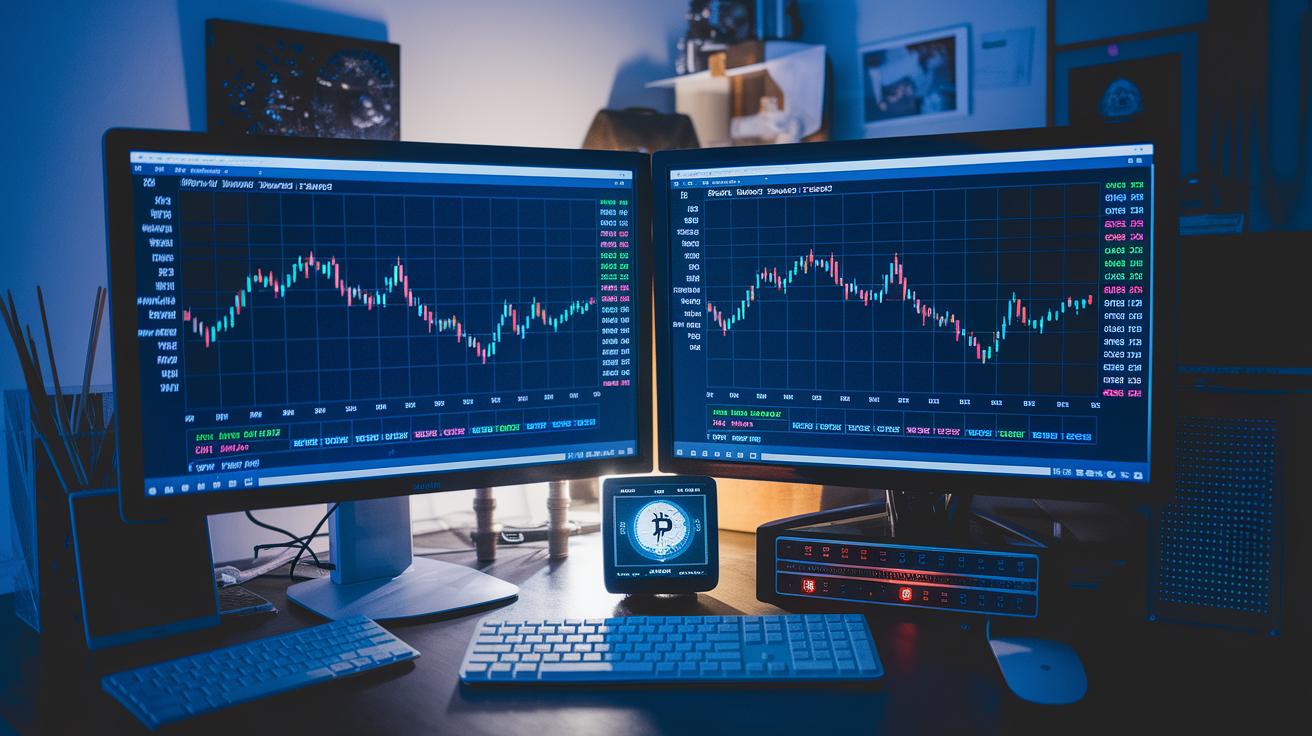
Today’s altcoin trading scene really calls for quick insights and fast moves. Trading platforms now come with handy features like auto take-profit and stop-loss setups, grid bots, and signal bots that help run your algorithm strategies for you. For example, a grid bot can automatically handle buy and sell orders as prices gently move up and down, turning little shifts into steady gains.
Market scanners such as base scanners, quick scanners, and multi-chart dashboards are key when it comes to spotting unusual volume shifts and new trading chances. Think of these tools like a magnifying glass that brings out even the smallest changes in trading volume, so you can act before bigger market signals show up.
Multi-exchange connectivity pulls together live trade stats, profit and loss numbers, and your current positions from various platforms onto one dashboard. This single, unified view is so important for tracking rapid order changes and keeping you aware in a fast-moving market.
- Many trading platforms let you try out strategies in paper trading mode so you can practice without any risk.
- A risk-reward calculator gives clear guidance on where to set stop losses and how to size your positions.
- Portfolio tracking features bring together data from different accounts, offering you a full picture of your digital assets.
Built for speed and reliability, these tools mix automated trade systems with scanning features to turn raw trade data into clear, actionable insights. And honestly, checking out how these automated systems work with market scanners is pretty eye-opening, like diving into Microcap Investing Strategies for more details.
Case Studies of Altcoin Volume Patterns
Back in Q1 2021, Bitcoin saw a huge spike in trading volume as its price jumped from about $29,000 to $64,000. This rise in activity shows that when the market heats up, more buyers come in quickly, which can drive prices even higher in a strong trend. But sometimes, a sudden burst in trades might also mean that the move is starting to lose steam.
For lower-ranked altcoins, like ones around rank 500, the picture changes. These coins usually have low trading activity, so even a small order can cause wild price swings. Imagine a coin that normally trades quietly suddenly getting bombarded with activity, a quick surge might send prices soaring one minute and then dropping sharply the next. This shows how low liquidity can boost volatility, making these coins riskier if you’re looking for steady growth.
Recent changes in regulation during 2024 haven’t drastically altered overall trading volumes. However, platforms offering lower fees for heavy users now require more detailed customer information. This update hasn’t cooled market enthusiasm; instead, it keeps the natural ups and downs of trading while making high-volume transactions more transparent.
Key takeaways include:
- Big volume surges can signal strong market momentum, though they might also hint at a possible slowdown.
- Coins with low trade counts can experience extreme price swings and liquidity issues.
- Comparing volume trends across different platforms gives a fuller picture of market interest.
These case studies remind us that while volume spikes can create excitement, it’s important to look carefully at both booming rallies and periods of low liquidity to truly understand market behavior.
Interpreting Altcoin Volume Trends for Trading Decisions

Ever notice how a sudden spike in trade volume can quietly hint at big changes ahead? Recent case studies show that even small shifts in altcoin volume sometimes point to hidden moves by investors. For example, one day a coin's price dropped just a bit, but its trading volume jumped, suggesting that short-term traders might have been setting things up for a reversal.
Today’s savvy traders mix traditional analysis with smart algorithms. They use tools that combine real-time trade data with trend predictions. One popular method involves machine learning, a way for computers to spot unusual patterns, to catch volume spikes that come right before major price moves. I read about a case where an algorithm flagged a surprising volume increase in a minor altcoin, which later turned out to signal the start of a rally.
Traders are also stepping up their risk management by linking these advanced signals with measures of investor mood. Instead of sticking with simple stop orders, they’re exploring dynamic controls that adjust as soon as odd volume readings pop up. By looking at diverse case studies, many are finding that slight volume shifts often precede big market turnarounds.
All of this pushes traders to move beyond basic volume checks and lean on deeper, data-driven insights while still keeping an eye on traditional technical indicators.
| Case Study | Key Insight |
|---|---|
| Altcoin A | Volume anomaly preceded a rally |
| Altcoin B | Machine learning detected early warnings |
Final Words
In the action, this post covered key aspects of altcoin exchange volume analysis and its role in understanding digital asset trade metrics. We broke down technical indicators, compared platform liquidity insights, and looked at case studies that bring market data to life. Each section helped paint a clear picture of trading activity and platform comparisons using relatable examples. It all comes together to boost your confidence in making smarter investment decisions with altcoin exchange volume analysis.
FAQ
What does an altcoin exchange volume analysis chart indicate?
An altcoin exchange volume analysis chart indicates total trade activity over time. It shows how much digital currency is changing hands and helps assess market activity and liquidity.
Which crypto exchange does the most volume?
The crypto exchange with the highest volume changes day by day, but leading platforms like Binance or Coinbase generally record the most volume due to their deep liquidity and strong market presence.
What are the top crypto exchanges by volume and how are they ranked?
Top crypto exchanges by volume are ranked based on trade activity, liquidity, and user participation. Lists often feature platforms like Binance, Coinbase, Kraken, Bitfinex, and Huobi among the top.
What is a crypto exchanges list and what does it include?
A crypto exchanges list provides a compilation of trading platforms sorted by key metrics like volume, fees, and market reach. It helps users compare platforms quickly for informed decisions.
What is a Tier 2 crypto exchange list?
A Tier 2 crypto exchange list includes smaller platforms with moderate trading volumes. These exchanges often serve niche markets and may show lower liquidity compared to top-tier exchanges.
How do you analyze volume in crypto trading?
Analyzing volume in crypto trading involves using charts and technical indicators to spot trends and shifts in market activity. It helps traders decide when to enter or exit a position.
Why is the crypto market bullish today?
The crypto market is bullish when high trade volume coincides with rising prices. This pattern signals increased investor confidence and momentum in the market.
How do you analyze altcoins?
Analyzing altcoins involves checking volume trends, liquidity, and technical signals. This method helps traders assess potential price movements and overall market sentiment.


