
Ever wondered if altcoins are a hidden gem or just a risky bet? This guide takes you through a friendly look at altcoins that goes beyond chasing quick wins or reacting to price swings (big ups and downs). We highlight the special traits that make these crypto coins interesting and share simple, smart ways to assess both their benefits and risks. Using a mix of basic checks and solid data, our step-by-step method helps you clearly see the opportunities and challenges in the altcoin market. Ready to view the market in a fresh, insightful way?
Building the Fundamental Framework for Altcoin Analysis
Altcoins are crypto coins that differ from Bitcoin by offering unique features tailored for specific uses like decentralized finance, gaming, and identity verification. While Bitcoin often serves as a digital gold or means of exchange, altcoins dive into new functions designed to meet a variety of market needs.
Investing in these digital currencies is both exciting and a bit risky. On one hand, you get benefits like quicker transaction times, better privacy, and a chance to spread out your portfolio. On the other, early adoption of innovative tech might bring great returns, but it also comes with challenges like lower liquidity, big price swings (volatility, which is just a measure of how much prices change), and sometimes even market manipulation. If you’re curious about how to jump in, there are helpful tips available to guide you.
- DeFi tokens
- Stablecoins
- Utility tokens
- Play-to-earn tokens
- Governance tokens
Next, we blend both basic and technical analysis to form a full picture of altcoin projects. You'll see how looking at on-chain data, the health of a project, and overall market feelings can work together. For example, understanding tokenomics (the rules and structure behind a token) and adoption rates goes hand in hand with tracking moving averages (simple charts that show trends) and momentum signals (indicators of the speed and direction of price moves). This combination helps you uncover solid investment opportunities while keeping an eye on risks.
The guide offers clear examples and practical tips to make sure you feel informed and confident when evaluating altcoin projects in today’s ever-changing market.
Conducting a Fundamental Analysis in Altcoin Evaluation

When you're looking at altcoins, a careful examination of their basics can reveal more than just rapid price swings. By checking on-chain metrics (data stored on the blockchain, like transaction history) and overall project health, you get a clearer picture of long-term potential. It’s like reading a thorough market report where every detail matters.
You might check how much trust the market has in a project by gauging its market capitalization, which tells you how big and stable it might be. At the same time, active developer activity, measured by contributions on platforms like GitHub, can hint that a project is continuously improving. And when you look at tokenomics (the rules that manage a coin’s supply and its economic flow, think distribution patterns and inflation rates), you can see if a token is set up for sustained growth.
Then there’s the buzz around community engagement. High levels of social media activity or a growing number of active wallets can show that people really believe in the project. By piecing together these clues, both seasoned investors and newcomers can decide if an altcoin is built to last or if it calls for a bit of caution.
| Metric | Purpose | Measurement |
|---|---|---|
| Market Capitalization | Shows project scale | Total supply × price |
| Developer Activity | Tracks project progress | Number of GitHub commits/releases |
| Tokenomics | Evaluates economic design | Distribution schedule, inflation rate |
| Community Engagement | Signals adoption in real life | Active addresses, social media metrics |
Applying Technical Analysis to Altcoin Price Action
Technical analysis is a big help when you're looking for trading chances in altcoin markets. When you look at price charts, you'll see clear patterns and signals that can guide you on when to buy or sell. For example, if you notice a sudden jump in trading volume along with a noticeable pattern, it might mean a new trend is starting.
Moving averages, like the simple moving average (SMA) and exponential moving average (EMA), smooth out day-to-day price movements so you get a clearer picture. They help you see the main trend, and when a short-term line crosses over a long-term one, it can signal that things might be turning around. Imagine a short-term average moving above the long-term one, it could signal that prices might start rising, so traders often take a closer look at their positions.
Another handy tool is the Relative Strength Index (RSI), which measures momentum on a scale from 0 to 100. The RSI can point out if the market is too high (overbought above 70) or too low (oversold below 30). This helps cut through the noise, showing when prices might need to correct rather than reacting to just a short spike.
Bollinger Bands add another layer of insight by wrapping volatility bands around a moving average. When these bands widen, it's a sign that price swings are getting bigger; when they narrow, things are a bit calmer. This setup can help you spot potential breakouts or reversals, giving you a heads-up before major shifts in price action occur.
Crafting Risk Management Strategies in Altcoin Trading

Trading altcoins can feel like riding a roller coaster, so it's key to have a solid plan in place to protect your money. Setting clear risk limits ahead of time helps you avoid making snap decisions driven by fear or excitement.
Stop-Loss Orders & Position Sizing
A stop-loss order lets you automatically exit a trade when prices hit a level you set, which means you keep your losses in check. When you size your trade based on your account balance and how much a token tends to swing (think of it as the token's mood), you’re better prepared. For instance, if you notice a token often makes big moves, taking a smaller position can help shield your funds.
Risk-Reward Ratio Principles
It’s smart to pick trades where the chance for gain clearly outweighs the chance for loss. When you plan for a setup where, say, your win is three times as big as your risk, even a few losses can be balanced out by your successes. This way, you’re always weighing the possible profit against what you might lose.
Hedging Techniques
Besides using stop-loss orders and careful position sizing, hedging adds an extra layer of protection. Simple tactics like taking short positions or using tokens that move in the opposite direction of the market can help cushion the fall when the market takes a sudden dip. This approach smooths out the bumps and keeps your overall plan steady.
Analyzing Altcoin Market Trends and Forecasting
Looking at asset ratios like ETH/BTC gives you a fresh view of market cycles. Watching Ethereum against Bitcoin is like noticing early signs of a changing weather, hinting at what altcoins might do next.
If the short-term moving average of the ETH/BTC ratio climbs above the long-term one, it often shows a bullish mood, think of it as the market gearing up for an upward move by altcoins. On the flip side, when it dips below, it can signal bearish conditions, which means it might be time to take a closer look.
It also helps to keep an eye on on-chain data, like the number of active addresses and the volume of transactions, alongside what’s buzzing on social media. When sudden spikes in online chatter or news hit, prices can react fast. This blend of technical data with real-world sentiment makes it easier to see if the numbers really match investor behavior.
Finally, changes in regulations and the overall growth of the crypto space shape these forecasts too. As rules change and the market matures, trading volumes often rise and investor confidence grows, helping to sharpen our trend predictions.
Case Studies in Altcoin Innovation and Outcomes
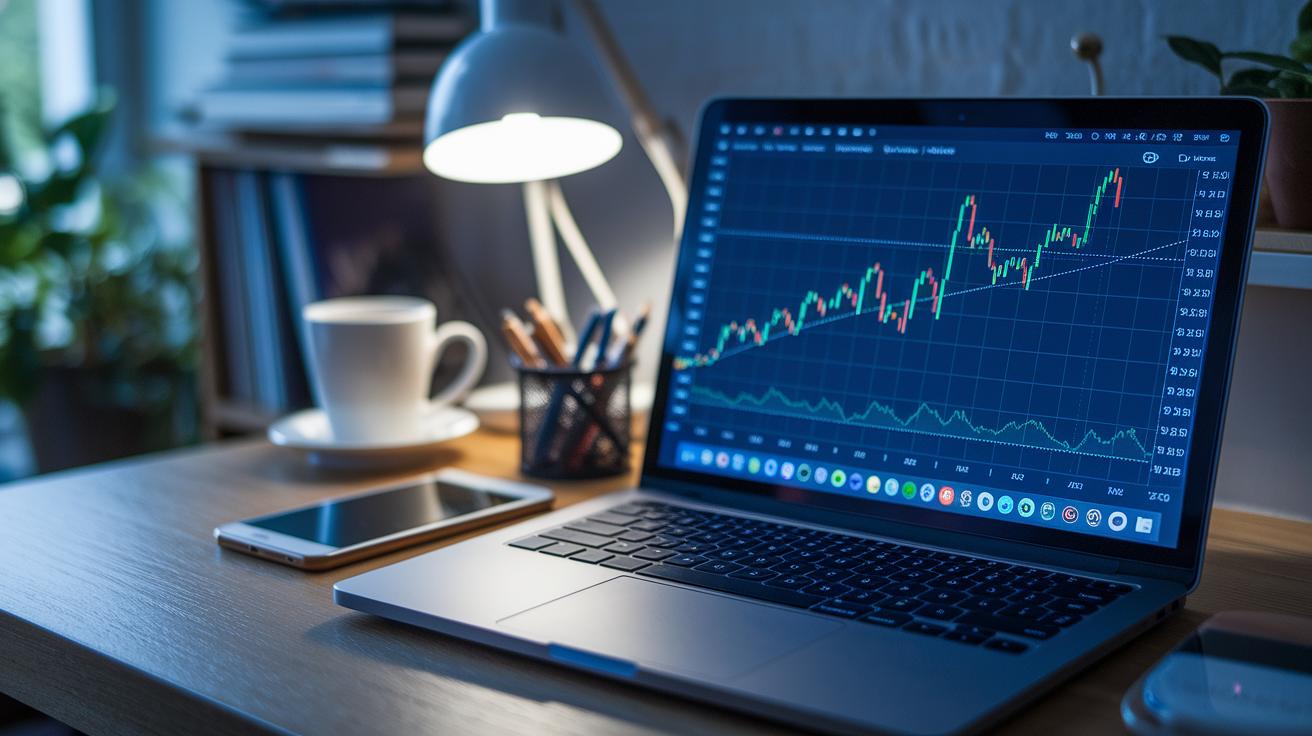
Case studies are our down-to-earth way of checking if our analysis really works. They let us see how our predictions match up with what’s really happening in the market. By comparing a project’s real-world basics with its technical signs – like patterns in graphs – investors can quickly spot what’s working well and what might be a red flag.
Case Study 1: DeFi Token with Robust Fundamentals
Picture a DeFi token that’s growing in market value while more developers join the effort every day. In this scenario, the fundamentals tell us the project has a smart release schedule, low inflation rates, and a lively community behind it. Meanwhile, the technical side shows up with clear chart signals, like moving averages pointing upward and a steady increase in trading volume, which means people are buying. When new features drop and smart partnerships form, the price responds with a kick. This example shows how a project with solid basics and supportive technical signals naturally wins investor trust and keeps its market momentum.
Case Study 2: Stablecoin Model with Flawed Tokenomics
Now, think about a stablecoin designed to hold its value but bogged down by poor token economics. Here, the project deals with an uneven supply distribution and an outdated inflation plan that leads to bumps in its price stability. On the charts, you see red flags: moving averages breaking down and erratic swings in indicators like Bollinger Bands. Even though the community works hard to keep things steady, the weak economic structure creates a lot of uncertainty. This case is a clear reminder that without a strong design and regular upgrades, even a simple stablecoin can end up with unpredictable results.
Together, these case studies remind us that a mix of healthy fundamentals and clear technical signals can drive a token’s price to success. On the other hand, when basic economic design falters, you can expect ongoing instability. It really highlights why a balanced approach, using both solid fundamentals and smart technical analysis, is key to spotting winners and sidestepping potential pitfalls.
Building and Managing a Diversified Altcoin Portfolio
When you dive into altcoin investments, start by choosing a blend of coins that fits your personal risk level. Mixing tokens with big growth potential with those that tend to stick around helps smooth out the market’s rough patches. It’s a bit like filling a basket with different fruits, each one adds its own unique flavor, giving you a mix that stays balanced even when market conditions fluctuate.
Next, think about how much of your money you want to put into each coin. You might decide to lean a bit heavier on those high-growth altcoins, while also keeping a safe spot for steadier tokens to protect you from sudden changes. It’s a good idea to review your allocation every few months or whenever the market acts up, so you can shift your investments as needed. For example, if one token takes off and grows much faster than the others, scaling back a bit can help keep your overall risk in check.
Finally, keep tabs on your portfolio by tracking key numbers. Watch metrics like your return on investment (ROI, which shows how much you're gaining compared to what you invested) and the volatility (the ups and downs in price) to catch any shifts in market behavior. This regular check-in allows you to adjust your strategy, making sure your portfolio always matches your risk comfort and future goals.
Final Words
In the action, we broke down altcoin analysis by building a solid framework, reviewing market fundamentals, and exploring technical insights. We walked through risk controls and examined trends that influence altcoin dynamics. We also highlighted case studies that bring theory to life and offered strategies for constructing a diversified portfolio.
This comprehensive guide to altcoin analysis serves as a clear, friendly roadmap. Trust your analysis, stay curious, and enjoy uncovering opportunities in the ever-changing world of altcoins.
FAQ
What is a comprehensive guide to altcoin analysis ppt?
A comprehensive guide to altcoin analysis ppt explains key frameworks and methods for evaluating altcoin investments. It covers market metrics, project fundamentals, and technical signals to help investors make informed decisions.
What are the top 10 altcoins?
The top 10 altcoins represent popular cryptocurrencies aside from Bitcoin that show strong market performance and unique features. They often include tokens with high liquidity and growth potential for a diversified portfolio.
What is the list of altcoins?
The list of altcoins is a catalog of cryptocurrencies other than Bitcoin, each offering distinct benefits like faster transactions or enhanced privacy. This list assists investors in comparing various digital assets.
What is the Altcoins list on Binance?
The Altcoins list on Binance includes all cryptocurrencies available for trading on the exchange. It provides traders access to a wide range of tokens, making it easier to explore diverse investment options.
What is altcoin season?
Altcoin season describes a period when altcoins outperform Bitcoin, showing stronger price growth and higher trading volumes. This trend can signal shifting market sentiment and potential investment opportunities.
What is altcoin?
Altcoin refers to any cryptocurrency that isn’t Bitcoin, offering features like faster transactions or specialized functions. They expand the digital currency market by providing alternative investment options.
What is an altcoin price chart?
An altcoin price chart displays historical and current price movements for a specific altcoin. It helps investors track market trends and spot potential entry or exit points based on visual data.
What is the Altcoin Season Index?
The Altcoin Season Index measures how altcoins perform relative to Bitcoin. This index guides traders in assessing market conditions and identifying periods when altcoins may offer enhanced growth opportunities.


