
Can the construction market still shine despite financial challenges? Recent data shows that spending on nonresidential projects is rising while inflation is easing, a sign that the market may steady out. But high mortgage rates and some softer sectors throw in a twist.
This post explains key changes around spending, regulation, and the availability of skilled workers that could drive growth. Ever notice how the twists in market trends can turn obstacles into opportunities? Let’s dive in and see how modern construction moves might just do that.
Construction Market Trends: Present Landscape and Growth Drivers
The construction market is shifting as new economic forces mix hope with caution. Consumer prices slipped from 3.4% in December 2023 to 2.9% in December 2024, hinting at a cooler inflation vibe that might lead to steadier conditions. At the same time, higher 30-year fixed mortgage rates mean financing is getting a bit tougher. Nonresidential building spending, on the other hand, climbed 6.4%, rising from $726.1 billion in 2023 to $772.7 billion in 2024, even though sectors like lodging and retail fell by 5.7% and 11.2% respectively.
- Rising nonresidential spending is boosting overall economic momentum.
- Easing inflation trends are setting the stage for a more stable funding climate.
- Infrastructure projects are ramping up, drawing in extra investment.
- High mortgage rates are causing tougher financing challenges.
- Drops in the lodging and retail sectors are adding a touch of uncertainty.
- Regulatory pressures are making project approvals more complex.
These trends bring a mix of optimism and caution. While improved nonresidential spending and lower inflation set the stage for a refreshed economic outlook, the financial hurdles and specific sector setbacks remind us that creative strategies in finance and policy are needed. It’s a bit like balancing on a seesaw, each factor naturally influencing long-term plans and strategies in this evolving market.
Labor Market Shifts Impacting Construction Trends

The construction industry in 2025 is feeling the pinch from a shortage of skilled workers. Nearly 12 million people power the field, many of whom are foreign-born experts in trades like drywall, roofing, and painting. And honestly, 89% of contractors say they’re having a tough time finding enough skilled workers.
This shortage is more than just a numbers game. Projects rely on these unique skills, and simply put, there just aren’t enough trained professionals. With the industry needing over 546,000 more workers by 2024, delays and dips in quality are becoming the norm. It’s a clear sign that attracting and holding onto skilled talent is a must.
| Labor Metric | Value |
|---|---|
| Total Workforce | 12 million |
| Contractor Shortage Rate | 89% |
| Additional Workers Needed | 546,000 |
Efforts to boost worker skills are on the rise. Companies are stepping up training programs and forging partnerships with trade schools. Apprenticeship programs and on-the-job coaching are proving to be practical ways to build a stronger team. In fact, when you hear that about 89% of contractors struggle to fill crucial roles, it pushes firms to think outside the box and invest in upskilling their current workforce.
Material Cost Volatility and Supply Chain Obstacles in Construction
Steel, lumber, and concrete prices are soaring, mainly because shortages persist and inflation pushes costs higher. It’s like you’re trying to build on shifting ground, materials you need are becoming more expensive almost every day. Even trade policies are stepping in, affecting the cost of imports such as cement, appliances, and equipment from places like Mexico, Canada, and China.
These rising costs are putting a real strain on budgets, making it tough to keep contract prices steady. More often than not, higher prices lead to unexpected cost overruns, which then slow down project timelines and complicate cost tracking.
Then there’s the whole mess of logistics. Shipping delays and increased transport fees add another layer of difficulty, boosting overall project costs and causing schedule hiccups. Contractors are feeling the squeeze as these unpredictable factors turn their usual operations upside down.
In truth, this kind of volatility forces everyone in the market to rethink their pricing strategies. Many are now looking at ways to manage cost overruns more effectively so they can keep their projects on track despite these global supply challenges.
Technological Innovation and Digital Transformation in Construction Market Trends
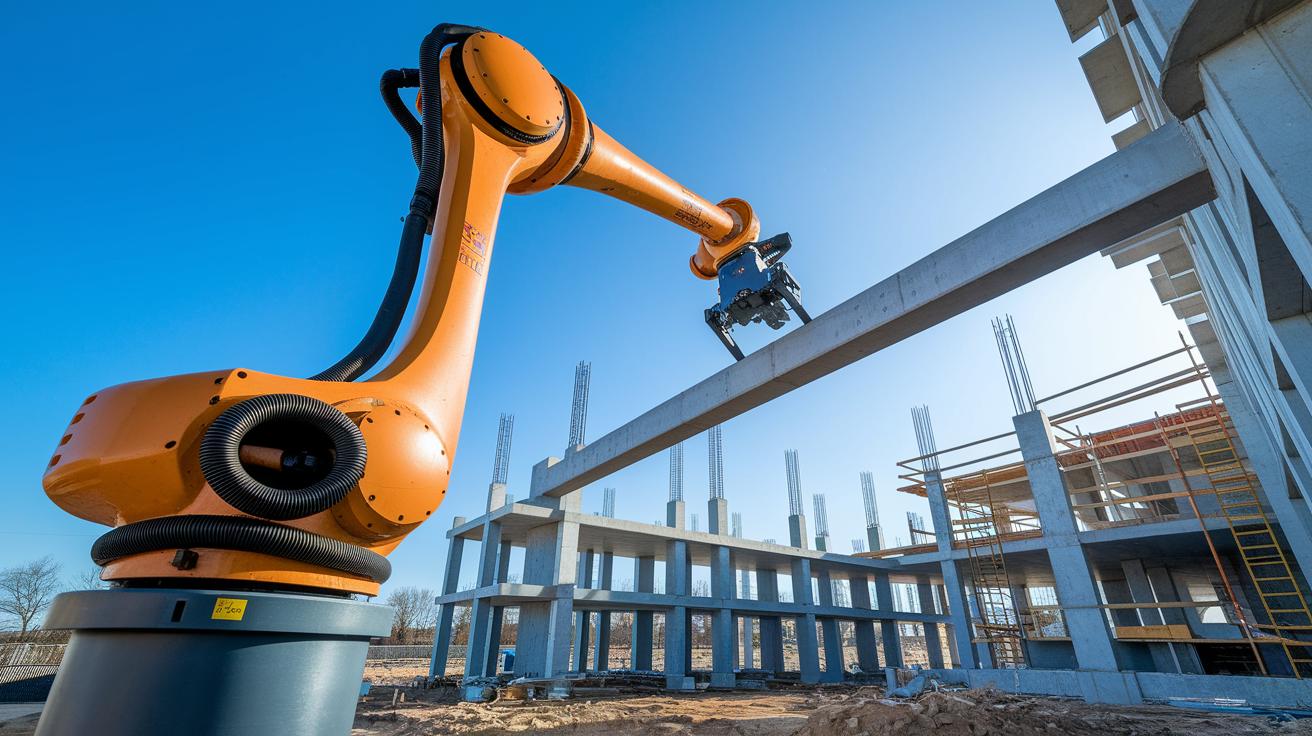
Technology is changing how buildings are made. It speeds up designs, makes work safer, and leads us toward smarter building practices. Ideas like 3D printing and better digital tools are turning old methods on their head.
3D Printing in Construction
The way 3D printing is used in building is growing fast, with numbers suggesting a huge growth rate right up until 2030. Picture parts for a project being built offsite with amazing accuracy, kind of like creating a bridge piece by piece with a printer instead of stacking bricks. This new method not only speeds up production but also cuts down on waste by using just the right amount of material. It’s really changing the way structures are designed and assembled.
Robotics and Automation
Robots and automated systems are quickly becoming a must-have on modern construction sites. They take over repetitive or dangerous tasks, which boosts productivity big time. Think about a robotic arm placing beams precisely where they need to go, it minimizes mistakes and speeds up the entire setup. With labor shortages becoming a real challenge, these systems are freeing up skilled workers to focus on more detailed, creative tasks.
IoT and Smart Building Technologies
Smart, connected systems are a real game changer for managing building projects. With IoT (that’s the internet of things, connecting devices so they can share data) in smart buildings, sensors and software give you a live digital snapshot of a project. Virtual design tools let teams make updates in real time, imagine tweaking a blueprint and seeing those changes instantly on site. This quick feedback prevents costly mix-ups and ensures every part fits just right.
Drone and Remote Monitoring Solutions
Drones are giving construction sites a whole new perspective, both literally and figuratively. They make mapping a site a breeze by snapping clear, high-resolution images and streaming real-time data. Picture a drone soaring over a busy site, keeping an eye on progress and spotting potential problems from above. This bird’s-eye view is key to keeping projects on track and up to the highest safety standards.
Construction Market Trends Spark Bright Growth
Green building efforts are changing the way we build. Builders are now using eco-friendly methods to cut down on waste and pollution. Since construction makes up about 40% of the world’s carbon emissions and 23% of air pollution, the industry is working hard to clean up its act.
These days, smart designs mix in energy-saving ideas and recycled materials to create buildings that really work for the community. Living building materials, which once seemed like a rare trend, are now becoming common practice because they help us build for a greener future. And ever notice how building parts made offsite can speed everything up? In fact, 60–90% of a building can now be assembled away from the site, which trims waste and quickens the work.
New rules are also pushing everyone to do better. With energy-efficiency standards and renewable energy taking center stage, companies are finding fresh ways to track and improve their green practices. By embracing new building methods and using pre-made parts, firms are not only cutting their environmental footprints but also working towards net-zero emissions. All this innovation in design, materials, and regulatory changes is lighting the way to a healthier future for construction.
Evolving Economic Projections in Construction

Market forecasts now point to a shift from rapid bursts of growth to a more gradual, steady pace across commercial, residential, and infrastructure segments. Once hitting high growth, many areas are now adjusting to new economic rhythms.
On the commercial front, nonresidential spending is expected to jump by about 6.4% to reach roughly $772.7 billion in 2024. Meanwhile, sectors like lodging and retail are slowing down, with declines of 5.7% and 11.2% respectively. The manufacturing sector, known for its impressive 43% annual growth since 2021, is predicted to ease to just 2.2% in 2025.
| Segment | Change |
|---|---|
| Nonresidential Spending | +6.4% ($772.7B) |
| Lodging | -5.7% |
| Retail | -11.2% |
| Manufacturing Forecast | 2.2% in 2025 |
In residential construction, a tightening supply is becoming a big challenge. There’s a shortage ranging from 1.5 million to 7.3 million units, and higher home prices along with rising mortgage rates are keeping buyers on the sidelines. Builders are now rethinking their plans as they try to navigate this gap.
Regional trends add another twist. Urban centers are buzzing with renewed demand thanks to fresh infrastructure investments, while suburban and rural areas show their own varied timelines and scales, each carving out unique paths for growth.
Regulatory and Economic Influences on Construction Market Trends
Higher interest rates this past year resulted in a surge in financing costs that squeezed project budgets, pushing construction firms to rethink how they handle risk. In plain language, new rules and changes in fiscal policy are shaking up the way projects are planned and executed. Tariffs on imported cement, lumber, and machinery are increasing prices, nudging project budgets to be extra careful about every dollar spent.
Companies now have to look at their financing options more closely because elevated interest rates and inflation are making loans more expensive. This means firms are not only checking their math but also rethinking how they manage risks and secure the best deals. Ever notice how shifting market trends can feel a bit like unexpected weather changes? One minute it’s clear, and the next, you’ve got to grab an umbrella.
Public-private partnerships are on the rise as a smart way to fund large infrastructure projects. Combining government backing with private sector know-how is creating opportunities for smoother project delivery. Firms are now using advanced risk management strategies and data tools to spot cost overruns early and protect their profits.
If you take a closer look, you’ll see that reviews of regulatory impacts and shifts in fiscal policy work together with economic factors to shape project delivery. Thanks to data analytics, innovative companies are tweaking their methods continuously, always ready for the next big change in the market. Essentially, this mix of rules and policies isn’t just a challenge, it’s also sparking a wave of new strategies that are setting the pace for the future of construction.
Final Words
In the action, we covered key shifts shaping our market, from changes in spending and labor dynamics to rising tech innovations and eco-friendly methods. We looked at how mortgage rates, material costs, and regulatory influences set the stage for both challenges and opportunities.
Each section offered clear data and insights that help bridge today’s conditions with future potentials. Construction market trends remain a solid guide to smarter financial decisions and brighter growth prospects.
FAQ
What do construction market trends for 2025 indicate?
The construction market trends for 2025 suggest shifts in spending patterns and material costs. Data shows rising nonresidential investment and global economic influences that affect budgets and project planning.
What is the U.S. construction market and commercial construction forecast for 2025?
The U.S. market forecast for 2025 highlights growth in nonresidential spending along with steady commercial construction trends. Rising costs and evolving financing dynamics underline a cautiously optimistic outlook.
What insights does McKinsey offer on construction industry trends?
McKinsey’s insights on industry trends emphasize changing spending patterns, cost management, and digital innovations. Their analysis provides data-backed context to guide strategic decisions in a competitive market.
What do U.S. construction industry statistics reveal?
U.S. construction statistics reveal modest easing in inflation, significant nonresidential investment growth, and observable declines in lodging and retail projects, painting a detailed picture of the current market climate.
What new trends in construction materials are emerging?
New trends in construction materials focus on improved sustainability and efficiency. Innovations in energy-efficient products and evolving supply chain conditions are reshaping material choices in the industry.
How are residential construction trends shaping market developments?
Residential construction trends reflect changing housing demands amid higher mortgage rates and a unit shortage. These factors are fueling increased interest in efficient, offsite building methods and design innovations.
How is the construction market performing right now, and is it slowing down?
The current market performance shows mixed signals with robust nonresidential growth alongside lower lodging and retail activity. This suggests targeted challenges rather than a uniform slowdown across sectors.
What is the future direction of the construction industry?
The future direction of the construction industry rests on enhanced digital tools, sustainable practices, and refined risk management. These elements promise smarter, more efficient project execution in the years ahead.


