
Ever wonder if the health industry is on the verge of a big jump? Recent numbers suggest that the global pharma market could grow by around 8% soon, powered by smart technology and AI-driven research (AI stands for artificial intelligence, which uses computer algorithms to mimic human thinking).
This boost is sparking new ideas for treatments and shows that change is already happening. It’s like watching the first rays of a sunrise, clear trends are paving the way for breakthroughs that matter, not just for patients but also for investors.
New therapies are emerging every day, setting the stage for a healthier tomorrow. So, with fresh innovations and robust growth ahead, isn’t it exciting to see where these market trends might take us?
Global Growth and Forecast in Pharmaceutical Market Trends
The global pharmaceutical market is on a strong upward path. Experts expect a growth of about 8% in 2025 and steady progress until 2027. New technology and smart uses of artificial intelligence (which means computers learning to help solve problems) are making research and launching new therapies much easier. Picture it like this: an 8% boost can spark a wave of fresh ideas and improvements. This trend reflects how global events and market changes are shaping a bright future for the industry.
Last year’s patterns still guide today’s research spending and therapy development. The breakthroughs we see now aren’t just isolated achievements, they build the road for what comes next. Rising areas such as obesity treatments and biosimilars (drugs that are almost identical copies of existing ones) are key drivers of revenue growth. Investors and experts see these innovations as proof that smart strategies really work. All signs point to a market that can adjust quickly and keep thriving.
Industry watchers are excited about steady progress and clear, data-backed targets. Predictions of a 6% annual growth until 2027 set the stage for future expectations. Financial plans now highlight new technologies and fast responses to emerging treatments as the main factors behind this steady rise. This fresh approach gives us a clearer picture of what to expect and helps set new benchmarks for market success.
| Year | Projected Growth Rate | Primary Driver |
|---|---|---|
| 2025 | 8% | Advances in technology and AI |
| 2026 | 6% | R&D expansion and biosimilars |
| 2027 | 6% | Emerging segments and therapy launches |
Impact of Regulatory Shifts on Pharmaceutical Market Trends
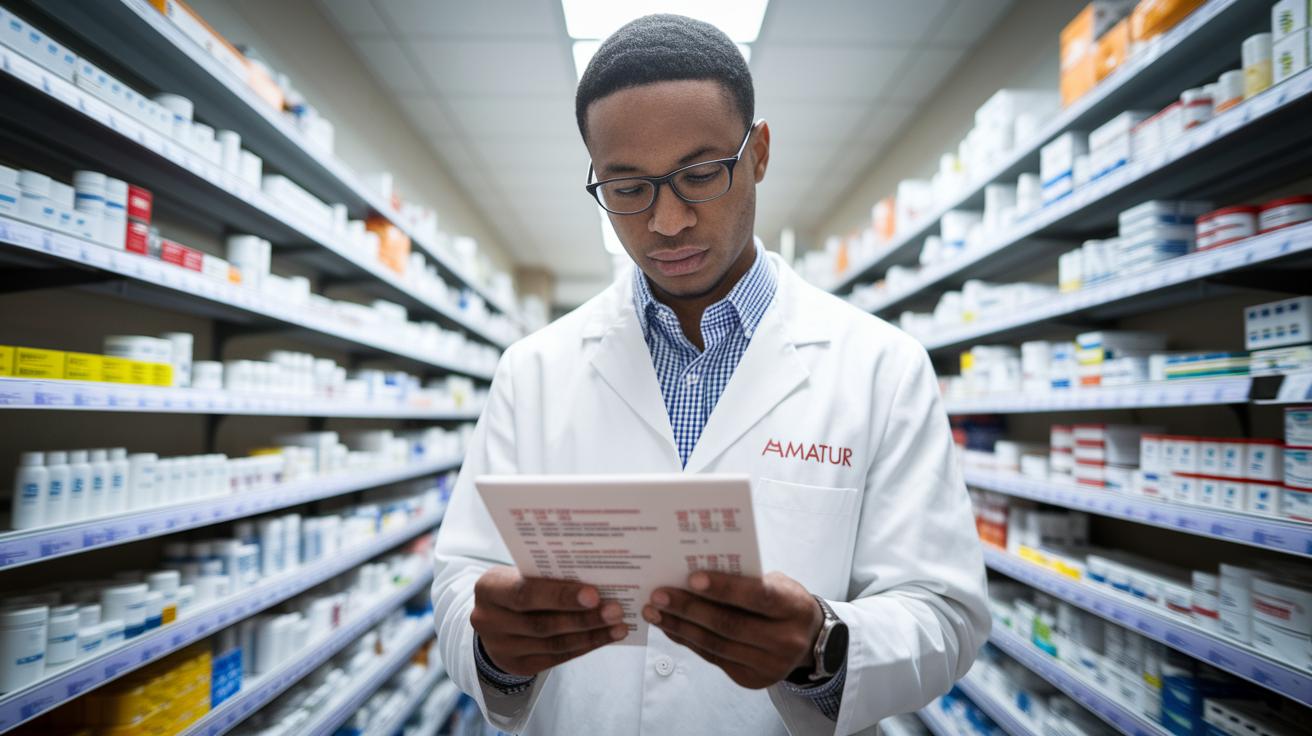
Recent shifts in U.S. drug policy are changing how we think about medicine pricing and planning. The Inflation Reduction Act lets Medicare negotiate drug prices, offers rebates when prices jump too high, and brings a new look to the Medicare Part D benefit. These updates have made drug prices less steady and have changed the timeline for approving new products. For example, a change in vaccine approaches has already begun to shake up revenue forecasts, making it harder to plan.
Policy updates like these are stirring up big changes in the market. Companies are now adjusting their strategies to deal with delays in negotiations and shifting timelines. Many market watchers say that drug pricing is now as unpredictable as the policy changes themselves. As businesses adapt, they are rethinking how they secure regulatory approval while still trying to keep costs low. This new landscape is a call for quick adjustments and smart planning.
- Medicare drug price negotiations backed by the Inflation Reduction Act
- Rebates when drug prices surge too much
- A fresh approach to Medicare Part D benefits
- Updates in drug pricing and vaccine strategy policies
Patent Cliffs and Generic Expansion in Pharmaceutical Market Trends
Pharmaceutical companies are feeling the squeeze as patents on big drugs are set to expire, putting up to $350 billion in annual revenue at risk. The top 20 firms, in particular, shoulder about 80% of this risk. With these expirations, more affordable alternatives like generics and biosimilars (drugs that mimic branded ones but at lower prices) are stepping into the spotlight. This shift is making companies rethink how they invest in research and plan their marketing for branded drugs.
On top of that, the rise of generics is changing the revenue picture as biosimilars gain more acceptance among consumers. Companies now face a tricky balance: they need to keep investing in research while managing stricter regulations. Losing the exclusive right to sell blockbuster drugs serves as a clear signal to tighten budgets and adjust pricing strategies. With market share steadily moving to generic options, firms are under mounting pressure to make smart, long-term strategic changes.
Ultimately, differentiating branded drugs through innovation and solid marketing is more critical than ever. Big players are working hard to defend their profit margins and build consumer trust, ensuring their products not only stand out today but remain strong well into the future.
Innovation Drivers Shaping Pharmaceutical Market Trends

Innovations like artificial intelligence and fresh treatment methods are shaking up both drug research and patient care. These changes are cutting down R&D times while boosting treatment results and opening new market avenues. For example, digital tools now help researchers screen compounds faster and analyze data quicker, sparking a wave of change in the pharmaceutical world.
AI in Drug Development
AI is now a game changer in drug discovery. It helps speed up the screening of compounds, makes trial funding choices smoother, and refines predictions for which drugs might succeed. With digital tools, companies can assess many compounds quickly, shorten trial periods, and accurately forecast the prospects of various candidates. This not only slashes costs but also ramps up the pace of innovation. It really feels like technology is setting the stage for a more responsive and efficient cycle in drug development.
Surge in Obesity Treatments
There's been a real uptick in obesity treatment prescriptions thanks to GLP-1 receptor agonists, like Ozempic and Mounjaro. The rising numbers are boosting company revenues and reshaping how they approach therapeutic options. More patients reaching out for effective treatments mean companies are racing to expand their supply and refine dosage strategies. This trend in obesity treatment is a clear sign of evolving market dynamics and therapeutic progress.
Looking ahead, these innovations promise a future where cutting-edge technology and targeted therapies work hand in hand to keep moving the pharmaceutical industry forward.
M&A Movements within Pharmaceutical Market Trends
After a quiet start in 2024, the biopharma scene is buzzing with a renewed flurry of deals. Companies are striking mergers and acquisitions to boost their market positions, and capital is flowing more freely than before. Remember the major industry conference where a staggering $14.6 billion deal stole the spotlight? That move perfectly captures the market’s hunger for consolidation.
Companies are now paying a premium for these deals, riding high on strong product pipelines (think of them as upcoming blockbuster products) and solid fundamentals. This thriving deal flow is sparking investor confidence, leading to more competitive offers and clever strategic bids. It’s not just about acquiring assets anymore – it’s about blending expertise and expanding geographic reach, which is reshaping how we see market value.
Firms are also joining forces in strategic partnerships to sharpen their competitive edge. They’re aligning with allies to broaden their product lines, boost efficiency, and tackle challenges like the risks tied to patent expirations. These smart moves are paving the way for long-term stability, even as the industry braces for future shifts.
- $14.6 billion deal announced at a major conference
- A big strategic merger between leading biopharma companies
- A significant move aimed at expanding global market presence
Geographic Segmentation in Pharmaceutical Market Trends

Regional influences play a major role in shaping the pharmaceutical world today. Local factors, like how drug ingredients (API supply chains) are managed and improvements in local production, make a big difference. In 2024, drugs developed in China made up about one-third of all global licensing deals, a huge jump from nearly nothing ten years ago. It’s amazing how quickly a region can soar to importance. Meanwhile, North America and Europe continue to enjoy steady export numbers and dependable regulatory systems that keep imports smooth, ensuring their solid market positions.
Companies across the globe are fine-tuning their strategies to match their local strengths and challenges. In North America, consistent production standards and mature infrastructure are key. Over in Europe, robust compliance practices and trusted approval processes help keep things in balance. On the other hand, the Asia-Pacific region, boosted by China’s surge in licensing deals, faces higher risks as API supply channels shift. This blend of market conditions affects licensing shares and supply safety, leading each region to adjust strategies to meet global demand while managing inherent vulnerabilities.
| Region | Licensing Share (%) | Supply Risk Index |
|---|---|---|
| North America | 35% | Medium |
| Europe | 30% | Low |
| Asia-Pacific | 35% | High |
Investment Outlook and Performance Indicators in Pharmaceutical Market Trends
Investor confidence is holding steady with market forecasts predicting a 6% annual growth until 2027. This steady growth brings in more capital and supports strong sales predictions, even when challenges like policy uncertainty and upcoming patent expirations come into play. Investors know these risks might impact revenue over time, so they’re looking at the big picture and aligning their strategies with emerging market signals. It’s a positive outlook that has encouraged a close, data-driven review of market fundamentals, keeping sentiment strong even in a shifting regulatory climate.
Planning teams are carefully balancing opportunities with risks. They keep a close eye on market trends, especially changes in policy that could affect drug pricing and reimbursements. With expectations of stable growth, investors are rethinking risk factors while focusing on dependable revenue streams and solid sales figures. This balanced approach helps them invest smartly and stay flexible as the market evolves.
- Segment selection
- Regulatory foresight
- Patent-calendar alignment
- R&D pipeline strength
- Geographic diversification
Final Words
In the action, we tracked global growth, shifts in drug pricing, patent changes, and technological progress. We also examined strategic deals, regional movements, and investment indicators.
Each section offered a clear, data-driven look at market forces shaping pharmaceutical market trends.
This review offers solid, human insights that help simplify complex dynamics and guide confident investment decisions in an ever-shifting financial scene.
FAQ
What trends are expected in the pharmaceutical industry in 2025?
The trends in pharmaceutical industry in 2025 reveal steady growth fueled by AI and tech advancements. This includes increased R&D investments, emerging treatments, and shifts in regulatory policies that influence market dynamics.
What does a current overview of the pharmaceutical industry include?
The pharmaceutical industry overview combines market reports with investor insights, highlighting global growth projections, key drivers like new therapies, and evolving news that shapes strategic decisions across the sector.
What is the pharmaceutical market trend in the US?
The pharmaceutical market trend in the US reflects policy reforms and pricing strategy changes. It is guided by data on drug pricing negotiations and regulatory shifts that shape how companies plan and invest.
How is the pharmaceutical market size by country evaluated?
The pharmaceutical market size by country is evaluated through reports that detail country-specific data, growth rates, and economic factors. This evaluation offers clear insights into regional contributions and market capacity.
What is the forecast for the pharmaceutical market?
The forecast for the pharmaceutical market predicts consistent annual growth. It relies on technology-driven advances and strategic investments in R&D and new treatment segments that boost overall market performance.
How are current market trends presented in a PowerPoint presentation?
The current trends in pharmaceutical industry PowerPoint presentations use clear visuals and concise data. They break down growth projections, emerging market segments, and technology impacts into easy-to-understand slides.


