
Have you ever felt lost among all the financial planning apps out there? We took a close look at trusted choices like You Need a Budget and PocketGuard to see which one might be the right fit for you.
In our review, we cover the essentials. We break down how each app handles budgeting (that is, setting up a plan for your money), investment tracking (keeping an eye on your stocks and funds), and account sharing. Our goal is to help you find an app that makes managing your money feel simple and clear.
Curious to see which option might be the best choice for you? Read on and let’s figure it out together.
Comparing Top Financial Planning Apps: Reviews & Ratings
Let’s chat about finding the best financial planning app. First off, we looked at key features like budgeting techniques, such as zero-based (where every single dollar is given a job, making spending easier to track) and envelope methods, as well as investment tracking, the ability to share accounts with a partner or advisor, and top-notch security to keep your money safe. For instance, with a zero-based system, every dollar is planned out like a perfect puzzle piece fitting into your bigger financial picture. You might also want to check out our related review on financial planner apps.
We also built our ratings on a mix of real user reviews and expert scores from popular app stores. We focused on how easy the apps are to use, the range of features offered, and how they perform in everyday life. This straightforward, side-by-side review helps you see which app is truly the best in each category.
| App Name | Best For | Pricing (Annual/Monthly) | iOS Rating (# reviews) | Android Rating (# reviews) |
|---|---|---|---|---|
| You Need a Budget (YNAB) | Zero-based budgeting | $109/yr or $14.99/mo | 4.8 (50,000+) | 4.7 (19,000+) |
| EveryDollar | Budgeting beginners | $79.99/yr or $12.99/mo | 4.7 (66,000+) | 3.8 (11,000+) |
| Goodbudget | Envelope budgeting | $80/yr or $10/mo | 4.6 (12,000+) | 3.9 (20,000+) |
| PocketGuard | Spend-safe and debt management | $74.99/yr ($6.95/mo) or $12.99/mo | 4.6 (7,000+) | 3.6 (2,000+) |
| Monarch Money | Advisor collaboration & tracking | $69.99/yr ($5.83/mo) or $14.99/mo | 4.9 (28,000+) | 4.7 (6,000+) |
| Quicken Simplifi | Cash flow and expense projection | Starts at $3.99/mo | 4.2 (3,000+) | 4.1 (2,000+) |
If you’re looking for flexibility, Monarch Money stands out with its top scores on both iOS and Android, offering a great mix of customization and teamwork features. Meanwhile, if a zero-based approach is most your style, YNAB really hits the mark. And for users who love the envelope method, Goodbudget is a solid pick, each designed to fit different financial needs.
Financial Planning App Reviews: Smart Choices

Comparing different financial planning apps matters when it comes to managing your money day by day. Instead of just repeating what you might already know, let's look at how each essential feature really shapes your budgeting routine. For example, apps like YNAB, EveryDollar, and PocketGuard use a zero-based budgeting method, which means every dollar has a specific job. Meanwhile, Goodbudget relies on an envelope system, offering a more hands-on way to plan your spending. And if you often work on finances with a partner or adviser, Honeydue and Monarch are designed for team collaboration.
Let’s break down how these features can affect your daily money management:
| Feature | Description |
|---|---|
| Budgeting Strategies | The zero-based method lets you assign every dollar a purpose, while envelope budgeting provides a clear, visual spending plan. One user even said, “Switching to a zero-based system made my expenses crystal clear overnight.” |
| Shared Finance | Apps designed for couples or financial advisers simplify managing joint budgets. |
| Investment Tracking | Portfolio dashboards in apps like Monarch and Empower let you see all your investments at a glance. |
| AI Assistance & Goal Setting | Monarch’s smart reminders and goal features help keep your savings and spending on track. |
| Reporting & Net Worth | Clear overviews from YNAB and Quicken Simplifi make it easy to monitor your financial progress. |
| Bill Reminders | Features in PocketGuard and EveryDollar help ensure you never miss a payment. |
| Multi-Account & Multi-User Support | Apps like Monarch and Honeydue are great for managing family finances or multiple bank accounts. |
| Custom Categories & Multi-Currency Options | Goodbudget lets you tailor spending categories and handle different currencies without fuss. |
These enhancements make it easier to choose an app that fits your real-life needs. As one user put it, "Monarch’s smart features helped me quickly adjust my savings goals during a tight month."
Pricing Tiers & Value in Budget Tool Evaluations
Financial planning apps come with both free and paid choices so you can try out the basics before spending any cash. Most start you off with a simple version or trial, then let you upgrade to extra features, like automatic syncing of your transactions (which means your bank moves show up by themselves) or clear, step-by-step cash‐flow forecasts. It’s a handy way to see if the additional features really add value for you.
- You Need a Budget (YNAB): Enjoy a 34-day free trial; then go premium for $109 per year or $14.99 per month.
- EveryDollar: Features a free plan with fewer options; premium is available for $79.99 per year or $12.99 per month.
- Goodbudget: Offers a free basic envelope budgeting plan; premium comes in at $10 per month or $80 per year.
- PocketGuard: Lets you use a free manual sync option; upgrade to premium for $74.99 per year or $12.99 per month.
- Monarch Money: Premium access is $69.99 per year or $14.99 per month.
- Quicken Simplifi: Starts at just $3.99 per month.
- Spendee: Has a free tier available, with premium plans priced at $14.99 per year and $22.99 per year.
- EasyBudget Pro: Provides a basic free version; upgrade with a one-time fee of $3.87 or $2.99.
When you weigh these pricing tiers, think about not only the cost but also what each plan offers. The best deal comes from choosing the app that fits your needs best, whether you want spot-on budgeting, clear investment tracking, or easy collaboration with others.
Usability & User Experience in Finance App Reviews
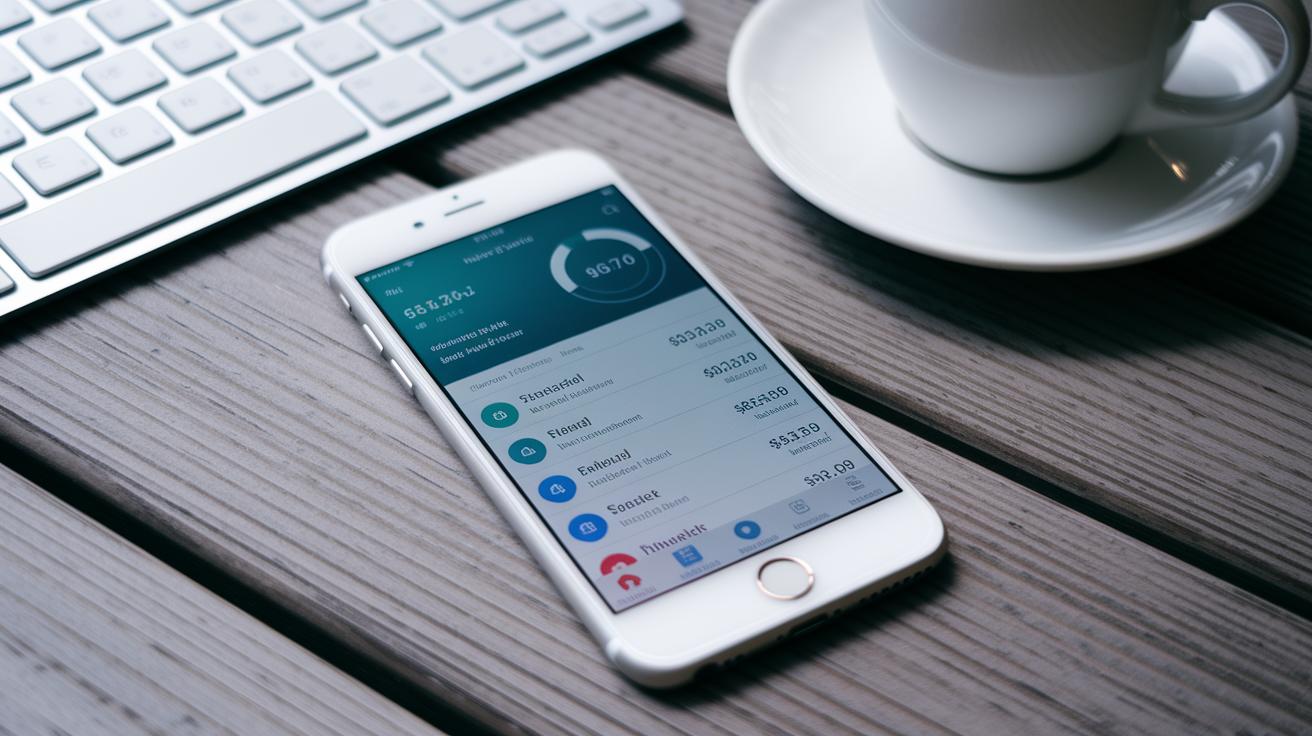
When an app is easy to use, it really helps users get started quickly without feeling lost. A natural design lets you focus on managing your money instead of wrestling with a maze of menus. This straightforward approach means you can set up your app fast, face less frustration, and enjoy a better experience whether you're a seasoned budgeting pro or just starting out with financial planning.
- Easy Onboarding: EveryDollar guides you with a clear, simple setup that keeps your experience light and uncluttered.
- Visual Appeal: Goodbudget uses envelope graphics that make tracking your spending both clear and engaging.
- Quick Access: PocketGuard offers a one-screen dashboard with a "Spend Safe" alert, so you can see important info at a glance.
- Customization: Monarch features an AI chat assistant and a flexible layout, letting you shape the app to fit your style.
- Seamless Navigation: Quicken Simplifi uses drag-and-drop categories and cash flow previews, which makes keeping track of expenses a breeze.
- Privacy in Shared Use: Honeydue provides a joint feed that respects individual privacy while keeping shared details easily accessible.
While EveryDollar and Goodbudget shine with their simple, user-friendly designs, apps like Monarch and Quicken Simplifi mix smart features with ease of use. These apps are favored by people who need a powerful tool that still feels accessible and customizable.
Security & Data Protection in App Reviews
When you use a financial planning app, your accounts get linked through trusted services like Plaid, Yodlee, and Finicity. These apps use strong methods, like bank-level 256-bit encryption, which means your money details are locked up tight, to keep your sensitive financial information secure. They also follow strict privacy rules set by laws such as GDPR and CCPA, ensuring that your data stays safe.
Many of these apps pack extra security features. For instance, they offer Multi-Factor Authentication, high-grade encryption protocols, strict privacy policies, secure ways to send data, and clear tracking of any past security breaches. Think of it as having several locks on your front door.
Plus, independent experts regularly check these apps through security audits and certifications. Reviews often mention that these assessments help fix any vulnerabilities before they become a problem. With all these protections in place, you can feel confident knowing your financial data is handled with top-level security, a solid setup for managing today’s digital financial needs.
Expert & User Ratings in Financial Planning App Reviews

When you dig into app reviews, you notice that both user experiences and expert insights come together to tell you how well an app actually performs. Experts point out that a clean layout, frequent updates, and simple ways to handle your budget can really boost an app's rating. It's interesting to note that, before it became a favorite, Monarch Money surprised everyone with its smooth and user-friendly design, setting a high standard for managing your money easily.
| App Name | iOS Rating (# reviews) | Android Rating (# reviews) |
|---|---|---|
| YNAB | 4.8 (50,000+) | 4.7 (19,000+) |
| EveryDollar | 4.7 (66,000+) | 3.8 (11,000+) |
| Goodbudget | 4.6 (12,000+) | 3.9 (20,000+) |
| PocketGuard | 4.6 (7,000+) | 3.6 (2,000+) |
| Monarch Money | 4.9 (28,000+) | 4.7 (6,000+) |
| Quicken Simplifi | 4.2 (3,000+) | 4.1 (2,000+) |
Apps like Monarch Money and YNAB shine with top marks, showing strong trust from both regular users and experts. The larger number of reviews on iOS often hints at deeper user engagement, which makes experts pay extra attention to design details and how support is managed on different platforms.
Choosing Your Ideal Financial Planning App
Before you pick an app to manage your money, think about how hands-on you want to be. Do you like tracking every single dollar, or do you prefer a simple overview that gives you a quick glimpse of your finances? For example, you might say, "If I need detailed tracking, I'll choose an app that assigns a specific job to every dollar."
For Zero-Based Budgeters
If you love knowing where each dollar is headed, YNAB is a great choice. It uses four clear budgeting rules that give every dollar a specific role, making your spending as organized as a well-planned relay team.
For Budgeting Beginners
Starting out with budgeting can feel overwhelming, but EveryDollar makes it easy. This app offers a straightforward setup that gently guides you into managing your money without any fuss.
For Envelope System Users
If you prefer the classic envelope method, Goodbudget brings that familiar system into the digital world. It neatly sorts your funds into different spending categories, just like having labeled envelopes for each expense.
For Debt-Payoff Plans
When paying down debt is your priority, PocketGuard is a smart option. It uses a simple, spend-safe algorithm that helps you set aside money specifically for debt repayments, keeping your financial journey on track.
For Investor-Focused Tracking
For those who keep a keen eye on investments, the Empower Personal Dashboard is ideal. It not only tracks your spending but also keeps an eye on your investment portfolio, blending both tasks into one clear display.
For Couples
Managing money as a team? Honeydue offers a shared feed that helps couples track their joint expenses while keeping individual transactions private, so everyone stays on the same page yet has their own space.
For Adviser Collaboration
If you work with a financial adviser, Monarch Money makes sharing your data safe and simple. Its secure data sharing feature ensures that your financial information stays protected while you collaborate effectively.
Final Words
In the action, our guide compared top financial planning apps side-by-side. We broke down budgeting methods, investment tracking, user experience, and pricing tiers. The analysis showcased each app’s features, security measures, and user ratings to help you see the full picture. With clear explanations and practical evaluations, the review simplifies your path to smart financial decisions. Enjoy using these detailed financial planning app reviews to pick the tool that best fits your needs and boost confidence in managing your money.
FAQ
What are the best financial planning apps?
The best financial planning apps include YNAB for zero-based budgeting, EveryDollar for simplicity, Goodbudget for envelope budgeting, PocketGuard for spending tracking, Monarch Money for goal setting, and Quicken Simplifi for cash-flow reviews.
Are finance apps worth it?
Finance apps are worth it if you’re seeking real-time insights and smart reminders to manage spending and savings. They offer user-friendly tools to help you stay on top of your financial goals.
What is the number one financial app?
The number one financial app depends on your specific needs, but many users favor YNAB for its effective zero-based system and robust support framework for active money management.
Is Plum or Emma better?
The choice between Plum and Emma depends on your goals; Plum focuses on automated saving and investment, while Emma offers a broader view of spending habits, so select the one that matches your priorities.
Where can I find free financial planning app reviews?
Free financial planning app reviews are available on platforms like Reddit and various review sites, providing real-life user insights, detailed features, and comparisons without any cost.
What are the best free budgeting apps?
The best free budgeting apps include EveryDollar’s basic tier, Goodbudget’s limited envelope system, and YNAB’s trial period, all offering a great introduction to managing your money effectively.
Which budgeting apps excel in both traditional and modern approaches?
Budgeting apps like YNAB excel with zero-based budgeting, while Goodbudget uses the envelope method. Quicken Simplifi and PocketGuard also shine by offering modern tools for tracking spending and cash flow.


