
Ever wonder if hotels and resorts are turning tough times into new opportunities? The hospitality world is buzzing as smart new technology meets warm, personalized service. Rising costs have pushed these businesses to find different ways to please guests without hiking up prices. New digital tools, uniquely tailored guest experiences, and eco-friendly choices are signaling a clear shift in the industry. It feels like these trends are lighting the way toward a bright future for hospitality.
Overview of Current Hospitality Market Trends
The hospitality sector is bouncing back after the recent health crisis. Hotels and lodging providers are dealing with rising prices and changing guest tastes by boosting their online tools and offering more personalized services. Many companies are now rethinking how they run things, aiming to meet the growing need for modern, tech-driven experiences while handling tough economic times.
Economic pressures have pushed the industry to adapt quickly. For instance, short-term rental supply jumped by 13% across nearly 500 markets worldwide between October 2023 and October 2024. This increase shows how businesses are balancing higher costs while still creating unique, guest-friendly experiences. Basically, the market is shifting toward smart strategies that mix technology, comfort, and green practices.
Key trends include:
- Fast digital upgrades powered by new technology.
- Personalized touches like tailored room settings and custom amenities.
- A focus on sustainability, with eco-friendly practices on the rise.
- Alternative lodging options that go beyond traditional hotels.
- Changing guest demands that reflect modern ways of living.
These shifts are creating a lively and evolving hospitality landscape. Market leaders are investing in digital improvements, personalized experiences, and green practices to keep up with what guests really want. This blend of innovation and flexibility is setting the stage for a bright future in the industry.
Hospitality Market Trends: Bright Prospects Ahead
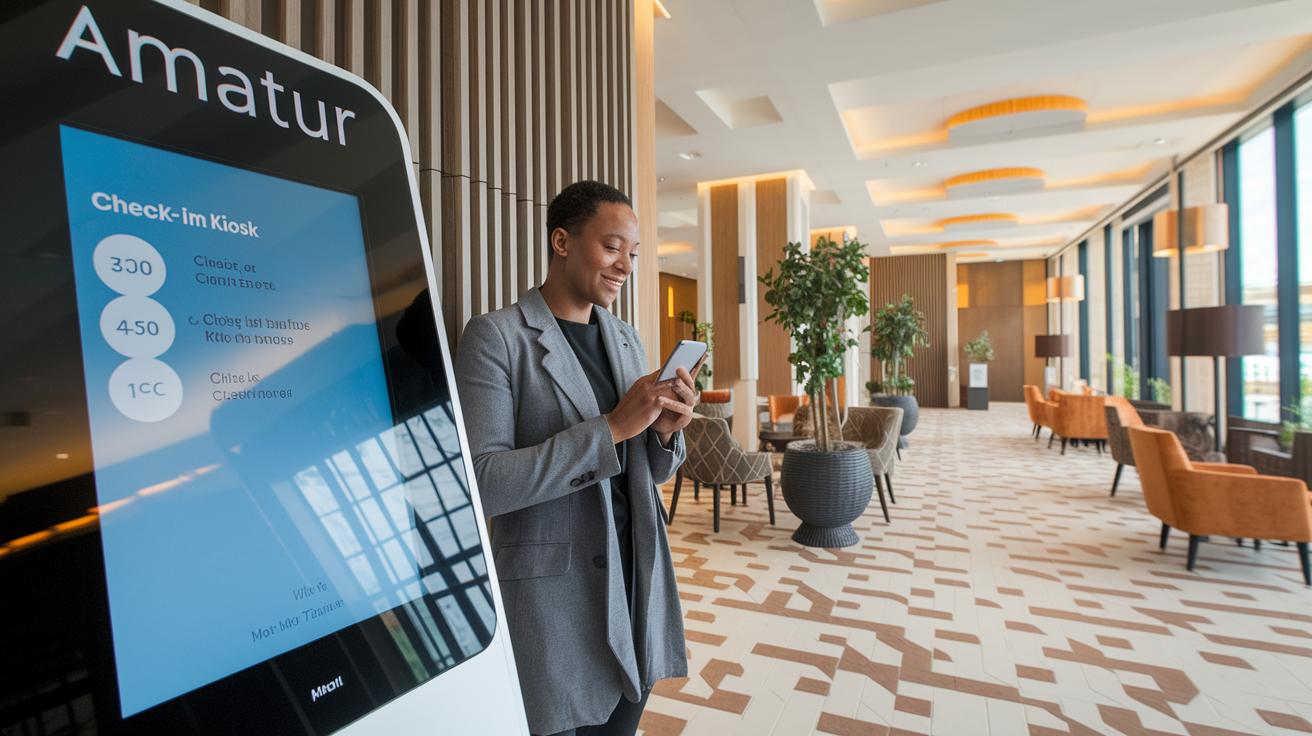
Hotels are quickly embracing new tech to stay ahead in a busy market. Today, digital upgrades aren’t just a fad, they’re absolutely needed. Many hotels are using smart tools like robotics, AI (that’s technology designed to mimic human thinking), and service automation to make their work easier and cut down on labor costs. It’s pretty cool that in some top hotels, AI chatbots and virtual concierges answer nearly 40% of guest questions!
Here are some of the key innovations making waves:
- AI chatbots – Imagine asking for dinner ideas and getting fast, detailed answers.
- Mobile check-in – Picture arriving and skipping the long line at the front desk.
- Keyless room access – Think about unlocking your door with just a tap on your smartphone.
- Smart room controls – Envision adjusting the lights or temperature with a quick voice command.
- Data analytics platforms – Consider how studying guest habits helps tailor special offers right away.
- Virtual concierge services – Visualize having a digital assistant available any time to guide your stay.
These digital tools not only give guests a smoother, more personal experience but also boost hotel revenue. Ever notice how a quick tech fix can feel a bit like magic? With reduced wait times and tailored services, hotels are creating happier stays and seeing better returns on their investments.
Guest Behavior Analysis and Evolving Demand Dynamics
Hotels are now adding a personal touch by tailoring room setups, amenities, and even how they communicate with guests. Imagine walking into a room that feels like it was made just for you. This trend is set to grow through 2025, making every stay feel uniquely designed around your tastes.
Many guests, whether they're on business trips or vacations, are also on the lookout for ways to stay healthy while traveling. About 70% now want little extras like in-room yoga kits or wellness shots to boost their experience. With more people blending work and leisure (often called bleisure travel) and opting for longer stays, it’s clear that remote work is reshaping how people plan their trips. Guests want spaces that support both their professional tasks and personal relaxation, leading to a more balanced and satisfying visit.
Real experiences matter, too. Travelers increasingly seek out local events and cultural moments that give them a true taste of the place. This focus on authentic, event-driven offerings means hotels are working hard to create memorable experiences that not only meet but exceed modern guest expectations.
Sustainable Lodging Practices and Eco-Friendly Hospitality Solutions
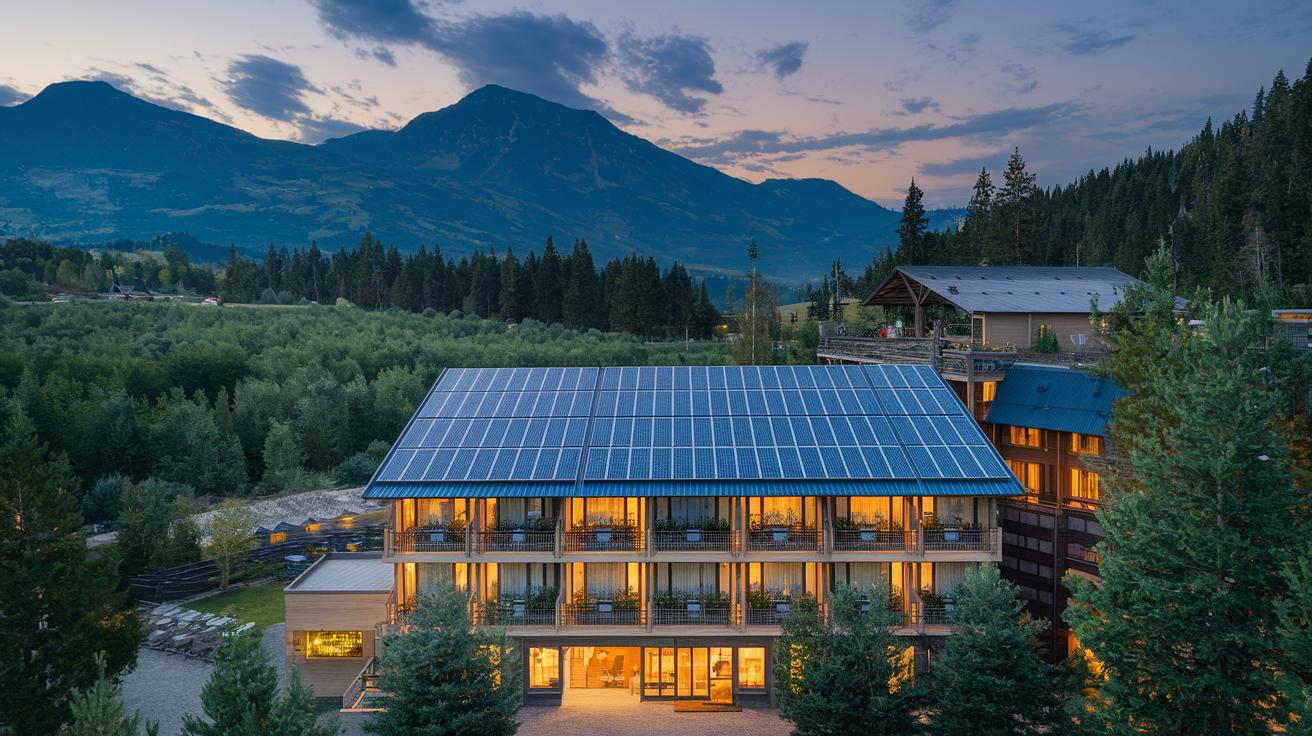
Hotels today are chasing eco-certifications not just to show off their green efforts, but also to draw in guests who are passionate about sustainability. They’re updating their operations with energy-saving lighting, water-saving systems, and greener cleaning supplies. These improvements not only cut energy bills but also appeal to travelers who want to do their part for the environment.
Some hotels are even installing solar panels and renewable energy setups that can reduce yearly utility bills by nearly 30%. Think about it, a step that’s friendly to the planet and friendly on the wallet. It’s a win-win that helps hotels save money while making guests feel good about where they stay.
In the food and beverage arena, many places are refreshing their menus with more plant-based protein options, which now make up about 25% of the offerings in top markets. These options often come from local sources, meaning the ingredients are fresh, seasonal, and grown nearby. This not only cuts down on carbon emissions from long journeys but also builds a stronger local community bond.
By investing in green certifications and sustainable practices, hotels are upgrading guest experiences and boosting their own bottom lines. As more travelers put a premium on eco-friendly choices, these measures help hotels save money and earn loyal customers. In essence, sustainable practices are reshaping the hospitality industry, making it a smarter and more responsible place for everyone.
Regional Shifts and Economic Impacts on Hospitality Market Trends
In the Asia-Pacific region, travel demand is on the rise even though fewer Chinese travelers are heading abroad. India's luxury market is booming, and experts believe it could grow even faster than the global economy by 2025. These trends show that in many emerging tourism hotspots, more money and changing tastes are pushing travelers toward upscale experiences. For instance, guests are now drawn to designs and services that mix modern comforts with local traditions.
Short-term rentals have also jumped, with a global supply increase of 13% reported from late 2023 to late 2024. Over in Europe, shifts in booking platforms are challenging direct hotel reservations. With direct booking clicks dropping by up to 30%, property managers are rethinking their online strategies to stay ahead. They’re now looking into creative marketing and smarter pricing to balance the high fees charged by online travel agencies.
North America’s market tells a different story, one of steady recovery and consistent demand. Here, businesses are embracing modern digital tools and personalized services to enhance guest experiences. All in all, these regional changes remind us that companies need to be flexible and adjust their strategies to meet various market needs and shifting travel preferences.
Future Hospitality Projections and Forecasting

Hospitality is changing fast thanks to new technology. By 2025, over 60% of hotels will use smart systems that set room prices based on real-time data. These tools learn from guest behavior and current market conditions to adjust prices on the spot. Ever imagine your room services subtly adapting as you settle in? That personal touch sums up the future of hotel stays.
AI-Driven Revenue Management
Today’s hotels are using clever computer models that watch how guests behave and what’s happening in the market. These systems tweak room prices quickly and even suggest extra services like spa sessions or fancy dining. The result? Hotels can boost their earnings while giving every guest a more personal experience.
Distribution Channel Evolution
Changes in rules and shifts in digital platforms are pushing hotels to rethink how they get bookings. With updates from big players like Google and challenges from traditional booking sites, hoteliers are choosing a mix of strategies. They’re attracting more direct bookings while still making smart use of popular travel websites, keeping the digital marketing game balanced.
Expanding Revenue Streams
Hotels are not just about room rentals anymore. They’re exploring extra ways to earn, like improved food and beverage options, special event packages, and local partnerships. These new ventures add value for guests and create a strong, varied revenue mix as the industry moves toward a more integrated and personalized hospitality experience in 2025.
Final Words
In the action, we traced how the hospitality market rebounded post-pandemic. We talked about digital tools that change everyday operations, shifts in guest desires, and green steps that lower costs. Short-term rentals are up, and new regional trends offer fresh opportunities. Smart tech shows clear benefits in guest service and revenue management. Clearly, hospitality market trends are a guiding light for future growth. The industry's forward march leaves plenty of reasons to feel optimistic and confident about what comes next.
FAQ
What are the latest trends in the tourism and hotel industry?
The latest trends in tourism and the hotel industry include digital acceleration, hyper-personalization, sustainable practices, alternative lodging models, and evolving guest preferences that reflect market recovery.
How are future hospitality trends presented in PDFs and PPTs?
Future hospitality trends presented in PDFs and PPTs focus on smart design innovations for 2025, incorporating keyless access, smart room controls, and eco-friendly design elements that elevate guest experiences.
What do the 5 P’s and the big 5 in hospitality represent?
The 5 P’s in hospitality refer to People, Product, Price, Place, and Promotion as core service elements, while the big 5 signify leading trends shaping market strategies and guest engagement.
Where can detailed reports on hospitality and tourism trends be found?
Detailed reports on hospitality and tourism trends are available in PDFs, PPTs, and market analyses that highlight digital transformation, personalized services, and eco-friendly practices driving industry evolution.
What current challenges and opportunities face the hospitality industry?
Hospitality today faces economic pressures and shifting guest expectations, while innovations in digital technology, sustainable operations, and personalized services offer strong opportunities for improved guest satisfaction and financial performance.


