
Have you noticed how house prices keep creeping up, almost like they’re sneaking past us without warning? Recent figures say that shelter costs have risen by 3.9% in just one year. In simple terms, housing has quickly become one of our biggest expenses.
It’s almost like watching a familiar price tag slowly change right before our eyes. But here’s something to think about: with fewer homes available, this trend might offer a bit of a safety net against other costs that keep rising. Ever wonder if a tighter market could actually help keep overall price hikes in check?
Stay with us as we break down what these shifts might mean for everyday homeowners like you. We’ll explain everything in clear, everyday language so that even complex market trends feel approachable and relatable.
Housing Market Inflation Rate: Rising Trends Spark Optimism
Have you ever noticed how prices seem to drift up over time? Housing, whether it's rent or the cost of buying a home, is a prime example. The Consumer Price Index (CPI) tells us that shelter costs jumped by 0.3% from last month and have gone up 3.9% over the past year. It’s like watching the price tags at your favorite store slowly increase.
Take the Case-Shiller Home Price Index, for instance. This index tracks the prices of single-family homes across the U.S. Experts adjust these numbers by dividing by the CPI to get what are called real home prices. In simple terms, they’re comparing what homes cost now versus back in the day, after accounting for inflation. It’s a handy way to see the true rise in home prices rather than just raw numbers.
| Category | MoM Change | YoY Change |
|---|---|---|
| Overall CPI | 0.3% | 3.9% |
| Shelter Component | 0.3% | 3.9% |
What’s interesting is that housing prices often rise faster than other everyday products, offering a sort of safe haven when inflation hits. Driven by strong demand and shrinking supply, real estate can help balance out the effects of rising general prices. It’s a reassuring trend for anyone keeping an eye on their expenses.
Trends in Year-Over-Year Residential Price Growth
Over the past year, the housing part of the Consumer Price Index has climbed by 3.9%. That nearly 4% jump shows us just how strong housing's pull can be on overall inflation. While many everyday items only get a small price increase, home costs are really standing out. It's a big reminder that housing is a key driver in our rising costs.
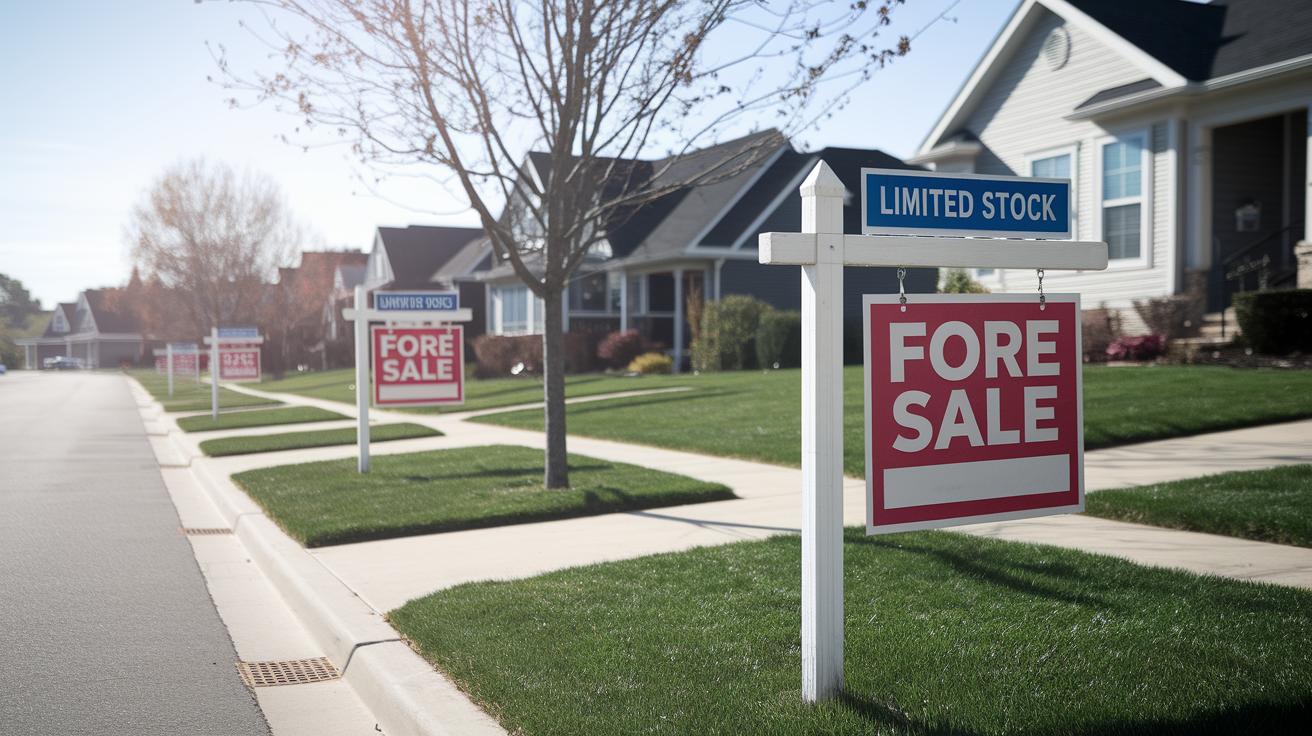
In April, the supply of existing homes was only enough to last 4.4 months, which is much lower than the usual 5- to 6-month stretch needed for a balanced market. This limited availability means buyers are competing hard, pushing prices even higher. Imagine that popular toy at a holiday sale that quickly runs out, the low stock naturally makes prices soar.
On the flip side, new single-family homes offer a bit of relief with over 8 months of supply. More new homes mean buyers have extra choices, which helps ease some of the price pressure. It's a bit like opening extra lanes during heavy traffic, it smooths things out a little.
Even though new builds provide some balance, overall housing prices remain high compared to before the pandemic. Markets are starting to slow down from those rapid spikes, yet the prices still feel elevated due to ongoing demand and supply issues.
Regional Variations in Housing Market Inflation Rates
When you look at the overall numbers, it's easy to miss the little details each region offers. National averages can hide local issues, like when only a few homes show up on the market for less than three months. So while one area might enjoy a steady market, another could be running low on stock, which can push home prices higher. Think of it like comparing a busy urban supermarket with constant deliveries to a small town that only gets a few.
In neighborhoods where inventory is really tight, sellers list properties with extra urgency, knowing buyers will rush in to grab a chance. Homes tend to sell quickly, and this intense competition can drive prices higher, much like a bidding war over a rare collectible. But then, in places where there’s suddenly a flood of new construction, sellers might drop prices a bit to attract buyers and keep things balanced.
Rises in mortgage rates also hit regions in different ways. Big city markets, where the enthusiasm to buy is high, might cool off faster when rates go up since buyers are more sensitive to changes in borrowing costs. In contrast, quieter suburban areas might feel less of a sting, allowing prices to climb at a steadier pace. It's a bit like watching city traffic slow down abruptly compared to the gentle pace in smaller towns.
Local factors, think job growth, zoning rules, and new building projects, play a big role in these differences too. Areas with booming economies and active construction often see prices jump higher, while regions with slower growth experience only gradual increases. Understanding these local market conditions is crucial when you're checking out property investments.
Comparing Housing Inflation with General Consumer Prices

The CPI’s shelter portion looks at two things: the rental equivalent, which is the rent that tenants actually pay, and the owners’ equivalent rent, which guesses what homeowners might pay if they were renting. This way of measuring gives us a clearer picture of housing costs , it's like looking beyond a menu's list price to see the real amount you spend after taxes.
The Case-Shiller/CPI ratio shows us how housing prices and common consumer prices have grown differently. By dividing the Case-Shiller Home Price Index by the CPI, you can spot how quickly home prices increase when inflation is taken out of the equation. Often, housing prices go up faster than overall consumer prices because a big chunk of household budgets is spent on shelter. Even when most prices slow down, home prices tend to keep climbing, reinforcing the idea of housing as a reliable investment.
Forecasting Future Housing Market Inflation Rates
Central banks are raising interest rates to slow down inflation (the steady rise in prices). When these rates go up, borrowing money becomes more expensive, just like when a movie ticket costs more, you might decide to skip the show. In the housing market, higher rates mean pricier mortgages, which can slow down the rise in home prices over time. So, even if inflation starts to ease, the level of interest rates will still play a big role in how many people can afford a home.
Forecasting models use different pieces of information to estimate future trends in the housing market. Analysts study historical data, like the CPI shelter figures (a measure of housing costs), and watch expected changes in mortgage rates. They also take a look at how many homes are on the market because a tight supply can keep prices climbing, even if general inflation falls. Think of it like checking your bank balance regularly, these models continuously review fresh data to provide a clear picture of where housing inflation may be headed.
These forecasts can be a real lifesaver for buyers. Locking in a fixed-rate mortgage (a loan with the same interest rate over time) before rates increase can protect you from unpredictable cost hikes. It’s like committing to a long-term deal at a price you know well, which can help stabilize your budget. By securing steady rates, buyers can plan their investments with a bit more confidence, even when the market seems to be in constant flux.
Strategies for Home Buyers and Sellers in an Inflationary Housing Market

Inflation can change borrowing costs fast, which in turn shakes up home prices and resale value. When prices keep rising, both buyers and sellers really need to have a smart game plan to protect their investments. For buyers, nailing a good mortgage rate is crucial, while sellers need to set smart prices to catch the eye of budget-conscious buyers. These tailored strategies help smooth out the bumps that come with rising inflation and shifting mortgage rates.
Tips for Home Buyers
-
Lock in a fixed-rate mortgage quickly.
Did you know that a buyer who secures a fixed rate today could save thousands over the life of the loan, even if rates shift later? -
Shop around with multiple lenders and check all fees.
By comparing base rates along with extra costs like appraisal fees and title insurance, you can really cut borrowing costs. -
Use home affordability, rent-versus-buy, and amortization calculators.
For instance, using an affordability calculator can help you work out a comfortable price range based on your monthly budget and expected mortgage expenses.
Tips for Home Sellers
-
Price your listing to tap into inflation-driven demand.
Imagine a seller who prices their home just right during high inflation, this could draw more offers as buyers hurry to lock in before rates go up. -
Time your sale to match your reinvestment plans.
Think of it like this: planning your next purchase around your home sale can make the whole process smoother by leveraging current market conditions. -
Get ready for possible oversupply in some markets.
Sometimes, too many homes hit the market at once, which might push prices down. Having a strategic pricing plan in place can help ease these challenges.
Final Words
In the action, this article explored how inflation shapes housing prices by breaking down CPI housing components and the Case-Shiller/CPI ratio. We examined year-over-year trends, regional differences, and forecast models that capture the housing market inflation rate. The insights offered practical tips for buyers and sellers, all laid out in clear, data-driven language. The discussion leaves us with a better grasp of current market trends and a sense of hope as we tackle fluctuations with informed strategies.
FAQ
What does the housing market inflation rate graph and yearly data indicate?
The housing market inflation rate graph and yearly data show how housing prices have been rising over time, often more than general price increases, which reflects strong demand and tight market supply.
How have house prices increased over the last 5 and 10 years?
The increase in house prices over the past 5 and 10 years highlights a steady upward trend, driven by limited supply and strong buyer demand, though the exact percentage varies by location.
How can a housing inflation calculator help me track price changes?
The housing inflation calculator helps you track price changes by comparing current prices to past values, which can assist with budgeting and understanding market trends.
Are house prices dropping in Massachusetts?
The question about Massachusetts suggests that, while some localized data may show a slowdown, many areas continue to see steady growth in housing prices due to regional demand and market factors.
Is it wise to buy a house during periods of inflation?
Buying a house during inflation can serve as a hedge against rising prices, offering potential long-term benefits, though buyers should weigh current mortgage rates and regional market conditions before deciding.


