
Have you ever thought that your crypto trading might need a little extra power? Picture this: you get tools that slice through the confusion and let you trade based on clear market data (that means reliable information you can trust).
Today, you can use crypto trading tools like easy-to-read charts, clever trade bots, and up-to-the-minute alerts that can really change the game. They help you set aside emotions and focus on making quick, thoughtful decisions.
In this article, we explain how these smart tools can turn market data into profit and give you the edge you need in the fast-changing world of digital currencies.
Overview of the Crypto Trading Tools Ecosystem
The crypto trading tools ecosystem gives you a set of handy resources to navigate digital currencies. At its core are crypto exchanges where you can easily buy and sell popular coins like Bitcoin and Ethereum on trusted platforms such as Binance, Coinbase, and Kraken. Picture a beginner gaining confidence with every trade on a secure platform.
Tools like TradingView and Coinigy provide live charts, historical data, and simple drawing tools to help spot trends and decide when to buy or sell. And with automated trading bots and smart algorithms working nonstop, you get emotion-free execution that boosts both speed and accuracy.
On top of that, portfolio trackers bring together real-time data and timely alerts to help you manage risks and rebalance your assets as the market shifts. They rely on fast RPC endpoints, which are just quick access points to deeper tech systems, and sturdy backend infrastructure to run smoothly. New trends in financial technology show us how digital asset services are constantly reshaping the trading landscape.
All in all, these tools cut out the guesswork and offer clear, actionable insights. Sometimes a simple alert like "Rebalance now" is all you need to stay on top of your game. Every one of these tools is designed to help you make smarter, more informed decisions in the fast-paced world of crypto trading.
Automated Trading Bots and Algorithmic Strategies for Crypto

Automated trading bots make it easy to react to fast-changing crypto markets without all the guesswork. They run all day and night, checking market conditions and executing trades based on set rules that don’t get swayed by emotions. For example, a grid-trading bot lines up a series of buy and sell orders at fixed price points to snap up profits as prices wiggle. Fun fact: a well-designed grid-trading bot can bag gains whether the market moves slightly or makes a big leap, all without any human input.
Cloud-based bots take the hassle out of trading even more. You can tweak settings on the fly without fretting over big, clunky systems. Their flexible design makes them a great choice whether you’re just starting out or you’ve been trading for years. These bots crunch data non-stop and trade at speeds that often beat manual efforts, so you never miss a good opportunity.
High-frequency trade engines are for those who need super quick order placements. They depend on fast, low-latency connections to cut down on delays, making sure every tiny moment counts when grabbing short-lived chances. When you're shopping for automated tools, look for ones that are easy to use, show clear performance numbers, and let you adjust strategies to suit your needs.
By comparing these features, you can pinpoint the best automated trading bots and algorithm strategies to navigate the unpredictable crypto market. This lets you concentrate on your overall game plan while the bots handle the fast, constant market changes.
Charting and Technical Analysis Platforms in Crypto Trading
Charting platforms are key to data-driven crypto trading. They give you live charts, past market data to test your ideas, and simple drawing tools to spot clear patterns and price levels. For example, one trader said, "I once saw a small chart pattern predict a big change, showing that even simple visual cues can lead to smart trades." These insights really help you see how the market moves and strengthen your trading plan.
Tools like TradingView and Coinigy work closely with top exchanges, making sure you get real-time data along with a wide range of technical indicators. These platforms serve as full technical analysis hubs too. They catch patterns on the fly so you can pick the right moments to buy or sell. Plus, many now include AI-driven alerts that watch market trends in real time. With this mix of technical tools and smart, automated signals, you’re essentially using some of the most advanced analysis software out there.
If you’re curious about how different indicators work together, you can check out a detailed guide to altcoin analysis. With features like these, charting platforms don’t just show you what’s happening now, they also give you useful historical views that help build strong trading strategies. They do more than show numbers; they create a base for making well-informed and confident trading decisions.
Portfolio Management and Risk Control with Crypto Tools
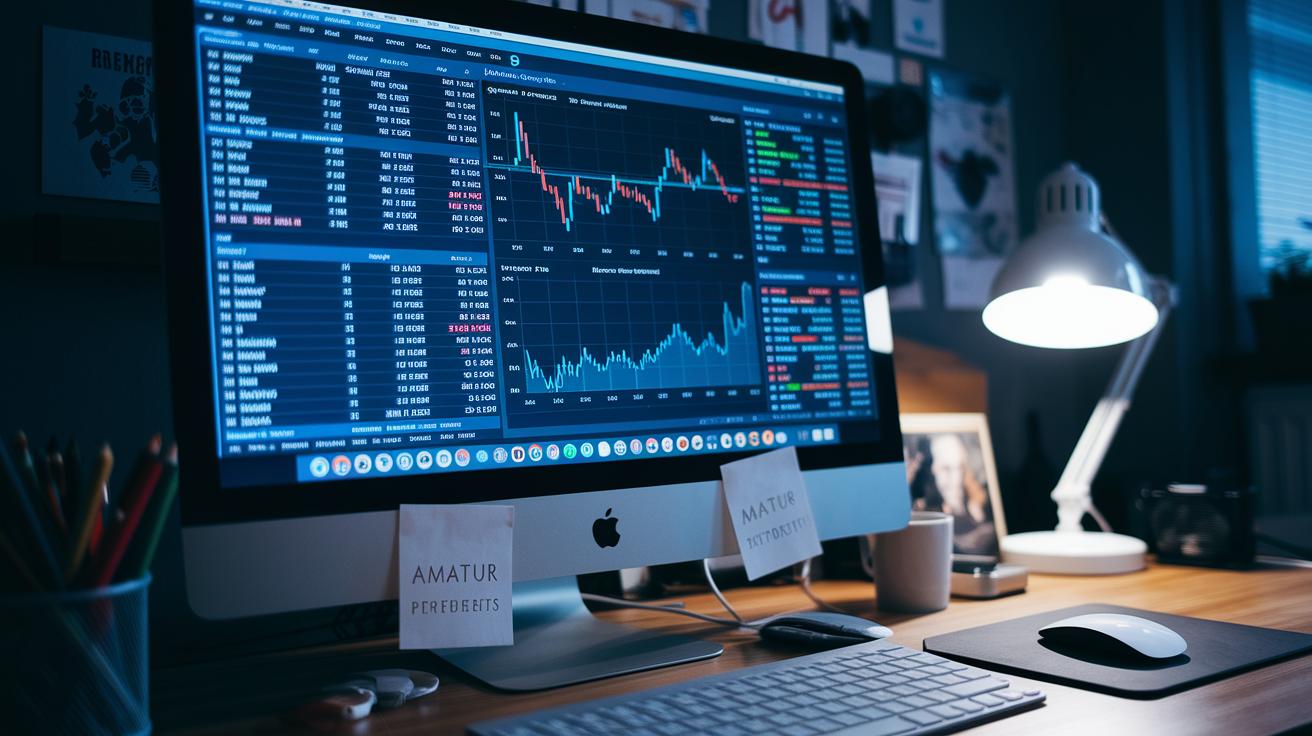
Crypto portfolio tools help you keep a close eye on your digital coins and make adjustments automatically as the market changes. These smart trackers rebalance your mix by shifting assets when one coin jumps or drops, so your portfolio stays aligned with your goals, kind of like letting your investments work while you relax.
Price alerts are a big help too. They let you know when a token reaches a stop-loss or take-profit point, so you can stick to your trading plan without second-guessing. With real-time alerts, you won’t be glued to your screen, and you’ll avoid those emotional trading moves that can cost you.
Many platforms even include tax-calculation features to easily track your gains and losses. This means when the market gets unpredictable, your investments stay protected while you also keep up with your tax duties. Want to dive deeper? Check out an article on understanding altcoin market depth analysis for more insights.
By merging automatic rebalancing with clear price alerts, these tools provide a simple, smart approach to managing risks in the fast-paced world of crypto.
Integration and Execution: API Connectivity & Order Optimization
APIs make trading smoother by connecting you directly to popular exchanges like Binance and Kraken. They quickly handle your orders when market conditions change. Picture a trader saying, "When the market shifted, my API system responded in milliseconds to lock in a good deal." That's the kind of speed every trader appreciates.
Execution-path optimizers are like a shortcut for your trades. They work with low-latency frameworks (which means they reduce delays) to ensure your orders reach the exchange promptly. It’s kind of like choosing the quickest route during a busy traffic jam.
Redundant connections and fast RPC endpoints add an extra layer of security, keeping your order process reliable. Cloud-based monitors keep a constant eye on things so if one path slows down, another is ready to jump in. Think of it as having a backup plan that seamlessly takes over.
In short, these advanced API connectivity tools and order execution optimizers help secure trades faster, cut wait times, and give you a competitive edge in the dynamic world of crypto trading.
Backtesting and Simulation Engines for Crypto Strategies

Backtesting simulation engines let you replay past market data so you can try out your trading ideas without any risk. These tools include paper-trading options that copy real market moves, giving you a safe space to experiment. One trader mentioned, “I tweaked my strategy during a simulation and saw clear performance gains before ever risking my money.” Such immediate feedback really helps build trust in your approach.
Historical performance analyzers let you see how your strategies might have worked in different market situations. They even let you test across various time periods, say, spotting trends on hourly charts one moment and daily ones the next. This makes it easier to understand how your strategy holds up over time.
Many testing frameworks come with demo account features, so you can run live-simulation labs in the cloud. These walk-throughs show you real performance numbers, allowing you to polish your plan step by step. For example, you might simulate a trade during a hectic market phase to check if your stop-loss and take-profit settings work as you planned.
All these simulation tools help build your confidence, giving you the insights you need to fine-tune your tactics before putting real money into fast-moving crypto markets.
On-Chain Analytics and Arbitrage Opportunity Finders
Imagine having a smart buddy that watches blockchain data in real time, looking for price differences between big exchanges and smaller, more open ones. These on-chain tools work like your personal market scout, scanning both sides to spot when a price is just a bit off, an ideal moment for a quick profit using arbitrage. One trader even said, "I picked up a token that was cheaper on one exchange and made a fast trade using an arbitrage bot."
These tools don’t just look at prices, they track every single blockchain transaction like a vigilant watchdog. They check how easily digital assets can be traded by keeping an eye on liquidity pools (where you can think of liquidity as the ease of buying or selling without moving the price) even when the market feels like it's on a roller coaster ride. In doing so, they help you notice when the flow of money feels a bit unusual, hinting at a sweet short-term opportunity.
A common setup includes a neat dashboard that shows real-time fund flow visuals along with alerts when liquidity gets out of balance. This combo of data makes it easier to jump in fast and grab profits before the market settles down. In short, by relying on these tools, you're turning raw blockchain numbers into clear, actionable signals, reducing the guesswork and helping you act with confidence throughout your trading day.
Security, Compliance, and Reliability in Crypto Tool Selection

When you're hunting for crypto trading tools, it's important to check if they come with built-in security audit features that keep an eye out for any vulnerabilities. One trader said, "I trust tools that automatically run security audits because knowing my funds are secure really puts my mind at ease."
Many of these tools also offer extra layers of safety like multi-factor authentication (MFA, which means you need more than one proof of identity) and role-based access controls. For instance, a solid platform might require you to verify your identity with a quick two-step process every time you log in, making sure your account stays protected from common cyber risks.
It doesn't stop there. Regulatory compliance checkers automatically ensure your trading follows current rules so that you avoid fines or legal troubles. These tools also help keep your records ready for any audits, and tax reporting integrations make it easy to track your gains and losses, turning tax season into a much smoother process.
Key features include:
- Security audit interfaces
- Regulatory compliance checkers
- Access control features like MFA
- Tax reporting integrations
Together, these elements change crypto trading from a risky bet into a smart, data-driven strategy with a trusted and compliant framework.
Final Words
In the action, we examined key features spanning reliable exchanges, automated bots, insightful charting, proactive portfolio tools, and secure API connectivity, all critical in shaping our view of today’s crypto market scene.
We also looked at backtesting setups and on-chain analytics that validate data-driven strategies.
These insights offer a clear picture of how integration and innovation enhance decision-making and boost confidence in using crypto trading tools. Stay optimistic as technology continues to set a path for smarter investments.
FAQ
What free crypto trading tools and lists are available?
The free crypto trading tools offer basic charting, portfolio tracking, and entry-level automation bots that help traders manage positions and track performance without extra fees.
What are the best crypto trading tools and software for executing trades?
The best crypto trading tools combine smooth exchange access, comprehensive charts, and smart automation features, making it easier for traders to manage positions and refine strategies.
What crypto analysis tools can guide data-driven decisions?
Crypto analysis tools provide live charts, technical indicators, historical data, and AI modules that help traders spot trends and decide ideal entry and exit points.
What is the best charting tool for crypto traders?
The best charting tool for crypto traders offers real-time data, easy-to-use drawing tools, and pattern recognition, enabling quick visual insights to aid timely trade decisions.
Can you really make $100 a day with crypto trading?
Making $100 a day depends on skill, market conditions, and using well-designed trading tools that deliver timely analysis and accurate execution, though results vary with individual strategies.
What exchanges are popular in the crypto trading ecosystem?
Popular exchanges such as Coinbase, Binance, Bybit, KuCoin, OKX, and Bitget are widely used thanks to their reliability, liquidity, and integration options with various crypto trading tools.


