
Imagine someone sneaking into your house without anyone knowing. That's a lot like what could happen if you lose or share your cryptocurrency wallet keys. These keys are what keep your digital money safe, just like a key locks your front door.
When you lose your wallet keys, it’s much like leaving a spare key in an obvious spot. Your digital assets become vulnerable, and anyone could grab them.
In this post, we'll walk you through the steps to secure your crypto wallet. We'll show you how strong passwords, encryption (which is a way to scramble data so only you can read it), and extra security checks work together as sturdy locks on your digital door.
Stick around, and you’ll learn how to keep your digital savings safe and sound.
Core Security Protocols for Cryptocurrency Wallet Protection
Crypto wallets don't actually hold your coins, they handle the keys that give you access to your assets. In simple terms, if someone else gets your keys or you lose them, there's no backup plan, much like misplacing your house key with no spare around. Weak passwords, bad encryption, sketchy internet connections, and poorly managed devices can all leave your money as vulnerable as leaving your front door wide open in a strange neighborhood.
A strong password, coupled with proper key encryption (a method that scrambles your data so only you can read it), is essential for tough security. Two-factor authentication acts like a second lock, meaning that even if someone cracks your primary password, they’ll still have to get past another barrier. It’s a bit like having both a key and a secret code to open a door.
Just as you'd safeguard a physical safe, you should protect your digital keys too. Keeping an offline record, like jotting down your 12–24-word recovery phrase and storing it in a secure, fireproof spot, minimizes the risk of online attacks. Think of it this way: you wouldn’t leave your house key lying around for everyone to see, so your cryptocurrency keys deserve the same careful attention.
By taking these steps, using strong passcodes, encryption, two-factor authentication, and secure offline backups, you’re building a solid defense to keep your digital funds safe. Staying on top of these practices means you can enjoy the benefits of the digital world without worrying about unwanted surprises.
Security Comparisons: Hot Wallets vs. Cold Wallets
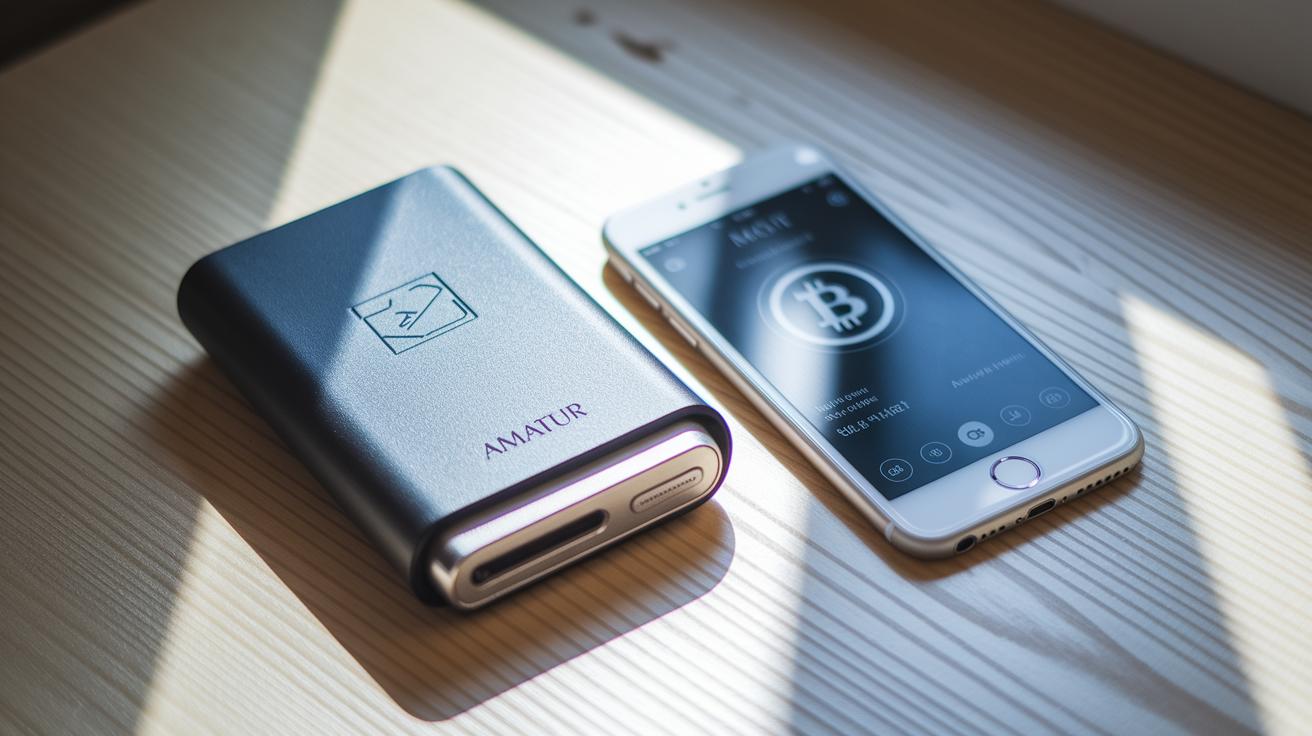
Choosing a crypto wallet means finding the right mix of ease and caution. Hot wallets like MetaMask or Trust Wallet are super handy for everyday use but come with risks like phishing (trickery to steal info), malware (malicious software), and keylogging (hidden tracking of your keys). Cold wallets, such as Ledger or Trezor, keep your keys off the internet following proven offline storage tips and hardware safe practices, making them much safer. And then there are exchange wallets managed by third parties. They take care of key management for you but can present extra risks since you don’t have full control.
| Wallet Type | Security Level | Pros | Cons |
|---|---|---|---|
| Hot Wallets | Moderate | Easy access, great for frequent transactions, solid software vault practices | Prone to phishing, malware, and keylogging attacks |
| Cold Wallets | High | Follows offline storage rules, robust hardware protection, strong against online attacks | Not as quick for immediate use, higher upfront cost, slightly more complex setup |
| Exchange (Custodial) Wallets | Variable | Less hassle with key management, often handled by security experts | Reduced direct control, potential risks if the third party fails |
Hot wallets give you speed and convenience, but they need regular checks and alerts for any hot storage issues. On the other hand, cold wallets stick with strict offline methods, offering better safety for long-term holdings even if they’re a bit slower to access. Exchange wallets might be easier to handle day-to-day, though they come with their own trust issues. At the end of the day, your choice should match how much risk you’re comfortable with and how quickly you need access to your funds.
Private Key Safeguarding and Seed Phrase Preservation in Crypto Wallets
Think of managing your private keys like keeping the keys to your own house safe. Your private key is what lets you access your crypto wallet, and if someone grabs your seed phrase, a series of 12 to 24 words used to recover your wallet, they could take your funds without any way to undo the damage. Digital copies of these phrases can easily get picked up by malware or hackers, so keeping them written down in a secure spot is a much safer bet.
To keep your crypto safe, try these simple, practical steps:
- Write your recovery phrase on paper and lock it away in a fireproof safe.
- Split up your seed phrase into parts and store each part in a different, trusted physical location.
- Boost your security by adding an extra passphrase to your recovery phrase.
- Stay away from making digital copies of your seed phrase to avoid online risks.
- Check your backup documents regularly to make sure they haven’t been damaged.
- Prepare a written, encrypted recovery plan and keep it in a safety deposit box.
- Use strong, complex passcodes and update them every so often.
By taking these measures, you build a strong defense against common threats like phishing and malware. And it's a good idea to test your recovery process regularly so that if anything goes wrong, you can quickly get back into your wallet. Stick with these straightforward steps and review your backup plan often to keep up with any new risks.
Implementing Two-Factor and Advanced Authentication for Wallet Security
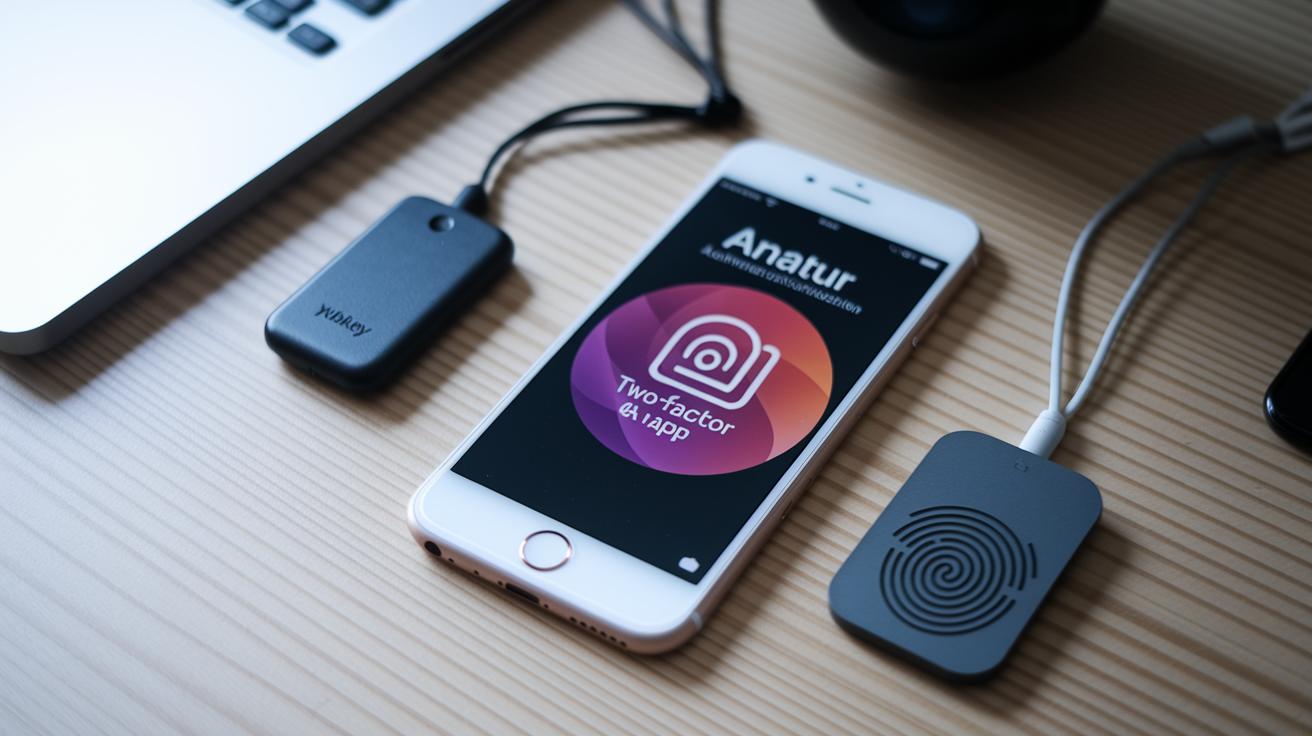
Two-factor authentication, or 2FA, is like adding an extra lock to your crypto wallet. It works with authentication apps, such as Google Authenticator or Authy (these apps give you a time-sensitive code that you must enter every time you log in). This extra step makes it much tougher for someone to break in even if they somehow get hold of your password. It’s a simple yet powerful way to keep unauthorized users at bay.
Advanced authentication methods take security to the next level by using hardware tokens and biometric scans. For example, a hardware token like YubiKey is a physical gadget that proves it’s really you trying to log in. Similarly, biometric options, think fingerprint or facial recognition, use unique traits that only you have. So even if someone figures out your login details, they’d still have a hard time passing the check without your token or personal biometric information.
Mixing in a multi-step validation process creates multiple layers of protection for your wallet. By combining a strong passcode with 2FA, hardware tokens, and biometric scans, you're setting up several hurdles to stop any breach attempt. This layered approach cuts down risks from common attacks, making your crypto wallet much more secure.
Leveraging Multi-Signature Protocols and Decentralized Custody in Crypto Wallets
Imagine your crypto wallet as a digital safe that needs several keys to open. Multi-signature protocols work like a series of locks, meaning more than one person must approve any transaction. This setup makes sure that no single individual can move funds on their own. It’s especially handy for companies or joint accounts where everyone’s input matters, like a corporate wallet that needs several board members to sign off before money can be spent.
Decentralized custody takes security a step further by spreading control across several parties. Instead of keeping all the keys in one digital spot, they’re stored in different places. This way, if one key is compromised, the others still keep your assets safe. Every transaction gets checked by a group of trusted people, so it becomes really tough for anyone to push any unauthorized moves. It’s a smart, shared system that builds safety into every step.
We see these ideas in action with real-world examples. Banks and crypto firms often use multi-signature wallets to manage larger totals together. Think of it like a family trust where every member needs to agree before any funds are moved. This setup not only boosts security but also makes people feel more confident in handling digital money by reducing risks and keeping things balanced.
Secure Backup, Recovery Planning, and Offline Storage for Crypto Assets

Set up an encrypted offline backup of your wallet settings and keys using a trusted digital repository or an encrypted USB drive. Think of it like a digital safe that lets you restore your crypto wallet if your main storage fails. For example, keep your key files on an encrypted drive so that if one device goes down, you have a secure backup waiting for you.
Keep your seed phrases safe by using paper wallets or hardware backup devices. A paper wallet gives you a physical record of your seed phrase and key data, while a hardware backup device offers strong encryption in a dedicated format. This approach protects your private keys, much like storing your most valuable items in a secure vault.
Regularly test your recovery process with simulated recovery sessions. These exercises help you catch any issues early on, ensuring that if you ever lose access to your device, you can quickly restore your assets. For instance, try simulating a restoration process every few months to confirm that your plan is solid.
Recognizing Crypto Wallet Threats: Phishing, Malware, and Social Engineering Attacks
Phishing Scams
Phishing scams are like fake invitations, they trick you into giving away your wallet secrets. Scammers send emails or messages that look just like those from companies you trust, hoping you'll share your private key or recovery phrase. Imagine clicking on what seems like a secure login link, only to land on a bogus website designed to steal your details.
Malware Attacks
Malware attacks work quietly behind the scenes. Harmful programs like keyloggers watch your every keystroke, while clipboard hijackers sneak in and switch out your copied data with an attacker's information. These sneaky pieces of software might go unnoticed until after the damage is done. It’s a reminder that keeping your devices secure is really important.
Social Engineering Attacks
Social engineering is all about playing with our trust. In these attacks, someone might pretend to be a support agent or even a friend, urging you to reveal private information or approve a transaction quickly. Their pushy tactics rely on making you feel rushed or scared. Before you share any security details, take a moment to double-check with someone you know is truly on your side.
Regulatory Compliance and Audit Techniques for Cryptocurrency Wallet Security

In the crypto wallet world, following the rules is really important. Financial institutions have to stick to standards like KYC (Know Your Customer, which means verifying who you are) and AML (Anti-Money Laundering, which means making sure money isn’t coming from illegal sources). Basically, this means keeping a full, on-chain record of every single transaction. Regular audits using clear checklists help make sure the ledger is accurate and every transaction is genuine. This way, companies can easily show regulators that their wallets are safe and transparent. It also helps spot any odd transactions quickly, so any issues can be fixed right away.
Risk management is another key part of keeping digital funds safe. When an organization has a solid incident response plan, it can act fast to contain any breaches and report them immediately. By setting up clear frameworks that define acceptable risk levels, businesses can tackle threats before they have a chance to grow. These quick, smart moves not only protect customer data, but they also keep trust high in the crypto ecosystem. In short, ongoing monitoring and regular audits work together to build a robust, compliant security environment.
Final Words
In the action, we broke down core security protocols for crypto wallet protection, compared hot, cold, and custodial storage, and reviewed safeguards for private keys and seed phrases. We also talked about two-factor authentication, multi-signature setups, and the importance of regulatory audits.
By adopting cryptocurrency wallet security measures, you'll stay proactive and confident. A clear focus on strong passcode guidelines, backup planning, and threat prevention gives you the practical tools to tackle the evolving challenges of digital asset protection. Keep refining your approach and moving forward with confidence.
FAQ
Frequently Asked Questions
What is a cryptocurrency wallet?
A cryptocurrency wallet is a secure tool that stores private keys, which allow access to your digital assets. It doesn’t hold coins directly but enables you to manage and transact cryptocurrency safely.
What are some common types and examples of crypto wallets?
The common types of crypto wallets include hot wallets like mobile or desktop apps, cold wallets such as hardware devices, and custodial wallets managed by third parties. Examples include MetaMask and Ledger.
What are the best security measures for cryptocurrency wallets?
The best security measures include using strong passcodes, two-factor authentication, and cryptographic key encryption. These techniques help safeguard your private keys and reduce risks from malware and phishing attacks.
How can cryptocurrency wallet security measures be applied on Android devices or in PDF guides?
On Android, wallet security involves using trusted apps, biometric settings, and secure network connections. PDF guides on crypto security provide clear, step-by-step instructions for protecting your assets effectively.
Can the IRS see your crypto wallet?
The IRS cannot directly view your crypto wallet, but it may access transaction details from exchanges during audits. Keeping accurate records is essential to comply with tax obligations while managing your wallet privacy.
What is the crucial security practice when using any type of crypto wallet?
The crucial security practice is safeguarding your private keys and seed phrases. Proper key management, such as offline storage in secure locations, is key to preventing unauthorized access and irreversible asset loss.


