
Ever wonder if managing your money could be as fast and safe as sending a text? Today, digital banking is changing the way we juggle our cash. Picture checking your account late at night or transferring funds while on a coffee break, everything handled right on your phone. With billions of accounts and trillions of dollars in play, modern technology makes keeping track of finances both simple and secure. In truth, this shift in banking shows that smart, efficient money management is now at everyone’s fingertips.
Core Principles of Digital Banking
Digital banking brings traditional banking into the digital world. It lets you manage your accounts, move money, and even deposit checks online instead of queuing at a branch. Imagine checking your balance or paying a bill right from your phone, no waiting around or extra paperwork. It’s simple, secure, and available anytime you need it.
Picture this: there are 1.75 billion digital accounts that handle about $1.4 trillion every year. That comes down to roughly $2.7 million in transactions each minute. It’s like living in a bustling city where every person is making quick, efficient moves with their money. Digital banking channels have really reshaped how we handle our finances, ensuring funds are transferred seamlessly and safely day after day.
Today’s leading digital banks and neobanks, like Revolut, Fidor, Simple, N26, and Monzo, have completely changed the game. They use a branchless model that slashes operating costs by as much as 70% thanks to smart back-office automation. Where once a bank visit meant filling out stacks of forms, now a couple of taps on your mobile can take care of everything. This shift not only speeds up routine transactions but also makes banking more affordable and accessible for all of us.
Key Benefits of Digital Banking Services
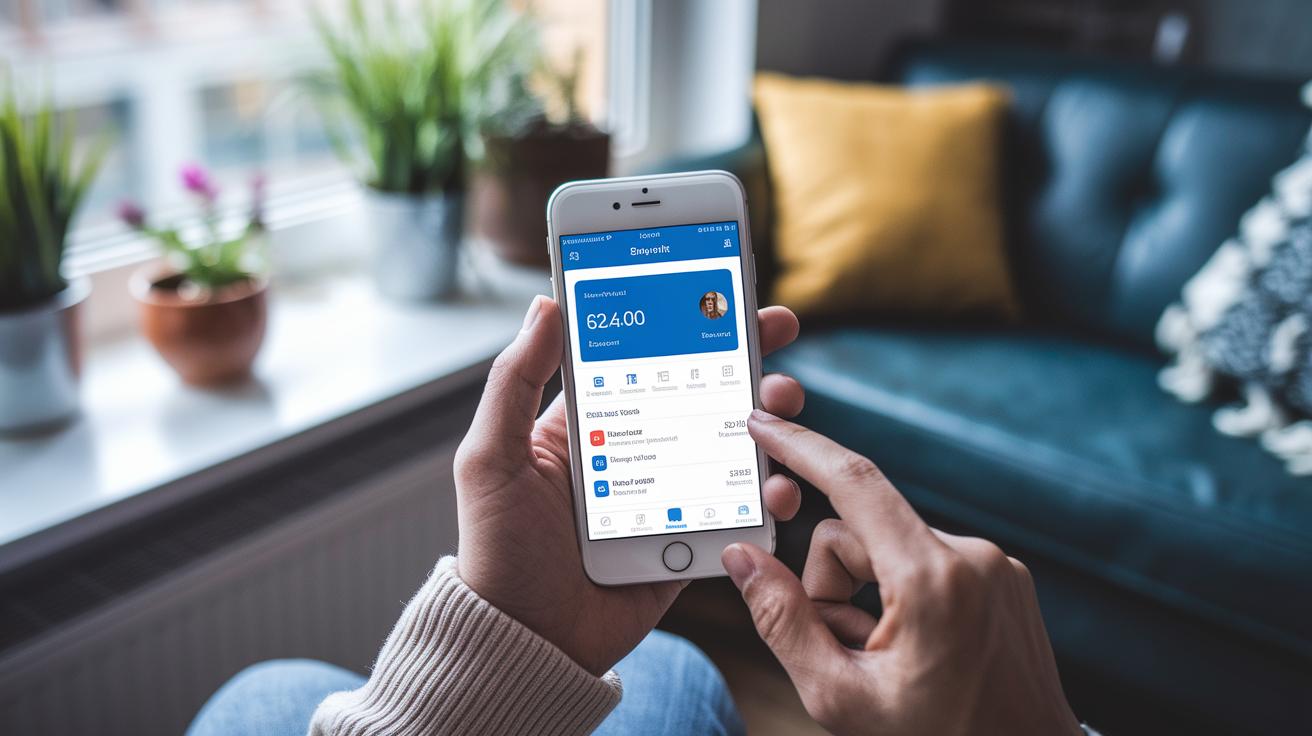
Digital banking is changing the way we manage our money by going beyond just basic account tasks. With easy online access and paperless options, you pay fewer fees and enjoy a smoother experience than when you visit a traditional branch. It lets you handle your finances on your own time, with features like real-time fund transfers and mobile check deposits that fit right into your busy life.
- Lower fees compared to branch visits – Imagine avoiding those extra costs every time you walk into a bank.
- 24/7 access – You can check and manage your account anytime, day or night, even on weekends.
- Quick money transfers – Sending money is as easy as a few taps, making life simpler when you need it fast.
- Snap-and-deposit checks – Take a photo of your check and deposit it without leaving your home.
- Smart budgeting tools – With the help of AI and machine learning, you get clear insights to tailor your spending to your lifestyle.
- More investment choices – From trading cryptocurrency to investing in stocks or gold, your options are broader than ever.
All these benefits work together to give you a secure, modern way to handle your money, putting the control for smart, confident financial decisions right at your fingertips.
Digital Banking Technology and Innovation
Digital banking uses smart software tools that make handling your money both easy and safe. For instance, mobile wallets let you pay in apps and send money directly to friends without any fuss. Behind the scenes, global payment systems, closed-loop wallets, and white-label solutions combine to make every transaction run smoothly and securely. The core banking systems keep track of all the money details, while transaction tools and banking records ensure that every entry is correct. All these pieces work together through online banking interfaces and fintech solutions, including open banking protocols. Imagine sending money from your phone and then quickly checking your balance, it’s all made possible by these powerful, interconnected technologies.
The finance world is clearly focused on boosting digital services. In fact, 82% of banks are planning to invest more in technology, and over 65% are looking into next-generation core platforms to simplify their operations even further. This push for innovation is fueling fast improvements in API service systems and cloud-based tools, making sure that services run all day, every day, while also cutting costs. Let’s break down some of the main technology drivers:
| Technology Component | Description | Impact |
|---|---|---|
| Mobile wallet | In-app payments and P2P transfers | More users join in |
| Core banking platform | Managing the central ledger | Helps cut costs by 70% |
| Cloud infrastructure | Flexible, round-the-clock hosting | Ensures 24/7 service |
| API frameworks | Allows third-party connections | Broadens the service network |
| AI fraud prevention | Uses smart models to spot fraud | Reduces fraud by half |
Security Measures in Digital Banking Platforms

When it comes to digital banking, keeping your personal data safe is a top priority. Banks set up strong security rules to protect your info and follow strict guidelines set by regulators. Think of these rules like a digital fortress that wards off any unwanted guests. This careful approach not only keeps your data secure but also builds trust between you and your bank.
Digital banking platforms are now using cool new tricks to boost security. Many banks have added fingerprint and facial recognition features, so a quick scan might soon replace your old password. They also use two-factor authentication, which means you get an extra check to make sure it's really you before any transaction goes through. It’s a smart way to ensure that only you can access your money.
Encryption and transaction monitoring add another layer of protection. Your data gets scrambled in a process called end-to-end encryption when it moves between systems, making it really hard for anyone to steal. At the same time, real-time monitoring of your transactions keeps an eye out for anything fishy, so issues are flagged right away.
Lastly, banks are tapping into AI and machine learning to catch fraud before it even happens. These systems watch how you use your account and learn to spot unusual patterns, which could mean a cyber threat on the horizon. By setting personalized limits and rules for transactions, banks are taking a proactive stance in keeping digital banking secure.
Comparing Digital Banking and Traditional Branch Services
Digital banking lets you take care of your finances online, while traditional banks still welcome you in person. Lately, it seems more folks prefer the freedom of managing money digitally. For instance, a recent survey found that people using digital banking are 20% more likely to handle their money on their own than those who visit a branch.
Many customers love the quick and easy access of digital banking. One study showed nearly 80% of digital banking users feel secure and happy with their service, compared to only 50% of branch goers. When you get real-time alerts for every transaction, it’s like watching your money at work all day long.
Meanwhile, traditional banks are having a hard time updating their old systems. Upgrading these systems is a bit like fixing up a classic car, it takes time and careful work, which might leave some customers waiting for better services.
Leading Digital Banking Platforms and Use Cases

Digital banking today comes in many shapes and sizes, each designed to meet different needs. Neobanks are completely online, while challenger banks focus on capturing customers that traditional banks might miss. New banks carry full licenses so they can offer a full range of deposit and lending services much like the old-school banks, and nonbanks zero in on areas like payments and digital wallets. Every model brings its own mix of new ideas and convenience to make banking simpler.
Take Revolut, for instance. This platform has cleverly used mobile payment technology to simplify everything from currency exchanges to international money transfers and budgeting. Believe it or not, Revolut began as a small startup offering a smarter way to manage travel expenses before expanding its services worldwide. Its easy-to-use app, low fees, and strong security really set a high standard for digital banking.
Other big players include N26, Monzo, and Starling Bank. N26 catches the eye with smooth account management and real-time notifications so you won’t miss a beat with your spending. Monzo, meanwhile, has carved out its niche with smart features like splitting bills in-app and creating special saving pockets for better budgeting. Then there’s Starling Bank, which skillfully blends advanced features for small business owners with personal banking solutions, merging new tech with trusted banking practices.
Industry experts even predict these digital banks could bring in around $1.61 trillion in net interest income by 2025. This shows that digital platforms do more than just simplify day-to-day transactions, they’re also making big waves in the wider financial market. Their blend of efficient technology, thoughtful service models, and on-demand support is helping to build a more modern and secure financial ecosystem for everyone.
Emerging Trends and Future of Digital Banking
Digital banking is set for a big jump, driven largely by the spending habits of millennials and Gen Z. Some experts say digital banks could see net interest income reach $2.09 trillion by 2029, with a steady growth rate of 6.80% per year. This boost comes from young consumers who expect smooth, flexible money tools. Imagine an app that learns your habits and adjusts in real time to make managing your money feel almost effortless.
Innovation is truly at the heart of this new wave, with smart tech like AI-powered personalization (tools that adapt to you) changing how we interact with banking. Open banking makes it easier for banks to team up with third-party services, while decentralized finance and Web3 integration bring fresh ways to manage investments and transactions. Picture an app that not only handles your everyday payments but also makes trading cryptocurrencies as simple as checking your balance, a single platform where traditional money meets digital assets through clever, adaptive algorithms.
People’s expectations are shifting, pushing digital banks to offer services that are faster, more affordable, and uniquely tailored to each user. At the same time, regulatory changes are coming into play to better protect your digital funds while still encouraging innovation. This means that digital finance platforms are always tweaking their security, convenience, and service models to keep up with a market that values speed and precision. Every update brings them one step closer to matching the high standards of today’s tech-savvy consumers.
Final Words
In the action, we explored how digital banking transforms money management by shifting everyday services online. We touched on its core functions, impressive usage stats, innovative tech, robust security measures, and clear contrasts with traditional branch services.
The post showed how leading platforms empower users with easy account access and personalized tools. It’s exciting to see digital banking driving smart, accessible ways to manage investments and everyday finances for a brighter financial future.
FAQ
What is a digital banking course?
A digital banking course explains how banks use online tools to manage accounts, make transfers, and secure data. It covers topics like mobile apps and virtual finance management to help you better understand modern banking.
What are examples of digital banking?
Examples of digital banking include services such as online account access, mobile check deposits, and real-time transfers using apps. They replace traditional branch visits with tech-driven solutions for everyday transactions.
What is a digital banking PDF?
A digital banking PDF is a downloadable guide that outlines concepts, benefits, and tools used in digital banking. It serves as an accessible resource for anyone looking to learn about online banking innovations.
What are the types of digital banking?
The types of digital banking include online account access, mobile banking apps, and branchless service models. They empower users with instant transfers, mobile deposits, and personalized budgeting features in a digital environment.
What is Digital Banking UNFCU?
Digital Banking UNFCU refers to the online banking services provided by Navy Federal Credit Union. It offers secure account management, funds transfers, and other digital tools designed for convenience and safety.
What are the digital banking advantages and disadvantages?
The digital banking model offers advantages like lower costs, anytime account access, and fast transactions while potential disadvantages include occasional technical issues and a learning curve for users new to digital tools.
What are the advantages of digital banking?
The advantages of digital banking include convenient access, cost savings, immediate fund transfers, and enhanced security through customizable settings. It simplifies money management and broadens the range of financial services available online.
What are digital banking products?
Digital banking products include online accounts, mobile banking apps, virtual budgeting tools, and contactless payment systems. These products allow you to manage your money efficiently without needing to visit a physical branch.
What is digital banking?
Digital banking is the shift from traditional, branch-based services to managing finances online. It allows you to check balances, transfer funds, and deposit checks anytime through secure digital platforms.
Are all banks going to digital banking?
Many banks are introducing digital banking services, though not every bank has fully transitioned from traditional methods. While some upgrade to online platforms, others continue to offer branch-based services alongside digital options.
What’s the difference between online banking and digital banking?
Online banking means accessing your bank account via the internet, while digital banking incorporates a broader range of tech innovations like mobile apps, AI budgeting tools, and comprehensive virtual finance management.
Is digital banking good or bad?
Digital banking is generally seen as beneficial due to its convenience and cost savings, though it may pose challenges like technical glitches. Overall, it strengthens your control over finances with faster and more accessible services.


