
Ever wonder if quick moves in crypto really pay off? Short-term crypto trading lets you grab small price changes that add up over time. It’s a bit like a race, every second matters. With a smart plan, even a tiny move can lead to a win. In this post, we dive into everyday methods like scalping, day trading, and swing trading so you can work with the market’s natural flow. Stick around as we share strategies that turn fast decisions into big results, all while keeping your risk in check.
Core Strategies for Short-Term Crypto Trading
Short-term crypto trading means holding your positions for just seconds, days, or sometimes even a few weeks. This approach is all about catching quick price movements that happen in the fast-paced crypto world. Even a tiny shift in market sentiment can open the door to some neat profit opportunities.
Crypto markets are known for being very jumpy. Prices can change really fast, often because of chart patterns, breaking news, or shifts in how investors feel about a coin. This means that even a small price change can lead to a quick win or loss, so it pays to be ready to act and stick to a clear plan that suits your risk comfort.
-
Scalping
Scalping is all about holding positions for a few seconds or minutes. You work with very small price moves that might add up to gains of around 1-2% over time. -
Day Trading
Day trading involves buying and selling during the same day. You might hold a position for a few hours at most, aiming to make profits typically in the 2-5% range per trade. -
Swing Trading
Swing trading targets bigger price moves by holding a coin for several days to a couple of weeks. With this style, profit targets often fall anywhere from 5-10%, capturing more significant market swings. -
Intraday Speculation
This strategy mixes rapid decisions and careful market watching. You hold positions for a few minutes to several hours, and your profit goals can change a lot depending on market conditions.
Choosing the right strategy is key. Think about your own trading goals, how much risk you’re comfortable with, and your trading experience. Whether you decide to dive into the fast world of scalping or take a steadier swing trading approach, it’s important to have a clear, disciplined plan tailored to your financial objectives. Start by figuring out where your strengths lie and how you see the market, then pick a tactic that fits your style and can flex as conditions change.
Technical Analysis Tools for Rapid Entry and Exit in Crypto Trading
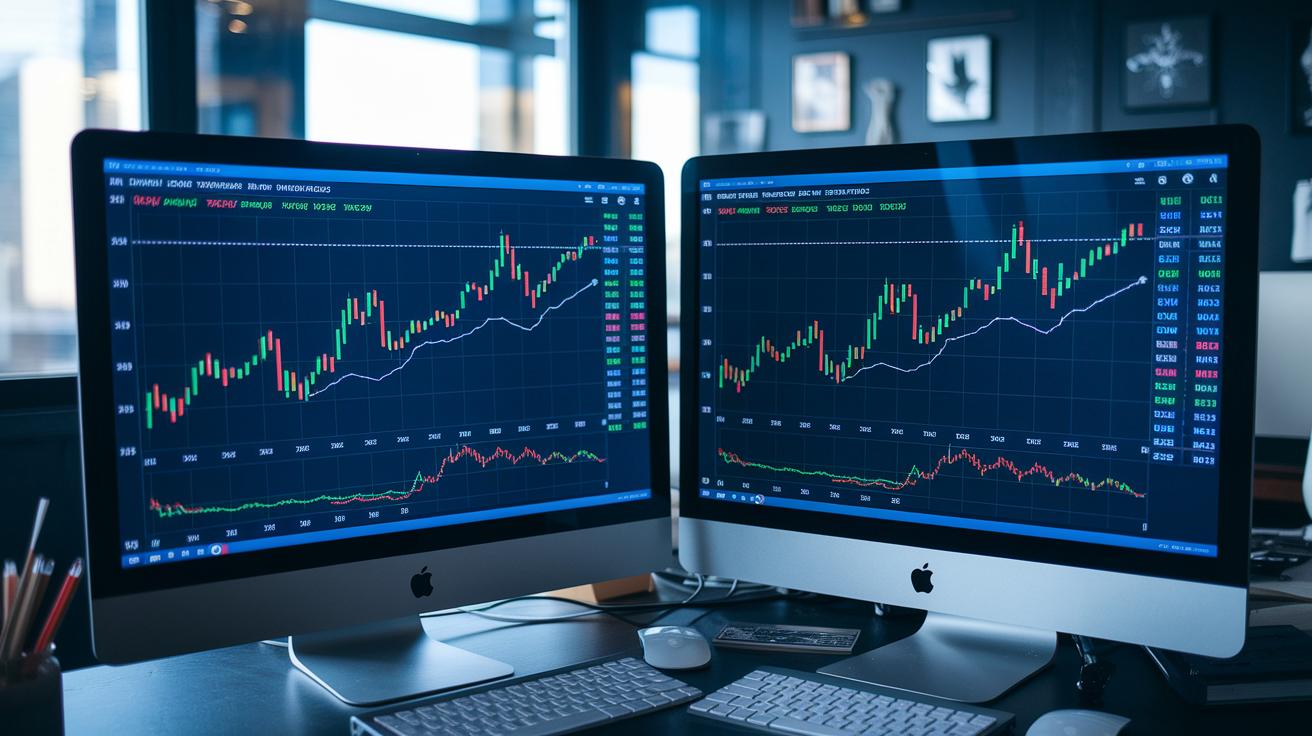
Trading crypto fast is a bit like catching a bus, you need to know exactly when to hop on. By looking at simple charts and paying attention to clear signals, you can figure out the best moments to get in and out, all while avoiding risky moves. Tools like moving averages and momentum indicators act like a friendly nudge, showing you early market trends so you can make quick decisions that feel right.
When you mix these tools with a solid plan, you’re less likely to make snap choices that later seem like mistakes. It’s all about keeping things simple and clear.
- Moving Averages: This tool smooths out the price data to show you the overall trend, kind of like following the market’s heartbeat.
- Relative Strength Index (RSI): Think of RSI as a speed detector that measures how fast prices are moving. It tells you if a coin is being pushed too high or too low, meaning it might be overbought or oversold.
- MACD: Short for Moving Average Convergence Divergence, MACD helps spot quick shifts in trends. It’s like getting a little heads-up when things might be about to change.
- Bollinger Bands: These bands adjust with the market’s ups and downs. They help you decide if prices seem unusually high or low.
- Candlestick Charts: These charts show you the open, close, high, and low prices in a neat visual package, so you can spot patterns that signal a change in market behavior.
- Volume Indicators: By watching how much trading is happening along with the price changes, you can be more confident that a market move really holds weight.
If you want to dive deeper, you can learn more about crypto technical analysis here: https://buyersdesire.org?p=3447.
Having a clear plan with set entry and exit points can make everything feel a lot more manageable. And really, isn’t it nice when a smart strategy helps you navigate a market that can change as quickly as the weather?
Risk Management and Position Sizing in Short-Term Crypto Trades
When you dive into short-term crypto trading, it helps to have a clear plan. This plan keeps big losses at bay while still allowing you to chase profit. Think of it like planning a fun road trip, you want to enjoy the ride but also have a map so you don't get lost when unexpected bumps appear.
A key part of this plan is risk management. This means using simple tools to protect your money. For example, stop-loss orders act like a safety net. They automatically sell your coins if their price drops too much, so you don't lose more than you planned. On the flip side, take-profit points help you lock in gains when a coin's price reaches your desired level.
Let’s say your trading budget is $10,000 and you only want to risk 1% on each trade. That means you risk $100 per trade. Imagine buying a coin that's $50, and you set a stop-loss at $49. Here, you're risking $1 per coin. Divide your $100 risk by this $1 difference, and you end up buying 100 coins. This way, even if one trade doesn't go well, your overall money stays safe.
In short, having clear rules and using tools like stop-loss orders makes trading less scary. It’s a smart way to protect your money while you navigate the fast, sometimes unpredictable world of crypto.
Selecting the Right Platforms and Tools for Short-Term Crypto Trading

When you're trading crypto on short timelines, every second counts. Fast markets mean you need a platform that reacts right away so you can jump in or pull out as quickly as the market shifts. Think of it like catching a wave, if your board (or trading platform) isn’t agile, you might miss that perfect ride. High-speed, reliable exchanges with low latency help you seize those fleeting chances. Mobile apps and automated bots are also key because they keep you connected to the latest market data, almost like having a market update in your pocket at all times.
Here’s what to look for:
- Latency: Choose a platform that processes your orders in a snap. If it takes too long, you might miss out on a good trade.
- Liquidity: You want an exchange bustling with activity. A lively marketplace means there’s enough volume to handle your trade sizes.
- Fee Structure: Always check the cost of trading before you commit. High fees can take a bite out of your profits, and that’s never fun.
- Charting: Good charting tools are like a clear map. They let you see important technical signals so you can make smart decisions.
- API: If you're into automating your trades, reliable API support is a must. It lets your trading bots work smoothly based on the rules you set.
It’s also smart to test your chosen platform with a few small trades first. This way, you get a feel for how it handles real market conditions. It’s like taking a car for a test drive before you decide to buy it. Starting small helps you learn the system’s quirks and adjust your strategy without risking too much. Once you’re confident, you can ramp up your trades knowing your platform can handle the heat.
Tax Implications and Compliance in Short-Term Crypto Trading
Short-term crypto trading means every gain, no matter how small, counts as a taxable capital gain. The IRS expects you to keep complete records, so each profit, even a tiny one, needs to be tracked.
If your records aren’t detailed, you might face penalties and extra attention from tax authorities. The key is to jot down every trade and stay on top of the rules for digital asset transactions. Keeping accurate logs helps you avoid mistakes like misreporting your gains or missing out on deductions.
Here are some easy steps to follow:
- Track trades: Write down every buy and sell so you always have a clear record.
- Use a crypto tax calculator: Automated tools can make this process simpler and help reduce errors.
- Review capital gains guidelines: Check out IRS rules related to cryptocurrency to make sure you’re in line.
- Consult a tax pro: Talk to someone who understands crypto taxes if you have any doubts or need extra guidance.
Keep in mind that this information is just for learning and isn’t official financial, tax, or legal advice. Make sure you stay updated on the latest digital asset tax rules and consider professional advice tailored to your situation.
Case Study: Achieving Quick Profits with Scalping in Short-Term Crypto Trading

In a market charged with a bullish push, a skilled trader spotted a fleeting chance on Bitcoin. They noticed the price breaking through a key resistance level, a clear sign that a strong price surge was coming. With eyes glued to the market and a busy order book full of traders ready to act, the trader set a sell limit right at that resistance, aiming to pocket roughly a 20% profit in just a few minutes.
- Signal Spotting: Look for a clear break above resistance along with a surge in trading volume (which shows how many coins are being traded).
- Order Placement: Once the price peaks, place your sell order exactly at that resistance level.
- Profit Goal: Target a fast gain of about 20% by riding the quick price jump.
- Risk Management: Use a stop-loss order to protect against any sudden market reversals.
- Execution Confirmation: Keep an eye on live market data to ensure your order fills and the profit is secured.
Sticking to a well-planned strategy made all the difference. Having set entry and exit points, along with a firm stop-loss, helped the trader avoid hasty decisions. Ever notice how making quick decisions in trading can feel a bit like riding a roller coaster? This case study shows that even in a fast-moving market, a clear plan and strict risk controls are key to managing risks and seizing rapid gains with scalping.
Beginner’s Guide to Short-Term Crypto Trading
To dive into short-term crypto trading, you first need some basics lined up. Make sure you have a verified account on an exchange you trust, a chunk of money you’re okay with risking, and a clear plan on how to manage any losses. With these in place, you’re setting yourself up to make smarter trading moves.
- Pick an exchange known for quick trades and reliability.
- Load your wallet with enough funds to try out your ideas without stretching your budget too thin.
- Choose a trading strategy that matches how comfortable you feel with risk and the fast pace of these trades.
- Test your strategy with past market data (backtesting) to see how it might perform in real conditions.
- Practice trading on paper first. This means simulate trades without real money so you can build your confidence.
- Keep a trading journal. Write down what worked and what didn’t every step of the way so you can learn and grow.
Remember, short-term trading comes with big risks, and getting good at it takes time and practice. Regularly check your trades and market conditions, sometimes the market feels as unpredictable as a summer storm! You might even find more useful tips by exploring topics like altcoin fundamentals versus technical analysis at CipherReview. Stick with it, keep testing your ideas in a safe setting, and let every little win boost your trading confidence.
Final Words
In the action of short term crypto trading, we explored key strategies from scalping to day trading and swing moves. We covered technical indicators, risk management tips, platform comparisons, tax rules, and even walked through a real-world scalping case study.
The guide also outlined essential steps for beginners, giving you a quick roadmap to understand price swings and informed decisions. With clear, data-based insights, you're well-equipped to tackle the fast-paced world of short term crypto trading, keeping your edge in the market.
FAQ
What is short-term crypto trading?
Short-term crypto trading means holding positions ranging from seconds to weeks, aiming to capture quick price moves in the market while dealing with its volatility and rapid fluctuations.
Which platforms are best for short-term crypto trading?
The best short-term crypto trading platforms include services like TradingView for chart analysis, and exchanges such as Coinbase, Binance, Bybit, and Gemini for fast and reliable execution, along with CoinMarketCap for data insights.
What strategies are effective for short-term crypto trading?
Effective short-term crypto trading strategies include scalping, day trading, swing trading, and intraday speculation. These target quick, small profits by using technical analysis and setting strict risk management rules.
How can beginners start with short-term crypto trading?
Beginners can start short-term crypto trading by understanding market trends, testing strategies on demo accounts, using forums like Reddit for insights, and applying risk management principles before trading with real money.
Can you make $100 a day with crypto?
Making $100 a day with crypto is achievable by experienced traders who combine strong technical analysis, strict risk controls, and the ability to swiftly capitalize on market movements.
Is crypto good for short-term investment, and is short-term trading worth it?
Crypto can be a good short-term investment if you have a clear strategy and solid risk management. Short-term trading is worth it for those who are prepared for the market’s volatility and time-sensitive decisions.


