
Ever wonder if trading crypto options could boost your profits? It might sound like a gamble at first, but smart traders use these contracts to manage risk and benefit from market shifts without actually owning any coins. Think of it like placing a small wager on your favorite team, you pay a fee and get the chance to win big if the market moves in your favor. In this article, I'll walk you through exactly how these contracts work and explain why they offer a clear, flexible way to manage your investments while sharpening your trading game.
Crypto Options Trading Fundamentals
Crypto options trading gives you the choice to buy or sell a digital asset at a set price by a certain date. For example, if you purchase a Bitcoin call option with a strike price of $52,000 that expires in a month for a $1,000 premium (the fee you pay for this right), you'll only earn a profit if Bitcoin’s market price rises above $53,000. This lets you tap into price shifts without owning the actual coin, and it keeps your losses limited to what you initially paid.
This method not only offers a chance to boost your returns using leverage but also helps manage your overall risk. Options can protect your investments from sudden market drops or even help you earn extra income by selling these contracts. Because these trades happen in deep, regulated markets, you can expect quick and smooth execution.
Here are the main parts of crypto options trading:
Traders use crypto options to fine-tune their market exposure based on what they expect to happen. Whether you're feeling optimistic about rising prices or bracing for a fall, you can choose contracts that fit your view, with your risk limited to the premium paid. With assets like Bitcoin and Ethereum, options offer a flexible tool that works well for both speculative moves and risk protection, giving traders a smooth way to enter the market with controlled exposure.
Crypto Options Trading Mechanics and Pricing Models
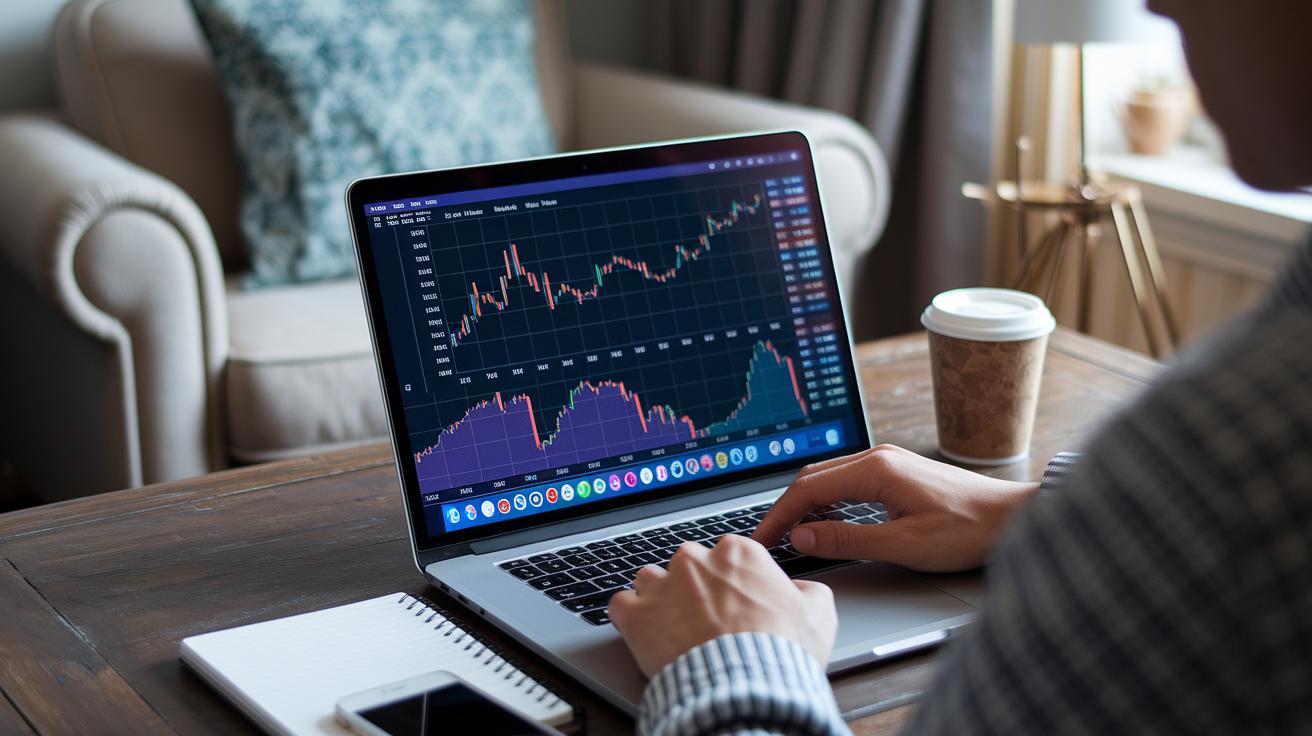
Crypto options pricing comes down to a few important factors. The price you pay for an option, called the premium, depends on how much time is left until it expires, the degree of market uncertainty (implied volatility, which shows how wild price swings might be), and how the strike price stacks up against the current market price. For example, an option that lasts a long time often costs more because there’s a greater chance for the asset’s price to change. It’s much like paying a fee for the possibility of catching future market movements.
Different types of options give you more choices. American options let you exercise your right at any time before the option expires, which can be handy if you’re watching the market closely. In contrast, European options only allow you to exercise on the day of expiration, so you have to time your decisions just right. Because American options give you a bit more freedom, they usually have a slightly higher premium. Each type has its own tricks, so you can pick the one that best fits your plan.
The pricing also uses advanced math to figure out what an option should theoretically cost. Tools like the Black-Scholes model, Binomial Tree, and Monte Carlo Simulation use different ideas and assumptions to get their answers. For instance, Black-Scholes looks at steady, continuous changes in the market, while the Monte Carlo approach runs lots of simulations to predict a range of outcomes. To sum up these methods, here’s a table that shows their main features:
Crypto Options Trading Market Volatility Analysis
Crypto options can get pretty unpredictable when the market swings wildly. When prices are uneven, option premiums jump around quickly because uncertainty is running high. News from the wider economy, shifts in market mood, or sudden bursts of on-chain activity can all trigger these changes. So, traders often need to rethink whether they can hit their profit target, which usually drives the premium up when things get volatile. For example, a major event shaking investor confidence can widen expected price movements and, in turn, adjust option costs.
Many traders lean on forecasting tools to estimate price swings and handle risk better. They mix historical data with technical forecasts to spot trends in volatility that might affect their options' value. Whether it’s checking simple moving averages or diving into model-driven predictions, these methods can offer that small but critical edge in a fast-changing market.
- Calculating historical volatility
- Using GARCH models (a method that tracks volatility trends)
- Tracking moving averages
- Checking momentum oscillators (tools that measure the speed of price changes)
- Analyzing on-chain metrics (data gathered from blockchain transactions)
Crypto Options Trading Strategies and Tactics

Crypto options trading gives you a set of moves to help balance risk with possible reward. Whether you're gearing up for rising prices or preparing for a drop, these strategies let you fine-tune your positions as market conditions change. Think of it like fine-tuning your car's engine before a twisty drive – every tactic plays its part in steering through unpredictable markets.
-
Buying call options to take advantage of bullish moves
Start with a simple idea. Imagine buying a Bitcoin call option because you expect prices to climb. This move lets you profit from upward trends without having to buy the asset outright. -
Buying put options to benefit in bearish conditions
When it looks like the market may slide down, buying a put option can help. This strategy not only cushions you against falling prices but might also earn you profits as the market drops. -
Using spread strategies like bull call spreads
Sometimes mixing moves is the best way to manage risk. Picture selling one call option while buying another; this technique, known as a bull call spread, helps balance your chance to gain with a cap on the risk you take. -
Exploiting straddle and strangle techniques for volatility
Markets are often unpredictable. By placing both call and put options with similar strike prices, you set yourself up to benefit whether prices jump higher or fall lower. -
Utilizing delta hedging to stay neutrally positioned
When prices start to wiggle, delta hedging can be a solid defense. This strategy involves adjusting your position to keep things balanced, which can help reduce the impact of sudden price swings. -
Rolling positions to extend your trading window
If you're riding a strong trend, you might consider rolling positions. This means closing out an option that's about to expire and replacing it with one that expires later, keeping you in tune with ongoing market trends.
Each of these moves works best in different market moods. When you see clear upward or downward trends, sticking with call or put options might be smart. But if things look choppy, spread, straddle, or delta hedging techniques can be more useful. And if the market trend is strong and steady, rolling your positions helps you stay on board while managing your capital wisely.
Risk Management in Crypto Options Trading
Crypto options can seem exciting, but they come with some real risks too. Even though the worst-case loss is just the premium you pay, that premium might be a big part of your trading funds if the option ends up worthless. Time decay, which is when the option’s value slowly drops as you get closer to its expiration, makes things tricky. Plus, the higher fees on some derivatives platforms can eat away at any gains you might have hoped for. And if you're trading on margin, things can get even riskier because unexpected market moves might force you to face margin calls or get liquidated.
Managing these risks is key to keeping your portfolio under control. It’s important to think not just about potential losses, but also about how factors like time decay or margin pressures might affect your trades. There are some practical ways to protect your money, like:
- Position sizing: Only use a small part of your portfolio for each trade.
- Stop-loss orders: Set clear exit points to limit any losses.
- Hedging: Take opposite positions to lower your risk.
- Regular review of trading costs: Check and compare fees across platforms so your net returns stay healthy.
These methods can help you manage losses better and keep your trading approach sound, even when the market feels as unpredictable as a sudden storm.
Crypto Options Trading: Power Up Profits

Choosing the right crypto options platform can really boost your trading game. When you’re on the hunt, check out the fees, liquidity (how easily orders can be filled), and handy extras like easy-to-read charts or a built-in wallet. Some sites offer super low fees and fast trade execution, while others focus on an easy-to-use design or special tools for advanced traders.
Take Binance, for example. It offers maker fees as low as 0.02% and taker fees at 0.05%, plus a wide mix of digital assets and crisp charts to help you spot market trends. Then there’s Deribit, which draws in experienced traders with its European-style contracts and competitive fee setup, along with deep Bitcoin options liquidity and strong risk controls. Meanwhile, Coinbase is great for those who like a regulated, simple platform, even if its fees are a bit higher at around 0.50% for both maker and taker orders.
Mobile access matters too. Binance gives you a full-featured app, Coinbase keeps it straightforward, and Deribit’s tools shine best on desktop. In the end, it’s all about what fits your style and how you like to trade.
Taking the time to look at these details helps you choose a platform that suits your comfort with risk and trading style. Whether you’re after quick liquidity, low fees, or a seamless mobile experience, matching these features to your goals can boost your profits and sharpen your edge in the crypto options world.
Crypto Options Trading vs Traditional Options
Crypto options and traditional options both let you decide to buy or sell an asset at a set price before or on a specific day. They work on the same basic idea; you get the right to act without having to commit fully. This means you can plan your moves without owning the asset directly.
Traditional options are only available during set trading hours on specific exchanges. That means you have designated times to make trades, and when deals settle, they usually happen in cash or sometimes with the actual asset.
Crypto options, on the other hand, are available all day, every day. Because the crypto market never sleeps, you can change your position whenever you feel the market shifting. Settlements can either be in cash or through on-chain token transfers, which is just a fancy way of saying the tokens move directly between wallets on a blockchain.
There’s also a clear difference in regulation. Traditional options are monitored by strict bodies like the SEC and CFTC, which keep things very controlled. Crypto options are still carving out their own set of rules as regulators adapt to this new space.
Ultimately, the choice boils down to your trading style. If you want the freedom to trade at any hour, crypto options offer that flexibility. But if you prefer the certainty of set hours and established rules, traditional options might be more up your alley.
Future Trends and Regulatory Outlook for Crypto Options Trading

Crypto options trading is about to change as regulators step in to set clear rules. The SEC is checking how crypto derivatives should be defined and what kinds of licenses are needed. This fresh look could change how exchanges run and how contracts are made, which might make trading safer and build trust among investors.
New trends are also driving change, with decentralized finance options gaining ground. These peer-to-peer contracts let traders work directly with each other, giving an alternative to regular platforms. It feels a bit like moving towards a more open and fair trading world. Plus, many platforms are using AI and machine learning to improve pricing, speed up trades, and tighten risk checks. Imagine algorithms looking at market data like a skilled trader, pretty impressive, isn’t it?
Different regions follow different rules too. With varying policies on product availability, custody, and settlement, traders need to keep track of the specific rules that apply where they are. As countries start to align their guidelines, we may see a more uniform and welcoming market for everyone.
Final Words
In the action, we explored crypto options trading fundamentals, breaking down essential concepts like call options, put options, premium, and strike price. We reviewed pricing mechanics, volatility's role, strategic tactics, risk management, and platform comparisons, all designed to empower smart decision-making.
Armed with these insights, you can view crypto options trading as a tool to boost analytical confidence and seize market opportunities. Enjoy the excitement that comes with informed steps into the fast-moving world of crypto options trading!
FAQ
What is a crypto options trading app?
The crypto options trading app provides a user-friendly platform for buying and selling options on digital assets. It lets traders access calls and puts with real-time market data and intuitive controls.
How can beginners start with crypto options trading?
Crypto options trading for beginners involves starting small with limited risk and basic strategies. It helps new traders grasp calls, puts, and market movements while building confidence in digital assets.
How is crypto options trading regulated in the USA?
The crypto options trading USA scene follows emerging regulations that protect investors and maintain market integrity. Clear legal guidelines help keep trading fair and secure on approved platforms.
What are the best platforms for crypto options trading?
The best crypto options trading platforms offer low fees, deep liquidity, and robust tools. They combine advanced features with user-friendly interfaces, making them ideal for various trading styles.
What strategy should I use for crypto options trading?
The crypto options trading strategy starts by choosing between call and put options based on market trends. It involves managing risk with defined premiums and using spreads to balance potential rewards.
What can I find about crypto options trading on Reddit?
Crypto options trading Reddit discussions provide community insights where traders share tips, review platforms, and exchange strategies. These lively forums can offer practical advice and peer support.
What about crypto options trading on Coinbase?
Crypto options trading on Coinbase highlights a user-friendly interface designed for simplicity. Although fees tend to be higher and asset choices limited, it remains a solid option for US traders starting out.
Is there option trading available for crypto?
Option trading for crypto exists, allowing traders to buy or sell contracts on digital assets. It mirrors traditional options with calls and puts that let participants capitalize on market movements.
How can someone trade crypto options professionally?
Trading crypto options for a living involves mastering market trends and risk management techniques. Professionals use disciplined analysis and refined strategies to manage positions and seek consistent returns.


