
Ever wonder if personal finance apps make your money feel like a confusing maze? We break down your options by looking at how friendly each app is, how well it connects to your bank, and the way each one handles budgeting.
When it comes to managing your money, you deserve clear advice. We lay out key features and pricing so you can piece together the perfect tool for a balanced budget.
Keep reading to discover which apps bring you the value you need.
Top-Rated Unbiased Personal Finance Apps at a Glance
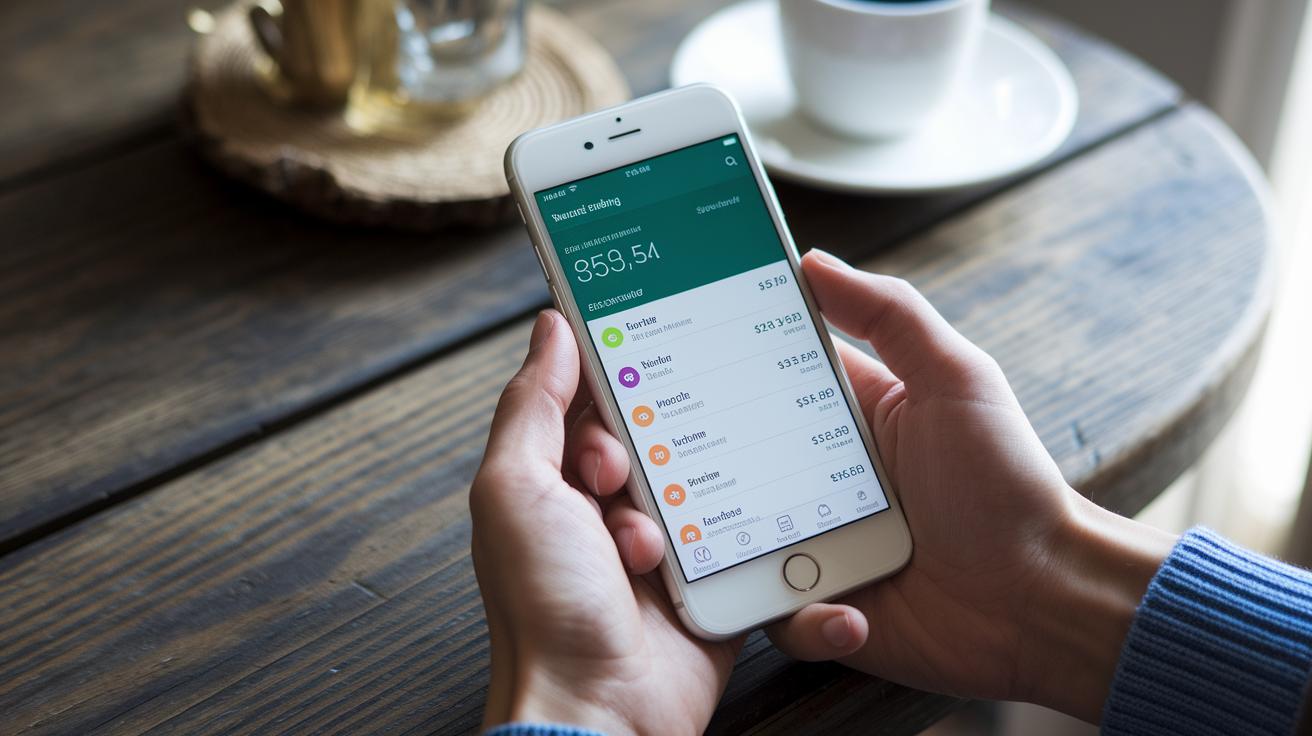
We've taken a close look at each app by checking out their features, user opinions, and expert ratings. We looked at how smoothly they connect with your bank, keep track of your spending, offer different budgeting styles, and even add cool extras like splitting transactions or sending alerts automatically. Imagine piecing together a simple puzzle as you review your monthly spending, that's the kind of clarity we aim for.
We based our star ratings on countless reviews from the Apple App Store and Google Play. It’s all about ease of use, reliability, and overall satisfaction. And, because money matters to all of us, we compared pricing by weighing subscription options against free trial opportunities. That way, when a trial period shows up (like 34 days or 14 days), you know exactly what you’ll pay afterward, giving you a clear view of each app’s cost-to-value balance.
| App Name | Best For | Pricing | Avg. Rating |
|---|---|---|---|
| YNAB | Budgeting that starts at zero with transaction splitting | $109/yr or $14.99/mo (34-day trial) | 4.8 |
| EveryDollar | Straightforward zero-based budgeting | $79.99/yr or $12.99/mo (14-day trial) | 4.7 |
| Goodbudget | Envelope system budgeting | $10/mo or $80/yr (free limited version) | 4.6 |
| PocketGuard | Auto-sync with smart cash-flow analysis | $74.99/yr or $12.99/mo | 4.6 |
| Monarch Money | AI-driven, personalized budgeting | $69.99/yr or $14.99/mo | 4.9 |
| Quicken Simplifi | All-in-one dashboard with cash-flow planning | $3.99/mo | 4.2 |
Up next, we dive deeper into each app’s unique features, how users feel about the experience, and what security measures they offer. This closer look is here to help you choose the money management tool that best fits your personal financial habits.
Objective Comparison of Personal Finance App Features

When it comes to managing your money with apps, none of them work the same way. Each one is built a bit differently to meet specific needs and spending habits. Some give you a quick look at your expenses, while others roll out advanced perks like brokerage links and AI insights (that means computer-powered help) to fine-tune your budget. All six apps hook up to your bank accounts without a hitch, using everything from classic zero-based budgeting (a method where every dollar has a job) to envelope-style and flexible custom plans. So whether you're all about detailed planning or a digital-first approach, there's an option that fits your financial groove.
• Bank syncing and aggregation – Every app links to your bank, but YNAB and Monarch push things further by adding brokerage links to give you a fuller picture of your accounts.
• Budget methods – The apps cover a range of budgeting styles. YNAB, EveryDollar, and PocketGuard stick with zero-based budgeting (where every dollar is given a purpose), while Goodbudget brings an envelope system that feels more hands-on. Monarch and Quicken, on the other hand, let you tweak and customize how you budget.
• Automatic savings – Some tools take the hassle out of saving. For example, PocketGuard rounds up your purchases to save the extra change, and both YNAB and Goodbudget come with goal trackers to help you hit your targets. Monarch even uses AI to suggest ways you can save even better.
• Bill payment tracking – Keeping track of recurring bills is simple here. PocketGuard automatically spots regular charges, while EveryDollar opts for a manual entry approach that works well if you like staying in control.
• Transaction splitting – How you break up your spending varies. With YNAB and Quicken, you manually split transactions for extra control, whereas Monarch and PocketGuard lean on AI to sort things out automatically.
Each app brings its own strength to the table. For example, if you're after an app that mixes your investment info with daily spending, Monarch really stands out. YNAB is a hit for those who lean on the clear structure of zero-based budgeting with detailed reports. PocketGuard wins fans with its smart automation, and Goodbudget offers that familiar envelope system in a modern style.
Neutral Analysis of Usability and User Experience in Finance Apps

Star ratings often show how friendly an app feels to new users. For example, YNAB gets high marks thanks to its clear dashboards, even though it might take a little extra time to learn. EveryDollar, on the other hand, has a very simple setup and few menu options, which makes it ideal for beginners. Goodbudget uses an envelope-style interface that’s easy on the eyes, and while it doesn’t have full automation, people still love its design. PocketGuard offers a clean mobile experience, though it sometimes struggles with syncing. Monarch Money is packed with smart AI features, but its screens can feel a bit crowded. And then there’s Quicken Simplifi, which has a strong web interface but a mobile version that can occasionally be slow. In short, even among top-rated apps, small usability details can really make a difference.
| App | Ease of Setup | Dashboard Clarity | Mobile Responsiveness |
|---|---|---|---|
| YNAB | Moderate | Clear | Good |
| EveryDollar | Simple | Minimal | Responsive |
| Goodbudget | Intuitive | User-Friendly | Acceptable |
| PocketGuard | Quick | Clean | Occasional Lag |
| Monarch Money | Feature-Rich | Detailed but Cluttered | Reliable |
| Quicken Simplifi | Robust | Detailed | Some Lag |
Now, let’s chat about the in-app tutorials and support features. Each app handles guidance in its own way. YNAB and EveryDollar come with clear tutorials and a strong help center, though you might find that live chat isn’t always available the same way. Goodbudget and PocketGuard keep things simple with easy, built-in guides. Monarch Money and Quicken Simplifi, meanwhile, offer in-depth tutorials that sometimes lean too much toward detail, which can make things feel a bit overwhelming. This hands-on look helps you figure out which finance tool truly fits your personal way of working and learning.
Dispassionate Synopsis of Security and Privacy Measures in Apps

Apps use trusted helpers like Plaid, Yodlee, and Finicity to connect you safely. They use special locks (called TLS encryption, a secure way to protect data when it moves between places) so that your financial details stay hidden from prying eyes. Your data gets locked up both while it’s traveling and when it's stored, following the top industry rules to keep things safe.
Privacy rules can change from one app to another. For instance, Goodbudget and EveryDollar sometimes share data that has been cleaned of personal details, all based on how their services work. On the other hand, Monarch Money and YNAB choose to keep your info completely private. This means you get to decide which balance of help and privacy suits you best when you pick an app.
Many apps add extra safety features to keep you even more secure. They often have outside experts check their systems on a regular basis. It’s like having a trusted friend give your data a thorough once-over. Plus, a two-factor authentication step (a way to double-check it’s really you logging in) adds another level of protection. Overall, these measures don’t just use strong locks for your data, they also keep an eye on the safety protocols to make sure every step is secure.
| Measure | Description |
|---|---|
| Encryption Level (AES-256/TLS) | Strong methods to lock data during transit and storage |
| MFA Availability | A second check step to be sure it’s really you |
| Audit Schedule | Regular reviews by outside experts |
| Data-Sharing Rules | Guidelines on how your information is used by the app |
| Regulatory Compliance (SOC 2, GDPR) | Following official standards to protect your data |
Fair Rating of Pricing Structures and Value for Money

Apps offer a blend of free basic plans and paid subscriptions, so you can choose the option that best fits your needs, whether you're sticking to free features or opting for detailed, premium insights. Each app has its own pricing model along with special benefits that set it apart.
- YNAB offers a trial period and costs $109 a year or about $14.99 a month. It's great for detailed reporting and splitting transactions for clearer tracking.
- EveryDollar gives you a free version as well, but if you need more, its Premium plan is priced at $79.99 a year or roughly $12.99 a month. It's perfect if you like a simple, zero-based budgeting approach.
- Goodbudget is free for up to 10 envelopes, while upgrading to Premium for unlimited envelopes runs about $10 a month or $80 a year. This one is ideal if you’re into envelope budgeting.
- PocketGuard features a basic free plan, with Premium costing $74.99 a year or around $12.99 a month. It stands out with auto-sync and cash-flow analysis.
- Monarch Money, which provides a trial run, charges $69.99 a year or $14.99 a month and is known for its AI-driven insights.
- Quicken Simplifi has a straightforward flat rate of $3.99 per month and brings all your financial tracking into one centralized dashboard.
If you're looking for rich, detailed insights, Monarch Money and YNAB really shine. On the other hand, if you're on a tighter budget, Quicken Simplifi offers excellent value. For more information and a deeper dive into full financial suites, check out the financial planning app reviews at financial planning app reviews.
Impartial Critique Methodology for Unbiased App Reviews

Our review system looks at what really matters for everyday users by focusing on features (30%), user experience (25%), security (20%), pricing (15%), and support (10%). We mix both technical details and ease of use, making sure we're capturing a clear, balanced picture of each app’s performance.
We gather our data from expert panels, detailed user surveys, and social scans using AI, which means we get honest feedback even from anonymous online forums. Our scores get refreshed every quarter, so they always reflect the most recent changes.
Here’s how it works:
- We set up clear evaluation criteria.
- We collect data on features and user experience.
- We check security and privacy measures.
- We look at pricing and return on investment.
- We then assign final scores.
Balanced Appraisal of Emerging Trends in Personal Finance Apps
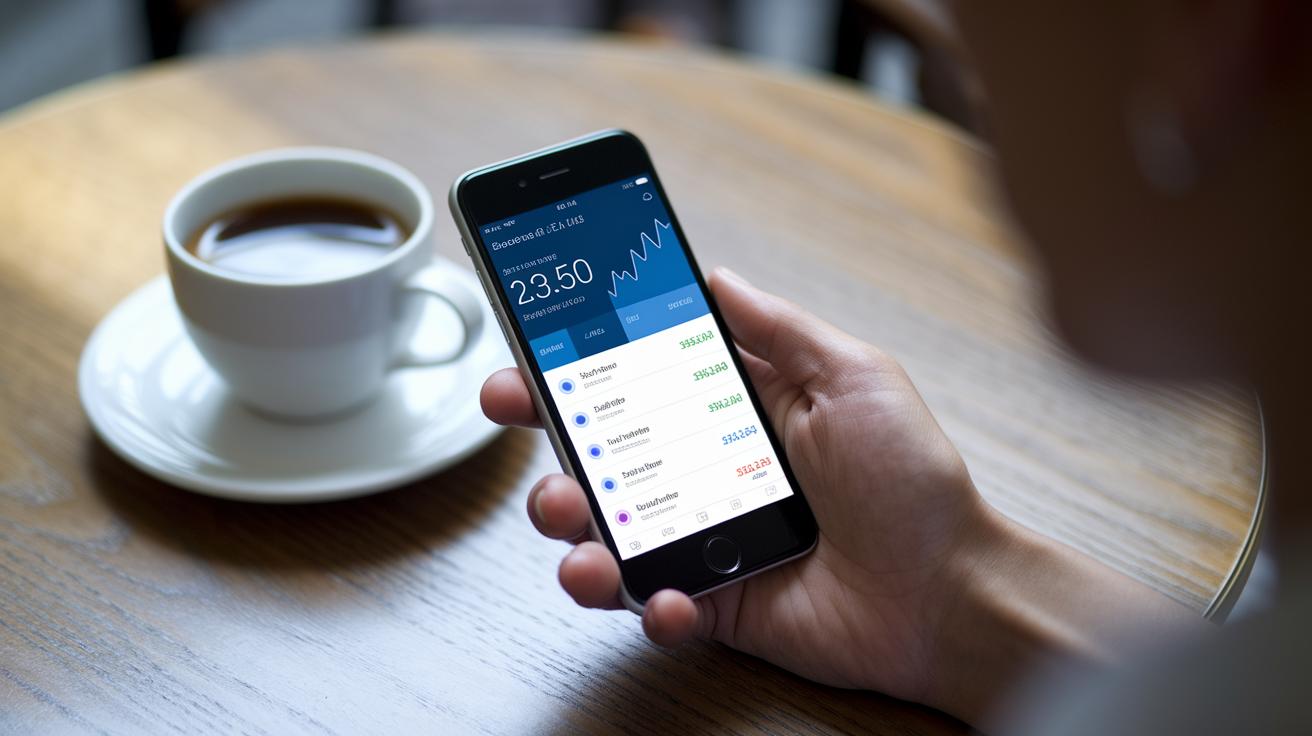
Personal finance apps are getting smarter to match what users really need today. They’re not just about tracking spending anymore. Instead, these modern tools now offer proactive tips and smart features that help you stay ahead of your budget. For instance, many apps have AI that sends you alerts about your spending habits (a way to warn you before you overspend) and even gives you forecasts to predict future expenses.
The apps now let you watch both crypto and stock investments, and thanks to open banking APIs (which pull different bank data together), your finances seem more connected than ever. There’s even automated credit score monitoring and tools that help negotiate bills. Plus, social goal challenges let you and your friends or family work on budgets together, making money management feel like a team sport.
• Predictive spending alerts
• Crypto and stock portfolio tracking
• API-powered multi-bank aggregation
• Automated credit management
• Shared goal challenges
These fresh features are set to shape which apps people choose next year. As we start expecting more personalized and forward-thinking advice, app makers are hard at work crafting solutions that combine real-time data with useful insights. Essentially, the future of money management is looking much more hands-on and prepared, not just reacting to problems but predicting them. It’s like having a smart assistant that’s always a step ahead, giving you a clear, real-time view of your financial landscape.
Final Words
In the action, we explored six top finance apps, outlining key features, usability insights, security practices, and pricing details. Each app, from YNAB and EveryDollar to Monarch Money and Quicken Simplifi, was examined using data and user feedback for clear comparisons.
The discussion highlighted emerging trends like AI budgeting tools and integrated investing. This approach reinforces our commitment to providing unbiased personal finance app reviews that help you make smart money choices for a brighter financial future.
FAQ
What do unbiased personal finance app reviews on Reddit and user complaints say?
The unbiased app reviews on Reddit reveal real user experiences, pointing out both strengths and issues like sync delays and interface quirks. They offer a balanced view that helps guide your choice.
What is the best personal finance app?
The best personal finance app varies by need, but top contenders like YNAB, Monarch Money, and Goodbudget score high for features, usability, and value. Your priorities and budget ultimately shape the best option.
What is a good free budgeting app?
The phrase “free budgeting app” refers to tools that let you track expenses without cost. Apps like EveryDollar and Goodbudget offer basic tracking and envelope or zero-based budgeting, making them popular and practical.
What does the Mint budget app offer?
The Mint budget app is known for its free service that tracks expenses, sends bill reminders, and even updates your credit score, all via an easy-to-use dashboard with automatic account syncing.
What does a Honeydue app review reveal?
A Honeydue app review highlights its focus on shared budgeting for couples by offering bill tracking and collaborative expense management, which can help partners stay in sync with their joint finances.
Are personal finance apps safe?
The safety of personal finance apps is underscored by robust encryption, multi-factor authentication, and reputable data aggregators like Plaid. These measures help safeguard your sensitive financial information.
Is Plum or Emma better?
The comparison between Plum and Emma shows that each app caters to specific money management needs—Plum leans toward automated savings while Emma offers detailed budgeting tools. Your choice depends on which features you value more.
Is there a better app than Rocket Money?
The claim of a better app than Rocket Money depends on what you need; alternatives like PocketGuard and YNAB might be preferable if you seek zero-based budgeting and more detailed tracking features for your spending.


