
Have you ever wondered why some finance teams seem to predict trends effortlessly while others get stuck in old ways? Today’s financial software offers fast, clear insights that used to feel impossible. These tools mix the familiar ease of spreadsheets with smart automation (automation means tasks are done on their own), making it easier for even small businesses to make great decisions. Research shows that 66% of finance leaders are quick to see the benefits.
In this article, we break down the top software options, comparing features and pricing. We’ll show you how these tools help pave the way for financial success.
Leading Financial Analysis Software: Feature Comparison, Pricing & Usability
Today, financial analysis software is changing the way finance teams handle budgets, forecasts, and reports. It mixes the simplicity of a spreadsheet with smart tools that automatically create clear, easy-to-read reports. Fun fact: before AI tools came along, many companies had to build every report by hand. Now, 66% of finance leaders see quick benefits from using AI for immediate insights.
These software options come in a variety of price points. Some affordable tools start at about $2,000 a year, ideal for small businesses, while advanced systems for big companies can go above $100,000. For example, Cube offers spreadsheet-style FP&A tools in an interface that feels familiar, so teams can jump right in. Oracle Essbase gives you a powerful OLAP engine (OLAP means On-Line Analytical Processing, which helps you break down complex data for better understanding) for deep, multidimensional analysis. QuickBooks is popular with small businesses for combining everyday accounting with essential budgeting features. NetSuite is a cloud ERP that works well for larger companies needing all-in-one financial management. Sage Intacct makes it easy for mid-sized teams to get clear, board-ready reports, while Jedox is built for large organizations wanting a smoother process for planning and forecasting. Savant Labs Generative AI is a standout, using powerful AI to offer immediate, actionable variance insights.
| Software | Core Features | Pricing Tier | User Focus |
|---|---|---|---|
| Cube | Spreadsheet-native FP&A, familiar design | SMB | Small to growing teams |
| Oracle Essbase | OLAP engine, multidimensional analysis | Enterprise | Data analysts & large firms |
| QuickBooks | SMB accounting with budgeting tool | SMB | Small businesses |
| NetSuite | Cloud ERP, integrated financial management | Enterprise | Larger organizations |
| Sage Intacct | Clear reporting for mid-market finance | Mid-market | Growing enterprises |
| Jedox | Enterprise performance management for planning | Enterprise | Large organizations |
| Savant Labs Generative AI | AI-powered variance analysis | Enterprise | Forward-thinking finance teams |
Each platform offers a mix of tools that help make budgeting, forecasting, and reporting more straightforward. It’s impressive how they free up time and ensure data stays spot on, so teams can focus on smarter decisions with less hassle.
Evaluating Financial Analysis Software Features and Capabilities

Many finance teams find it easier to get started with software that feels like a familiar spreadsheet. This setup lets you handle numbers just the way you would in Excel, making the whole process feel comfortable and reducing the time you'd normally spend learning a new tool.
The forecasting and budgeting features are impressive too. They let you build detailed cash flow and revenue models, giving you a peek into what might lie ahead while preparing you for any surprises. And with clear, board-ready reports, stakeholders get easy-to-follow options to dig into trends and important numbers.
Plus, the software comes with sharp visual tools that work like a profit margin analyzer. These visuals quickly highlight where things are doing well and where there might be shifts, so you know just what’s working and what might need a closer look.
By combining an Excel-like interface, smart forecasting tools, and user-friendly visual reports, this type of financial analysis software supports data-driven decisions and builds trust at every level.
Financial Analysis Software Integration and Deployment Considerations
Financial analysis software works best when everything is connected. For example, an accounting integration module links systems like ERP (which helps manage business processes), CRM (a tool for keeping up with customers), and accounting software. This means you don’t have to manually input data, which cuts down on mistakes. Imagine a finance team that no longer spends hours transferring data because their system automatically updates through a solid integrated reporting platform.
Real-time dashboards are like the heartbeat of enterprise analytics. Companies such as Spenmo and ShopBack use these dashboards to see fresh data instantly, which clears up any reporting gaps. This immediate access to clean data lets finance teams focus on making smart, strategic moves instead of juggling data fixes.
Deployments get even simpler with no-code setups, which means you don’t have to write a single line of code, and easy enterprise user management. This helps roll out features across a large team without a heavy IT burden. Whether you choose a cloud solution or stick with an on-prem setup, smooth connectors pull all your financial data into one clear view, boosting accuracy and speeding things up.
Administrative headaches vanish when setup tools and integrated systems work together. This smooth collaboration makes it easier for teams to expand their operations. By using these connectors and management features, you build a stronger foundation for robust financial analysis and more confident decision-making.
Financial Analysis Software for Industry-Specific Use Cases
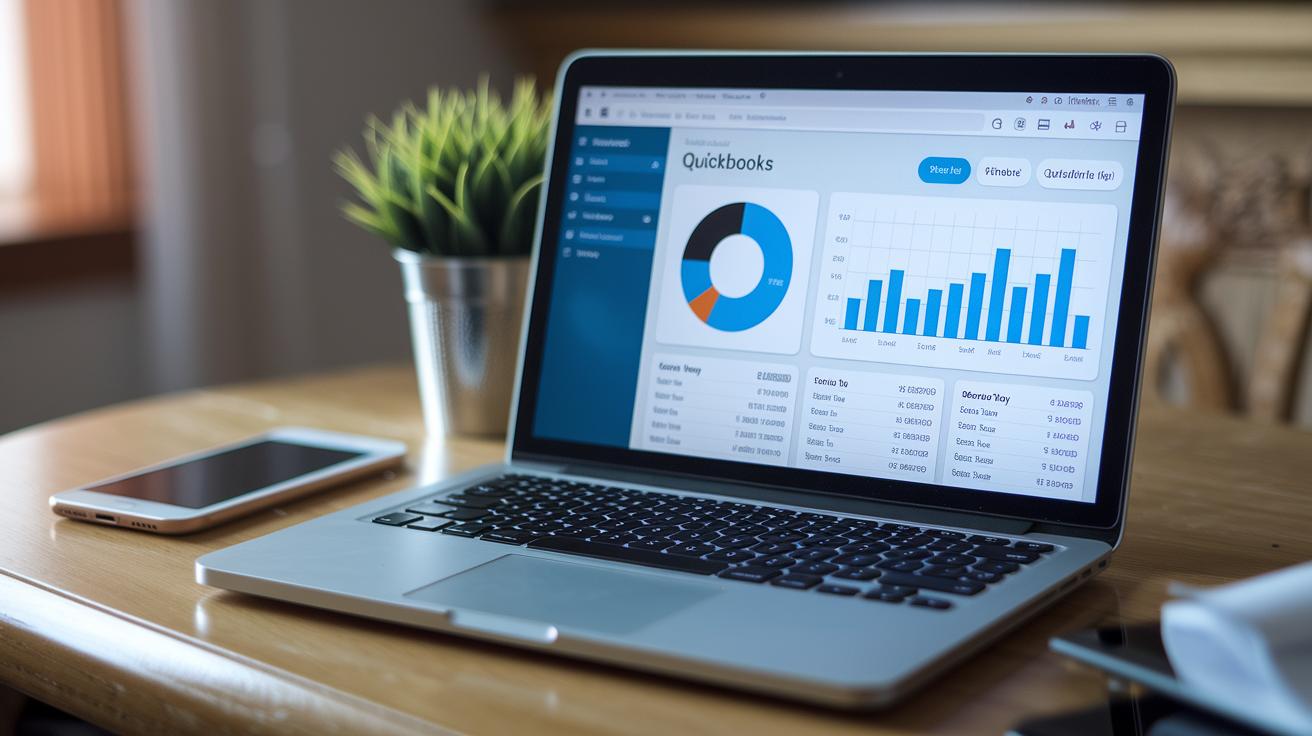
For many small businesses, tools like QuickBooks and Sage Intacct are lifesavers for managing budgets. They help you keep track of every expense, handle invoices, and sort out your accounts in a way that feels clear and straightforward. Imagine setting up QuickBooks like a cash flow dashboard where every dollar is perfectly placed, giving you a clear snapshot of your daily transactions.
Mid-sized companies often turn to platforms like NetSuite and Jedox. These systems gather different revenue and expense streams into one simple report, showing you the complete picture of your budget, cash flow, and upcoming financial commitments. It’s like having a helpful guide that lays everything out so you can decide what’s best for your business strategy.
In the fast-paced world of fintech, companies use specialized tools such as Cube and Planful. These programs let them run detailed cash flow simulations and check for investment risks, testing out various economic scenarios. With these custom-made tools, even complex financial analysis becomes more manageable, ensuring that each industry gets the precise support it needs.
Financial Analysis Software Pricing and Licensing Models
When you shop for financial analysis software, you quickly notice that there are many pricing options available. Many vendors offer subscription plans where you pay per user every month, typically between $25 and $200. This plan lets your team add more users or extra features without breaking the bank.
On the other hand, if you prefer a long-term solution that sits on your own servers, you might look at on-premises licenses. These can start at around $50,000 and are ideal for companies that want strong system integration with few ongoing fees.
Some tools also offer freemium models. They give you a taste of the basics for free, like popular programs such as Excel or Domo, but if you need advanced functions like detailed variance checks or extra add-on modules, you’ll have to pay extra. In truth, prices usually depend on how many users you have, how much data you process (that is, the volume of your information), and the number of additional modules you add. For example, as your data work grows, costs might rise to keep performance steady.
- Subscription licensing: $25–$200 per user/month
- On-prem perpetual licensing: starting at $50,000
- Freemium tiers: free for basic functions with paid upgrades
This variety makes it simple to pick a plan that fits your current needs and future growth.
Financial Analysis Software Case Studies and User Reviews

Real-world tests show that financial analysis software really delivers. For example, Spenmo used Planful and managed to cut forecasting errors by 15%, which in turn helped the team keep a closer eye on cash flow and spot trends early. And then there’s ShopBack, after switching to Cube, they slashed their month-end close times by 40%. These stories make it clear that the right financial platform can serve as a sturdy benchmark, helping teams track their progress and boost overall efficiency.
User reviews on sites like G2 and TrustRadius back this up, with many rating these tools around 4.3 out of 5. Many users even compared the software to a business valuation calculator, that is, a tool that keeps financial figures on point for smarter decisions. Financial leaders say these systems make the tough work simple while also acting like a reliable yardstick for both daily operations and long-term growth.
Moreover, Forrester research shows that companies using these solutions are pushing for over 20% annual growth as they fine-tune their forecasting and reporting. One common detail in several testimonials is how the visual performance tools let executives spot issues quickly, almost like glancing at a clear picture and knowing exactly where improvements are needed. One user put it nicely: "Using our software feels like having a business valuation calculator in our back pocket, it keeps every financial figure in check." Another pointed out that regular updates to the tool have really helped their strategic decisions, proving again that these systems are key to boosting ROI and streamlining finance operations.
Emerging Trends in Financial Analysis Software
Financial analysis software is changing the way we work with money. New tools using generative AI help explain differences in numbers automatically, so decisions can be made faster. These AI-powered tools quickly spot problems and improve forecasting. Imagine a tool that runs several financial scenarios in seconds, allowing teams to adjust their plans on the fly. Real-time dashboards now offer fresh, minute-by-minute insights, making it easier to keep an eye on performance. Believe it or not, before these tools existed, companies spent hours manually crunching numbers to predict trends.
Other smart improvements include easy integration with existing systems that bring together all the data without extra manual work. A reliable predictive tool keeps proving its value by running through different financial situations under changing conditions. AI features continue to grow smarter, blending classic reports with quick, detailed insights. New real-time tools even support interactive visuals, so finance teams can grasp trends at a glance. These trends are making financial planning more efficient and proactive, which means teams of any size can meet tight deadlines and change plans quickly. Self-service analytics with no-code options are also freeing up time for real strategic planning, driving smarter decisions across the board.
Final Words
In the action, we explored a range of financial analysis software options, highlighting key features like forecasting modules, user-friendly interfaces, and seamless integration with existing systems. We compared pricing structures that suit small businesses to large enterprises and examined real-world case studies showing measurable benefits. The discussion also touched on emerging trends such as AI-powered insights and real-time dashboards. All this helps build a clear picture for making informed investment decisions. Here's to unlocking new levels of confidence and clarity in your financial journey!
FAQ
Financial analysis software free
The term free financial analysis software indicates options available at no charge that provide basic budgeting and reporting features. These versions often offer essential tools for getting started without an initial investment.
Financial analysis software for small business
The idea of financial analysis software for small business involves tools like QuickBooks and Sage that offer affordable expense tracking, forecasting, and reporting features, specifically designed to meet smaller enterprises’ needs.
Best financial analysis software
The notion of the best financial analysis software means solutions that combine user-friendly interfaces, advanced forecasting, and clear reporting to help businesses manage budgets, review trends, and make informed decisions.
Financial analysis software for accountants
The concept of financial analysis software for accountants highlights tools that integrate with existing accounting systems, streamline report generation, and ensure accuracy, making daily financial tasks more efficient and reliable.
Financial analysis software definition
The definition of financial analysis software refers to a suite of tools that process financial data, support forecasting and budgeting, and generate detailed reports, providing clarity and insight into a company’s financial health.
Financial Statement analysis software free download
The inquiry about financial statement analysis software free download points to versions offering cost-free access to basic functionalities for reviewing and analyzing financial documents, which are ideal for initial financial assessments.
Financial analysis tools Excel
The mention of financial analysis tools in Excel relates to using Excel-based templates and add-ons that enhance the ability to model scenarios, forecast outcomes, and generate detailed reports within a familiar spreadsheet environment.
Financial tools
The term financial tools covers various software applications, ranging from budgeting, forecasting, and analysis to reporting solutions. These tools help users turn raw data into clear visual insights for better decision-making.
Which software is best for financial analysis?
The question of which software is best for financial analysis centers on finding a solution with seamless integration, robust forecasting, and clear, actionable reporting. Options such as Cube or Planful are popular among many users.
What are the top 5 FP&A tools?
The focus on the top 5 FP&A tools identifies standout options with strong forecasting, budgeting, and reporting features. Recognized examples include Cube, Oracle Essbase, NetSuite, Sage Intacct, and Jedox.
Which software is most used in finance?
The query about which software is most used in finance points to widespread tools like QuickBooks, Excel, and cloud ERP platforms that are preferred for their ability to track, analyze, and report financial data reliably and efficiently.
Can ChatGPT do financial analysis?
The question of whether ChatGPT can do financial analysis highlights that while ChatGPT can offer insights and explanations, it lacks the real-time data integration and specialized modules found in dedicated financial analysis software.


