
Ever wondered if crypto mining is a gold mine or just another risky bet? Many people ask if the rewards really outweigh the costs. Here, we break it down with simple math: your earnings minus expenses like power and hardware shows you the real picture.
We take a close look at market trends and real earnings, even when unexpected costs pop up. By examining the numbers, we aim to answer whether mining crypto is a smart move today. Let's dive into the facts together.
Profit Potential in Crypto Mining: Exciting Market Trends
Crypto mining profits come down to a simple math problem: you take what you earn and subtract what it costs. In plain terms, you multiply the block reward by the current coin price and then take away expenses such as power use, hardware wear, and network fees. This straightforward formula gives you a clear look at your net earnings and helps you see if your mining setup is financially healthy.
Key things that shape your profits include block rewards (the regular payout for mining a block) and planned reward reductions, sudden changes in coin prices, electricity costs, plus hardware wear and fees from the network.
Take March 2025, for example. A solo miner earned a block reward of 3.125 BTC – that’s about $266,000. Even though block rewards were cut after the April 2024 halving, smart operators can still pull in big payouts when market conditions turn in their favor.
At its core, profitable crypto mining relies on top-notch hardware and cheap energy. When your equipment runs efficiently, it wastes less power, and low-cost electricity slashes your overall costs. In a market that’s constantly shifting, balancing these factors is key to unlocking profit potential.
Crypto Mining Cost Breakdown

Crypto mining expenses break down into three main groups: electricity, hardware, and the costs for setup and upkeep. Each part plays a key role in your total costs and can cut into your profits if you're not careful.
Electricity is often the biggest running cost. With ever-rising energy bills, even a small increase in your local rate can shrink the money you make. For example, a miner in an area with high electricity prices will feel a sharper drop in profits compared to someone using cheaper or renewable power.
| Cost Category | Estimated Range | Typical Impact |
|---|---|---|
| Electricity | $0.05–$0.15/kWh | Largest recurring expense |
| Hardware | ASIC: $3,000–$12,000; GPU: $500–$1,500 | Upfront investment with ongoing wear |
| Setup & Maintenance | Additional 5–10% | Helps with cooling, racks, and wiring |
Over time, mining hardware loses its efficiency. As your equipment gets older, it works less well, which might cut your return on investment by 10–30% each year. So, updating your hardware regularly or figuring out smart resale options becomes super important to stay profitable.
Calculating Crypto Mining Profitability
Online calculators and a simple formula can make estimating your crypto mining profits a breeze. You multiply your mining power (hash rate) by the block reward and coin price, then subtract your costs like power and pool fees. In plain language, it works out to: (Hash Rate × Block Reward × Coin Price) minus (Power × Cost per kWh × 24 hrs) minus Pool Fees. Think of it as following a recipe, the right ingredients in just the right amounts yield a rewarding result. Ever notice how tweaking just one element, like your power cost, can make a big difference in your returns?
Here’s how to break it down:
- Figure out your rig’s hash rate.
- Add your power draw (in watts) and your local energy rate (in $ per kWh).
- Input the current block reward and coin price.
- Subtract any pool or network fees (typically around 1-3%).
- Check your projected earnings daily, monthly, and yearly.
A number of trusted online tools update these numbers live, giving you a real-time glimpse of your potential earnings. They let you adjust your mining setup as market conditions change, helping you fine-tune your operation for the best returns.
Critical Factors Impacting Crypto Mining Profitability
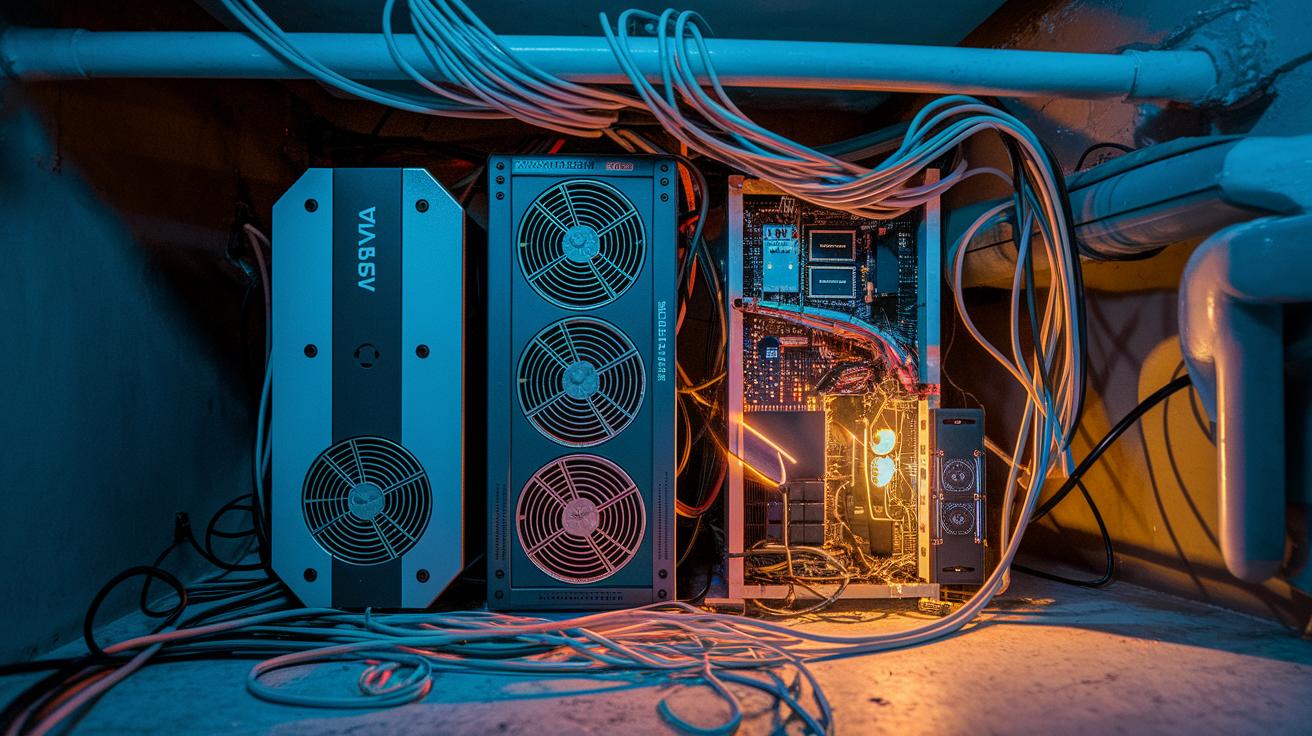
When network difficulty rises, fewer blocks are mined than expected. Every two weeks, Bitcoin adjusts its difficulty to keep a steady 10-minute block time. When this number goes up, miners have to work a lot harder for the same reward. Imagine your rig trying to climb a steeper hill – even if it's on all day, it earns less. Without upgrading your equipment or expanding your operation, your mining profits can take a big hit.
New ASIC models give you a huge boost in hash rate compared to older GPU systems that just can’t keep up. Modern ASICs can hit numbers like 110 TH/s, while older GPU rigs usually struggle. Upgrading to these cutting-edge ASICs can feel like swapping your old bike for a sports car – you get more speed and a better chance at winning the block reward.
Market prices for coins change a lot, too, and that uncertainty can swing your daily mining profits by roughly 20 percent. Big market news or shifts in how investors feel can make prices jump or drop. One day, your mining might make great money, and the next, it could barely cover your expenses. It’s a bit like riding a roller coaster with ups and downs that are exciting yet a little nerve-wracking.
Government rules play a big part as well. Changes in policies or mining bans can force miners to move to areas with friendlier rules and lower taxes. Some regions even boost profits by offering cheap energy or benefits for using renewable energy. A miner in a supportive area might see steadier earnings compared to someone dealing with tough regulations.
Crypto Mining Methods and Revenue Streams
Mining can work in several ways, each with its own setup and way to make money. You can choose from ASIC mining, GPU or CPU mining for different coins, pool mining for regular payouts, cloud mining contracts for a hands-off approach, or even solo mining when the situation is just right.
ASIC rigs, like the Antminer S19 Pro, chip in about 110 TH/s (that’s terahashes per second, a measure of speed) while using 3,250 W, making them great for coins like Bitcoin. On the other hand, GPU or CPU mining is easier to start with when mining coins like Monero or Ravencoin that are designed to resist ASICs. A high-quality GPU card usually provides less than 1 TH/s, which means you’ll need more cards to compete. In the end, it comes down to how much you want to invest upfront and which coin you’re aiming for.
Pool mining lets you team up with other miners so that everyone gets small, frequent payouts. Although there’s usually a fee of 1 to 3 percent, this method smooths out the ups and downs, keeping your income steadier over time. It’s like joining forces with friends to share the rewards, even if your own equipment isn’t the fastest around.
Cloud mining is basically renting mining power. This approach means you don’t have to worry about maintaining hardware, although hidden fees or shady contracts can sometimes cut into your earnings. It could be a good fit if you’re not ready to shell out for your own setup.
Solo mining can sometimes deliver better returns compared to mining in a pool, but only if you have a huge amount of power, over 100 PH/s (petahashes per second, which is a really big number) and really low electricity rates (less than five cents per kilowatt-hour). This method is usually reserved for those with plenty of resources.
Sustainable Profit Models in Crypto Mining

Green mining is a smart, eco-friendly approach that uses renewable energy like on-site solar and wind power to cut electricity costs by 30 to 50%. By relying on clean energy, mining operations can spend less on expensive grid power while lowering their overall costs. Battery storage systems even out the energy supply so mining can run all day and night, making operations more reliable and boosting profit margins. Plus, these green setups help miners meet new environmental rules and even earn tax credits or carbon offsets.
A recent example is a mining facility powered by solar energy. They slashed their electricity bills by 40% by combining solar panels with a strong battery backup. They arranged everything to capture as much sunlight as possible and saved extra energy for the night. This shows that using renewable energy can save money and support eco-friendly goals. The consistent energy flow also meant fewer downtimes, which is great for both efficiency and long-term profits.
Government agencies are also stepping in by offering incentives like tax breaks and carbon offsets to reward the use of green energy. This makes renewable-powered mining an even smarter, more sustainable profit model.
Regional Profitability Variations in Crypto Mining
Local energy costs and regional rules really shape how much miners earn. When electricity is cheap and the rules are friendly or even offer subsidies, miners enjoy lower bills, which means better profits.
For example, in places like Iceland, Texas, and Kazakhstan, industrial rates drop to below $0.05 per kilowatt-hour. This low cost lets miners snag profit margins of over 20% because running expenses stay low. In parts of Scandinavia, a seasonal surplus of hydro power even brings prices down to around $0.02 per kWh during off-peak times. But in other regions, where power is expensive or rules keep changing, profit margins tighten up. That’s why choosing a spot with low energy bills and supportive policies really matters.
And then, there’s the unpredictable side of things. Changes in government or unexpected weather can disrupt the steady flow of energy, shaking up how profitable mining can be. Ever notice how the market can change like the weather? It’s a reminder that, when it comes to crypto mining, location isn’t just about geography, it’s about the whole energy picture.
Long-Term ROI Evaluation for Crypto Mining

Mining equipment, especially ASIC rigs, usually works well for about 2 to 3 years. Over time, their performance drops slowly as newer and more efficient models become available. It’s a bit like that old car you still drive, it runs, but it just doesn’t get the mileage it once did. As the efficiency decreases, these rigs produce fewer coins for each unit of electricity they use, which can lower your overall returns.
How quickly you break even really depends on how much you pay for power. In areas where electricity is inexpensive, many miners might recover their initial investment in just 6 to 12 months. But in spots with higher power costs, it can take much longer. Think about it: one miner in a low-cost region might break even in less than a year, while another in an expensive area could struggle for over a year.
Another key factor is depreciation. The value of mining hardware drops by about 20 to 30 percent every year. This steady loss in value is like watching your asset’s resale price shrink over time, and it has a direct impact on long-term profitability calculations.
A smart approach is to regularly assess whether upgrading or reselling your equipment makes more sense than hanging on to the old model. A few smart adjustments now can help keep your returns competitive and preserve the value of your investment.
Final Words
In the action, we traced the core factors behind crypto mining profitable cash flows. We examined how mining rewards, power costs, and hardware depreciation intertwine with regional electricity rates, giving a clear picture of income potential. The post broke down cost details, ROI calculations, and even sustainable mining options to help guide your next evaluation of mining methods. This straightforward look at earning with crypto mining leaves you with practical ideas and optimism for making smart, data-backed decisions.
FAQ
Is crypto mining still profitable?
Crypto mining remains profitable when energy costs are low and hardware is efficient. Many online communities note that careful planning and optimized setups are the keys to achieving consistent profitability.
Is Bitcoin mining profitable in 2025?
Bitcoin mining profitability in 2025 relies on changes in block rewards, technological upgrades, and fluctuating electricity costs. Successful mining will require miners to monitor these trends and adjust their operations accordingly.
What is the monthly profit of a Bitcoin mining machine?
Monthly profits from a Bitcoin mining machine depend on its hash rate, energy consumption, and local power costs. Variations in coin price and network difficulty can greatly alter the income earned each month.
What is an ASIC miner?
An ASIC miner is a specialized device designed solely for cryptocurrency mining. It performs complex calculations more efficiently than general-purpose hardware, helping to boost mining performance and reduce operational costs.
Is Bitcoin mining legal?
Bitcoin mining is legal in many regions, provided miners follow local regulations regarding energy use, taxes, and licensing. It’s wise to check your jurisdiction’s rules to avoid running into legal issues.
Why might Bitcoin mining not be profitable?
Bitcoin mining can turn unprofitable if operational costs—such as high electricity rates and outdated hardware—outpace the rewards from mining. Market fluctuations and increased network difficulty also impact profitability.
Are Bitcoin mining apps profitable?
Bitcoin mining apps’ profitability depends on their fee structure, the efficiency of the mining process, and local power costs. Typically, these apps offer lower returns compared to investing in dedicated mining hardware.
How does a Bitcoin mining calculator work?
A Bitcoin mining calculator estimates earnings by factoring in a miner’s hash rate, power usage, energy costs, and current coin price. It helps users forecast profits and assess whether mining is a viable option.
How much money can you make mining crypto?
Earnings from crypto mining vary widely based on equipment quality, local energy prices, and market conditions. Profit margins differ for each miner, so effective cost management and efficient setups are essential for success.
How long will it take to mine one Bitcoin?
The time required to mine one Bitcoin depends on your mining rig’s capabilities and the network’s current difficulty. For many setups, reaching one Bitcoin may take several months or even years of continuous mining.
Can you profitably mine crypto at home?
Home crypto mining can be profitable with the proper equipment and access to low-cost power. While small-scale operations might generate modest returns, success depends on striking a balance between expenses and rewards.
How do mining processes differ for cryptocurrencies like Dogecoin, Ethereum, Litecoin, Bitcoin Cash, and TRON?
Mining methods vary between cryptocurrencies. Some use similar protocols while others may not be mineable at all, like XRP. It’s important to research each coin’s system to understand the required hardware and potential earnings.


