
Have you ever noticed how paying with cash or checks can seem stuck in the past? Today’s digital payments move money fast and safely, cutting out the slow, error-prone steps of manual handling.
Imagine switching from snail mail to email, that’s how digital payments work. They save time and help you avoid common mistakes, making each transaction feel as trustworthy as a well-timed handshake.
This article breaks down how digital payments work, from securely capturing your data to finalizing the deal. In our fast-paced world, these modern systems not only boost speed but also make every transaction more reliable.
How Electronic Payment Processing Works

Electronic payment processing means you don’t need to bother with paper checks or cash. Instead, money moves digitally, making things smoother whether you’re paying a one-time fee or setting up a recurring payment. Most payments finish in one to three business days. Sometimes, automated bank transfers (ACH, which means electronic transfers between banks) take about three to five days, and virtual card payments can be done in roughly one day.
It all begins when you start a payment. Imagine filling out a secure online form; that’s how your payment details are captured. For example, when Alex paid for his monthly subscription online, his payment info was locked up safely with encryption and sent off right away. That encryption (a method to scramble data so unwanted eyes can’t see it) helps keep his details safe while checking for any signs of fraud.
Next, a payment processor takes over. They check to make sure your card details are right and that you have enough funds. Think of it like a friendly bank helper that talks to your bank to say, “Is everything okay here?” When all is in order, your payment gets a temporary approval and sits in a merchant’s account until everything is finalized.
Finally, clearing and settlement systems step in to move the money from your bank to the business’s bank account. This last part makes sure the funds truly arrive where they need to be. That final step is all about making the whole process clear and reliable, ensuring both parties know that the payment was handled correctly.
Key Components of Electronic Payment Processing

Payment Gateways
Payment gateways work like a digital cash register that gathers your card or account information. They lock down your details with secure codes (SSL/TLS encryption, which keeps data private) and run checks to stop fraud. Imagine a friendly cashier who verifies your identity while processing your payment. For example, when Sarah entered her details, the system safely encrypted her data and immediately scanned for any fraud signals.
Payment Processors
Payment processors are the busy messengers that send your authorization request to card networks. They verify that your card details are real and that there’s enough money available, kind of like texting your bank asking, "Everything okay with this payment?" They also handle extra charges, known as interchange fees, by managing the money exchange between banks. So when John's card was swiped, the processor quickly routed his request and confirmed that his balance was sufficient.
Merchant Accounts
Merchant accounts work like secure lockers where approved funds wait until they’re moved to a business's main bank account. They temporarily hold the money after a payment is approved, following all the set rules and schedules for disbursement. Picture it as a safe spot where money sits before it’s sent on its way. After a transaction was given the green light, the funds were stored in the merchant account until the payout time came.
Issuing Banks
Issuing banks are like the reliable friends behind your payment card. They guarantee that the funds are solid, which lets payment processors move ahead smoothly. Think of an issuing bank as someone who stands by you, ensuring that the purchase is backed by trusted funds, so merchants are paid without any hiccups.
Clearing & Settlement Systems
Clearing and settlement systems make sure that every payment finishes its journey by moving money from the cardholder’s bank to the merchant’s bank. This can happen all at once in batches or almost instantly, like balancing a checkbook where every penny finds its right place. In short, they take care of the final step so that each dollar is reconciled properly.
Benefits of Electronic Payment Processing

Electronic payment processing is changing the way businesses handle transactions, while also lowering costs significantly. Many companies see savings of up to 80% by cutting down on paper, postage, and manual labor. This extra cash can be redirected into growing the business or enhancing customer service. For example, one small business noticed a huge drop in admin expenses after switching from paper checks to online payments, allowing them to use those funds in more impactful ways.
Security is a big plus too. With transaction encryption (a method of scrambling your data so it isn’t easily read), sensitive information stays safe during transfers. Plus, tokenization swaps your real card details for a random 16-digit token, so if someone intercepts the data, they don’t get any useful info. Combined with dynamic fraud detection systems that monitor for unusual patterns, this layered security builds strong trust with customers and cuts down on fraud risks.
Automation also makes a huge difference. Today, more than 80% of finance teams use automated workflows to speed up invoice handling and keep records ready for audits. This streamlined approach not only boosts efficiency but also ensures businesses stick to industry regulations. Faster settlement times, usually between one and three days, mean that cash flows more predictably, helping companies respond quickly to market shifts.
Key benefits include:
- Up to 80% lower processing costs
- Improved security with encryption and tokenization
- Faster settlement times (1–3 days instead of 3–5 days with checks)
- Automated workflows leading to audit-ready records
- Better cash-flow visibility and forecasting
Comparing Top Electronic Payment Processing Providers

When you're picking an electronic payment processing provider, you need to check out its features, how well it integrates, and its overall trustworthiness. For instance, Stripe gives you a flexible API, that's a tool helping your software talk smoothly with the payment system, which makes tasks like recurring billing a breeze. Its solid global support makes it a top pick for developers working on SaaS projects.
Then there's PayPal, a name that instantly earns buyer trust. It offers quick tools for handling disputes and works globally, supporting both classic online retail and mobile wallet transactions. This means checkout is not only fast but also safe, giving merchants the ease of quick virtual card settlements along with a reassuring safety net.
Apple Pay stands out with its biometric mobile checkout. In everyday terms, it uses fingerprint or face recognition to speed up and secure your payment process. This smooth, secure approach is a great match for businesses that are all about mobile-first strategies.
Next up is Dwolla, known for its low ACH fees. If your business processes a lot of B2B payments, this option keeps costs low while streamlining virtual card settlements and overall operations.
Square is another excellent choice, especially if you run a brick-and-mortar store. It combines built-in hardware and point-of-sale systems so that online and in-store payments, both virtual card settlements and face-to-face transactions, flow seamlessly together.
Authorize.net is favored for its customizable gateway, making it perfect for enterprises who need a tighter grip on their payment systems. It supports transactions in multiple currencies and offers real-time analytics (think of it as a live data feed), which is really handy for managing cross-border payments.
| Provider | Key Feature | Ideal Use Case |
|---|---|---|
| Stripe | Flexible API and global support | Developers and SaaS |
| PayPal | Instant buyer trust and dispute tools | Online retail |
| Apple Pay | Biometric mobile checkout | Mobile-first merchants |
| Dwolla | Low-cost ACH transfers | High-volume B2B payments |
| Square | Built-in hardware and POS | Brick-and-mortar retail |
| Authorize.net | Customizable gateway | Enterprises needing control |
Implementing Electronic Payment Processing in Your Business

Start by choosing a payment provider that meets your business needs and setting up a merchant account, kind of like opening the door to a smooth, online experience. Imagine it like placing an order online where everything kicks off instantly.
Next, connect your website or point-of-sale system using the provider’s API or a hosted checkout. APIs are little tools that let you add digital payment options quickly. It’s like linking your favorite shopping app to a reliable payment platform so every transaction feels effortless.
Then, decide which payment methods to offer, credit cards, ACH (that’s a bank transfer that moves money directly), and digital wallets. Think of it as stocking your store with a variety of items so every customer finds exactly what they need.
After that, set up notification webhooks to get real-time updates about your payments. When you integrate these alerts with your sales and accounting systems (like Acumatica, NetSuite, or QuickBooks), it’s like having a live feed that keeps you informed with every transaction.
Finally, run end-to-end tests in a sandbox environment, a safe space where you can try out a test transaction to make sure funds move correctly, just like checking a new gadget before its official launch. When everything checks out, switch to live mode and monitor your transactions using your dashboard to ensure all payments flow seamlessly through your system.
Cost and Pricing Structures in Electronic Payment Processing

Digital payment systems come with several costs that every business should understand before moving away from paper checks. Providers usually break these costs into parts that together form the overall transaction fee. Prices vary a lot depending on the provider and the size of the business. For example, a small store that starts collecting funds online may see clear savings by replacing expensive manual processes with streamlined digital ones.
You’ll often see a mix of fees. One common fee is the interchange fee, which is a small fixed fee plus a percentage of each transaction. Providers then add their own charge, sometimes called a processor or gateway fee, on top of that. Also, many services come with a monthly or subscription fee. This fee covers ongoing support, improved security, and extra features like handy reports. There can also be extra fees for things like fraud detection or setting up recurring payments.
Key cost factors include:
| Cost Factor | Description |
|---|---|
| Interchange Fees | A small fixed fee plus a percentage of each transaction |
| Processor/Gateway Markup | An additional service fee added by the provider |
| Monthly/Subscription Fees | Regular fees for ongoing service, security, and reporting |
| Optional Service Fees | Extra charges for services like fraud detection and recurring payments |
When you add up these factors, it’s clear why some merchants pass on fees to customers. Switching from traditional check processing to digital channels often leads to overall savings. And really, who wouldn’t want a simpler, more cost-effective way of handling payments?
Trends and Future of Electronic Payment Processing
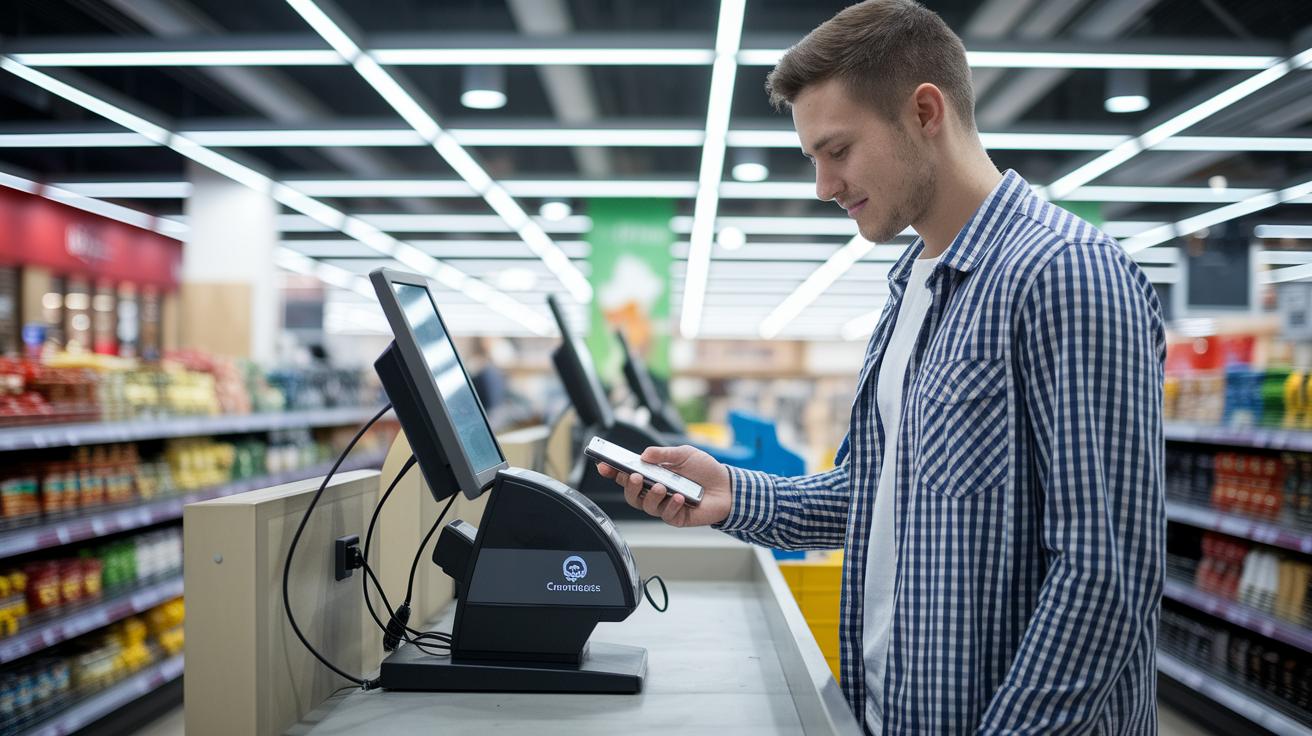
Buy-Now-Pay-Later services are growing fast, letting people buy now and pay later in easy, interest-free installments. Sixty-two percent of finance teams are gearing up to digitize even more payments this year, sparking fresh ideas in digital channels. Contactless fund technology, like NFC-enabled mobile wallets (NFC is near-field communication, which lets your phone talk to payment machines), makes in-store checkouts almost instant.
On top of that, AI-powered fraud detection, AI being artificial intelligence, which helps spot issues quickly, adds an extra layer of safety to every digital payment. Meanwhile, blockchain-based settlement pilots (trials using blockchain, a secure method for recording transactions) are exploring ways to cut down cross-border transfer times. Picture a customer shopping overseas while blockchain speeds up and secures the funds; it’s a setup that builds trust and can boost global sales.
These trends not only speed up transactions but also make using mobile wallets simpler and safer. With improvements in contactless tech and the fine-tuning of blockchain methods, the future of moving money online is set to be smoother, faster, and way more reliable, encouraging businesses to embrace these digital payment innovations.
Final Words
In the action, we broke down how funds flow from customer initiation to final settlement using electronic payment processing. We examined the roles of payment gateways, processors, and merchant accounts while highlighting benefits like cost savings, security, and faster clearances. We even compared top providers and shared a clear integration guide. This review shows that the right digital setup can simplify your transactions and boost confidence in managing market trends. Keep an eye on emerging trends, and move forward with a positive outlook.
FAQ
What is the electronic payment process?
The electronic payment process refers to a complete cycle where funds shift from the customer’s bank through a secure gateway to the merchant’s account, involving data capture, authorization, and settlement.
What are examples of electronic payment processing?
Electronic payment processing examples include credit card transactions, ACH transfers, mobile payment apps, and virtual card payments, each offering a secure and efficient way to transfer funds.
What are electronic payment processing companies?
Electronic payment processing companies like Stripe, Square, and Authorize.net offer digital solutions that securely handle transactions from data capture to final settlement for businesses.
What is an electronic payment processing PDF?
An electronic payment processing PDF usually refers to a document that details the workflow, key components, and benefits of digital transactions, meant to educate or guide users.
How does electronic payment processing work for credit cards?
Electronic payment processing for credit cards involves reading the card’s data, authorizing the transaction through a payment processor, holding the funds temporarily in a merchant account, and then settling the payment.
How do electronic payment processing apps function?
Electronic payment processing apps simplify transactions by securely capturing payment details, connecting with backend processing networks, and authorizing funds quickly for mobile transactions.
What do Electronic Payments Merchant Services mean?
Electronic Payments Merchant Services refer to integrated solutions that help businesses accept, manage, and secure digital transactions through payment gateways, processors, and associated merchant accounts.
What are the types of electronic payment systems, including the four main ones?
The types include credit/debit cards, ACH transfers, mobile wallets, and virtual cards, with these four serving as the primary methods to execute electronic transactions.
Is PayPal a PSP?
The term PSP applies to PayPal, as it acts as a payment service provider that manages electronic transactions through its secure online platform.
Why does Etsy mention payment processing?
When Etsy mentions payment processing, it highlights the automated, secure method used to handle transactions between buyers and sellers, ensuring funds are transferred efficiently.


