
Have you ever thought about turning your home into a Bitcoin mining space? Imagine starting with a chip that costs just $500 to begin earning digital rewards through technology.
With the right hardware and a solid internet connection, you can set up your own mining station that fits your budget and your lifestyle. This guide helps you understand everything, from choosing the best parts to keeping your funds secure.
It might sound tricky, but mining Bitcoin at home can be simpler than you think.
Home Bitcoin Mining Essentials
Imagine turning a $500 ASIC device into a money-making machine, a simple chip built solely for Bitcoin mining that shows home mining can be within reach with the right setup. You need special hardware that runs between $500 and $15,000 with its power measured by hash rates, which are just a way to gauge how many calculations your device handles. Remember, while these machines pack a punch, they also require a lot of electricity, so your energy costs play a big role.
A fast and steady internet connection is a must. When you join a mining pool, every second really counts. Your mining rig has to communicate smoothly and quickly with others to solve challenging puzzles that unlock rewards. Think of it like a race where even a slight lag could mean falling behind.
Setting up your Bitcoin wallet is another key step. For extra peace of mind, many people use a hardware wallet, a small, secure device that keeps your mining rewards safe until you’re ready to use them. It’s a smart way to protect yourself from hacks and theft.
Getting your mining software up and running is pretty simple if you pay attention to the details. First, you need to download a full copy of the blockchain, which is the complete record of Bitcoin transactions. Since it’s huge, this process could take more than 24 hours. Then, you connect your ASIC hardware to the network so it can work round the clock. Follow these steps, and you’ll be well on your way to joining many others who mine Bitcoin comfortably from home.
Choosing and Setting Up Home Bitcoin Mining Hardware
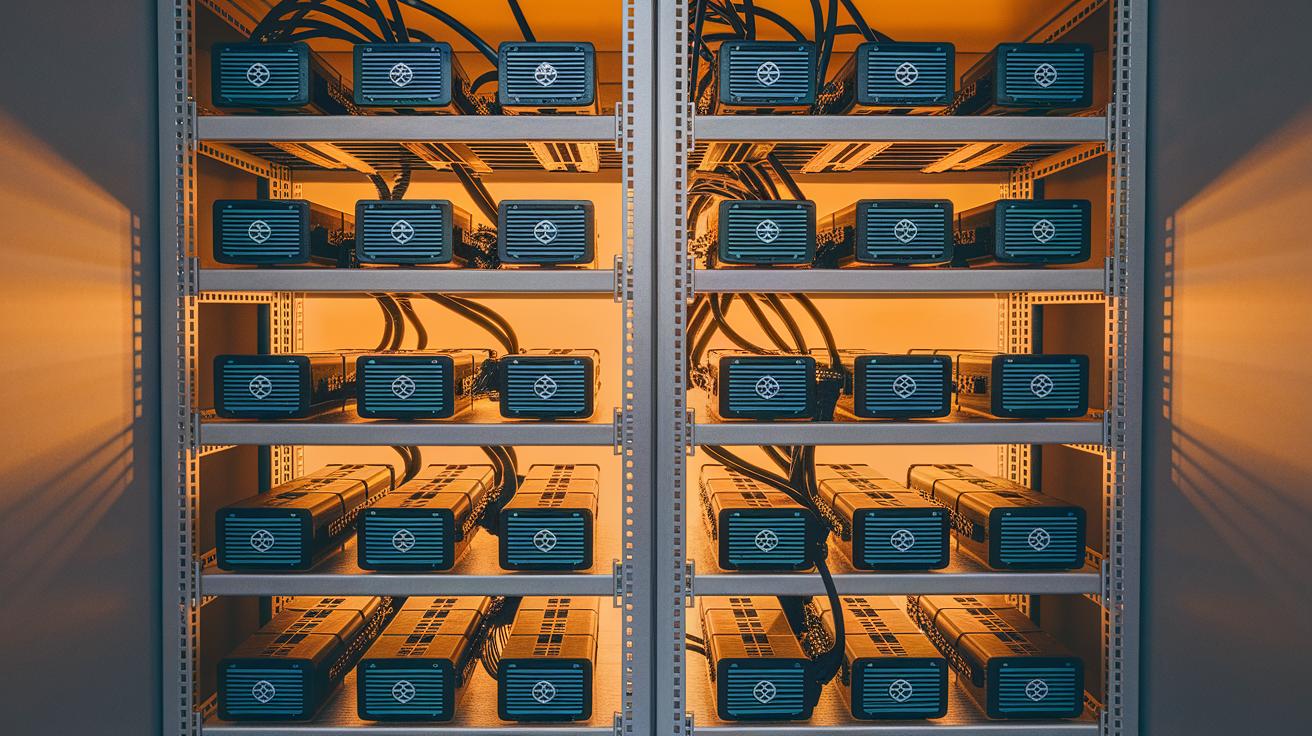
Choosing the right mining hardware is a huge decision if you want to mine Bitcoin at home. It’s like picking the perfect tool for a job, one that can really make a difference. ASIC miners, which are built especially for mining, deliver a lot more power in generating SHA-256 hashes (that means they handle the math tasks of Bitcoin) compared to GPU rigs that some hobbyists might use for other coins. You can find ASIC models starting from around $500, with high-performance ones going over $15,000. It’s pretty amazing to think that a $500 machine can sometimes match the performance of older, high-end GPUs, don’t you think?
When you’re shopping for an ASIC rig, focus on its hash rate (how quickly it can mine) and how much power it uses. Most home setups use rigs that deliver over 100 TH/s, a clear sign of efficiency. But keep in mind that a higher hash rate usually means more power consumption. So, balancing the cost of the device, its performance, and energy usage is really key to making your mining profitable.
Here’s a simple step-by-step guide for setting up your ASIC miner at home:
- Mount your ASIC device on a sturdy rack. A firm setup helps with airflow and keeps everything stable.
- Connect strong power supply units (PSUs) that can handle the extra load. Make sure each connection is secure.
- Carefully attach the data cables to the controller board, which is like the brain of your mining operation.
Once you’ve assembled everything, take a moment to check that no cables are loose – even one loose connection could lower your hash rate or cause overheating. Running some initial tests and keeping an eye on the setup will help you spot any issues early on.
And while GPUs are versatile for various tasks, ASICs are your go-to for Bitcoin mining. Spending a little extra time now on proper assembly can lead to a stable and productive mining system right in your home.
Configuring Mining Software for Home Bitcoin Mining
Now that your hardware is in place, it's time to set up the mining software to link your ASIC rig with the Bitcoin network. Popular programs like CGMiner, BFGMiner, and EasyMiner come with user-friendly command line interfaces that let you tweak performance easily. Install the software on your dedicated mining computer and let the work begin.
First, open up the configuration files. You'll need to add details like pool addresses, worker credentials, and the best clock speeds for your device. Think of it like tuning your radio to the right station, those little adjustments can really boost your performance. For example, you might enter something like, "Enter your pool address – 'stratum+tcp://miningpool.example.com:3333'" so your rig knows exactly where to connect.
Next up, grab a full local copy of the Bitcoin blockchain. Depending on your internet speed, this process might take over 24 hours. Imagine it like setting up a long movie marathon, you’re gearing up for the complete show once everything is downloaded.
And don’t forget the mining pool! Joining a mining pool means you'll share block rewards with other participants through methods like PPLNS (Pay Per Last N Shares, which bases rewards on recent activity) or PPS (Pay Per Share, which pays for each verified share). Each pool has its own fee structure, so take some time to weigh your options.
- Install your chosen mining software.
- Edit the configuration files with your pool address, worker credentials, and clock speeds.
- Download a full copy of the Bitcoin blockchain.
- Pick a mining pool that matches your payout strategy.
Getting these settings right ensures you’re ready for smooth, around-the-clock mining.
Managing Energy Consumption and Costs in Home Bitcoin Mining
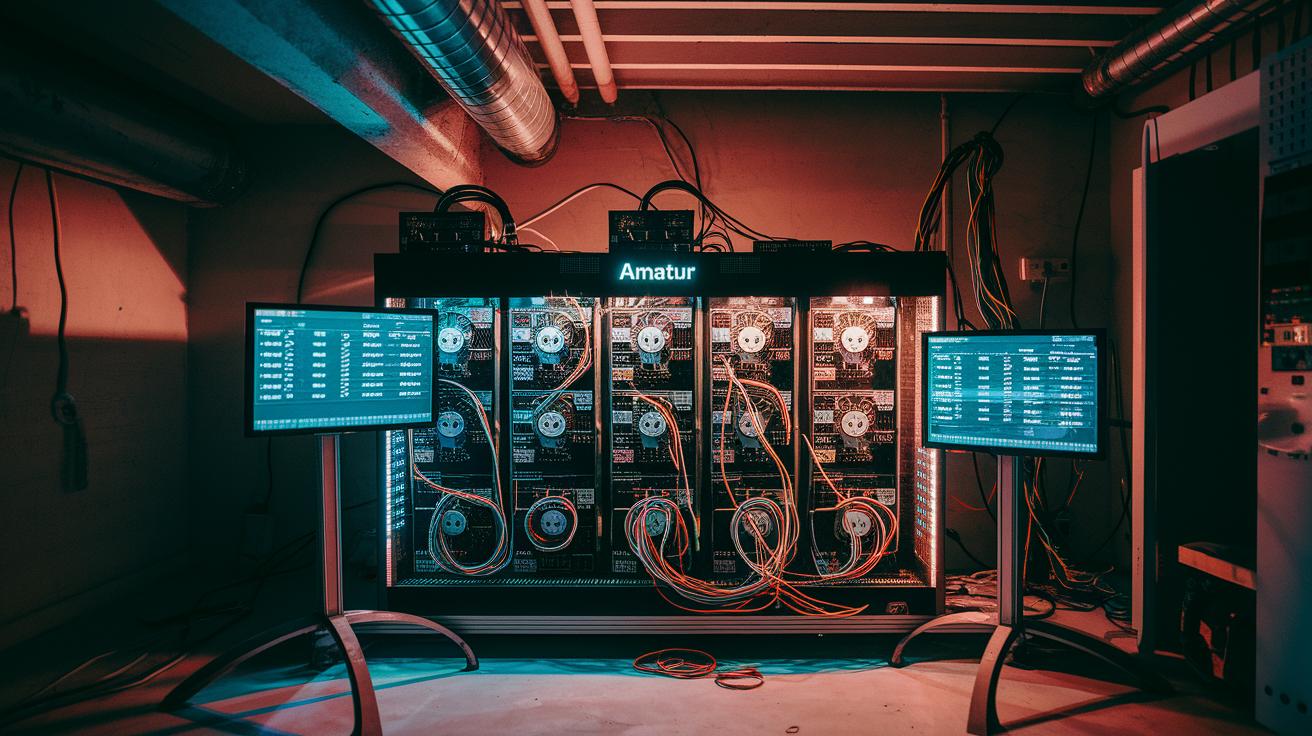
Running a single ASIC rig day in and day out uses about 1.5 kW of power, which means it consumes roughly 36 kWh every day. At an energy rate of $0.10 per kWh, you're shelling out about $3.60 each day just on electric bills. Imagine having several household appliances running at the same time, it's a similar load.
Keeping your energy costs under control is key. Check your local electricity rates because sometimes off-peak hours or renewable energy options can drop your bills by up to 40%. It’s like switching your high-energy machine to a greener, more cost-friendly mode.
Here are some handy tips to reduce energy use:
- Undervolt your ASIC rig to cut down on power consumption without hurting its performance.
- Use dynamic frequency scaling to let your machine adjust its speed based on the work it needs to do.
- Plan downtime for routine maintenance so your rig isn’t using extra power when it doesn’t need to.
At the end of the day, managing power usage isn’t just about the numbers, it’s about making your home mining setup as lean and efficient as possible, so you can increase your net gains without burning a hole in your wallet.
Estimating Profitability and Risks of Home Bitcoin Mining
Figuring out if home Bitcoin mining is a winner is a lot like checking how many slices of pie you have left. Right now, the block reward is 3.125 BTC per block, that’s the bonus you get when you solve a block, and remember, this reward will cut in half every few years. So, you start by taking your expected earnings and then subtracting key costs like the price of your mining gear spread over its life, your electricity bill (which is based on how much power your setup uses), and small fees from mining pools that help increase your chance of success.
Some important factors to include in your calculations are:
- The cost of your mining hardware spread out over its useful life
- Daily or monthly electricity costs based on how much power your rig drinks
- Fees charged by mining pools that combine resources for higher success rates
Market shifts are another big deal. Bitcoin prices can bounce around, sometimes by more than 10% in a single day, making your break-even point feel a bit like riding a roller coaster. One minute, you could be up; the next, you might see a sudden drop. And don’t forget, the coins you mine count as income, so you need to note their fair market value as soon as you get them for tax reasons.
When you add up everything, it’s all about comparing what you earn after costs to what you initially invested. Even if your monthly earnings look good, heavy costs can squeeze your profit margin. And if Bitcoin prices fall or your hardware has issues, what looked like profit can quickly turn into a loss. Keeping an eye on market trends and running different what-if scenarios can help you manage these risks better.
Troubleshooting and Maintenance for Home Bitcoin Mining Rigs

Keeping your mining rig chugging along all day and night can sometimes be a challenge. You might run into problems like a fan burning out, chips getting too hot, or a power supply unit glitch. These issues can slow down your mining or even shut things off completely. That’s why it’s smart to set aside a little time every month to update your firmware and drivers, they patch up vulnerabilities and boost performance.
Routine upkeep goes a long way in extending your rig’s life. Simple tasks, such as dusting off your components and reapplying thermal paste (a goo that helps keep ASIC chips cool), can improve performance by about 20%. Plus, monitoring tools like HiveOS and Awesome Miner are real lifesavers. They give you a heads-up if you see hash rate dips or temperature spikes, so you can act fast when the heat goes above safe limits.
| Task | How Often |
|---|---|
| Check for fan and PSU issues | At least once a week |
| Update firmware and drivers | Regularly, even if systems seem stable |
| Clean dust and replace thermal paste | Every few months |
By staying on top of these small tasks, you can keep your rig running smoothly and avoid unexpected downtime. It’s all about catching little issues before they turn into big problems.
Security and Safety in Home Bitcoin Mining
When you set up your Bitcoin mining at home, keeping your digital coins safe is the first step. Start by protecting your digital assets with hardware wallets like Ledger Nano S or Trezor. These devices store your keys offline (meaning they're not linked to the internet), which drastically cuts the chance of hacking. It’s like keeping your coins in a safe deposit box that only you can unlock.
Next, add a strong firewall and VPN to your setup. Think of your firewall as a solid gate that stops unwanted visitors before they even get near your mining rig. Together, these tools build a tough wall of protection around your system.
Your physical setup matters too. Check that all your wiring meets safety codes, with proper electrical connections, surge protection, and fire-rated cables. This is a bit like doing routine home repairs that prevent small issues from becoming big problems. For instance, using surge protection is just as crucial as having a smoke detector, it alerts you early before any potential disaster happens.
And don’t forget about noise control. Using noise reduction methods like acoustic enclosures and anti-vibration mounts can keep your space calm and quiet while your mining equipment runs efficiently.
- Use hardware wallets for offline storage.
- Set up a firewall and VPN.
- Install proper wiring and surge protection.
Scaling and Future Trends for Residential Bitcoin Mining
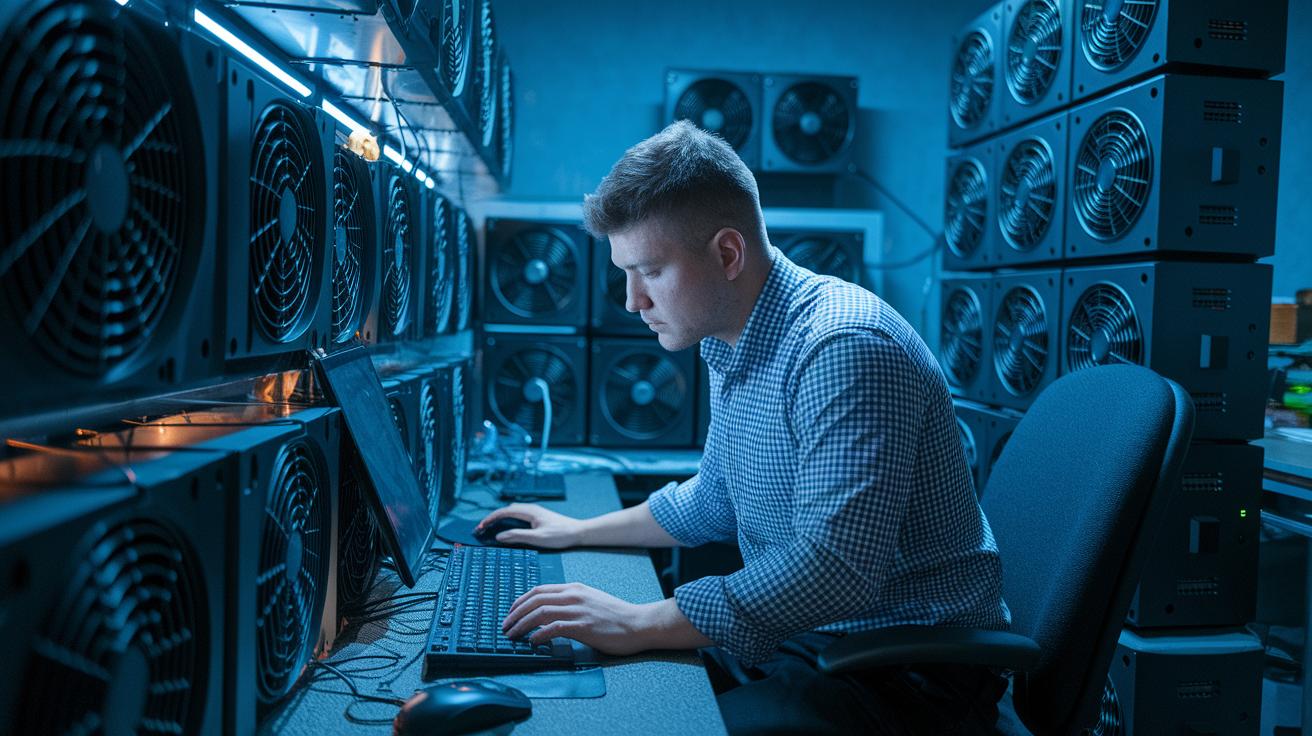
Home mining isn’t just a one-and-done project. Many miners are finding clever ways to expand their setups without buying tons of extra hardware. For example, cloud mining lets you rent hash power instead of managing more rigs in your own space. It’s a bit like renting a flashy sports car, you get to enjoy the ride without the hassle of maintenance, even if it comes with a few extra fees and some added risks.
As the mining process gets tougher and rewards shrink over time, joining several mining pools can be a smart play. This strategy spreads out the risk and can provide steadier returns, especially when you use simple, auto-tuning tools that keep your rig running smoothly.
New cooling methods, like liquid cooling, are helping keep your equipment at just the right temperature even when you’re running multiple devices. And with breakthroughs in solar power integration, it's becoming easier to fuel your rigs with clean, renewable energy, cutting down those high electricity bills.
Rules and energy policies change frequently, too. Depending on where you live, new regulations might tweak your profitability or even alter the setup you need. It’s kind of like tending to a garden; you’ve got to stay on top of the changes to keep things blooming nicely.
- Explore cloud mining options
- Consider diversifying into multiple pools
- Keep an eye on new cooling and power techniques
- Stay informed on regulation and energy policy shifts
Final Words
In the action, we explored the essentials of home bitcoin mining, from choosing the right hardware and setting up mining software to managing energy costs and ensuring safety. We covered the step-by-step setup, troubleshooting common issues, and evaluating profitability, all while emphasizing reliable security measures and emerging trends.
This guide shows you how to mine bitcoin at home with a clear understanding of each element. It leaves you confident and ready to make savvy, informed decisions with a smile.
FAQ
What does Bitcoin mining software do?
Bitcoin mining software manages mining hardware by connecting it to the network, setting pool addresses, and monitoring performance. It simplifies operations with tools like CGMiner and EasyMiner for efficient, continuous mining.
How does mining cryptocurrency on a PC work?
Mining on a PC involves running mining software with either a GPU or low-powered hardware to compute complex algorithms. While feasible, it’s less efficient than ASIC rigs and may yield limited profits.
How is Bitcoin mining profitability determined?
Bitcoin mining profitability hinges on factors like hardware costs, electricity expenses, and mining difficulty. Calculating net earnings after costs helps decide whether mining is a worthwhile investment.
What are Bitcoin mining machines and rigs?
Bitcoin mining machines, or rigs, are specialized hardware—often ASIC-based—designed for mining. They deliver higher hash rates compared to GPUs and require proper power, cooling, and network setups to operate smoothly.
What is a Bitcoin mining app?
A Bitcoin mining app offers a mobile dashboard for monitoring mining performance, checking earnings, and managing hardware remotely, though actual mining still relies on dedicated equipment.
Why does crypto mining create noise?
Crypto mining creates noise from high-speed fans and cooling systems in ASIC machines. These components work continuously to offset heat buildup during 24/7 operations, resulting in a constant hum.
How long does it take to mine 1 Bitcoin?
Mining one Bitcoin varies by hardware efficiency, mining difficulty, and pool performance. For home miners, it can take months or even years, making it vital to balance costs with potential rewards.
Can Bitcoin be mined by oneself?
Mining Bitcoin solo is possible using dedicated hardware but is fiercely competitive. Most miners join pools to share resources, resulting in more frequent, albeit smaller, earnings.
Is home Bitcoin mining still possible?
Home Bitcoin mining remains a viable option with affordable ASIC devices and favorable power costs. Still, careful analysis of setup expenses, power consumption, and maintenance is necessary for success.
How do beginners start mining Bitcoins?
Beginners start by assembling a mining rig, installing relevant software, and joining a mining pool. Learning hardware requirements, power costs, and pool strategies can make entry into Bitcoin mining smoother.
What alternative coins can be mined?
Alternatives like Dogecoin, Ethereum, Monero, Litecoin, and Bitcoin Cash each use unique mining algorithms. Researching each coin’s hardware needs and profitability is key before starting any mining operation.


