
Ever wondered if your business could run more smoothly without all the extra steps? Smart contracts make that possible by automatically completing agreements once specific conditions are met (think of it as a built-in check that speeds everything up).
No more waiting around for extra reviews or dealing with high fees from middlemen. Imagine replacing a slow, clunky process with one that works quickly and precisely every time. These digital agreements help lower costs and boost efficiency, keeping your business ahead in a competitive market while ensuring your operations remain simple and secure.
Key Advantages of Smart Contracts for Business Operations

Smart contracts are digital agreements running on blockchain. They automatically carry out terms when specific conditions are met, so there’s no need for extra middlemen like lawyers or brokers. This not only speeds up the process but also helps cut down on errors.
Using smart contracts turns everyday business tasks into more efficient and cost-effective steps. With everything automated, companies enjoy faster transactions and tighter control over operations. It's kind of like swapping out a clunky machine for one that runs smoothly every time.
- Automation: The terms execute on their own, which means fewer manual tasks and a lower chance of mistakes.
- Cost Savings: Ditching intermediaries cuts down on extra fees, saving money.
- Speed: Transactions move quickly, getting deals done in a snap.
- Accuracy: Consistent, automatic enforcement makes sure all rules are followed exactly.
- Trust: Seeing clear, open execution builds confidence among everyone involved.
Together, these benefits lead to visible improvements. By reducing errors and lessening administrative headaches, companies can focus more on growth and innovation. Faster, cheaper transactions also provide a solid edge in today’s competitive market.
Automation and Cost Reduction with Smart Contracts in Business

Smart contracts cut out middlemen like lawyers and brokers, which means lower fees and less paperwork for everyone. Switching from old-fashioned paper methods to these automated agreements makes everything run smoother, imagine replacing a slow, clunky system with one where approvals happen almost immediately.
By turning contract details into computer code, smart contracts enforce rules on their own. This speeds up work and reduces mistakes. Think about a process that used to need many manual checks; now it wraps up quickly, much like watching a timer countdown to zero.
One company found that automating everyday checks slashed its contract management costs and eased its workload. Picture a system where these checks occur like clockwork, saving both time and money while keeping errors to a minimum.
Enhanced Security and Trust via Blockchain-based Smart Contracts
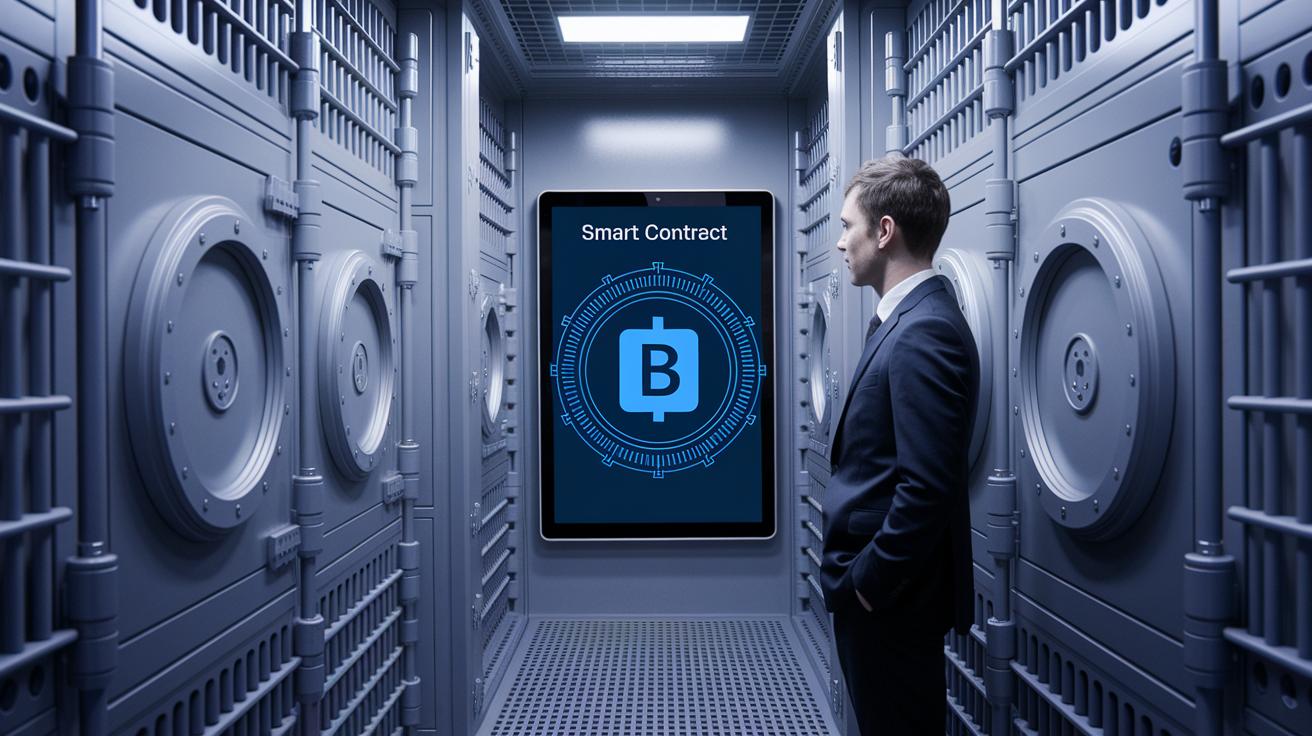
Smart contracts use blockchain encryption to lock in your details so that no one can change them without permission. Think of it like storing your document in a tamper-proof vault, once it’s inside, its details stay exactly the same forever. The blockchain is like a giant, shared notebook where every move is written down permanently, making it nearly impossible for anyone to sneak in an offhand edit. Ever notice how some things, once set, feel as solid as a sculpture carved in stone?
Blockchain’s open setup means everyone involved can see all the details of the contract. Automated checks run in the background, verifying each step to cut down on mistakes and fraud. With every action clearly recorded and available for a quick review, trust builds naturally among all parties. In the end, smart contracts turn complicated agreements into straightforward and secure transactions that anyone can easily follow.
Transparency and Compliance Gains from Smart Contracts in Business Processes

Smart contracts give everyone a clear view of contract details and show progress in real time. You see exactly when each condition is met, much like watching a live update on your bank account after every transaction.
Each recorded transaction is permanent, creating a rock-solid audit trail. Once data is entered on the blockchain, it stays unchanged. This builds trust by ensuring that regulators and auditors can review all the details without any doubt.
Smart contracts also handle compliance automatically by enforcing every rule without needing manual checks. This technology works like a tireless coach, ensuring that all requirements are met precisely, which greatly reduces errors.
By relying on code to enforce terms, smart contracts help prevent disagreements. With every step executed just as intended, there's less chance for misunderstandings, almost like having a fair referee to keep each play transparent and smooth.
Real-World Industry Use Cases of Smart Contracts in Business

Smart contracts are changing the game for many industries by automating tasks that used to take a lot of time and manual effort. They simplify complex processes, boost transparency, and cut processing times significantly. In finance, smart contracts help settle deals faster and slash the time needed for reconciliation. In supply chains, they verify payments on the spot and enable live tracking, making sure everyone stays in the loop. Even fields like real estate and healthcare gain big advantages, with smoother property transfers and secure ways to share sensitive data.
| Industry | Use Case | Main Benefit |
|---|---|---|
| Finance | Automated settlements and quicker reconciliation | Speedier processing with fewer mistakes |
| Supply Chain | Instant payment checks and real-time tracking | Better coordination and improved cash flow |
| Real Estate | Tokenization of assets for property transfers | Simpler and faster transactions |
| Insurance | Self-executing policies for claims handling | Quick claims processing with less paperwork |
| Healthcare | Secure patient data sharing with consent management | Stronger privacy and regulatory compliance |
These examples show how smart contracts are turning old-school methods into efficient, reliable operations across industries. If you’re curious about even more cutting-edge solutions and evolving business trends, check out these innovative business models.
Benefits of smart contracts in business: Efficiency Wins

Planning and Requirements Gathering
When starting out, you need to set clear goals, map your business rules, and choose a blockchain platform that fits your needs. Imagine gathering a close-knit team of blockchain developers, legal experts, security pros, and business analysts who work together like old friends crafting a smooth plan. It’s a bit like putting together a blueprint that makes everything easier down the road.
Development and Testing
Next, you write the contract code using tools like Solidity or Chaincode, which help you create rules in plain language. Then comes testing, running your code on trial networks to catch any bugs early. Think of it like doing a dress rehearsal before a big show; multiple tests help iron out any kinks, ensuring your smart contract runs smoothly when it matters most.
Deployment and Monitoring
Once you’re confident in your code after thorough testing, you deploy your smart contracts on the main network. Setting up simple monitoring tools is like installing a friendly watchdog that keeps track of how things are ticking. Regular checks ensure that any issues are spotted and fixed on time, keeping your system as reliable as your favorite clock.
Governance and Updates
Finally, it’s important to set up a clear process for making changes over time. Regular reviews combined with automated compliance checks help you update terms and maintain consistent oversight. This means your contracts stay fresh and fully aligned with your business goals, adapting naturally as market demands shift.
Measuring and Maximizing ROI of Smart Contracts in Business

Smart contracts offer a real chance to see exactly how your investments are paying off. When we measure ROI, or return on investment, we’re talking about the clear effects on saving money and boosting efficiency. This helps businesses understand how smart contracts can really simplify everyday operations.
You can track their performance with a few key numbers. For example, transaction throughput (TPS) tells you how fast transactions are processed, and calculating cost savings shows how business expenses drop by removing extra fees. We also look at how often manual errors pop up and the number of disputes, each indicator is like a friendly check on the system’s smoothness. A quick look at the processing times can reveal improvements in speed, and comparing the upfront costs with ongoing savings gives a solid snapshot of the contract’s value. Many businesses use real-time dashboards to keep an eye on these metrics, much like having a heartbeat monitor for your operations.
It’s all about continuous tuning too. Regular data reviews and small tweaks help the system evolve with market changes, keeping the business agile and prepared for the future. In the end, smart contracts not only streamline processes but also build a strategy that stands the test of time.
Final Words
In the action, smart contracts prove their value by reducing middlemen, speeding up execution, and offering unmatched transparency. We explored how these digital agreements pave the way for automation, cost savings, security, and trust, while also showing real-world applications across finance, supply chain, and beyond.
This approach drives measurable returns and greater confidence in business operations. The benefits of smart contracts in business help create a clearer, more efficient pathway for innovation and success.
FAQ
What are some examples of smart contracts in blockchain and real-world scenarios?
The smart contract blockchain examples include Ethereum-based agreements for token sales, supply chain logistics, automated settlements, and decentralized finance contracts that emphasize efficiency and reduced intermediary costs.
What are the disadvantages of smart contracts?
The disadvantages of smart contracts involve challenges such as coding errors, limited dispute resolution, and difficulties in updating contracts once deployed, which can expose businesses to unforeseen risks.
What are the different types of smart contracts in blockchain?
The types of smart contracts range from simple one-party contracts to multi-signature, DAO-based, and decentralized finance models, each designed to automate specific processes and meet unique business needs.
How do smart contracts benefit business operations and add value?
Smart contracts benefit business operations by automating processes, reducing administrative costs, lowering error rates, and increasing transparency, which builds trust and streamlines transactions in various industries.
How can you make money with smart contracts?
You can make money with smart contracts by developing or investing in blockchain-based platforms, earning from transaction fees, and leveraging operational efficiencies to create new revenue streams within emerging digital ecosystems.


