
Ever wonder why Bitcoin mining feels like a powerful engine running on a fixed track while altcoin mining mixes things up with different setups? Bitcoin mining uses classic math puzzles and sticks to a steady pace, giving miners a dependable beat. Altcoin mining, on the other hand, follows a variety of rules to match different hardware and energy needs. In this post, we'll explore five key differences between these two methods to help you figure out which one fits your mining style best.
Key Bitcoin vs Altcoin Mining Differences at a Glance
When it comes to digital coin mining, the method you pick really matters. Bitcoin sticks with the classic proof-of-work system using the SHA-256 algorithm, a way to secure transactions with complex math puzzles, which confirms transactions roughly every 10 minutes. With a hard cap of 21 million coins and regular halving events to keep supply in check, its predictable pace has won over many miners. Take a look at Bitcoin’s network speed: it jumped from 300 EH/s at the end of 2022 to 610 EH/s by mid-2024. It’s like watching a reliable machine get even stronger over time.
Altcoins, on the other hand, set a different rhythm. Coins such as Ethereum, Litecoin, Dogecoin, and Kaspa often use different proof-of-work techniques or even jump to proof-of-stake, a system where holding coins helps secure the network. They also have shorter block times, sometimes as quick as 2 seconds, so transactions get confirmed much faster. This diversity means miners can choose setups that match their hardware and energy budgets. For instance, while Bitcoin mostly needs specialized ASICs (custom-built mining rigs), many altcoins can work with GPUs (graphics cards), which can be easier on your wallet.
| Feature | Bitcoin Mining | Altcoin Mining |
|---|---|---|
| Consensus Mechanism | Proof-of-Work (SHA-256) | Varies (PoW, PoS, Hybrid) |
| Supply Cap | Fixed at 21M coins | Capped or inflationary |
| Block Time | ~10 minutes | 2 sec to 2.5 minutes |
| Hashing Algorithm | SHA-256 | Scrypt, Ethash, KHeavy, etc. |
| Difficulty Trends | Up 135% recently | Variable with algorithm |
| Hardware Type | Specialized ASICs | Often GPU or hybrid systems |
This comparison shows that Bitcoin mining delivers steady, tried-and-true stability while altcoin mining offers speed and various operational models. Fun fact: some altcoins can process transactions in just seconds, offering a refreshing challenge to Bitcoin’s more deliberate pace.
Understanding the Bitcoin Mining Process
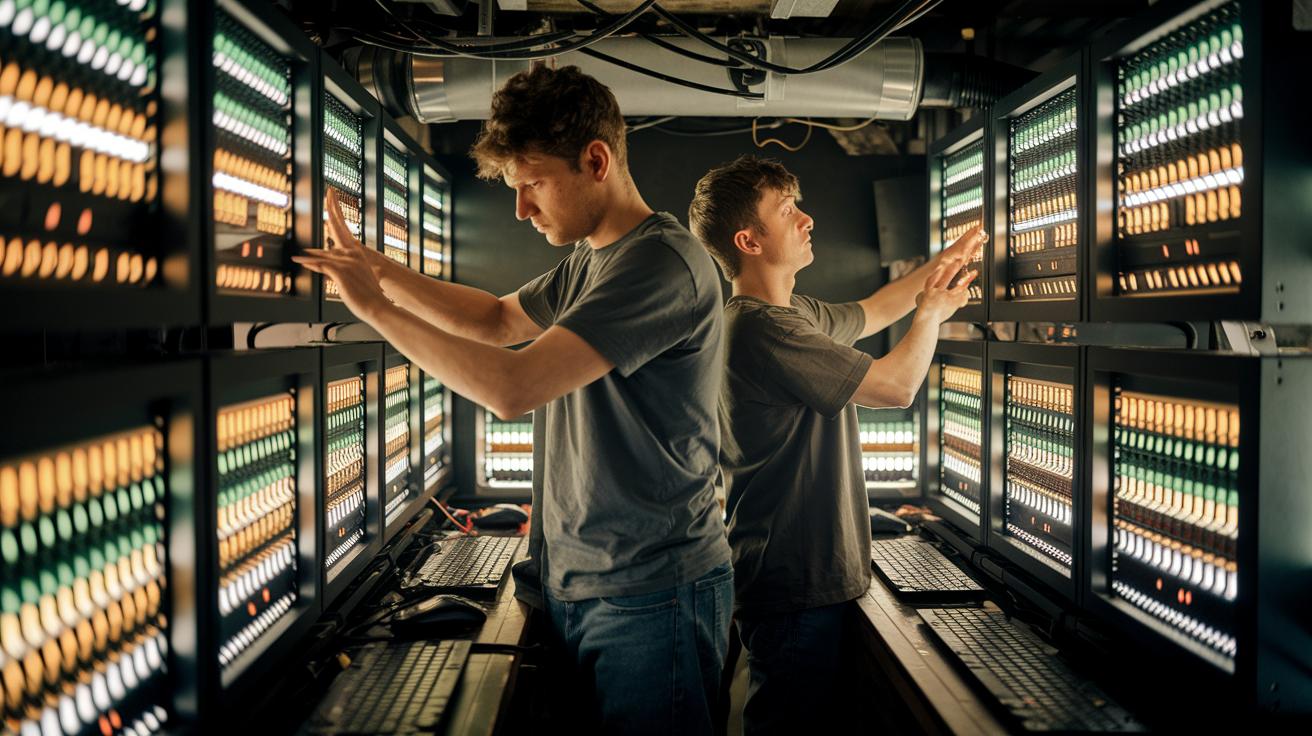
Bitcoin uses a proof-of-work system, which means miners solve tricky puzzles using the SHA-256 algorithm. In simple terms, each miner tweaks a value called the nonce to create hashes until they hit upon the one correct answer. Think of it like fishing in a vast ocean with only one golden fish, only one specific match exists among countless tries. It’s a bit like guessing the winning number in a lottery where the rules keep changing.
Over the past 18 months, the network’s hash rate has jumped from 300 EH/s to 610 EH/s. This rapid growth has upped the competition, forcing miners to deal with higher energy needs and the extra heat from their machines. To keep up, they’re improving their hardware with better chip designs and cooling techniques, which helps ensure that a new block is still produced roughly every 10 minutes despite the increased challenge.
Every 210,000 blocks, a halving event cuts the rewards in half. This built-in reduction helps enforce Bitcoin’s fixed supply of 21 million coins. As rewards shrink, miners must work with tighter profit margins, balancing the cost of advanced technology against smaller payouts, sort of like fine-tuning an engine when fuel gets more expensive.
Exploring Altcoin Mining Methods
Altcoins often use proof-of-work, which means they solve puzzles using different kinds of algorithms designed for their network needs. For example, Litecoin relies on Scrypt, Ethereum (before its big change) used Ethash, and Kaspa opts for KHeavy. It’s like picking a tool that fits the job, the right choice can make all the difference.
Some networks have switched things up. Instead of mining, they’ve moved to proof-of-stake or even mixed in hybrid methods. Ethereum, for instance, now uses staking instead of mining, which cuts down on energy use a lot. Imagine replacing an old, fuel-hungry engine with a sleek, energy-efficient electric motor that runs cooler and smoother.
Block times and supply models can be just as different. Some altcoins wrap up transactions in about 2 seconds, while others like Litecoin might take up to 2.5 minutes. And then there’s the supply mechanism: some coins have a set limit on how many there can be, while others add new coins over time, slowly increasing the total. Picture it like two factory lines, one churning out small batches quickly, and the other taking a steadier, more deliberate pace.
5 bitcoin vs altcoin mining differences: Smart Comparison

Bitcoin mining relies on specialized equipment called ASICs. These machines run on the SHA-256 algorithm and typically cost about $5,000 each. They shine when it comes to energy use, measured in joules per terahash, which tells you how much energy is needed to solve those tricky math puzzles quickly.
Altcoin mining, on the other hand, usually uses GPU-based systems. GPUs can handle a variety of algorithms like Ethash (used by Ethereum, for instance) and Scrypt. They generally come in at a lower price, around $1,500 to $3,000, and even though they may not match ASICs in raw energy efficiency measured in J/TH, they offer a flexible performance across different coin algorithms when measured as megahashes per watt. This means you can easily switch between altcoins as market trends change.
| Comparison Aspect | Bitcoin (ASIC) | Altcoins (GPU) |
|---|---|---|
| Hardware Type | ASIC | GPU |
| Initial Investment Cost | About $5,000 each | $1,500–$3,000 per rig |
| Energy Efficiency | Measured in joules per terahash (J/TH) | Measured in megahashes per watt (MH/s per watt) |
| Cooling Needs | High-performance cooling required | More modest cooling setups |
| Hash Rate Performance | Higher and sustained rates | Flexible and adaptable |
| Depreciation & Resale Value | Might depreciate quickly due to rapid tech shifts | Typically retains value better due to broader usability |
Optimizing your mining setup means balancing the cost of your equipment, power consumption, and cooling expenses. Whether you're set on a dedicated Bitcoin mining operation or the flexible world of altcoins, fine-tuning these factors can help you run a more cost-effective and smart mining operation.
Cost and Profitability Analysis in Bitcoin vs Altcoin Mining
Miners spend a lot on both hardware and energy in Bitcoin and altcoin mining. When you mine Bitcoin, the rigs are typically expensive and use plenty of power, which means higher running costs. On the other hand, altcoin mining might let you use cheaper equipment that doesn’t gulp as much energy. Picture it like choosing between a $5,000 rig and one that fits a tighter budget, you might break even at very different times.
Sure, keeping the machines running smoothly and cool does add extra expenses, but we’ve already touched on that. Now, let’s chat about some unique factors that can really change the financial outcome.
A growing number of miners are turning to renewable energy to cut down on their electric bills. They’re setting up solar panels and wind turbines, just like families do to lower their monthly bills. Imagine a miner who installs wind turbines and then sees a noticeable drop on his bill, it can really make a big difference.
Pooling rewards is yet another smart way miners keep their income steady. By joining forces in a mining pool, they share their rewards, which helps smooth out the ups and downs when market prices are unpredictable. It’s like sharing a pie equally among friends on a day when one friend might otherwise grab a bigger slice, everyone gets a fair share, no matter what the market throws at you.
Environmental Impact and Sustainable Strategies in Bitcoin vs Altcoin Mining
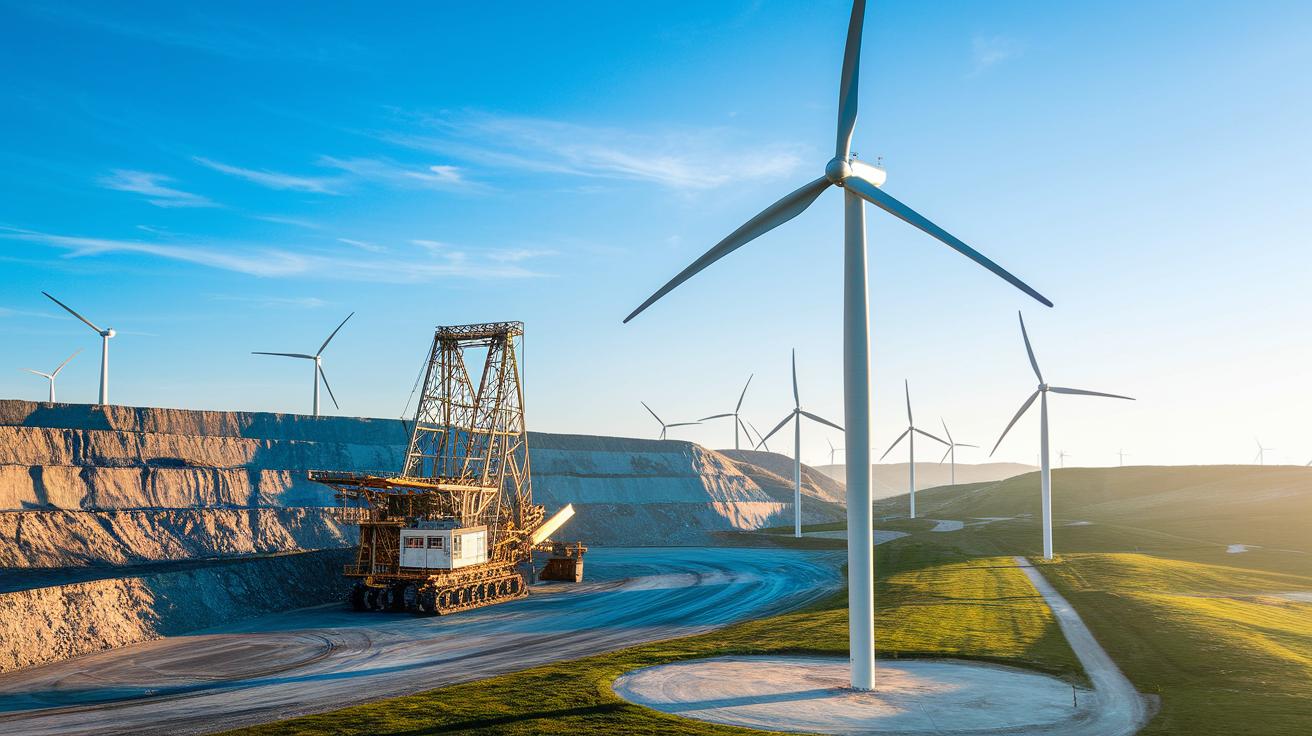
Bitcoin’s proof-of-work system uses a huge amount of energy, almost like lighting up a small town. Many altcoins, on the other hand, rely on proof-of-stake or hybrid models that can cut energy use by up to 99%. Picture it like a factory replacing clunky, old machines with modern, energy-saving ones; that switch makes a big difference. This clear contrast is why understanding each mining method’s environmental impact is so important.
Some miners are already taking a green turn by using renewable energy sources such as solar panels and wind turbines. For example, a mining operation might set up a small wind farm to help power its equipment, easing the strain on traditional energy grids. Others have even turned to waste heat recovery systems, capturing extra warmth from their machines to heat nearby buildings. These real-life cases show that using cleaner energy not only cuts costs but also supports eco-friendly goals.
Industry players are increasingly embracing sustainability, teaming up with carbon offset programs and reusing waste heat to lower overall emissions. These efforts prove that it's possible to run efficient mining operations while reducing our environmental footprint, paving the way for a more sustainable future in crypto mining.
Centralization Trends, Regulatory Risks, and Future Outlook for Bitcoin vs Altcoin Mining
Bitcoin mining pools often hold more than half of the network's power, making it very tough for small miners to earn rewards. It’s a bit like joining a game where a few top teams always win, leaving the rest on the sidelines. While altcoin mining tends to be more spread out among different players, Bitcoin’s concentration remains a serious operational risk.
Governments in places like China and the United States are stepping in with new rules that are changing where and how mining is done. These stricter guidelines mean miners sometimes have to upgrade their tools or even relocate. Imagine a miner upgrading software or cooling systems just like a homeowner updating fixtures to meet new building codes. These changes influence the overall cost and where miners choose to set up shop.
New technology is also shaking things up for both Bitcoin and altcoin mining. For Bitcoin, upgrades like Taproot and improvements in the Lightning Network could boost efficiency and security. Altcoins are testing cross-chain bridges to help different networks work better together. It’s a lot like updating your smartphone, each new update brings better features and smoother performance. To stay competitive, miners have to keep adapting their strategies and equipment in this fast-changing market.
Final Words
In the action, this article broke it all down, from Bitcoin's proof-of-work roots and structured halving events to the varied extraction approaches of altcoins. The insights make our comparisons clear and relatable, especially when looking at bitcoin vs altcoin mining differences.
We explored hardware choices, energy costs, and even sustainable practices that matter to today’s market. The detailed analysis offers a friendly yet data-driven guide that leaves readers feeling confident as they move forward. Stay positive and keep investing smartly.
FAQ
What is the difference between altcoin and Bitcoin?
The difference between altcoin and Bitcoin is that altcoins use varied consensus models and algorithms, while Bitcoin relies on SHA-256 proof-of-work with a fixed supply and scheduled halving events.
How do altcoins behave vs Bitcoin?
Altcoins behave differently by using alternative algorithms and block times, and in some cases, employing proof-of-stake mechanisms, which creates varied market dynamics and volatility compared to Bitcoin’s more rigid structure.
What is altcoin mining?
Altcoin mining is the process of validating transactions and maintaining the blockchain for non-Bitcoin cryptocurrencies, often using alternative algorithms like Ethash, Scrypt, or hybrid methods rather than Bitcoin’s SHA-256.
Will altcoins outperform Bitcoin?
Altcoins may outperform Bitcoin under certain market conditions and technological upgrades, but their performance depends on market trends, algorithm efficiency, and inherent risks that differ from Bitcoin’s established network.


