
Is Bitcoin mining really stirring up the scene in 2023? With fresh tech upgrades (you know, equipment that works faster and more efficiently) and bold new tactics, miners are hustling in ways we haven’t seen before.
In this article, we’re diving into exciting trends like rising hashrates, a term that shows how quickly mining machines solve puzzles, big investments, and a notable move toward greener operations. These shifts are boosting profits and reshaping the digital money world block by block.
Ever notice how a smart tweak in strategy can change the whole game? Let’s take a closer look at how miners are not only beating expectations but also keeping pace with a fast-changing market.
Key Bitcoin Mining Trends in 2023: A Comprehensive Analysis
2023 turned out to be a big year for bitcoin mining. That year saw fast changes in technology and new ways to run operations that surprised many. Miners updated their strategies, which led to better performance and opened up new ways to make money. In simple terms, the way bitcoins are mined has changed a lot, making it an even more important part of the digital money world.
- Bitcoin’s 7-day average hashrate jumped by 102%, going from 255 EH/s to 516 EH/s, with a peak of 545 EH/s spread over 7 days.
- BlackRock invested in four of the top five bitcoin miners, with these investments adding up to a market cap of $5.4 billion.
- DePIN mining networks caught on, giving rise to options for a more spread-out, or decentralized, physical infrastructure.
- NFT-based mining rights using ordinals helped bring back revenue through transaction fees.
- A growing number of miners switched to using renewable energy, showing a clear move towards sustainable mining.
- New extraction models have pushed the market into exciting, uncharted areas.
These trends have changed how miners make profits, even with ups and downs in hashprice and rising costs. By using greener methods and trying new mining techniques, miners have managed to cut expenses and work more efficiently. Big investments from institutions, along with these tech advances, have boosted confidence in the market for the long run. New tools and creative ways to earn revenue show that bitcoin mining is in a period of strong transformation, setting the stage for future growth and success.
Technological Breakthroughs Driving Bitcoin Mining Trends 2023
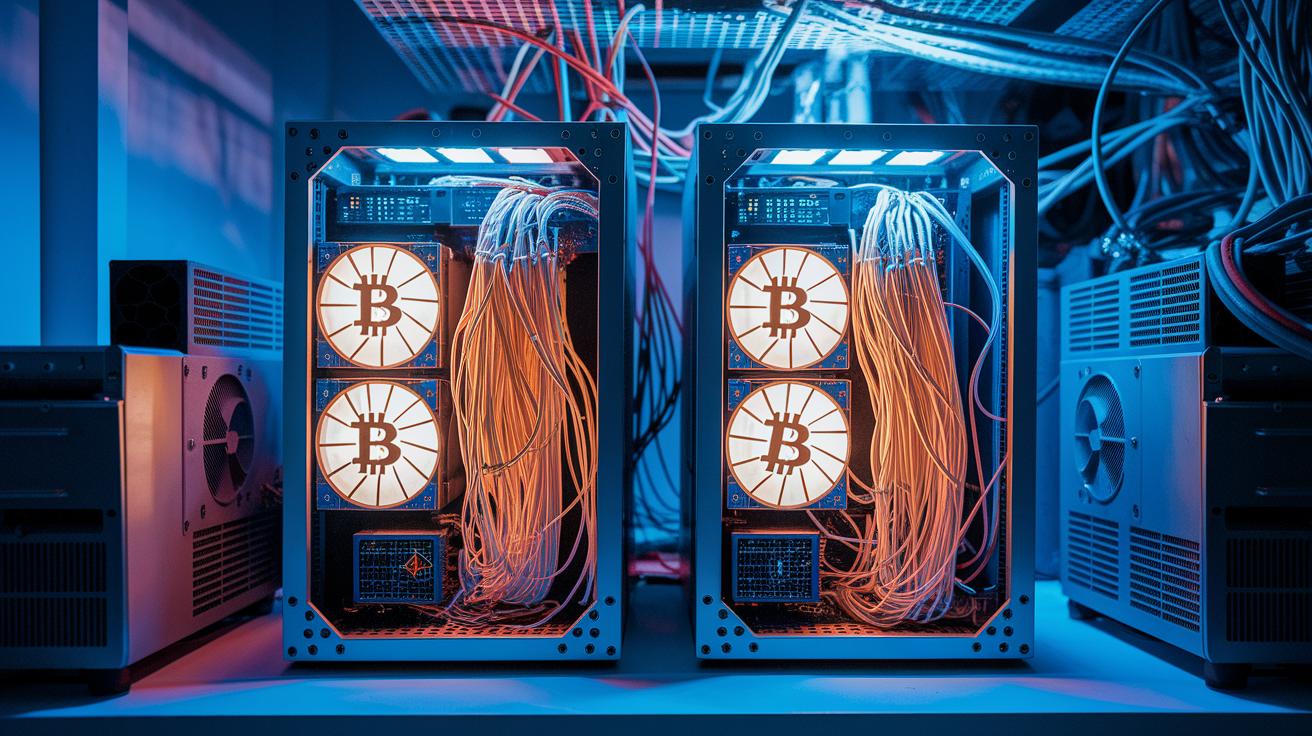
Bitcoin’s hashrate soared in 2023, drastically changing how mining rigs perform. We saw an impressive 102% jump, from 255 EH/s to 516 EH/s in just one week, with peaks touching between 510 and 545 EH/s over a month, clearly showing that rigs are crunching data faster and more securely. It’s like upgrading your engine to a high-performance sports model without using extra fuel. This boost means miners can work more steadily, handling tougher computations without missing a beat.
In the fourth quarter, ASIC miner prices dropped to new lows, sparking rapid upgrade cycles across the industry. With these lower prices, miners are retooling their operations to take advantage of a refreshed market dynamic. Imagine finding a top-tier laptop at a steep discount, suddenly, everyone can boost their performance without stretching their budgets. This price drop not only motivates hardware refreshes but also opens the door for more players to join the mining game.
Next-generation chips are stepping up even further thanks to breakthroughs in cooling and thermal management. Modern chip designs now come with smart cooling features that prevent overheating, keeping processing speeds high over long periods. Think of it like a smartphone that runs heavy apps without ever getting too hot. These improvements make mining hardware more reliable and efficient, and we expect these gains to push the boundaries of bitcoin mining even further.
Profitability Assessment in Bitcoin Mining Trends 2023
Bitcoin mining in 2023 was a mix of highs and lows. Miners saw their daily earnings take a hit because the price per unit of computing power, or hashprice, was bouncing around a lot. For instance, the US hashprice jumped by 71%, going from $59.42 to $101.78 per PH/day. However, over the year the average hashprice only reached $74.73, which is about 40% less than last year’s average of $123.87. This kind of swing really got everyone's attention as thinner profit margins meant miners had to work even harder to balance their books.
| Metric | 2022 | 2023 |
|---|---|---|
| Annual avg hashrate (EH/s) | 220 | 382 |
| Annual avg hashprice ($/PH/day) | 123.87 | 74.73 |
| US power price change | +X% inflation | –Y% slight decline |
Cost-cutting became a top priority this year. Even though US industrial power prices and hosting rates dipped just a bit, those small savings weren’t enough to fully ease the pressure. Many miners found themselves rethinking how they handled expenses because the drop in average hashprice squeezed their profit margins further. Keeping a tight watch on power consumption and cutting down hosting fees ended up being key to staying profitable. In fact, miners who managed their operating costs well were much better prepared to handle the unpredictable swings in the market.
Sustainable Extraction Methods in Bitcoin Mining Trends 2023
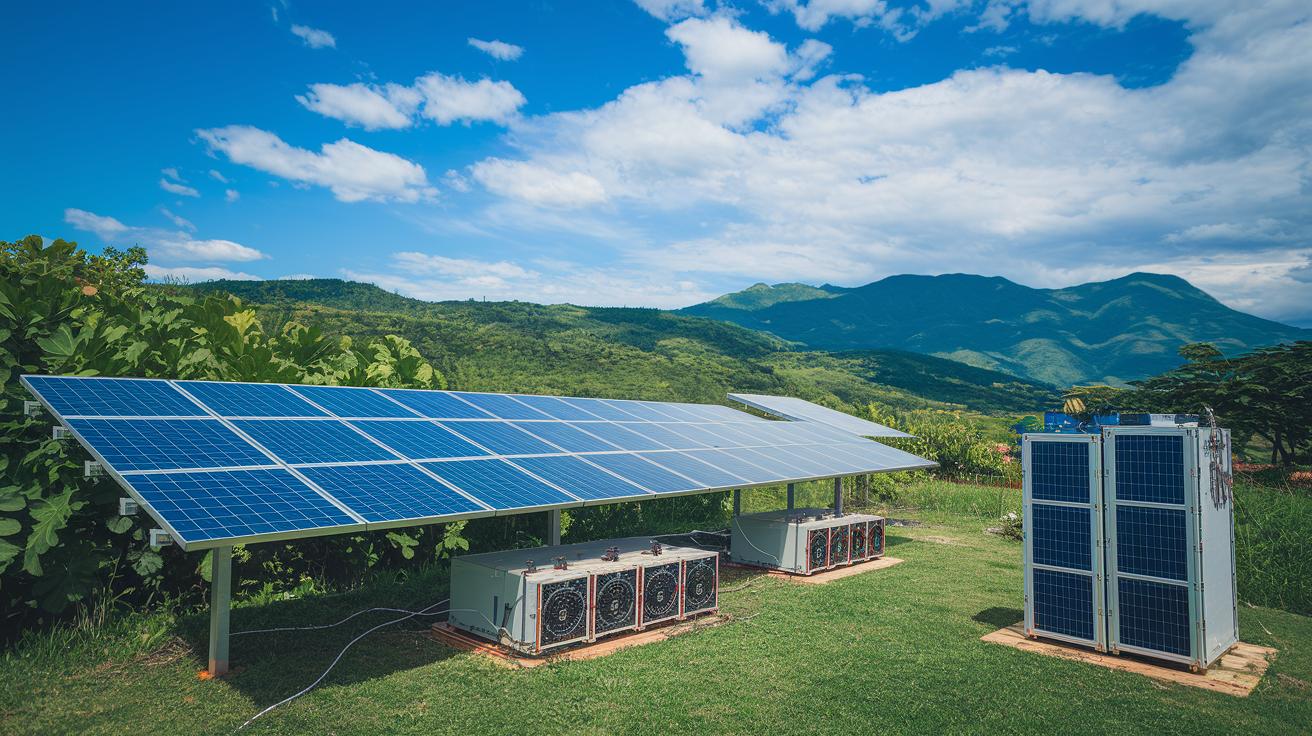
In 2023, miners began changing their ways to save energy and reduce waste. Instead of sticking to old ASIC farms that guzzle power, many miners found that using cleaner sources like solar, wind, and water energy can balance a huge demand, up to 1.5 GW. And here's something surprising: many miners discovered that reusing older hardware can significantly trim expenses while reducing waste. It’s a win-win for both the wallet and the planet.
Many companies are also turning to renewable power to boost energy efficiency. When you use clean energy, you not only lower your costs but also protect yourself from sudden changes in energy prices and tighter regulations. This smart move is creating room for innovative ideas like decentralized physical infrastructure and NFT mining models. It feels a bit like putting together a puzzle, where every new piece of clean energy makes the picture brighter. For more on this exciting trend, check out the article on the future of energy production here: https://microcapnews.com/?p=1447.
Regulatory and Institutional Impact on Bitcoin Mining Trends 2023
US states are busy crafting new "right to mine" laws that would treat bitcoin miners like traditional data centers. This update aims to clear up legal gray areas and set common standards for everyone in the industry. Lawmakers want mining rules to match those for other tech sectors, giving miners clear legal support and preventing uneven treatment in today’s competitive market.
Recent legal rulings have changed the game for mining oversight. For example, Grayscale’s win in court against the SEC has opened the door for a potential bitcoin ETF, sparking more attention and regulatory action from the government. And when Binance settled $4.3 billion in money-laundering charges in the US, it led to a major shake-up in its compliance and leadership. These actions show that authorities are stepping up their efforts to enforce sound financial and operational practices in the sector.
Big financial institutions are also stepping into the picture. BlackRock’s $5.4 billion investment in top bitcoin miners signals that major players are starting to pay closer attention to crypto operations. This infusion of capital not only boosts market confidence but also pressures miners to improve their operational standards and compliance. As more institutional money flows in, the industry becomes more transparent and stable, paving the way for better regulatory relationships and a healthier mining environment.
Emerging Extraction Models in Bitcoin Mining Trends 2023: DePIN and NFT Mining
DePIN mining is all about building networks of physical devices that do a lot more than just hash numbers. Instead of relying only on huge, centralized mining farms, miners can now be part of a bigger, community-driven grid. What does that mean? It means your mining setup can work as a node in a network that helps with things like saving data, keeping you connected, and even managing smart devices. It cuts down on the heavy costs for new players and spreads out risks so anyone can join in the fun, kind of like trading your solo roadside diner for a spot at a bustling community food truck rally.
NFT mining takes a fresh twist on this idea by letting token holders jump in without needing all the expensive equipment. With these models, you can lease or secure mining power using digital inscriptions. In simpler terms, you invest in a share of the mining rights, and then profits get shared among you and others. It makes the whole process more accessible, mixing the old idea of owning assets with the new way of earning from mining. Ever notice how this feels a bit like tapping into a cloud-based service together, where every contributor plays a part in a lively, peer-to-peer setup?
bitcoin mining trends 2023 Exceed Expectations
2023 was a wild ride for bitcoin. Its price jumped nearly 160% to hit about $44,000. Meanwhile, the Crypto Fear & Greed Index climbed to 70.6, which is a clear sign that investors were feeling really upbeat. It’s like watching a quiet machine suddenly roar to life, transforming bitcoin from a niche asset into something everyone’s talking about.
Big asset managers like BlackRock, Fidelity, and Invesco have stepped up their game in bitcoin mining. They’re not just chasing quick gains; they’re investing in a future that looks bright. With a bitcoin ETF on the horizon, these players are showing a real appetite for digital assets. When experienced investors move their money into mining, it’s a strong indicator of broader market support and renewed confidence in the infrastructure that powers digital currency.
Looking ahead, things might get even more challenging. Network difficulty is expected to keep climbing, which means new mining rigs might take longer to pay off. Miners have to juggle the upfront costs with the promise of long-term rewards. So, they’re watching every tech shift and cost change closely, adapting their strategies to stay competitive in this fast-changing digital field.
Final Words
In the action, we explored how bitcoin mining trends 2023 reveal rapid hashrate improvements, fresh tech breakthroughs, evolving profitability shifts, greener extraction methods, tighter regulations, and emerging extraction models. We broke down new hardware advances, cost dynamics, and innovative approaches like NFT-based mining to bring clarity to market movements.
This detailed overview shows promising data insights and a brighter future ahead for investors. Enjoy the positive outlook as you evaluate the market’s ever-changing pulse.
FAQ
Bitcoin mining trends 2023 USA
Bitcoin mining trends in the USA for 2023 highlight a surge in hashrate, increased adoption of sustainable energy, and growing institutional involvement, all driving more competitive and efficient mining operations.
Bitcoin mining trends 2023 PDF
A Bitcoin mining trends 2023 PDF provides a documented analysis that outlines key performance metrics, sustainability shifts, and technological advances crucial for understanding the evolving mining landscape.
How many BTC are mined in 2023?
Bitcoin’s annual issuance in 2023 is estimated at around 328,500 BTC, following the fixed reward schedule without any unexpected protocol changes, ensuring a steady, predictable supply increase.
Are bitcoin miners worth it in 2025?
Bitcoin miners are worth evaluating for 2025 as they could benefit from technological progress and energy cost improvements, although profitability will depend on market conditions and regulatory developments.
Is there a future in bitcoin mining?
The future in bitcoin mining remains promising with trends toward renewable energy adoption, network improvements, and enhanced hardware efficiency, which continue to support its role in digital asset management.
Which crypto mining is profitable in 2023?
In 2023, Bitcoin mining tends to be the most profitable due to its established network, liquidity, and ongoing technological enhancements, though some altcoins may offer niche opportunities based on regional factors.


