
Have you ever thought about what the housing market might look like in 2025? New forecasts point to steadier home prices that could help both buyers and investors feel more at ease. Imagine your car shifting gears smoothly as it settles into cruise control, steady, calm, and promising.
In this article, we share three key predictions that shine a light on the future of housing. Read on as we delve into trends and insights that could open the door to a bright and balanced market ahead.
2025 National Housing Market Forecast: Price Trends and Appreciation
Home-price appreciation in the U.S. is expected to slow down noticeably. Experts say rates will drop from 5.2% in 2024 to about 3.8% in 2025 and settle around 3.6% in 2026. Think of it like a car easing off the accelerator, steady and controlled.
Analysts predict that the median home price will be roughly $410,700 in 2025. By 2026, it could inch up to $420,000, with some estimates from Statista suggesting a median near $426,000 by midyear. Just recently, the data showed an average sale price of $510,300 and a median of $419,200 at the end of 2024. So even as the market cools a bit, there's still a hint of modest growth.
Then there's an interesting twist from Zillow. They foresee a 1.7% price drop between March 2025 and March 2026. This stands in contrast to the steady appreciation seen in other forecasts, kind of like checking two weather apps that don’t quite agree; one hints at rain while the other sees some clear skies. It shows that different forecasts can lead to differing views on what’s ahead.
For investors, home buyers, and anyone watching the real estate scene, these trends suggest a shift toward a more balanced market. Gradual median price increases punctuated by occasional dips reflect a market that is slowly adapting its pace as it moves forward.
Mortgage Rate and Affordability Predictions for 2025 Housing Market

Interest rates for a 30-year fixed mortgage are expected to settle near 6.5% in 2025. In February 2025, the rate was 6.89% after it hit a high of 7.79% in October 2023. Even though the rate is slowly coming down, it’s still going to stay above 6% all year.
Looking ahead, experts see rates staying between 6.5% and 7.5% until 2027, and then easing to a range of 5.5% to 6.0% by 2028 or 2029.
For many homebuyers, these numbers mean real challenges. With affordability being squeezed by high price-to-income ratios, even a tiny shift in mortgage rates can feel like a big change on your monthly budget. Think of it like a weather forecast that warns of scattered showers over a long stretch, the constant drizzle of rates above 6% can really add up.
Here’s an eye-catching fact: Even a 0.5% drop in mortgage rates might save homeowners thousands over the life of a loan. This shows just how closely tied affordability is to rate changes. With mortgage rates moving at a steady clip, it pays to plan ahead and keep a close eye on your budget in a market where both rates and affordability will keep shaping decisions well into 2029.
3 housing market predictions 2025: Bright Future
Right now, few homes on the market are keeping house prices steadily on the rise. When there aren’t many homes to choose from, buyers end up in stiff competition, which pushes prices higher. For instance, in January 2025, nearly 22.4% of homes sold for more than their listing price. This tells us that demand is really strong, mainly because there just aren’t enough homes available.
Builders are trying to balance things out by ramping up construction. Spending on single-family homes is expected to jump by about 13.1% next year and gain another 12.4% in 2026. Imagine watching a builder carefully laying down the foundation in a neighborhood that’s been waiting for a fresh start. Also, more than 500,000 new apartment units are forecast to come on the market in 2025, which should help ease the crowding for many renters. That said, while we might see a flood of apartment units, the number of new multifamily projects might dip in 2026, even as single-family projects pick up pace later on.
All these trends hint at a bright outlook for the housing market. Even small shifts in home supply or building investment can change prices and how buyers feel. While buyers might have some challenges ahead, the market’s overall energy paints a promising picture for the coming year.
Regional Housing Market Predictions 2025: Hot Spots and Lagging Regions
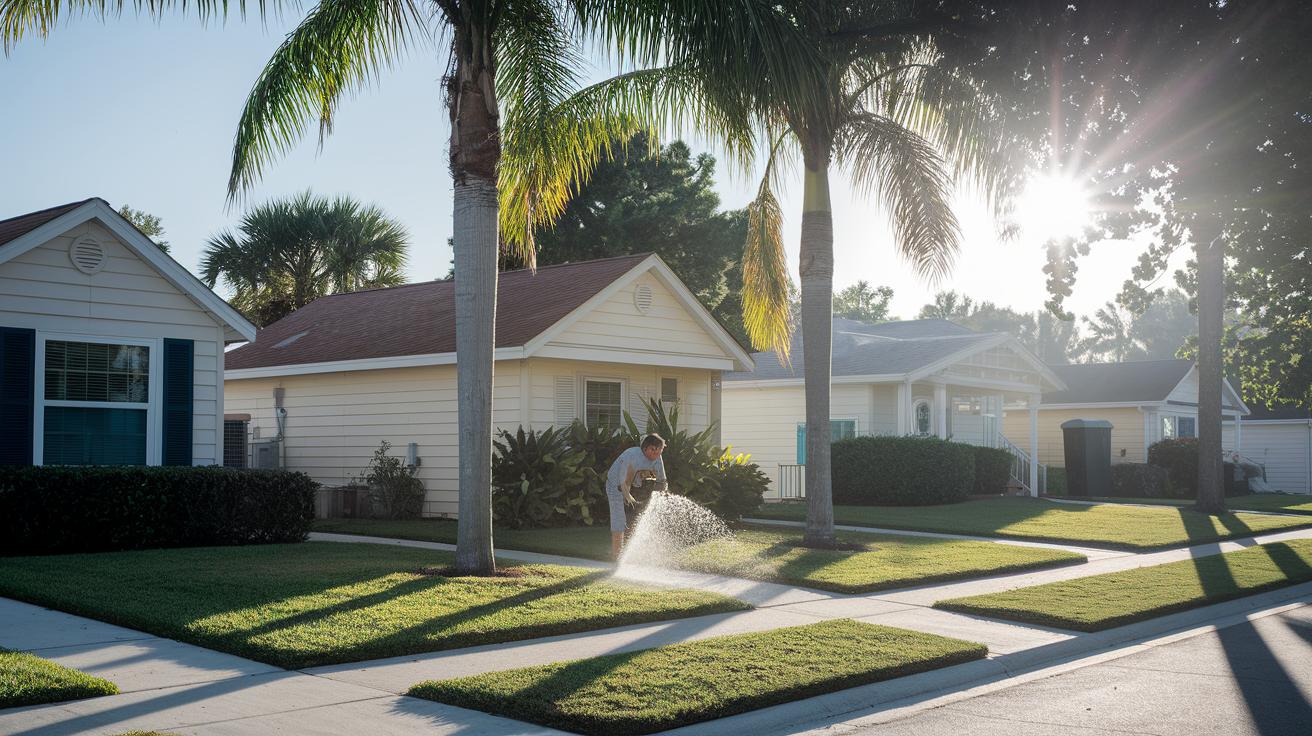
Sun Belt states and a few busy suburbs are set to lead the way in home-price increases this coming year. In places like Florida and Texas, a strong job market and a tight supply of homes work together to boost prices by around 4% to 6%. Imagine a homeowner in Florida seeing their property value rise nearly 6% thanks to booming local jobs and high demand, it’s almost like watching a powerful engine come to life in the sunshine.
At the same time, some regions are growing at a steadier pace. In the Bay Area, high demand is still there, but steep prices and local regulations keep gains closer to 3% or 4%. Over in the Midwest and suburban spots like parts of North Carolina and Minnesota, affordability meets a steady flow of new residents, creating a good balance. While some areas shine with strong job growth, others may lag a bit because of local risks or shifts in community trends.
These trends show us that while some regions are booming with job growth and high demand, others may need a little extra caution due to local risks or shifts in demographics.
Rental Market Outlook and Investment Property Forecast 2025
Rental demand is staying strong through 2029 even as rent prices slowly edge upward. Experts expect rents to grow by about 2% to 3% each year, and in markets with tighter supplies, up to 4% annually. It’s like watching your savings inch up a little bit more every year, a steady, gradual buildup.
Investors are really paying attention to build-to-rent projects now. With buying a home getting tougher due to rising prices, these developments offer a great alternative for steady cash flow. Meanwhile, adjustable-rate mortgages jumped from 4% of all loans in January 2021 to 15.5% by May 2024. This trend shows that many are trying to take advantage of lower initial rates, even though there might be some bumps later on.
At the same time, operating costs have doubled since 2022. This increase is putting pressure on profit margins and forcing investors to rethink their strategies.
Key market metrics include:
- Rental demand: Powered by consistent needs and rising living costs.
- Rent-growth: Typically 2%–3% each year, reaching up to 4% in areas with limited supply.
- Investment strategies: An increasing shift toward build-to-rent models.
- Financing trends: A noticeable move toward more adjustable-rate mortgage usage.
Overall, these changes are reshaping the investment landscape, inviting a careful and balanced approach in a market that keeps evolving.
Risks, Crash Prospects, and Affordability Challenges in the 2025 Housing Market

Zillow now predicts a small 1.7% drop in home prices from March 2025 to March 2026. This isn’t a full-on market crash, it’s more like a gentle dip, which can help ease some of the current worries.
Foreclosure numbers also bring some relief. In 2024, foreclosures fell by 10% to 322,103. With fewer distressed sales, the market feels a bit calmer. Still, the situation remains tricky because many buyers are dealing with high price-to-income ratios. When homes cost too much, even tiny shifts in lending can turn into big financial challenges for families.
Looking ahead, there’s a hint of optimism. Some believe that new policies and an increased supply of homes might help balance the market by 2028. These changes could ease the current affordability issues over time. But as we move further into 2025, keeping a close watch on economic trends and housing policies is essential.
Expert Perspectives on 2025 Housing Market Predictions
Analysts expect a steady housing market over the next few years. They predict that home values will rise at a calm pace, about 3% to 5% each year from 2025 to 2029. One expert noted, "Home prices are set to grow slowly, showing that stability is more important than wild swings. This steady rise gives buyers the confidence they need without the crazy pressure seen during past booms."
Another seasoned analyst mentioned that with the economy slowing down, the Fed is likely to ease off on lowering interest rates. Even though mortgage rates might hang above 6%, this situation pushes buyers to weigh borrowing costs carefully against long-term investment plans. It’s a reminder that smart financial choices matter just as much as quick moves.
A third expert highlighted the impact of demographic shifts and environmental awareness. They said that as our population ages, there will be more demand for senior housing. At the same time, regular climate-risk checks are now part of most real estate decisions. This means investors have to look at environmental factors along with old-school market numbers.
All these insights suggest that even with some challenges along the way, we can count on steady growth, balanced borrowing conditions, and evolving market trends. Isn’t it interesting how clear data and real-world perspectives combine to shape our view of the future housing market?
Final Words
In the action, we examined price trends, mortgage rate forecasts, and the tug-of-war between supply and demand. We explored regional shifts, rental market changes, and potential risks without losing sight of expert insights.
Our analysis offers clear guidance to support smart choices when it comes to housing market predictions 2025. The data-driven insights bring clarity for anyone aiming to stay informed and confident amid evolving market dynamics. Stay upbeat and ready for the opportunities ahead.
FAQ
What are the housing market predictions for 2025 in the USA?
The housing market predictions for 2025 in the USA suggest that home price appreciation will slow to around 3.8%, with the median price nearing $410,700, driven by strong demand and limited inventory.
What is the real estate forecast for the next five years?
The real estate forecast for the next five years shows gradual growth, with annual price increases of 3%–5% alongside rising mortgage rates and affordability challenges shaping buyer behavior.
Will the housing market crash in 2025 or 2026?
The prediction that the housing market will crash in 2025 or 2026 is unfounded. Instead, forecasts indicate only modest price adjustments—a 1.7% drop forecast by Zillow—and low foreclosure numbers support a steady market.
Are home prices expected to fall in 2025?
The idea that home prices will fall in 2025 is countered by forecasts showing slight adjustments amid overall modest growth, suggesting a continued upward trend in housing values.
Is a recession coming in 2025 in the housing market?
The suggestion of a recession in the housing market for 2025 lacks strong backing, as steady price gains and reduced foreclosure rates point to a stable, though cautious, market outlook.
Should I buy a house now or wait until 2026?
The choice between buying now or waiting until 2026 depends on your situation; current forecasts indicate steady growth beyond 2025, so consider mortgage rates and affordability before deciding.
Is 2025 a good year to sell a house?
The outlook for 2025 suggests it could be a good year to sell given price stabilization and moderate appreciation, though local market conditions and personal needs should guide your decision.
How do major platforms like Zillow, Redfin, and realtor.com contribute to these forecasts?
Major platforms offer valuable data by tracking local price trends, inventory levels, and buyer demand, which help form accurate market predictions and inform decisions for both buyers and sellers.
What do political references, such as mentions of Trump, indicate in housing predictions?
Political references, including those mentioning Trump, tend to mirror market sentiment; however, housing forecasts are based on economic data, price trends, and mortgage rate outlooks rather than political figures.


