
Ever wonder if your online shopping is as fast and safe as it should be? Today's digital payment systems send your money almost instantly while protecting your information with strong encryption (that means they scramble your data so no one can read it) and reliable security steps. They work quietly in the background, acting like a silent guardian to make your online buying feel as secure as handing cash in a trusted store.
In this post, we'll take a closer look at how these systems handle your payments smoothly, giving you extra peace of mind every time you click buy.
Executive Overview of Secure, Efficient Digital Payment Processes
Digital payments work by taking your payment details, sending them through a safe gateway, and quickly getting the transaction approved. Think about buying concert tickets online – you punch in your payment info, and in no time, you get a confirmation. The funds then hit the merchant account, making the whole online payment process smooth and efficient.
These systems are built to settle transactions instantly, which really cuts down on waiting time for both buyers and sellers. Using strong security methods like AES encryption (a way to scramble data so that it stays private) and tokenization (swapping out sensitive details for unique, meaningless symbols) keeps every transaction secure, like sending a sealed envelope that only the sender and receiver can open.
The safety of customer data is a top priority. Secure channels are put in place to protect your information from any unauthorized sneaks. In today’s world, it’s no surprise that 78% of U.S. adults prefer to bank using their mobile devices or websites because these platforms really work to keep their data safe. Providers try to stand out by offering different fee structures, easy system integrations, and extra features like great customer support and worldwide access.
When evaluating digital payment vendors, key points include how well they set up the system for businesses of every size, whether you’re a startup or a big company. With instant settlements, robust encryption methods, and a user-friendly design, digital payment systems have become essential tools for secure and efficient online transactions. Fast, accurate processes paired with reliable security measures are defining the future of digital payments.
Key Features and Components of Modern Online Payment Systems
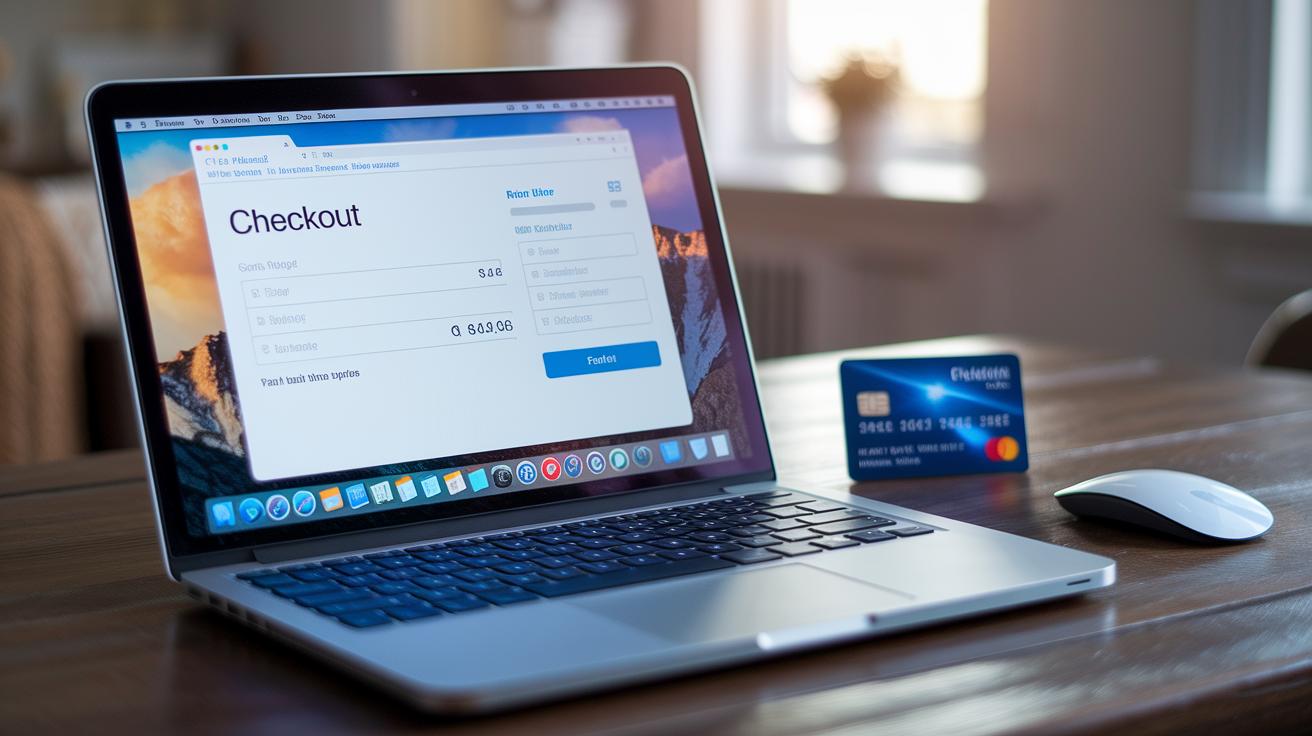
Modern online payment systems work like digital cash registers on the internet. Every time you shop online, these systems make sure your payment details are captured, checked, and processed securely. Behind the scenes, several parts team up to keep your transactions smooth and safe.
The payment gateway acts like a virtual checkout counter that gathers your payment information. Next, the payment processor steps in to check your card details and confirm that you have enough funds, much like a cashier verifying a payment in a store. Often, these two components are merged into a single service provided by payment providers, making things simpler for businesses.
Merchant accounts are special bank accounts that temporarily hold funds after a successful transaction. To protect your sensitive data, methods such as tokenization and AES encryption come into play. Tokenization replaces your real card details with a unique code, while AES encryption scrambles your data so that only authorized systems can read it.
The system also handles chargebacks and refunds, essentially, these are procedures for sorting out disputes and returning funds if needed. Although this process may take up to eight business days, it ensures that every issue is resolved properly. Meanwhile, settlements transfer the funds from the merchant account to the business, all while following strict PCI DSS standards that safeguard payment information.
Here’s a quick rundown of the key parts:
| Component | Description |
|---|---|
| Payment Gateway | Acts as the virtual checkout counter capturing payment details. |
| Payment Processor | Verifies card details and authorizes funds. |
| Payment Provider | Bundles both the gateway and processor for ease of use. |
| Merchant Account | Temporarily holds funds before they are disbursed to the business. |
| Tokenization & AES Encryption | Methods that protect payment details by replacing and scrambling data. |
| Chargeback & Refund Workflows | Processes for handling disputes and issuing refunds. |
Each of these elements plays a crucial role in creating a fast, efficient, and secure online payment experience. When combined, ecommerce gateways, virtual checkout systems, merchant processing services, and integrated payment options ensure that every transaction is both swift and secure.
Top Online Payment Platforms and Their Capabilities
Today’s payment tools help businesses create a smoother checkout experience. WildApricot Payments works great for associations, making online transactions as comfortable as a custom-fit suit. And then there’s Stripe, whose flexible API makes processing payments feel as natural as a well-practiced routine, perfect for nonprofits and small teams that need reliable integration without extra hassle.
Apple Pay brings you instant mobile wallet payments, much like tapping your watch when buying a coffee, though it needs a gateway setup to work at its best. If your business relies on regular billing or installment plans, Dwolla offers competitive fees with strong support for recurring charges, keeping long-term relationships on track.
Due stands out by combining virtual wallets with time tracking, almost like planning your day to the minute, which is ideal for service providers who value precision. Square has evolved from a simple mobile card swiper into a full system with tap payments and broader software support, making it a solid choice whether you’re at a pop-up event or a brick-and-mortar shop.
PayPal remains a favorite, thanks to its large user base and tight security that takes the worry out of handling sensitive data. Meanwhile, Authorize.net keeps offering broad payment support that meets a variety of business needs. Freshbooks mixes accounting with payment processing, giving companies robust reporting capabilities, while Moneris delivers detailed data reporting and inventory tracking. And Regpack pairs event registration with payments, making it great for organizations that handle both events and sales.
| Platform | Key Strength | Typical Use Case |
|---|---|---|
| WildApricot Payments | Designed for associations | Membership management and events |
| Stripe | Flexible API integration | Nonprofits and small organizations |
| Apple Pay | Instant wallet payments | Mobile checkouts |
| Dwolla | Installment and recurring payments | Subscription billing models |
| Due | Virtual wallets with time tracking | Service providers needing precise billing |
| Square | Comprehensive tap and software suite | Retail and mobile vendors |
| PayPal | Vast user base with secure systems | Online retailers and e-commerce |
| Authorize.net | Broad payment support | Businesses with diverse card processing needs |
| Freshbooks | Integrated accounting and payments | Companies seeking detailed financial reporting |
| Moneris | Modular data reporting and tracking | Stores needing robust analytics |
| Regpack | Event registration integration | Organizations managing events and donations |
Security Measures and Fraud Prevention in Online Payment Systems

Modern online payment systems use several layers of protection to keep your money safe and your data private. They rely on AES encryption, a way to mix up data so that only the right people can read it, and token-based authentication, which swaps out your personal details for a special code. So even if someone snatches the data, it won't make any sense to them.
These systems also include smart AI tools that watch transactions as they happen. If they see weird or unusual activity, like a sudden burst of large payments coming from different places, they quickly step in with extra checks. Pretty neat, right?
On top of that, built-in fraud safeguards work with clear dispute resolution steps, so if there's a problem, chargebacks can be sorted out quickly. They follow strict PCI DSS guidelines (a set of security best practices for payment systems), ensuring they protect your information to the highest standard.
All these steps work together to reduce risks, keep transactions intact, and earn your trust. And thanks to continuous updates, these systems stay as secure as a safe while remaining fast and easy to use, just like tapping your card or phone to pay.
Integration and Customization in Online Payment Systems: APIs, Automation, and Mobile Wallets
Today’s payment systems are built to link up with thousands of apps using smart API integrations (tools that let different software systems chat with each other) and no-code tools. This setup means businesses can automate everyday tasks like updating customer records or generating reports without getting tangled in complex coding. Imagine a system that automatically logs each transaction into your customer database, one small business even saved hours every week by hooking up its payment system with its CRM so data updated right after every sale. It’s a win-win: saving time and keeping data secure.
API Integrations and Workflow Automation
Ever thought integrating apps could be as simple as dragging and dropping? With today’s no-code tools, anyone, even without a tech background, can set up workflows that handle tasks like invoicing and sending email updates. Picture this: every time a payment is made, it instantly triggers a confirmation email, updates your sales dashboard, and records the transaction in your analytics tool. This seamless workflow makes managing recurring subscriptions and scheduled charges feel natural and straightforward.
Mobile Wallet and Contactless Payment Setups
Setting up mobile wallet options like Apple Pay and Google Pay is designed to be as quick as a tap. Plus, many platforms now include NFC readers for contactless payments, making the whole process as smooth as a swipe at your favorite store. The configuration is super friendly, ensuring both online orders and in-person transactions follow the same secure, automatic process, all without any extra hassle.
Fees, Pricing Models, and Cost Considerations for Online Payment Systems

Processing payments online comes with a few different fees that can add up quickly. When you pay, you might see an interchange fee (a fee for handling the transaction), a gateway fee (the cost to securely process the payment), and a fee for each transaction. Think of it like paying a tiny extra charge every time you buy a cup of coffee, it may seem small, but it adds up over time. Some services also charge a monthly fee to cover ongoing support and advanced features. And sometimes, if there’s a refund or a chargeback, you could face an additional fee with refunds taking up to eight business days to process.
Businesses use merchant processing services to manage these fees easily, and some recurring revenue platforms, like Dwolla’s, offer attractive rates for installment or ongoing payments. When you make a cross-border payment, say, buying from an international seller, you might pay extra for currency exchange (FX) and remittance fees, much like paying a bit more for international shipping. To keep everything clear and accurate, transaction auditing software helps track all these costs.
Plus, many subscription systems even include platform fees in their automated billing, which makes things simpler for businesses. With all these different fees at play, costs will vary based on whether payments are domestic or international. That’s why it’s smart for businesses to review fee structures carefully before picking a provider.
Future Trends and Innovations in Online Payment Systems
The world of payments is on the edge of a big change as fresh fintech ideas reshape how we handle money. AI-powered fraud detection is stepping in to help keep our funds safe, and biometric methods let you verify a payment with a quick fingerprint or face scan, just like unlocking your phone. Even cryptocurrency is making inroads, offering an extra way to pay alongside traditional money.
Real-time settlements mean that money can move almost instantly. This makes buying and selling much smoother for everyone involved. Companies are turning to cloud-based payment hubs to keep data secure while managing payments across borders more easily.
Unified commerce platforms are merging in-store and online buying into one seamless experience, making shopping feel effortless. Plus, innovations like buy-now-pay-later options let consumers spread out their payments comfortably, and improved cross-border remittance tools are making international money transfers as simple as local ones.
Imagine ordering something from overseas and watching your payment clear as quickly as a local swipe, this is the future of digital payments in action.
Final Words
In the action, we explored digital payment workflows, from secure processing and merchant account setups to comprehensive platform comparisons. We broke down key components like payment gateways, tokenization, and fee models. Our discussion highlighted not just how these elements secure transactions but also their role in driving innovation. With fresh insights into APIs, mobile wallet setups, and emerging trends, you now have a clearer picture to compare and choose among online payment systems. Embrace these insights with a positive outlook on the evolving payment landscape.
FAQ
Online payment systems for small business
The online payment systems for small businesses help local firms process transactions securely. They allow easy handling of credit cards, bank transfers, and mobile payments while offering straightforward fee structures and seamless integration.
Online payment systems for credit card
The online payment systems for credit card transactions provide secure routes for processing card details and authorizing charges. They use encryption and tokenization techniques to ensure smooth, safe transactions.
List of online payment systems
The list of online payment systems includes platforms like Stripe, PayPal, Square, and Authorize.net. Each offers distinct features—from mobile wallets to comprehensive merchant services—to meet diverse business needs.
What is the best online payment system?
The best online payment system depends on your needs, emphasizing security, speed, and easy integration. Options such as PayPal and Stripe frequently rank high for offering reliable and flexible payment solutions.
Examples of online payment
The examples of online payment include mobile wallet apps, credit card processing through digital gateways, direct bank transfers via secure channels, and digital invoices that simplify both personal and business transactions.
Online payment system project
The online payment system project involves creating a secure digital platform designed to process transactions efficiently. It integrates payment gateways, manages merchant accounts, and ensures robust security and compliance standards.
How to do online payment from bank account
The online payment from a bank account typically involves linking your bank details to a secure digital platform. Transactions are then authorized through encrypted gateways with clear authentication protocols for added security.
Online payment apps
The online payment apps are mobile tools that allow users to send and receive funds quickly. They often support NFC or QR code transactions, offering a convenient and secure way to handle everyday payments.
What are the 5 types of electronic payment systems?
The five types of electronic payment systems include credit cards, debit cards, mobile payments, direct bank transfers, and online wallet transactions. Each offers a distinct method tailored for secure, digital payment processing.
Which platform is best for online transactions?
The platform best for online transactions varies by factors like fee structure, integration capability, and support. Leading choices such as Stripe and PayPal consistently deliver secure, efficient service with broad accessibility.


