
Could a big drop in housing prices be coming, or are there some bright spots on the horizon? Home prices have climbed a lot, but experts point out that small local changes might keep things within reach for many folks.
Looking back, steady policies and long-term support seem to be doing some good work in the market. Sure, some areas might see a little pullback, but overall, the market's strong foundation gives us hope.
It’s like spotting a bit of sunshine through some clouds, small changes that could change the way we see the whole housing scene.
Will the Housing Market Crash: Signs of Hope
It's unlikely that we'll see the housing market crash overnight. Experts say a sudden, nationwide collapse is pretty improbable. Instead, some neighborhoods might experience a small pullback. In places where prices have climbed far beyond what locals can afford, a modest drop could help bring things back in line. For instance, in some high-risk counties, price adjustments are already starting to slow down growth that used to seem unsustainable. This shows that while the market might have its ups and downs, a full-blown collapse is still very unlikely.
For years, federal housing subsidies, down-payment assistance, and rock-bottom interest rates have boosted home values. Banks keeping the lending flowing and massive money printing have also played a big role, turning homes into valuable financial assets. Even when the basic factors start to weaken, these long-term policies keep pushing prices higher. As everyday buyers struggle more with affordability, it's clear that these policies have become the backbone of today's housing market.
Looking ahead, there are some risk factors that could change local market dynamics. Rising interest rates, meaning higher borrowing costs, will likely make it tougher for buyers, slowing down home sales and nudging prices lower. In areas with fewer new homes being built, the gap between demand and supply might lead to sharper corrections. Analysts are watching these issues closely, suggesting that while we shouldn't expect a dramatic crash, noticeable price adjustments in overinflated areas might be coming. Interestingly, several traditionally stable regions are already showing signs of recalibration, a reminder that the market has built-in resilience.
Will the Housing Market Crash? 2008 Comparison and Historical Analysis
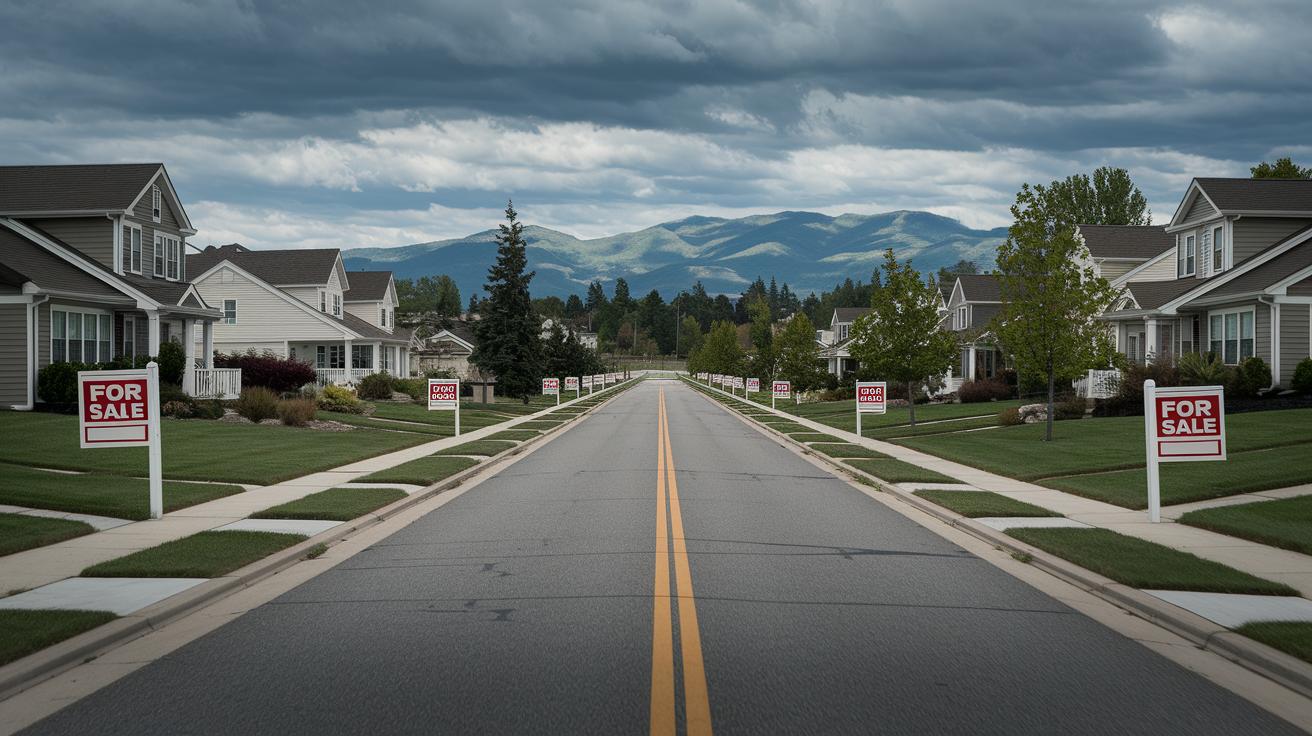
Looking back between 2006 and 2008, the housing market took a hard hit thanks to a subprime lending crisis. Banks and lenders allowed risky loans to pile up, and many folks ended up with more debt than they could manage. Even a small shift in the economy could send shockwaves through the market, much like a domino effect. It was a time when aggressive lending met a quick, harsh market reaction that reshaped the financial world.
Below is a concise comparison of these different periods:
| Year | Trigger | Fed Policy | Price Change |
|---|---|---|---|
| 2006–2008 | Subprime lending, high leverage | Rate cuts then hiking | -30% peak-to-trough |
| 2020–2022 | Pandemic disruption | Emergency easing | +25% surge |
| 2022–present | Inflation fight, tightening | Rapid rate hikes | +5% plateau |
Today, the challenges in our housing market are a bit different. They come from long-term subsidies, super-low interest rates, and a lot of central bank support. Unlike the 2008 crash driven by too much borrowing, current prices are held high by policy measures. Still, those rapid gains might someday lead to a market adjustment. It’s a unique mix of fiscal and monetary tools that sets the stage for what could come next.
Will the Housing Market Crash as Interest Rates Rise? Impact of Mortgage Rates
Mortgage rates have jumped from those rare, low 3% days to averages now above 5%. This change is huge, for instance, when a $300,000 mortgage went from 3% to 5%, monthly payments surged by almost 30%, showing just how much this shift can impact what buyers end up paying.
Fed rate hikes have steadily pushed rates higher, which in turn tightens credit conditions. You can see this clearly in today's 30-year fixed mortgage rates. In simple terms, these higher rates show that it's now tougher for many to secure large loans.
With borrowing becoming more expensive, fewer buyers can meet the requirements for big mortgages. As a result, some local markets are seeing fewer qualified buyers and slower price growth. Even small rises in the rate can spark a shift in the market, prompting areas to adjust their pricing trends.
Could Supply and Demand Imbalance Trigger a Housing Market Crash?

We’re seeing a growing gap between the homes available and the people looking to buy, and it’s largely because many are treating houses like investments. Instead of being cozy family homes, properties are snapped up much like stocks, with investors eyeing portfolio gains. In simple terms, it’s like buying a share in a home-building company where prices rise regardless of what actual families need.
New construction faces its own hurdles. Builders often struggle with labor shortages, higher material costs, and the tricky process of getting permits. When approvals take too long, fewer new homes come onto the market, tightening the overall supply. Ever notice how messy it feels when a builder can’t get a project off the ground? That’s exactly what’s causing the market to heat up even more.
All of these factors can lead to a sudden shift in the market. When the supply can’t keep pace with investment-driven demand, prices may rise to unsustainable levels. Ultimately, if the market no longer matches true household needs, we might see a rapid correction, a swift drop in prices that reflects the real value of homes.
Will the Housing Market Crash Regionally? High-Risk Markets Explained
When we look at the housing market, it’s clear that not every area faces the same risks. Some regions might see sudden price swings, while others stay steady due to strong local economies. Take California, for example, 14 counties there are flagged as risky because prices have risen too fast compared to local incomes. In Chicago’s suburbs, five counties (Cook, Kane, Kendall, McHenry, and Will) are showing similar signs of imbalance. Even popular coastal spots like Florida and parts of New York City are dealing with affordability issues. Yet, other areas in states like Wisconsin, Virginia, Tennessee, and Pennsylvania are standing firm with steady, strong fundamentals.
| State | At-Risk Counties | Sample Counties/Notes |
|---|---|---|
| California | 14 | Broad exposure across Bay Area, Inland Empire |
| Illinois | 5 | Cook, Kane, Kendall, McHenry, Will |
| Florida & NYC | 2 | Coastal affordability bubbles |
| Stable Regions | 4 | WI, VA, TN, PA show steady fundamentals |
Local supply and demand, mixed with a variety of job markets, often explain these different outcomes. Areas with many types of jobs and a balanced growth in new homes can handle sudden market shocks a lot better. On the other hand, regions that depend on just a few industries usually go through sharper price drops when local conditions change. Isn’t it interesting how each region paints its own financial picture? It shows why it’s smart to look at local factors instead of assuming one common trend for the entire nation.
Will the Housing Market Crash? Expert Forecasts and Predictions
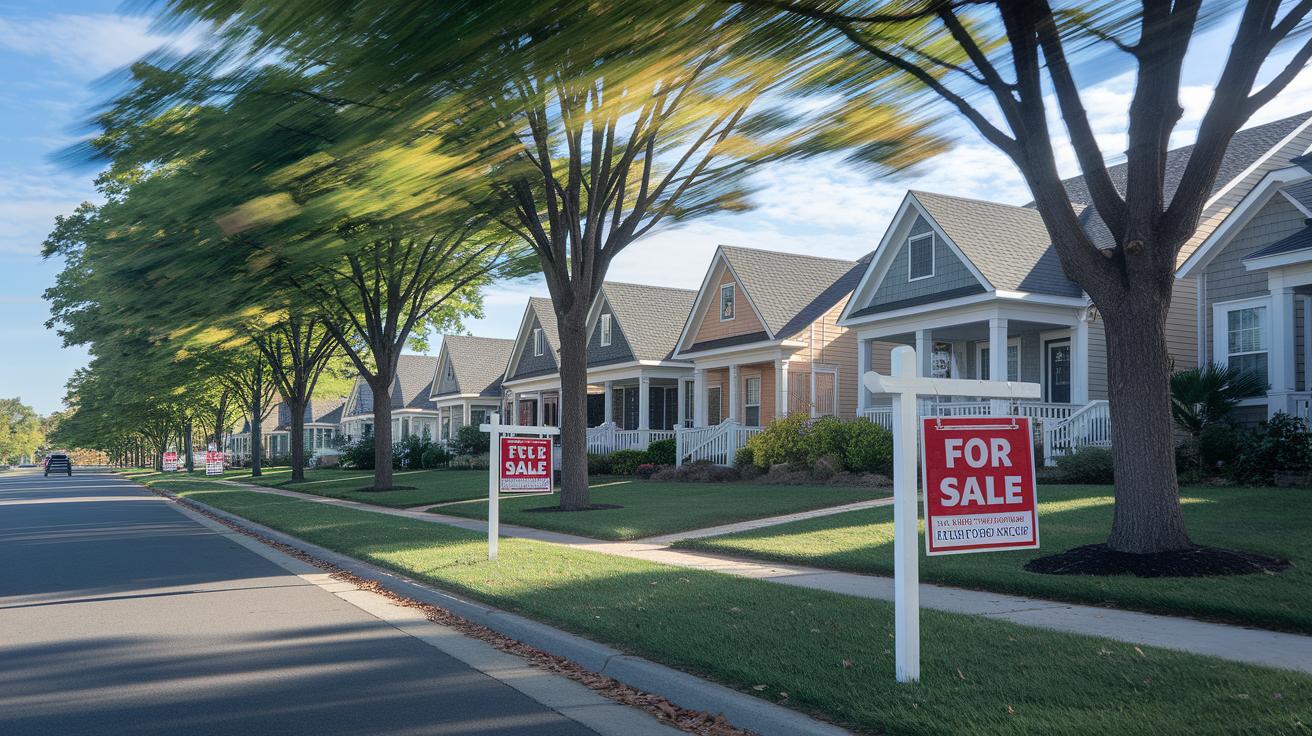
A number of experts warn that policy distortions might spark a noticeable market correction. We’ve seen this idea come up in our talks about mortgage rates and the tug-of-war between supply and demand. In areas where things are a bit too heated, experts now expect a price adjustment of around 5 to 10% rather than a sudden, sharp crash. Imagine the market gently rebalancing itself over time through small, local shifts instead of a dramatic failure.
Most experts believe that solid economic fundamentals in key regions will likely cushion any sharp drops. This view, which echoes earlier studies, suggests that we’re more in for short, localized dips than a widespread market breakdown.
Will the Housing Market Crash? Potential Timelines and Scenarios
It looks like we might see a correction between late 2023 and early 2024. The Fed has been raising rates to cool down borrowing, which means lending conditions are getting tougher. Experts think these changes will gradually squeeze the market, and even if there's no huge crash, we could still see a steady drop in prices as fewer buyers can afford homes.
Looking ahead, imagine three possible ways the market might change. First, prices could slowly ease off to match more realistic levels. Second, we might see a light correction in areas that have been a bit too hot, with small drops balancing out the market. And third, a sudden and sharp pullback could happen if there’s a fast rate hike or a quick shift in fiscal policies. Changes in loan availability and other economic factors could speed up or slow down these trends. Ultimately, the market’s bounce-back will depend on how the Fed and fiscal policies adjust to these conditions.
Final Words
In the action, we explored how targeted corrections could arise rather than a nationwide crash. Data shows federal policy, rising mortgage rates, and regional imbalances shaping future trends. We uncovered comparisons with past downturns and examined expert forecasts pointing to modest adjustments. This review blends history with current indicators to weigh in on will the housing market crash scenarios. Stay optimistic as these insights guide smarter investment decisions and help build confidence in analyzing market shifts.
FAQ
Will the housing market crash after the election or is it predicted to crash?
The concern about an election-driven housing crash implies that a nationwide collapse is unlikely. Experts expect targeted corrections influenced by federal policies and regional supply-demand factors instead.
Will the housing market crash like it did in 2008?
The 2008 crash was fueled by loose lending and mortgage issues, while today’s market faces long-term subsidies, low rates, and monetary stimulus, making a similar crash less likely despite potential localized corrections.
What happens when the housing market crashes?
When the housing market crashes, home values drop and credit tightens, reducing buying power. This usually leads to localized corrections rather than a broad collapse, impacting specific regions more than others.
When will the housing market pick up again?
The market pick-up depends on shifts in monetary policy and supply-demand balance. After potential localized corrections, steady recovery may occur gradually over a few years as market fundamentals improve.
Will house prices keep going up?
House prices are likely to stabilize, with modest increases in areas with strong fundamentals. However, regions facing supply-demand imbalances may experience a slowdown or temporary corrections in price growth.
Should I buy a house now or wait for a recession?
The decision to buy now or wait depends on local market trends. In regions with stable fundamentals, home buying may be wise, while overheated markets could benefit from future corrections, requiring careful regional analysis.
Are house prices going down in Connecticut or dropping in Wisconsin?
Market trends vary by location. Some parts of Connecticut might see adjustments if local demand eases, whereas areas in Wisconsin have shown steadier pricing thanks to balanced local market fundamentals.


