
Ever wondered what it feels like to control your very own digital treasure chest? Trading bitcoins isn't about gambling on chance, it’s a smart choice that can pay off nicely.
Think of it like carefully stacking coins in a piggy bank, except you’re growing your digital money with every well-planned move. In this post, we’ll walk you through the steps to start trading safely on trusted platforms. We’ll explain how to take your first trade with confidence and ease.
With simple tools and clear ideas, you'll quickly see how effective your trading strategies can be.
Trading Bitcoins Essentials: How to Execute Your First Trade
Bitcoin trading is all about buying and selling digital money that made its debut in 2009. It uses a public record called blockchain, which is like a digital notebook that keeps every transaction safe and clear. Even if you’re just starting out, you can set up an online account on a special exchange and use a digital wallet to dive in. It’s exciting because you get to make smart moves that could lead to big gains, similar to handling everyday banking tasks.
- Pick a well-respected exchange like Coinbase or Kraken
- Sign up and complete your identity check
- Add USD or another local currency
- Choose the BTC/USD (or another) trading pair
- Place your buy or sell order
- Transfer your bitcoin to a secure hardware or software wallet
Every step here is key to trading safely. When you choose a trusted exchange, you benefit from added security like two-factor authentication and encrypted transactions. Sure, verifying your identity might take a little time, but it’s an important part of protecting your money and following the rules. Depositing your local currency sets the stage for making trades, and picking the right trading pair helps you target the asset that fits your goals.
Remember, transaction fees, whether they’re low or even free on some trades, can affect your overall profits. And since tax authorities treat bitcoin like property, each trade might come with tax implications. Always include these fees and any reporting rules in your trading plan.
Trading Bitcoins Platforms: Comparing Top Exchange Features
Picking the right bitcoin trading platform can really make a difference in how your trades go. A good platform means low fees, fast checks on your account, strong safety measures, and a reliable mobile app so you can keep track of your investments wherever you are. These simple features help lower trading costs while making sure you stay connected, even in a fast-moving market.
| Exchange | Maker Fee | Taker Fee | Verification Time | Security Features | App Rating |
|---|---|---|---|---|---|
| Coinbase | 0.50% | 0.50% | 24 hrs | 2FA, Cold Storage | 9/10 |
| Gemini | 0.35% | 0.35% | 12 hrs | Insurance, 2FA | 8/10 |
| Kraken | 0.16% | 0.26% | 6 hrs | Cold Storage, 2FA | 8.5/10 |
| eToro | $0 commission | $0 commission | Instant | Encryption, 2FA | 9.5/10 |
It’s also important to have a platform that stays online and works without a hitch. Reliable connectivity and quick account checks keep you ahead when the market shifts suddenly. With a top-rated mobile app, you can easily make trades at any time, no matter where you are.
Analyzing Crypto Price Trends for Trading Bitcoins
When you look at crypto price trends, you're really checking the market’s heartbeat. It’s like reading a live report on what Bitcoin might do next. By watching both the current data and older price patterns, you get little hints about where the market is heading. It’s almost like feeling the steady pulse of a big, moving machine.
- Keep an eye on changes in rules that can shift how confident people feel about the market.
- Notice big economic stats that sway how investors act.
- Watch for upgrades in blockchain technology, which can boost the system’s overall power.
- Feel the market's mood, which guides all the ups and downs.
- And don’t ignore surges in trading volume that might hint at key turning points.
Mixing basic research with clear charts sets you up with a strong way to understand price moves. For instance, knowing why a new regulation or blockchain update matters gives you the context you need. Then, using simple charts like those in our Basic Technical Analysis guide, you can spot repeating patterns in past data.
This balanced approach isn’t about staring at endless numbers, it’s about piecing together facts from outside events and how they really move the market. Real-time feeds catch those quick shifts, while historical data helps confirm if a trend is solid. This way, you can decide the right moments to jump in or step out, turning careful research into smart, timely trading moves.
Trading Bitcoins Technical Analysis: Patterns and Indicators
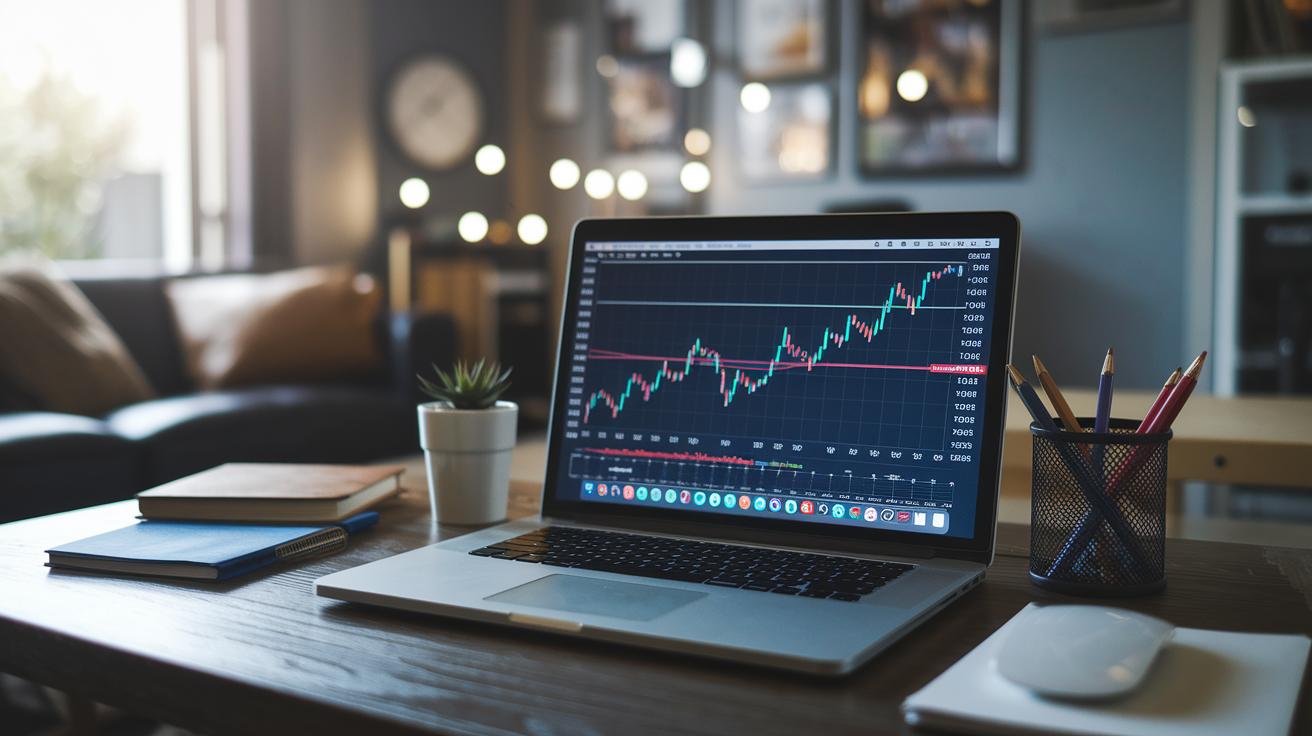
Indicators are like the pulse of bitcoin trading. They take a jumble of price numbers and turn them into signals you can actually use. Tools such as moving averages, RSI (which measures the speed and change of price movements), and MACD (a tool that helps spot momentum shifts) help you see when things might be about to change. Even simple candlestick patterns, like those found in Bullish Candlestick Patterns, give you early hints of a potential turnaround. In other words, these indicators act as a guide, showing where to step in or step out to better manage risk and catch those important price swings.
- Head & Shoulders: This pattern often hints that an upward trend is about to reverse, suggesting you might soon see prices drop.
- Double Tops/Bottoms: When you spot these, it might mean the current trend is tiring. Look for a break in resistance or support to confirm a change.
- Triangles: These show that prices might be consolidating like they're taking a breather before a big move upward or downward.
- Flags: Think of flags as a brief pause in the trend. They suggest that once the pause ends, prices are likely to follow the previous direction.
- Wedges: These patterns signal a slowdown in momentum. When prices finally break out one way, it might mark the start of something new.
When you draw support and resistance lines on a chart, you’re really tracking where prices repeatedly bounce up or down. These zones aren’t just markers for stop-loss or take-profit levels, they’re key points that help you set alerts for potential breakouts. Adding volume filters (which show the amount of trading action) to these zones gives you extra confidence. For example, a breakout with high volume is more trustworthy than one with very little trading activity. In essence, mixing technical indicators with clear chart patterns can really boost your ability to spot the right moments to jump in and adjust your strategy on the fly. This kind of careful, thoughtful approach is essential for catching those crisp moves and scoring big in the unpredictable world of bitcoin trading.
Managing Risk When Trading Bitcoins
Risk controls are super important when prices jump all over the place. In Bitcoin trading, where price swings can be wild, it's smart to set clear rules before you make any trade. A solid risk plan helps you keep big losses at bay while giving you room to see gains grow. In choppy markets, having a strong plan isn't a bonus, it's a must.
Here are some simple steps to keep in mind:
- Proper position sizing: Keep each trade small by risking only about 1-2% of your trading money. This way, one bad trade won't wipe you out.
- Defined stop orders: Use stop-loss and take-profit orders to get out of trades automatically if the price hits a low level or if it's time to take your gains.
- Slippage checks: Watch how your trades are executed, especially when the market moves fast, so you get the price you expect.
- Regular performance reviews: Look back at your trades often, learn from what happened, and tweak your approach as needed.
Trading psychology is just as key as the tools you use. Staying calm, sticking to your plan, and keeping your emotions in check can really make a difference. When you follow your risk plan consistently, you're giving yourself the best shot at learning from every move and building a steady, resilient trading habit.
Automated and Algorithmic Trading in Trading Bitcoins
Traders often use automation to avoid human mistakes and speed up trading. Bots follow clear, pre-set instructions, making trades quicker and more consistent. This keeps emotions out and helps you stick to your plan when the market gets shaky.
- Choose a reliable bot platform
- Set up clear strategy rules
- Connect your API keys
- Run backtests on past data
Getting started means picking a platform that supports automation. Once your rules are clear, your bot automatically places limit, market, or stop orders through the exchange’s API. Testing your setup with historical Bitcoin data is key to understanding how it might perform when real market action hits.
At the end of the day, mixing automation with a bit of hands-on oversight is essential. Bots make things smoother, but you still want to watch for technical glitches or sudden market changes. A good blend of automatic trading and personal review helps you stay agile and in control as conditions shift.
Securing Wallets and Transactions in Trading Bitcoins
When you trade bitcoin, your wallet is like a trusted guard keeping your funds safe from fraud and losses. Picking the right wallet really matters because it acts as the entrance for your digital money. Taking simple steps to secure it means you won’t have to face irreversible mistakes later on.
Here are some smart tips to keep your bitcoin safe:
- Use a hardware wallet
- Enable two-factor authentication (2FA)
- Double-check transaction addresses
- Keep your software current
- Follow strict KYC guidelines on exchanges
A hardware wallet stores your coins offline, much like keeping cash in a hidden safe, which makes it very secure. Meanwhile, hot wallets let you access your coins quickly but need extra caution since they connect to the internet. Adding layers like multi-signature setups, where more than one approval is needed, along with 2FA boosts your security even more.
Before sending any funds, always verify the transaction addresses carefully to avoid costly errors. And don’t forget to update your software regularly; these updates patch any vulnerabilities that could otherwise be exploited.
Using protocols like KYC (Know Your Customer) and AML (Anti-Money Laundering) on exchanges further strengthens your defenses. Keeping clear records for tax reporting and audits not only helps you stay on the right side of the law but also gives you a reliable backup when you need it most.
This balanced approach between robust security and everyday usability lets you focus on trading with confidence, knowing your digital investments are well-protected.
Final Words
In the action, the article broke down the essentials of trading bitcoins, from picking the right exchange to understanding technical indicators, securing wallets, and managing risks. Each section provided a step-by-step guide on setting up trades, analyzing market trends, and using automated systems.
The post leaves you equipped with simple, clear strategies that make the process feel straightforward and achievable. Keep these insights in mind as you take confident steps into trading bitcoins and building a solid investment approach.
FAQ
How do I get started trading Bitcoin as a beginner?
Getting started trading Bitcoin as a beginner means creating an account on a reliable exchange, completing identity verification, depositing fiat funds, and placing your first buy order—all designed to be simple and accessible.
How can I trade Bitcoin using a mobile app?
Trading Bitcoin via a mobile app means using an exchange’s intuitive app to monitor prices, execute trades, and manage your portfolio on the go, offering convenience and ease of use.
How do you trade Bitcoin profitably?
Trading Bitcoin profitably means carefully reviewing market trends, applying technical analysis, managing risks, and setting clear goals so you can make informed buy and sell decisions.
What is the current Bitcoin price in USD?
The Bitcoin price in USD shifts rapidly as market supply and demand change. It’s best to check a trusted exchange or finance site for the most up-to-date value.
What does $100 free Bitcoin mean?
$100 free Bitcoin offers refer to promotional rewards from some platforms where you can earn a small bonus in Bitcoin, often under specific terms and conditions upon signing up.
Which platforms are recommended for trading cryptocurrencies?
Recommended trading platforms include Coinbase, Binance, Kraken, Bybit, and KuCoin, each offering strong security measures, user-friendly interfaces, and various trading features to suit different needs.
How much Bitcoin can you buy with $500 or $1000?
Trading Bitcoin with $500 or $1000 means the amount you purchase depends on the current BTC price. Use an exchange’s conversion tool to see exactly how much BTC you can acquire.
How is Ethereum’s price related to trading Bitcoin?
Ethereum’s price, while separate from Bitcoin, is monitored alongside BTC because shifting trends in both cryptocurrencies can provide broader insights into overall market sentiment.


