
Ever thought about trying out crypto trading without putting any real money on the line? Crypto paper trading gives you a safe space to practice market moves using fake money. It’s like a rehearsal where you can test out different trading ideas and watch the price changes in real time, all without the risk of losing your cash. This hands-on method helps build your skills and confidence, making it a smart first step before you dive into trading with real funds.
Getting Started with Crypto Paper Trading
Crypto paper trading is a smart way to practice trading digital currencies without risking real money. It lets you use virtual funds to try out order placements while watching how market prices move in real time. Many simulation platforms run on live market data, so your trades reflect actual price changes, giving you an authentic feel for the market.
Imagine seeing a dashboard with a pretend balance of, say, $10,000. That’s your sandbox fund, where every trade mimics the real process of order execution and market fluctuations. This hands-on experience builds your understanding of digital asset markets without the fear of genuine financial loss.
This approach works great for everyone, from beginners who are just learning the basics to experienced traders looking to fine-tune advanced techniques like bots, grid strategies, or dynamic stop-loss orders. Since no real money is involved, every practice trade is a chance to learn and improve. Think of it as a rehearsal that boosts your confidence before you step into the real trading arena.
Understanding How Crypto Paper Trading Simulation Works
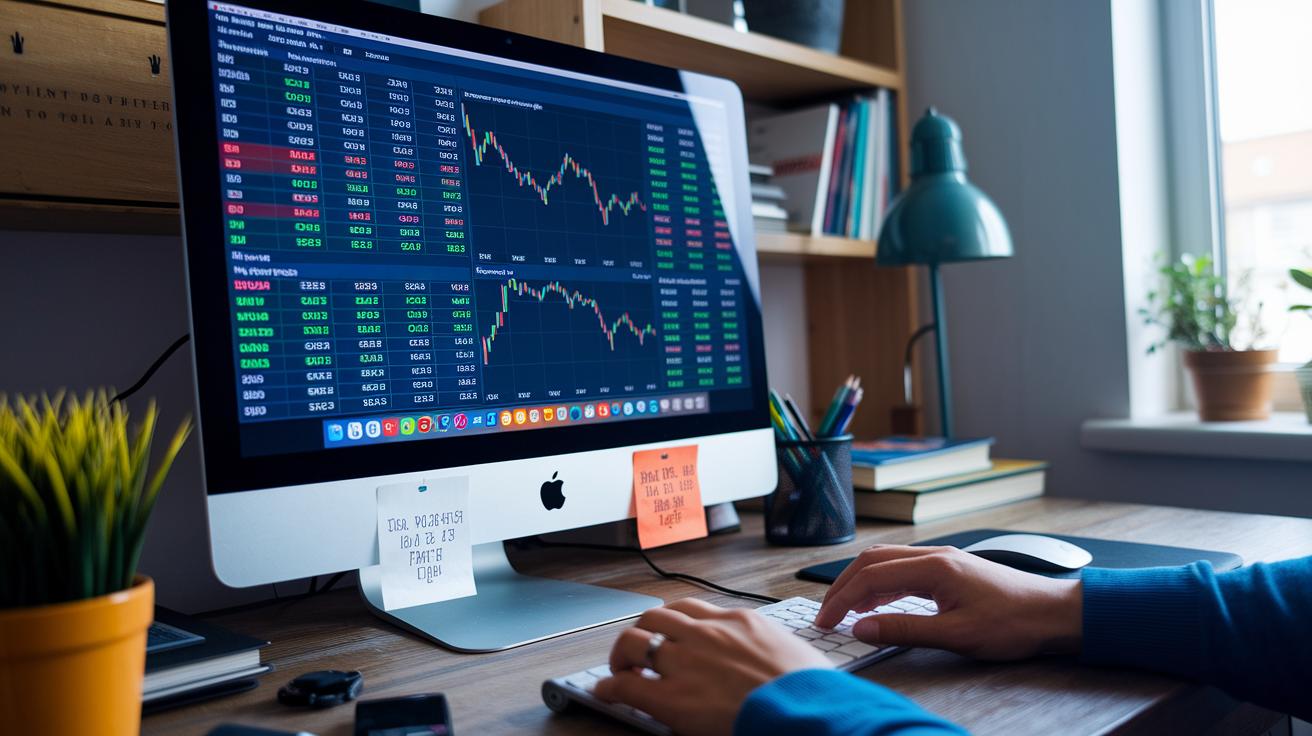
Imagine live market prices streaming right into your trading simulation, turning real-time data into your personal playground for virtual trades. The price feeds mirror what’s happening in the real market, so every simulated order follows the same ups and downs you’d see when trading with actual money. It really feels like you’re in the thick of things, even though you’re only using virtual funds.
Your virtual account balance updates immediately to show gains and losses as you would with real cash. The simulation pulls data from different exchanges, neatly adding up your profit and loss so you can see how each price change affects your portfolio. It’s a relaxed, no-pressure way to learn how the market works without risking real money.
At the heart of this experience is basic order matching, where your virtual trades interact with live market feeds to mimic genuine trade execution. By gathering data from multiple exchanges, the system calculates your overall profit or loss. And with handy time-based and trend-based alerts, you’ll get a nudge whenever your preset conditions are met during the trading session.
Key Benefits of Risk‐Free Crypto Paper Trading
Crypto paper trading lets you practice your trading moves without any stress over losing your hard-earned money. It gives you a safe space to test out different ideas and get a feel for the digital market without real risks. You can experiment with setting up grids, tweaking automated bots, and checking how your take-profit and stop-loss rules work, all in a risk-free zone that feels like the real thing.
- Practice trading without putting real money on the line
- Check out grid trading and signal bot setups
- Experiment with smart rules for taking profits and stopping losses
- Use built-in calculators to understand risk versus reward
- Keep an eye on several exchanges all from one simple dashboard
- Set up watchlists and alerts for price changes and trends
- Tweak your strategies quickly as the market shifts
This friendly testing ground helps you learn at your own pace. With clear feedback and flexible tools, you can see what works and what might need a little extra tweaking. It’s like having a practice round before stepping into the live market, giving you the confidence to make smarter moves when the time comes.
Limitations to Keep in Mind for Crypto Paper Trading
Crypto paper trading is a handy way to try out new strategies without risking money, but it doesn’t capture the full heat of real trades. In a simulated setup, orders get filled quickly, no waits due to market liquidity (how easily you can buy or sell an asset) problems or slippage (when a trade happens at a price different than you expected). Without these real market bumps, you miss out on the kind of stress that teaches you to be careful when things get volatile.
Also, demo trading usually skips over extra costs like exchange fees or gas fees (the charges for processing a trade), which can make the results look better than they really are. Without these charges, it’s easy to feel overconfident because you never see any actual money leaving your pocket. And without that reality check, you might not get as cautious with risks when you start trading for real.
Step‐by‐Step Guide to Setting Up a Crypto Paper Trading Account
Trying out crypto paper trading with a free demo account is a smart, risk-free way to test your strategies. It’s like dipping your toe in the water before a big swim. Many platforms give you a virtual balance, say, 100,000 simulated USDT, to mimic real trading conditions.
Usually, these setups are pretty simple. All you need is basic registration info, and you get a clear view of your profits and losses across multiple exchanges. It’s almost like having a friendly dashboard that shows you how your moves are working out.
Here’s a simple way to get started:
- Pick a demo-ready platform that has the features you need.
- Sign up for a free trial or Testnet account with the basics.
- Deposit your virtual funds, something like 100,000 USDT, to kick off simulated trading.
- Connect your exchange API keys so you can see profit and loss across different markets.
- Set up order presets, including stop-loss and take-profit rules, that match your trading style.
- Start your first paper trade and watch your progress using the platform’s monitoring tools.
Once your account is ready, take some time to review your trade results often. Keep an eye on how your virtual balance shifts with every move. And don’t hesitate to adjust your settings as you learn, fine-tuning strategies in this simulated environment helps smooth the transition to real-world trading.
Comparing Top Crypto Paper Trading Platforms

When you explore crypto trading simulators, it helps to know how free simulation platforms compare. Each tool gives you a step-by-step look at simulated markets with special features designed to build your trading skills. Some offer detailed dashboards with market scanners, while others really shine with clear charting and alerts you can adjust. Checking out features like multi-exchange support, easy-to-read asset details, and built-in scanning tools will help you choose the best platform for both learning and testing more advanced trading ideas.
TradingView
TradingView is a standout tool thanks to its strong charting features. It makes spotting trends and testing strategies a breeze. With its demo account, you get hands-on experience as customizable alerts mimic real market moves. Sure, there are limits on the number of demo trades, but it still gives you a safe space to experiment without risking real money.
Centralized Exchange Demos
Centralized exchange demos let you try both spot and futures trading through trial accounts. They make it easy to switch between test modes and show order types that copy real-life trades. With simple asset overviews, these demos work well for both beginners and seasoned traders looking to simulate actual market conditions.
BitMEX & Bybit Testnet
The BitMEX and Bybit Testnets set you up with 100,000 fake USDT for playing around with futures and perpetual contracts. Their user-friendly interfaces let you experiment with advanced order types, even testing high-frequency trading strategies. These testnets are built to feel just like the real market, helping you see how your methods might perform in real-time trading.
Strategies and Tools for Effective Crypto Paper Trading
When you're paper trading crypto, risk-control features like automated stop-loss (an order that automatically sells when prices drop to a set point) and take-profit settings make all the difference. They help you exit trades with confidence. For example, you might set your stop-loss at 2% below your entry price to keep losses small.
Automated bots can also be a game-changer. Grid bots add or reduce your positions gradually, letting you step into a series of incremental gains, while signal bots act based on set rules to adjust your trades. It's a neat way to test tweaks without reusing old strategies.
Analytics and alert systems act like a friendly nudge that lets you know when the market is stirring. They use scanning algorithms (quick methods to sift through market data) to catch near real-time cues. Imagine getting an alert that says, "Price has triggered your resistance level!", it’s your cue to check your setup. Adjust those alert thresholds to get clearer signals as you practice.
Then there are portfolio and exposure management tools, complete with risk-reward calculators and dynamic dashboards. Picture a dashboard that displays every simulated trade instantly, letting you see your complete exposure. This makes it easy to tweak your strategy on the fly and keep risks tightly under control.
Final Words
In the action, we explored crypto paper trading by testing strategies with virtual funds and realistic market data. We broke down how simulations mirror live markets, pinpointed benefits like risk-free practice and order matching, and noted some limitations that come with demo trading. We also covered step-by-step account setup, compared top platforms, and shared practical tools for risk control and strategy testing. All these pointers empower you to refine your approach to crypto paper trading while keeping market realities in view. Positive progress lies ahead!
FAQ
What is crypto paper trading and how does it work?
Crypto paper trading uses virtual funds to simulate live trading in digital asset markets. It lets both beginners and experienced traders test strategies, mimic order execution, and track profit and loss without any real capital at risk.
How can I start crypto paper trading on platforms like TradingView or Binance?
TradingView and Binance offer demo accounts that replicate real-time trading environments. After quick sign-up, you can deposit virtual funds, configure orders, and monitor performance without risking actual money.
Is crypto paper trading available for free?
Many platforms such as TradingView and Binance Testnet offer free crypto paper trading. They provide demo funds and real-time market data, making it easy to practice strategies at no cost.
How does crypto paper trading benefit beginners?
Crypto paper trading gives beginners a safe space to learn and experiment. It lets you practice strategies, experience simulated market conditions, and build trading confidence without any fear of financial loss.
Can I make real money from paper trading crypto?
Crypto paper trading doesn’t directly earn real money. Instead, it refines your trading skills, helping you develop strategies that you can later apply in live markets with actual funds.
Which platforms are popular for crypto paper trading?
Popular platforms include TradingView, Binance Testnet, Webull, and Bybit. These tools offer demo environments, charting features, and real market data, providing a comprehensive space to practice trading.
How does paper trading simulate live market conditions?
Paper trading mimics live market conditions by using actual price feeds and virtual balances. It replicates how orders are filled and tracks profit and loss in real time, offering insights similar to live trading.
Does paper trading accurately mimic trading fees and slippage?
Paper trading may not fully simulate fees, gas costs, or slippage. Since many demo environments exclude these factors, the trading experience might not completely match the nuances of live market conditions.
What tools can enhance my crypto paper trading strategies?
Advanced platforms offer tools like stop-loss orders, take-profit triggers, grid bots, and risk-reward calculators. These features help refine your simulated strategies while building deeper insights into market trends.


