
Have you ever wondered if your mobile banking is really safe? Every year, fraud costs companies billions of dollars. Even a tiny breach can put your money in danger.
Mobile banking makes life easier, but you still need good safety steps. For example, multi-factor authentication means using more than one way to prove it's really you. Timely alerts work like an extra lock on your door, warning you if something strange happens.
In this post, we share simple ideas to help you protect your transactions and keep your money secure.
Comprehensive strategies for mobile banking fraud prevention
Mobile banking is super convenient, but it also brings risks. Studies show that fraud can wipe out as much as 5% of global corporate revenue, around $4.7 trillion every year. That’s why strong defenses are a must to protect your financial data and keep your trust.
A layered defense is the way to go. Think of multi-factor authentication like a double lock on your front door, it asks for a second proof of identity to keep bad actors out. Data encryption, using methods like AES (a tool that scrambles data so only the right people can understand it) and HTTPS (a secure way to send information over the internet), keeps your details safe from prying eyes. Real-time fraud alerts act like an immediate alarm when something unusual happens, while constant monitoring is like having a trusty security guard watching over your account. For instance, if there’s an unexpected login from another country, an alert will go off right away, helping to stop any potential breach before it causes harm.
Up next, we’ll dig into each of these layers. We’ll talk about how multi-factor authentication, smart encryption, fast alerts, and solid monitoring all work together to protect your money. These tips are all about helping banks build mobile systems that are both clever and safe for everyone.
Identifying mobile banking fraud types

Mobile banking scams are getting trickier as fraudsters learn how to take advantage of our everyday digital habits. They often send emails or texts that look real to sneakily grab your login info. Sometimes, they even swap devices during the login process to capture one-time passwords (OTPs), which are supposed to keep your transactions secure.
Here are some common scam methods in mobile banking:
- Phishing and smishing to steal your credentials (these are fake emails or texts meant to trick you)
- Device swapping to intercept OTPs
- Pretending to be bank staff
- Opening new neobank accounts with weak identity checks
- Using dynamic CVVs on prepaid cards to pull off unauthorized charges
- Launching unwanted transactions
Each of these scams can cause serious trouble if they go unchecked. Keeping an eye on these threats is key to building strong defenses and protecting your money.
Essential security measures for mobile banking fraud prevention
Mobile banking stays secure when you add extra layers of protection. One popular method is multi-factor authentication. This means you don’t just log in with a password, you need another piece of proof too. For example, a bank might send a special code to your phone to check it’s really you. It’s like having two keys to unlock your door, so even if someone steals your password, your account stays safe.
Biometric authentication is another handy tool you might recognize. Using your fingerprint or face to log in feels quick and personal. It checks something that’s uniquely you, which is really hard to fake. And when this is combined with secure login methods like HTTPS, which creates a private channel for your data, it forms a strong barrier against hackers trying to peek at your information.
Encryption and regular device checks round out a solid defense plan. When you make a transaction, your data is scrambled using powerful encryption, making it unreadable to outsiders. Think of it like mixing up a secret message so only you and the bank can understand it. Meanwhile, routine checks on your device ensure that your banking app is running on a secure platform, kind of like a regular safety inspection for your car. Together, these practices keep your mobile transactions smart and extra secure.
Mobile Banking Fraud Prevention: Secure and Smart Transactions

Banks now lean on smart AI systems that track every user action, keeping an eye on spending habits to spot any unusual moves early on. These platforms learn normal behavior patterns, kind of like a friend who instantly notices when something feels off. For example, if a login pops up from a place a customer’s never visited before, you'll get a real-time alert. It's like having a watchful eye ready to catch surprises, blending smart tech with human intuition to boost security.
Modern fraud prevention tools pull together information from mobile, online, cheque, and branch transactions into one clear picture. This creates a central hub where real-time monitoring works like a puzzle solver, finding pieces that don’t quite fit. Imagine an unexpected spike in spending or a change in regular habits triggering a quick alert. With this cross-channel approach, even rare issues, like odd CVV usage or atypical transactions, are flagged with precision.
These systems keep getting faster and smarter, learning from every transaction to reduce false alarms. As they fine-tune their understanding of what’s normal, banks receive clearer alerts, meaning fewer unnecessary alarms and quicker action when real threats emerge. It’s like having a digital guard that sharpens with every interaction, ensuring security stays both smart and efficient.
Regulatory compliance and best practices in mobile banking fraud prevention
Banks need to stick to strict rules like PCI DSS and local data privacy laws to keep customer information safe. Regular security checks help find hidden weak spots, while tests that mimic real attacks show where hackers might gain access to mobile apps. Ongoing scans hunt for any technical issues that could let unwanted users in. Together, these steps make sure every part of the mobile banking system is closely examined and made tougher against threats.
Today’s new regulatory technology has really changed the game for banks. Automated tools now do routine checks and provide real-time reports, which cuts down on manual work and lessens mistakes by people. By combining these smart tools with tried-and-true risk plans, banks build systems that can quickly adjust to new challenges and updated rules. This forward-thinking approach not only meets the necessary rules but also boosts overall security, ensuring that mobile banking stays strong and trustworthy.
Real-world case studies in mobile banking fraud prevention
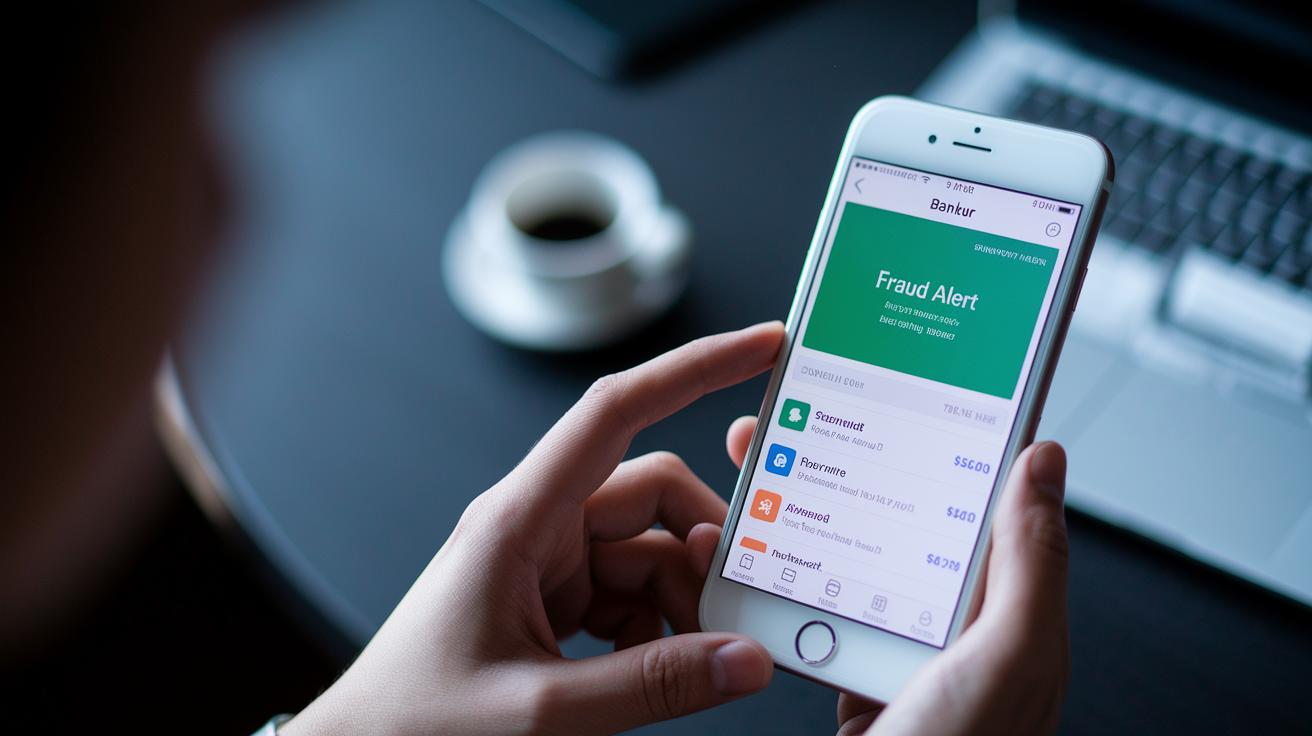
Real-world examples show how smart monitoring can catch fraud and keep your money safe. One case had advanced systems stopping a high-value transaction that went well beyond normal limits. These stories remind us that quick fraud spotting and careful pattern watching are essential for protecting what matters.
| Case Study | Detection Outcome |
|---|---|
| Switzerland | A payment of CHF 19,990 was halted because it was unusually high, had a new beneficiary flag, and came from an unfamiliar browser and resolution. |
| Tanzania | Fraud was uncovered when an employee boosted balances by $22,000 through repeated mobile app transactions. |
These cases show that a speedy response and constant monitoring really make a difference. Real-time alerts help stop big losses by spotting unusual activity fast. When digital platforms use strong fraud analytics, they lower risk and build trust with customers. So, by learning from these examples, banks can set up smart, layered defenses that keep getting better over time.
Emerging innovations in mobile banking fraud prevention
AI-powered tools like aiReflex use machine learning, a method where computers learn from data, to spot unusual fraud patterns in real time. This means banks can catch strange trends as they happen. Predictive analytics, which uses past information to guess what might occur next, helps spot suspicious behaviors before they fully develop. This gives banks a much-needed early warning to stop breaches.
When banks integrate threat intelligence systems, they can quickly uncover hidden ways for attackers to penetrate their defenses. For instance, a tool might notice a sudden surge in transaction amounts and even forecast future irregularities based on past trends. This smart setup lays a strong groundwork for stopping fraud.
Mobile banking security is also reaching new heights with emerging technologies. Continuous behavioral biometrics, which reviews things like typing speed and navigation habits, checks if the user matches their usual patterns. And then there’s distributed ledger verification. It uses blockchain-based methods, imagine a digital notebook that can’t be erased, to create unchangeable records of each transaction and validate their legitimacy.
Think of it like this: a system that learns continuously from every user interaction while securing every digital handshake with robust cryptography. It's a future where every transaction remains safe, much like keeping your valuables under constant watch by a trusted friend.
Final Words
In the action, our article broke down the hefty toll of fraud losses and outlined key defenses like multi-factor authentication, data encryption, and real-time alerts.
It looked at security best practices, monitoring techniques, and compliance steps, all backed by real-world case studies and emerging innovations.
Embracing these insights on mobile banking fraud prevention can boost your confidence in handling market complexities. The path ahead is bright, each measured step builds a safer, smarter financial ecosystem.
FAQ
What does the mobile banking fraud prevention pdf provide?
The pdf explains layered security strategies like multi-factor authentication, data encryption, and real-time monitoring to help users understand practical steps for protecting mobile transactions.
What are some common bank frauds and who can be held responsible?
Common bank frauds include phishing scams, fraudulent transactions, and identity theft. Responsibility often falls on both external criminals and internal actors, highlighting the need for strict oversight and secure practices.
How can I report bank fraud incidents and what might be the consequences?
Reporting fraud typically involves contacting your bank or local law enforcement promptly. Quick reporting may stop further losses and lead to legal consequences for the fraudsters, sometimes including jail time.
How can businesses prevent fraud effectively?
Businesses can reduce fraud risks by enforcing strict verification methods, monitoring transactions in real time, and training employees to recognize suspicious behavior, thereby protecting financial interests.
What steps can help secure mobile banking and prevent fraud?
Securing mobile banking calls for robust practices like multi-factor authentication, strong encryption protocols, biometric logins, and regular software updates, all of which combine to greatly reduce fraud risk.
What is an example of a fraud detection tool used in mobile banking?
An example is an AI-driven platform that monitors transaction behavior and flags unusual activities in real time, enhancing the detection and prevention of potentially fraudulent actions.
Can someone hack my mobile banking account?
Hacking risks are minimized when you use strong security measures such as multi-factor authentication, reliable encryption, and timely software updates, making unauthorized access significantly more difficult.


