
Ever notice how basic shapes on a chart can hint at what’s coming in the market? Crypto trading patterns work by tracking past price changes to suggest where prices might go next. Think of them like a diary that records the back-and-forth between buyers and sellers. With these market clues, you might catch early signals that can change the way you trade. In this article, we break down how these patterns offer a clear picture of market feelings and trends, giving you a real advantage when making smarter trading choices.
Core Concepts of Crypto Trading Patterns
Crypto trading patterns are shapes that keep appearing on price charts, and they help traders get a hint of where prices might go next. When you look at a chart showing a pair like BTC/USDT, you can see how the value of one coin changes compared to another.
These charts are built from past price and volume data. In simple terms, they work like a diary that records the constant tug-of-war between buyers and sellers. Ever notice how a sudden jump or drop in the chart can feel like a nudge to make a quick trade decision?
Patterns are important because they let you peek at the market’s behavior. Many platforms show real-time price moves, so you can watch these patterns form whether the market is buzzing or moving slowly. This steady flow of data means you can catch early signals, even if it’s just a tiny shift or a repeating move.
Well-known patterns help turn the tricky task of analyzing digital asset charts into a clearer story about market sentiment and trends. Here are some common types:
- Single-Candle Patterns – one-bar reversal signals
- Multi-Candle Reversal Patterns – patterns like head and shoulders or double top/bottom mean a change in trend might be coming
- Continuation Structures – shapes like flags, pennants, and triangles that suggest the current trend could keep going
- Chart Formations – formations such as channels or cup and handle that tell a story about the push and pull of the market trends
Single-Candle Patterns in Crypto Trading

One-bar patterns give traders a quick peek into possible market reversals by showing a change in trading mood. They act like little warning lights, letting you know when the market might be about to shift.
Doji Pattern
The Doji pattern shows a very small body where the opening and closing prices are nearly the same. It’s like when a conversation hits a brief pause, suggesting that traders feel unsure and that a change in direction might be coming.
Hammer Pattern
The Hammer pattern has a small body at the top with a long lower wick. Often spotted after a downtrend, it hints that buyers might be stepping in to bring the market back up, a bit like a signal that things could be turning around.
Hanging Man Pattern
The Hanging Man looks a lot like the Hammer with its small body and long lower wick, but it appears when the market is on an uptrend. This pattern warns you that buying power might be fading, which could lead to a drop in prices.
Shooting Star Pattern
The Shooting Star pattern features a small body and a long upper wick, usually forming after a strong rally. It suggests that sellers might be gaining ground, serving as a red flag that the market could be headed for a bearish reversal.
Inverted Hammer Pattern
The Inverted Hammer also shows a small body but sports a long upper wick, typically seen during a downturn. It hints that if buyers decide to step in, the market might be on the verge of a bullish turnaround.
Feel free to take these patterns as handy hints when watching the market, they’re like short, clear signals in a busy trading conversation.
Multi-Candle Pattern Strategies for Crypto Trades
When trading crypto, using multi-candle patterns helps you see the bigger picture. Instead of simple, single-bar hints, these patterns combine several candlesticks to show shifts in the balance between buyers and sellers. For example, a Head and Shoulders setup can warn you that a trend might be about to change direction, while an Inverse Head and Shoulders does the same but for a trend turning upwards. Patterns like Double Tops or Double Bottoms give clues that a flip in momentum could be coming. And then you’ve got triangles, flags, and pennants, which help you guess if a trend will continue after a brief pause.
These charts pack past price moves into shapes that are easy to follow, turning tricky data into clear trading signals. Imagine a Head and Shoulders pattern unfolding over one to three weeks, it gives you a sense of timing. Meanwhile, flags usually point to a shorter period of consolidation before the price moves again. This method of analysis lets you craft your trading plan to suit what the market is doing right now. It’s like having a reliable tool in your trading kit that shows you both when trends may flip and when they might just carry on.
| Pattern | Type | Key Signal | Typical Duration |
|---|---|---|---|
| Head and Shoulders | Reversal | Three peaks, neckline break | 1–3 weeks |
| Inverse Head and Shoulders | Reversal | Three troughs, neckline breakout | 1–3 weeks |
| Double Top | Reversal | Two equal highs, pullback | Days–weeks |
| Double Bottom | Reversal | Two equal lows, bounce | Days–weeks |
| Triangle | Continuation | Converging trendlines, volume drop | Days–weeks |
| Flag | Continuation | Parallel consolidation, pole move | Hours–days |
Integrating Technical Indicators with Crypto Trading Patterns
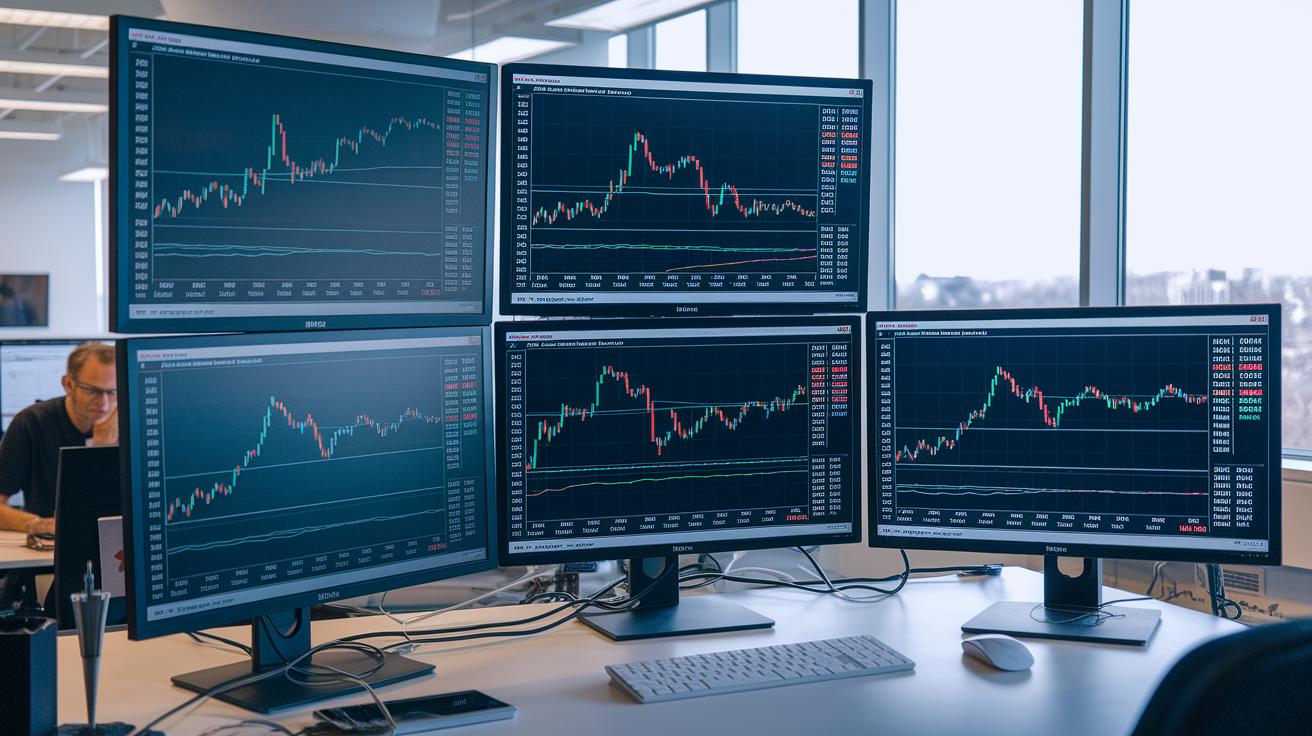
Pairing chart patterns with technical indicators builds a strong, clear trading setup. Tools like volume, RSI (that’s our shorthand for Relative Strength Index, which shows if a market might be overbought or oversold), and Moving Averages all work together with the chart signals to guide your decisions. For example, if you notice a jump in trading volume while a pattern is emerging, it can be a hint of a breakout, almost like an extra thumbs-up before you dive in. Trend lines add even more clarity by showing if the market really backs up that move.
Mixing old-school pattern performance with today’s technical measures helps cut out a lot of false alarms. This layered approach feels a bit like having a checklist to double-check your trade before you commit. Relying on multiple signals, rather than just one, makes your decisions feel smoother and more balanced. By weaving these tools together, traders can navigate the ups and downs of the market with a bit more confidence.
- Identify the chart pattern.
- Confirm it with a surge in volume.
- Look for entry or exit signals using RSI or MA crossovers.
- Make your trade once all signals line up.
Risk Management and Practical Applications of Crypto Trading Patterns
Crypto chart patterns give us useful clues about market trends, but none are foolproof. Even the most promising setups can sometimes go wrong, reminding us that risk is always part of the game.
To help safeguard your trades, it’s smart to use stop-loss orders. These work like a safety net, cutting your losses if things don’t go as planned. And before you risk real money, test your patterns on historical data. It’s a bit like double-checking your homework to see if your idea holds up over time. Using the right position sizing based on a pattern’s risk means you’re better prepared if the market turns unexpectedly.
Another helpful approach is to diversify your pattern-based trades. Instead of putting all your eggs in one basket, break your trades into smaller parts so one slip-up doesn’t hurt your whole portfolio. Try different strategies across various patterns, and make it a habit to review and update your risk management techniques as market conditions change. This balanced method can boost your confidence, giving you a clearer picture of each trade’s potential upsides and downsides.
Final Words
In the action, this article covered key aspects of crypto trading patterns, shedding light on chart compositions, rapid reversal signals, and multi-candle formations that help forecast market moves. It explained how relying on technical tools like moving averages or RSI can improve decision-making. Small insights into risk control and practical applications round off the discussion. With crypto trading patterns as a guide, you’re all set to explore further, experiment confidently, and make smarter investment choices. Keep refining your approach and enjoy the learning process.
FAQ
How can I find a free crypto trading patterns PDF download?
Finding a free crypto trading patterns PDF means looking for reputable sites that share learning resources. Many platforms offer downloadable guides to help you study recurring price movements and key signals.
How do crypto trading patterns benefit beginners?
Crypto trading patterns benefit beginners by offering clear visual cues on potential price moves. They simplify the process of spotting reversal and continuation signals, which builds confidence when making trading decisions.
What is the best pattern for crypto trading?
The best trading pattern varies with market conditions and trader experience. Many use head and shoulders for reversals or flag patterns for continuation—choose a method that aligns with your style and risk tolerance.
Which formats are available for learning crypto chart patterns?
Learning crypto chart patterns is accessible via books, live chart displays, and mobile apps. Each format provides real-time data and visual examples to help you follow and understand price movements more clearly.
What is the best trading method for crypto?
The best crypto trading method often pairs pattern analysis with technical indicators like RSI and moving averages. This blended approach helps confirm signals and manage risks while capturing market trends.
Can you really make $100 a day trading crypto?
Making $100 a day with crypto trading hinges on effective strategies, discipline, and market volatility. Many traders use pattern recognition and strict risk rules, though achieving consistent gains usually takes time and experience.


