
Have you ever wondered if your mobile banking app really protects your money from online threats? Think of your app as a digital fortress; its strong coding works like a safe lock, and real-time monitoring acts as a vigilant guard.
In this piece, we're taking a close look at three key practices that power secure transactions. First, there's robust encryption that scrambles your data into unreadable text, this means even if someone intercepts it, they won't make sense of it. Next, self-protection tools quickly shut down any suspicious activity, keeping your funds safe.
Read on to see how these trusted methods work together to build a solid wall around your digital finances.
Multi-Layered Security Architecture for Mobile Banking
Mobile banking apps need more than one safety net to stay secure. It all begins with toughening the code, which stops hackers from quickly figuring out how the app works. Think of it like a sturdy lock on your personal safe, only much more digital. Then, there’s runtime application self-protection. This tool keeps an eye on what’s happening in real time and shuts down any risky processes before trouble starts.
Another key layer is the combination of encryption, obfuscation, and secure data storage. Encryption turns sensitive information like API keys and transaction details into unreadable text when it’s sent or saved. Meanwhile, obfuscation jumbles the code so attackers get lost looking for weak spots. Safe data storage is like having secure deposit boxes that keep your personal details and payment info under constant protection.
Next, continuous threat monitoring plays a crucial role by watching over both Android and iOS apps. Dynamic scanning checks for potential vulnerabilities before cybercriminals even get a chance to act. Tools such as malware detection, prevention of screen recording, and safeguards against overlay attacks all add vital layers of protection. Plus, device or transaction binding ensures that only recognized devices can connect with the system, helping to stop fraudulent access in its tracks.
Combining these layers into a clear, organized strategy builds a rock-solid foundation for mobile banking security. Not only does this approach lower the risk of unauthorized transactions and theft of intellectual property, but it also promotes a security-first mindset throughout the entire app development process.
Strengthening Authentication in Mobile Banking Apps

Mobile banking depends on strong ways to check who you are to keep your money and personal details safe. Banks use several steps to verify you so that if one check is broken, the other steps still protect your account. For example, you might log in with a password and then enter a one-time code sent to your phone (OTP, which is a code that works only once). This layering of checks helps keep your access secure.
The app also watches for your usual habits. It looks at things like when you log in, the devices you use, or the places you usually access your account. If it sees a login from a new place, it might ask for extra verification right away to stop anyone unwanted from getting in. Plus, banks use strict identity checks (often called KYC, meaning “know your customer”) when you set up your account, adding another level of trust.
There’s also real-time monitoring that works like a round-the-clock security guard. It quickly spots and responds to anything that seems off, so your sensitive information stays safe. By mixing proven security practices with smart modern checks, developers create mobile banking that is both safe and easy to use.
- OTP-based two-factor authentication (a system where a one-time code adds extra security)
- Push-notification approval for quick, on-the-spot checks
- Biometric measures like fingerprint and facial recognition for a personal touch
- Behavioral analytics that watch for unusual activity in your app use
Encryption and Secure Data Transmission in Mobile Banking
Encryption is like the first line of defense for your financial info as it makes its journey from one point to another. With end-to-end encryption, data is scrambled into a form that no one else can read, even if someone manages to intercept session tokens or transaction details. It’s a bit like locking your diary with a secret code that only you know.
Modern techniques like AES-256 take this protection even further. AES-256 is a powerful encryption method that transforms private data into a complex code so tough that unauthorized users can hardly crack it. Plus, using secure key management practices, like storing these keys separately and rotating them regularly, adds an extra layer of safety in case a key ever falls into the wrong hands.
When you’re choosing encryption methods for finance apps, it’s important to cover all the bases. Developers can keep everything secure by:
- Setting clear encryption rules for every kind of data
- Adopting strict key management policies
- Regularly running security audits and updating protocols
For example, one smart move is to automatically rotate encryption keys every 90 days for sensitive data such as API keys and transaction logs. This approach helps build a strong shield against modern cyberthreats while keeping your data as secure as possible.
Fraud Prevention and Transaction Monitoring for Mobile Banking

Mobile banking apps run into many risks like cloned applications, fake accounts, intellectual property theft (stealing ideas or software) and unauthorized transfers. In 2023, for example, scammers from China took advantage of India’s UPI by creating fake versions of real apps to trick users into approving bogus transactions. This incident shows why banks need strong fraud prevention measures to spot and stop these tricks fast.
To fight these threats, banks use fraud detection systems that watch how users behave and how transactions flow. They rely on behavioral analytics tools that follow everyday activity and quickly flag anything odd, such as a sudden large transfer or a login from an unfamiliar location. Anomaly detection systems (which look for patterns that differ from the normal) alert security teams the moment something unusual happens.
Session risk scoring is another key tool. It checks real-time data like device details, login times, and how quickly transactions occur to decide if a session is risky. If something seems off, the system asks for extra verification to keep your digital payment safe. On top of that, real-time transaction monitoring keeps a constant watch on all transactions so that any hint of fraud is spotted and handled right away.
- Behavioral analytics to spot unusual user habits
- Anomaly detection to flag unexpected transaction patterns
- Session risk scoring to evaluate live user sessions
- Real-time monitoring to catch threats immediately
By layering these security tools, mobile banking platforms can quickly identify potential fraud and act immediately. This comprehensive approach helps protect both your money and sensitive data, keeping your mobile banking experience secure and reliable.
Regulatory Compliance and Risk Management in Mobile Banking
Mobile banking apps need to stick to strict rules to keep our private financial info safe and help avoid big fines. For example, rules like PCI DSS, which helps protect payment details, and GDPR, which guards our personal data, form the backbone of secure frameworks. And sometimes, depending on the region, extra safety measures might be required.
A strong risk management system means always keeping an eye on things with continuous checks and regular attestations. These attestations make sure every part of the system meets the set guidelines, which cuts down the chance of any security slip-ups. Banks and similar institutions use risk assessment tools to spot weak spots that might let hackers get in. Once these vulnerabilities are found, they get fixed right away, which strengthens the whole defense setup.
It’s vital for financial institutions to adopt security frameworks that protect data from the client side all the way to the server, ensuring your information stays safe at every step. Plus, following fintech compliance guidelines can simplify meeting tough legal standards. This approach not only secures customer data but also helps the institution dodge expensive fines. Key regulatory frameworks, like the ones detailed at https://ebusinessplanet.com?p=5418, provide valuable guidance for maintaining top security standards in mobile banking. And of course, regular updates and reviews are essential to keep up with emerging threats and keep the system robust.
3 mobile banking best practices fuel secure transactions
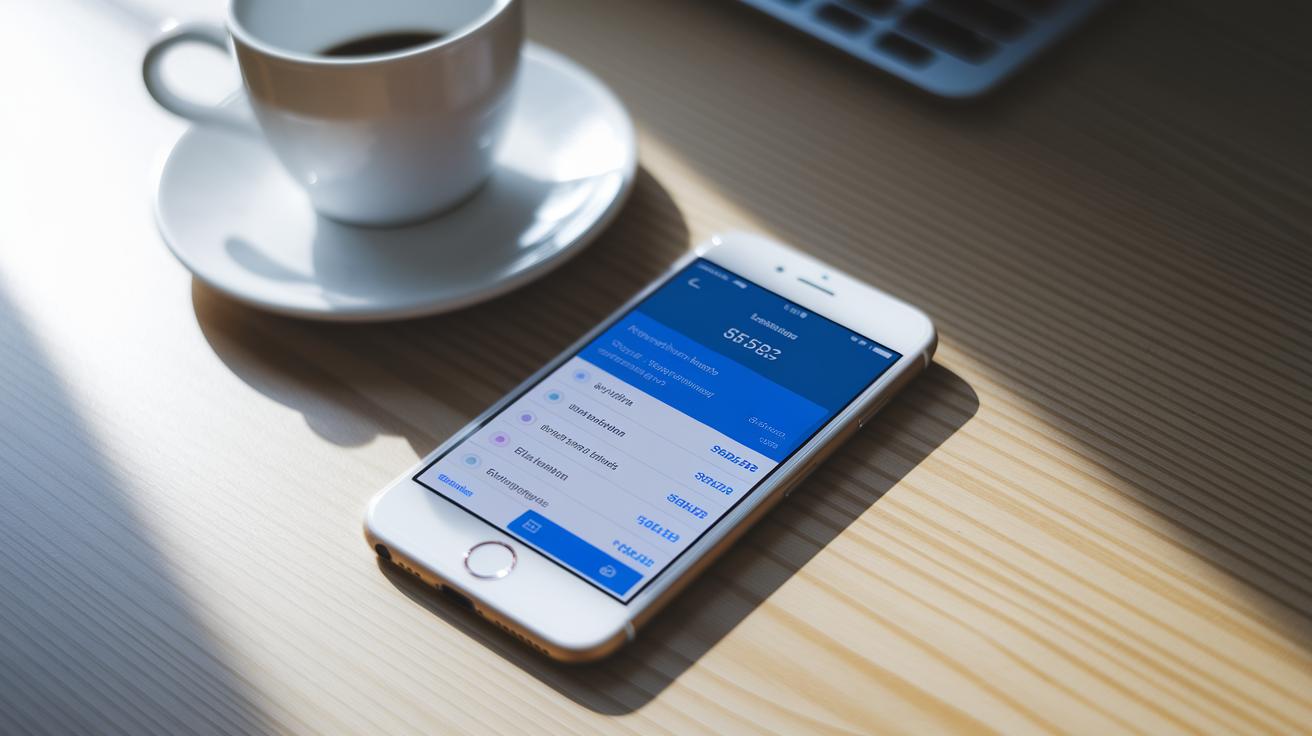
Mobile banking thrives when rock-solid security meets a smooth, friendly experience. More than half of users say keeping their money safe is their top worry, so every part of your design, from the PIN entry to the pop-up notices, needs to serve both safety and simplicity. A simple, clear interface reassures users that while strong security is in place, the app remains as easy to use as checking your email.
When building an app that’s both secure and user-friendly, try these ideas:
-
Clear security notifications: Write genuine messages that explain what’s happening, like “Your session will expire soon. Tap here to extend securely.” This way, users know what to expect without feeling overloaded.
-
A smooth onboarding process: Make signing up a breeze with one-tap authentication and simple, guided steps. Fewer clicks mean users can register quickly while essential security checks stay intact.
-
Easy-to-understand error handling: Instead of mysterious error messages, offer clear advice. For example, “There was an issue securing your connection. Please check your network and try again” helps users know what the problem is and how to fix it.
By pairing smart design choices with robust session management and customer safety, developers can create a mobile banking experience that’s both secure and inviting.
Continuous Monitoring and Update Strategies for Mobile Banking Security
Mobile banking security needs constant attention to keep up with new threats. We run regular mobile app security tests (MAST, which means checking your app for any weak spots) to spot problems early and build a defense plan during the secure development lifecycle (SDLC, or the step-by-step process of making software safe).
Think of it like this:
- Continuous vulnerability scans are like checking every door and window in your house to see if they're locked.
- Regular security audits work like health check-ups for your digital systems.
- Real-time threat detection catches any warning signs as soon as they appear.
We also add extra layers of protection with tools that scan third-party libraries (small pieces of software you add to your app) and quickly apply patches. By combining these measures, we create a strong, layered defense that stays one step ahead of cyber threats.
Final Words
In the action, we explored layered defenses, ranging from smart authentication and encryption to fraud detection and risk management, that form the backbone of secure mobile banking. We broke down each stage, from safeguarding user data with modern encryption protocols to maintaining compliance with essential guidelines. By aligning with mobile banking best practices, these strategies help create an environment where security and convenience work hand in hand. The outcome is a more resilient, user-friendly experience that leaves us feeling optimistic about the future of secure financial transactions.
FAQ
What do mobile banking best practices and PDFs recommend for secure transactions?
The best practices suggest using multi-layered security, strong user authentication, and end-to-end encryption to protect sensitive data and secure financial transactions.
What do mobile banking surveys and statistics reveal about current trends?
Surveys and statistics show a rise in user adoption, a demand for secure mobile apps, and increased emphasis on fraud prevention and regulatory compliance.
What essential safety tips and device guidelines should users follow for mobile banking?
Safety tips include using secure apps, updating software consistently, and choosing devices with robust security features; cellular data is safe for banking when proper protections are in place.
Who are the primary mobile banking users today?
Mobile banking users range from tech-savvy millennials to older customers who seek convenience, reflecting an overall trend toward digital and secure financial services.
How can mobile and online banking be improved for better security and user experience?
Enhancements include streamlining interfaces, implementing multi-factor authentication, utilizing real-time transaction monitoring, and ensuring the app provides secure, user-friendly functionality.


